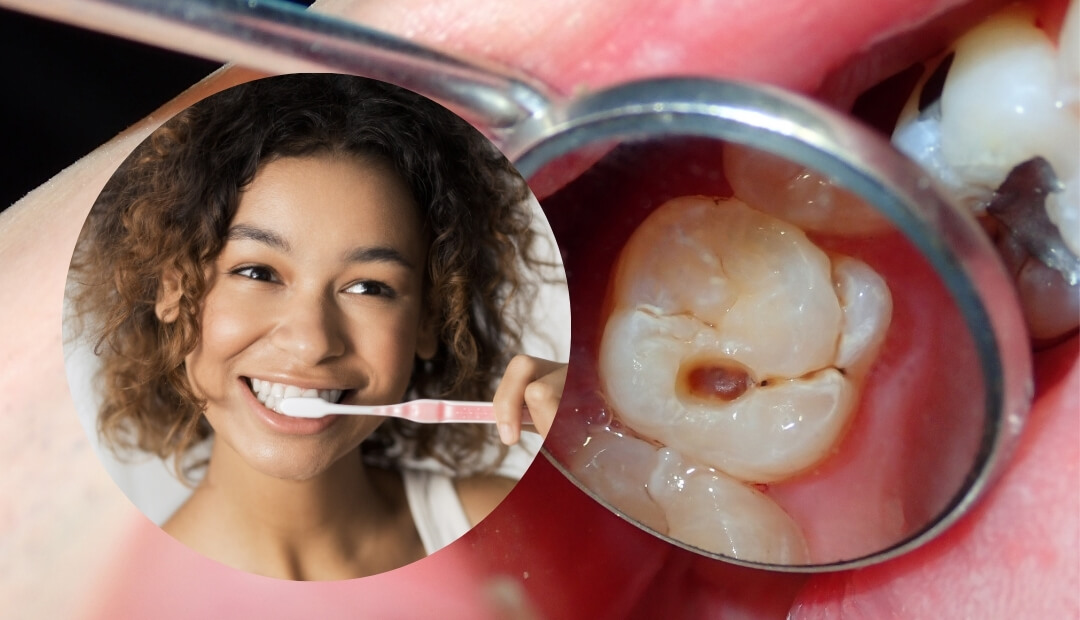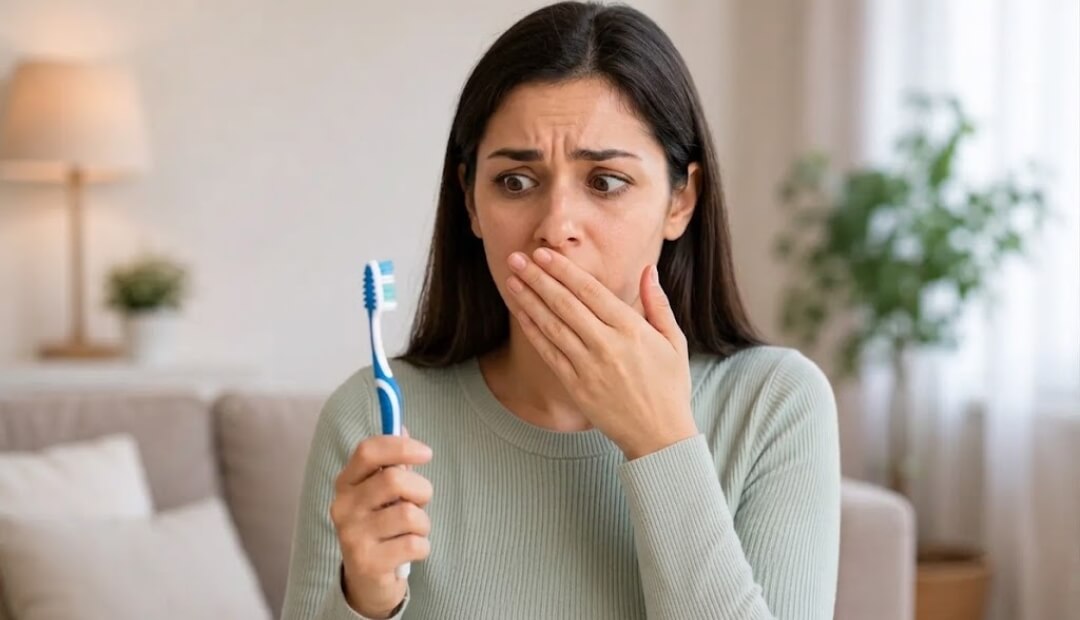









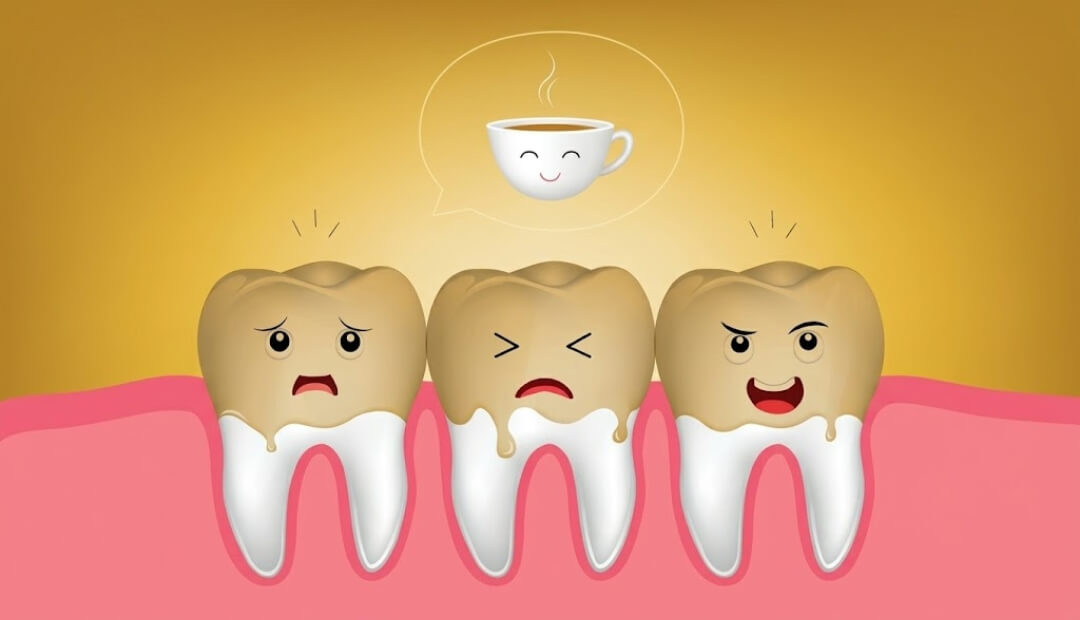
Have you noticed that your teeth are looking more yellow? Maybe you are struggling to get rid of the stains caused by coffee, or you are noticing that you are looking darker when taking pictures. Finding the best yellow teeth treatment can be a bit more complicated.
There are a variety of reasons why your teeth may be looking more yellow. This could be due to your natural teeth colour, age, coffee, tea, tobacco and wear on your enamel. Some teeth will be more yellow due to surface stains, however others may be due to internal changes.
There are many treatments to help your teeth look less yellow. However, it is important to know what is causing your teeth to look yellow to find the best solution. This can help to keep your teeth safe and not waste money on ineffective products.
Why Are My Teeth Yellow Despite Brushing?
Your teeth will have a natural colour. This will vary for everyone. Healthy teeth will not always be very white. Some people will have naturally cream, pale yellow or grey teeth. According to the Cleveland Clinic, natural tooth colour and the causes of discoloration can vary from person to person.
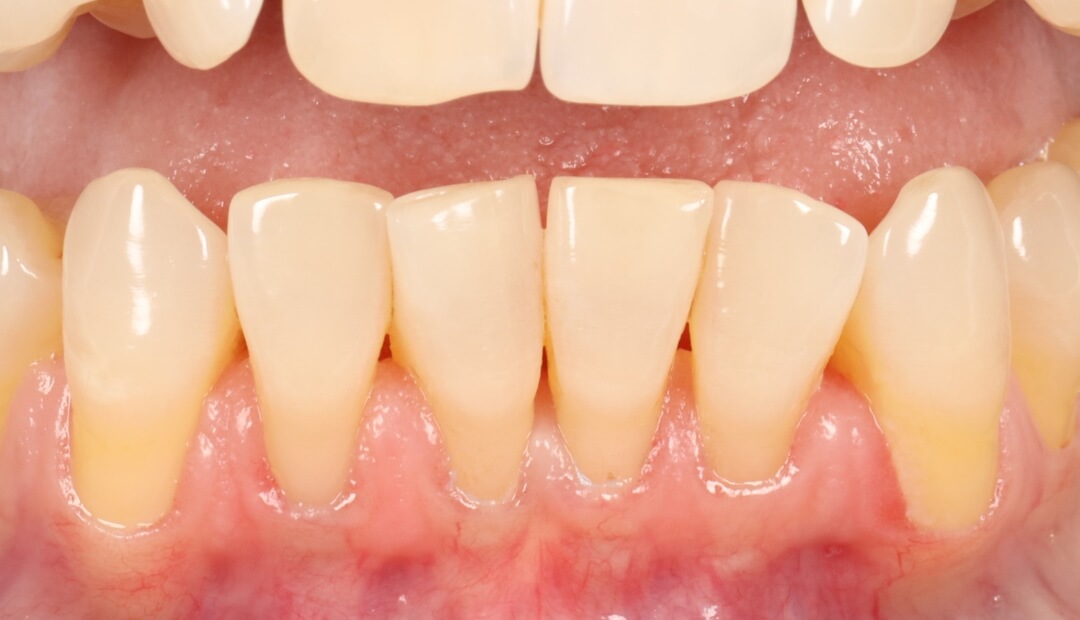
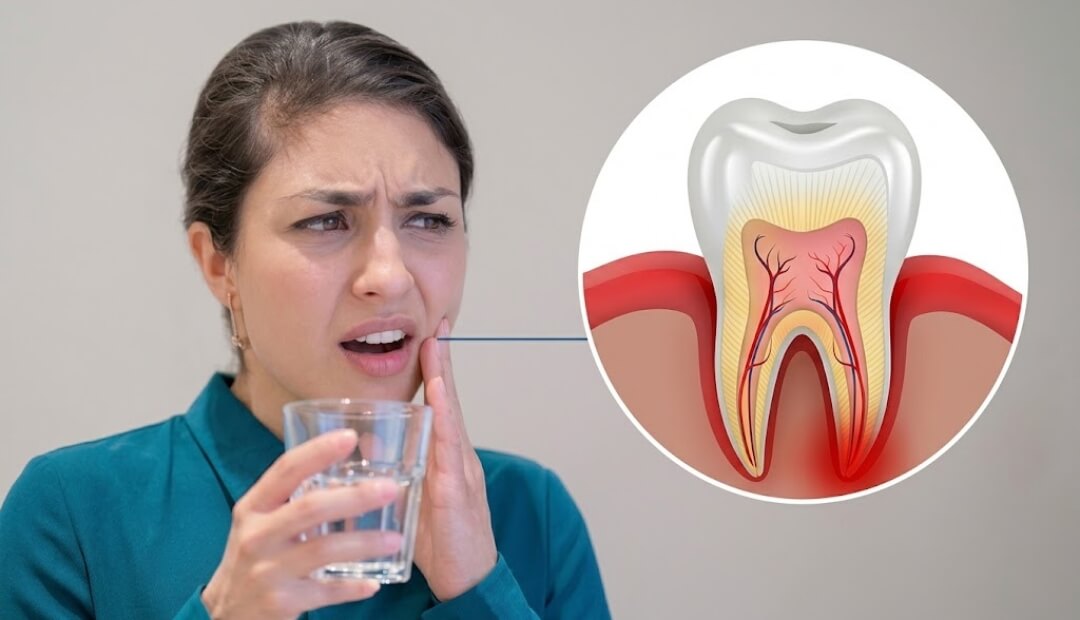
Your teeth have a hard outer layer called enamel. Underneath this is dentin which has a natural yellow colour. If your enamel thins then this can cause more of the dentin to show through.
Brushing your teeth will help to remove plaque and surface stains. However, it will not change the natural colour of your dentin. Once your enamel has been lost it cannot be replaced.
Understanding if your teeth are stained or have internal changes will help to find the best solution.
5 Common Causes Of Yellow Teeth
1. Coffee, Tea And Dark Foods
Tea and coffee have pigments which can build up on your teeth. Red wine, cola and dark foods can cause visible staining. This can become more noticeable the more you consume these drinks.
The more you drink these drinks the more likely you will get staining. If you sip your coffee throughout the day then you will be exposing your teeth to the pigments more.
You may not need to stop drinking your favourite drinks. However, drinking plenty of water and keeping your oral hygiene routine consistent can help to reduce surface build up. If you still have staining then a professional clean or suitable whitening treatment may help.
2. Ageing
Have your teeth started to look darker? This could be due to natural ageing.
As we age our enamel will naturally wear. This can cause more of the dentin to show through. Years of consuming foods and drinks can also affect how your teeth look.
Ageing does not necessarily mean you have a dental issue. However, your dentist will be able to tell if it is natural changes or if there is erosion, decay or other issues which may require treatment.
3. Plaque And Tartar Build Up
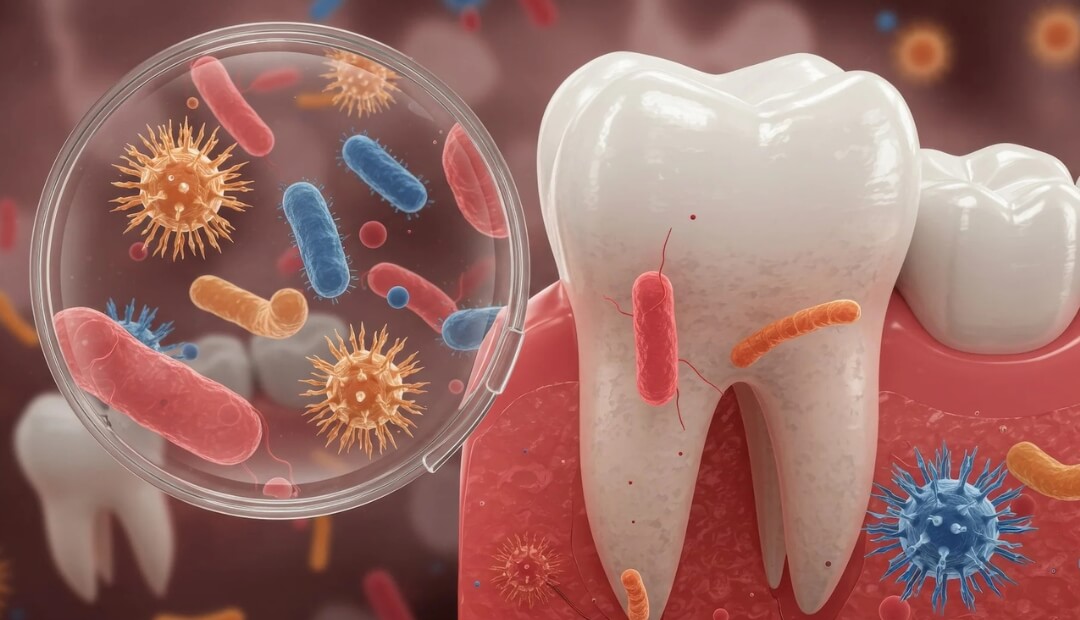
A sticky bacterial film will form on your teeth. If this is not regularly removed then it can harden to form tartar. This can cause yellow patches on your teeth, especially around the gum line and between your teeth. The National Institute of Dental and Craniofacial Research explains how plaque can harden into tartar and contribute to gum disease.
Hard tartar cannot be reliably removed by brushing. A professional clean will be needed by a dental professional.
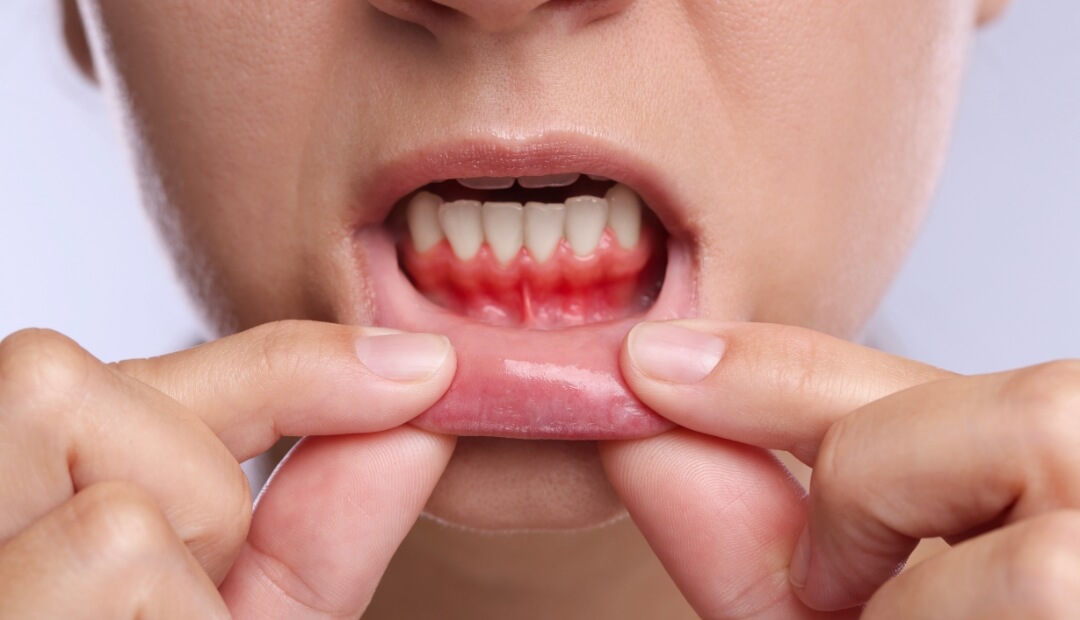
If your teeth are looking yellow and you are experiencing bleeding, swelling or chronic bad breath then make an appointment with your dentist. This could be a sign of inflamed gums.
4. Tobacco Use
Tobacco products can cause yellow or brown stains. These can become more noticeable the more you use them. This can cause several of your teeth to look yellow. This may not be completely removed by regular brushing.
Some surface stains may be improved by a professional clean. However, internal staining may require further treatment. Tobacco also increases your risk of periodontal disease and other serious dental issues.
Stopping tobacco use can benefit your dental health. If you do use tobacco then speak to your healthcare professional about suitable support and dental treatments.
5. Enamel Erosion, Medication And Dental Injury
Drinking acidic foods and drinks regularly can cause your enamel to weaken over time. Acid reflux can also cause your teeth to be exposed to stomach acid. As your enamel gets thinner you will see more of the natural yellow dentin.
Some medications can cause your teeth to change colour. Some antibiotics can cause internal staining whilst your teeth were developing. Dental injuries can cause one of your teeth to darken.
If you have crowns, veneers or fillings then most whitening products will not change the colour of your natural teeth.
The American Dental Association have information on dental erosion.
How To Choose The Best Yellow Teeth Treatment
Not all whitening treatments will work for the same type of staining. If you do not know why your teeth are looking yellow then you may be disappointed with the results or cause sensitivity.
Common situations may include:
- Surface stains – A professional clean or suitable whitening toothpaste may help.
- Stains from coffee/tea – A professional clean or supervised whitening may help.
- Naturally yellow teeth – Professional bleaching may help lighten eligible natural teeth.
- Enamel erosion – It is important to protect what enamel you have left and treat the cause of the acid.
- Stains from an injury – An appointment with your dentist will be needed to check for any internal damage.
- Crowns or fillings – If you are concerned about how they look then replacement or other restoration may be an option. An appointment with your dentist will help to identify the best option for you. This will also help to identify any issues which cannot be treated with cosmetic treatments.
The Best Yellow Teeth Treatment Options
1. Professional Clean
A professional clean can be a great starting point if your teeth are looking yellow due to plaque, tartar or surface stains. Your dentist or hygienist will remove the hardened build up which cannot be removed with regular brushing.
This can leave your teeth looking cleaner and sometimes much brighter. It can also help to improve your gum health.
A professional clean will not bleach your dentin. If you still have staining then your dentist can discuss further options.
2. Whitening Toothpaste
Whitening toothpastes can help to remove some surface stains. They often have polishing agents. Some have additional ingredients to help give you a brighter look. The American Dental Association explains how toothpaste ingredients can help remove surface stains and support oral health.
However, they will not give the same results as professional bleaching. They will not significantly change the colour of your dentin.
Choose a reputable product. Avoid overly abrasive products. If you already have sensitive teeth or worn enamel then ask your dentist which toothpaste is best for you.
3. Supervised Whitening
If you want to lighten the colour of your natural teeth then professional bleaching may be an option. This often uses hydrogen peroxide or carbamide peroxide to break down certain staining compounds. The American Dental Association provides information about whitening methods, their effectiveness and possible side effects.
Your dentist may recommend having this done in the practice or using bespoke trays. This will depend on your dental situation, type of staining and what you want from the treatment.
If you have sensitive teeth, existing restorations, gum issues or previous enamel damage then having it professionally supervised will be beneficial. Your dentist can also tell you what results you can expect and any potential side effects.
4. Over The Counter Whitening Products Approved By Your Dentist
Some whitening strips, gels and trays can help to improve the look of your naturally yellow teeth. Many will use peroxide based ingredients to gradually lighten the stains. How effective they are will depend on the product, strength, application and how yellow your teeth are to begin with. It is important to follow the manufacturers guidelines to avoid causing extra sensitivity and irritating your gums.
Before starting any treatments ensure you do not have any untreated cavities, inflamed gums or exposed sensitive areas.
5. Veneers Or Other Cosmetic Restoration
Veneers are thin covers which go over the front of selected teeth. This can help to improve the look of stubborn staining which is not responding well to traditional whitening.
Depending on the condition of your teeth your dentist may also discuss crowns or other restoration. This can help with any structural issues.
However, there are important considerations to take into account such as cost, upkeep and changes to your natural teeth. These should not be the first option for simple surface yellowing.
Why Some Home Whitening Treatments Can Make Yellow Teeth Worse
Many online sources will recommend using lemon juice, vinegar, activated charcoal or abrasive powders to whiten your teeth inexpensively.
However, just because they are natural does not mean they are safe for your enamel. Acidic products can cause erosion and abrasive powders can cause wear.
As your enamel gets thinner you may see more of the yellow dentin. Aggressive scrubbing may actually make the issue worse.
Once your enamel has been lost significantly it cannot be replaced. Saliva and fluoride can help remineralise your teeth if they are losing minerals but cannot replace any lost structure.
Avoid any treatments which claim to give you instant results, permanent results or restore your enamel. It is safer to find out why your teeth are looking yellow and choose a treatment which has reliable dental evidence to back it up.
How To Keep Your Teeth Bright After Yellow Teeth Treatment
Whilst whitening your teeth can help, there are things you can do in your everyday life to help keep them looking bright.
Brush Twice A Day
Brush your teeth twice a day for 2 minutes using a fluoride toothpaste and soft bristled brush. Be gentle when cleaning all areas of your teeth.
Avoid aggressive scrubbing to try and make your teeth look whiter. This can cause wear to your enamel and irritate your gums.
Clean Between Your Teeth Daily
Brushing alone will not remove all the plaque between your neighbouring teeth. Use dental floss or the correct sized interdental brushes. The National Institute of Dental and Craniofacial Research recommends cleaning between your teeth regularly as part of a daily oral hygiene routine.
This will help keep your gums healthy.
Avoid Staining Drinks
Coffee, tea and red wine can cause new surface stains. Drinking water afterwards can help to wash away some of the residue.
You do not need to stop having these drinks. However, having them in moderation and not sipping for long periods of time can help.
Regular Dental Appointments
Having regular dental appointments will allow your dentist to check your enamel, gums and existing restorations. A professional clean can also help to remove any build up.
If you have had any whitening done your dentist can recommend the best way to keep your teeth looking bright. Avoid over doing bleaching treatments.
Can Vitamins And Minerals Help?
Calcium and phosphate minerals help to form your teeth. Fluoride helps to strengthen your enamel.
Saliva helps to keep the minerals in balance on your teeth. It helps to neutralise acids and remineralise your teeth if they are losing minerals. The National Institute of Dental and Craniofacial Research explains how fluoride strengthens enamel and helps replace minerals lost during early decay.
However, this will not whiten your teeth. Calcium supplements and mineral based products will not reliably remove any existing stains or change the colour of your dentin.
If you are lacking in a nutrient then correcting this may help with your general health. However, taking extra supplements will not be a proven treatment for yellow teeth.
If you are looking at any unfamiliar dental products then check the ingredients and evidence behind them. Speak to your dentist about any new treatments, especially if you currently have sensitive teeth or enamel erosion.
When To See A Dentist For Yellow Teeth
If your teeth are still looking yellow despite keeping your oral hygiene consistent or you cannot find out why then make an appointment with your dentist. They will be able to check your teeth and gums and recommend any cosmetic treatments.
If one of your teeth has suddenly gone darker, especially if you have had an injury then make an appointment with your dentist as soon as possible. This could be a sign of internal damage which cannot be treated with whitening products.
Other signs to look out for include:
- Sensitivity or discomfort
- Visible holes, spots or texture changes
- Bleeding or swollen gums
- Pain when chewing
- Chronic bad breath
- Sudden colour change in one tooth
The NHS have information on teeth whitening. It is important to have the correct treatment and avoid any unsuitable treatments.
How Long Does Yellow Teeth Treatment Take?
How long it takes to improve the colour of your teeth will depend on why they are looking yellow. If it is due to surface build up then a professional clean may improve this straight away.
Whitening toothpastes will generally take time and consistency to show any improvements. Peroxide based treatments may take several applications to show any changes.
More complex issues such as internal staining, enamel damage or restorations may take several appointments. Your dentist will be able to tell you how long it will take and if any further treatments are required.
There is no one size fits all solution. The safest option is to choose a treatment based on your dental examination.
Yellow Teeth Treatment
There are several reasons why your teeth may be looking yellow. This could be due to coffee stains, tobacco, ageing, plaque or enamel erosion. The most important thing to do is find out why your teeth are looking yellow.
A professional clean may help with surface stains. Suitable whitening products may help to lighten eligible natural teeth. More complex issues may require restoration or further dental checks.
Start by keeping your oral hygiene consistent. Avoid any aggressive home treatments which could damage your enamel. If your teeth are still looking yellow despite keeping them clean then make an appointment with your dentist.
Do not try to make your teeth look overly white. With the correct information and treatment you can improve how your smile looks whilst keeping your natural teeth safe in the long run.
What If Your Yellow Teeth Have More Than One Cause?
Discover what may be behind stubborn tooth discoloration and why brushing alone doesn’t always restore a brighter-looking smile.
Explore a different perspective on oral health, the role minerals may play, and what to consider before choosing your next step.