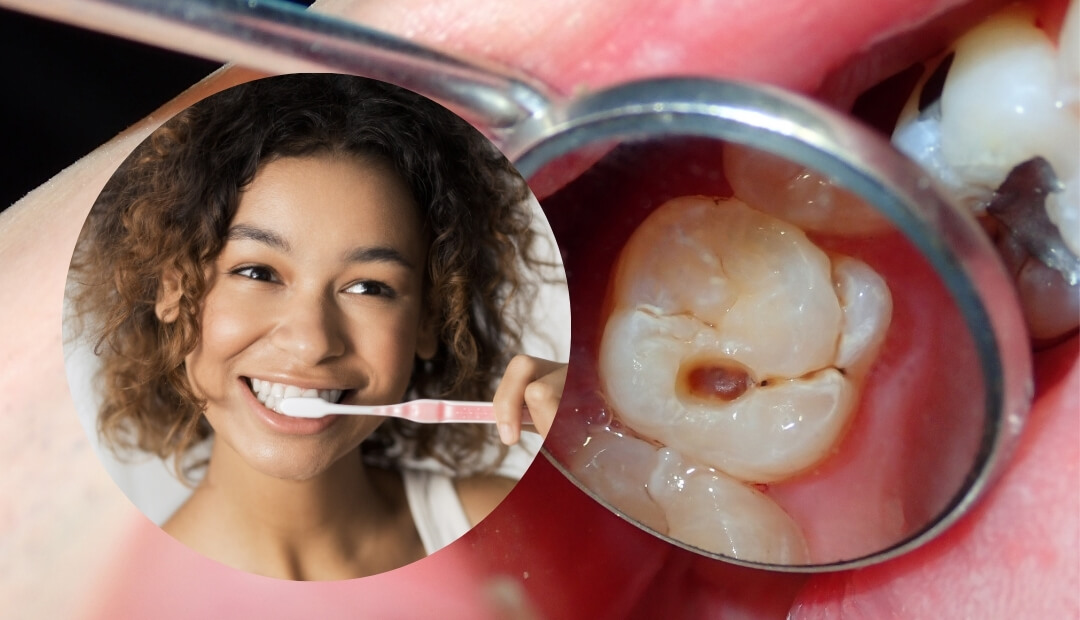










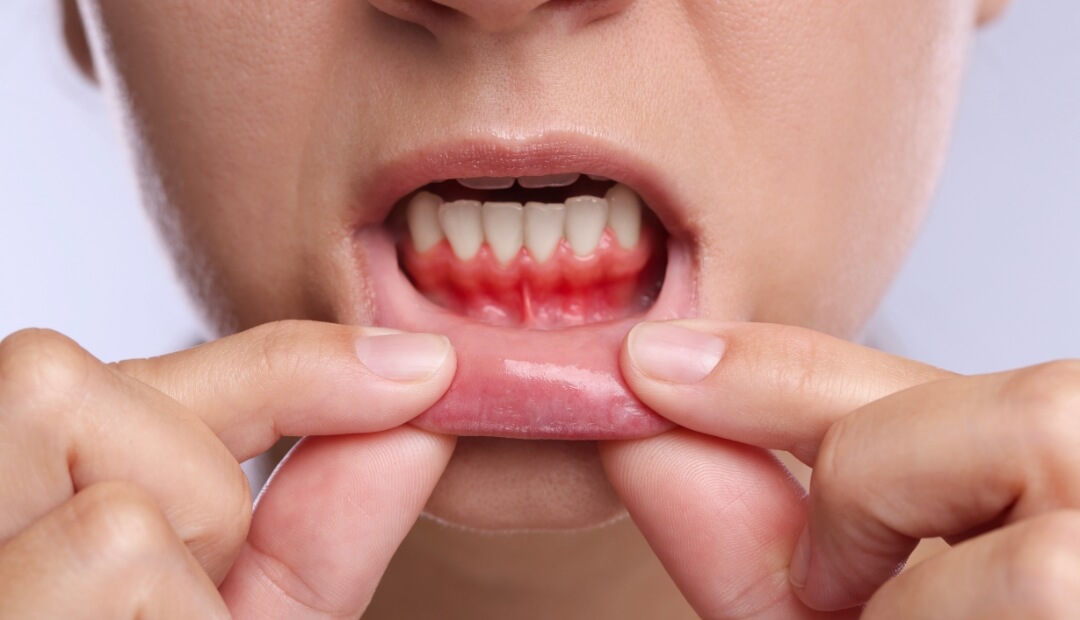
You may begin searching for the correct bleeding gums treatment if your gums bleed in the sink after brushing them. Bleeding gums can be caused by a number of factors. Common causes include plaque that inflames the gums, brushing incorrectly, flossing, pregnancy, medications, and other health issues.
Generally, healthy gums should not bleed when you brush them gently or floss. Although occasional bleeding is not always a cause for concern, frequent bleeding makes dental advice worthwhile.
If bleeding is due to mild gum disease, it may improve with good home care and cleaning by a dental professional. However, other causes may require specific treatment.
We’ll explain why your gums are bleeding, how to choose the correct bleeding gums treatment and what to do if you have swollen gums, bleeding when flossing or if you’re pregnant. We’ll also discuss when at-home treatments won’t be sufficient.
1
What is the correct treatment?
There is no one-size-fits-all treatment for bleeding gums. If plaque buildup leads to gingivitis, the main treatment involves brushing effectively every day to remove plaque.
If tartar has accumulated, you need a professional clean. If medication, pregnancy, injury or other health issues cause your bleeding gums, your dentist may recommend further treatment.
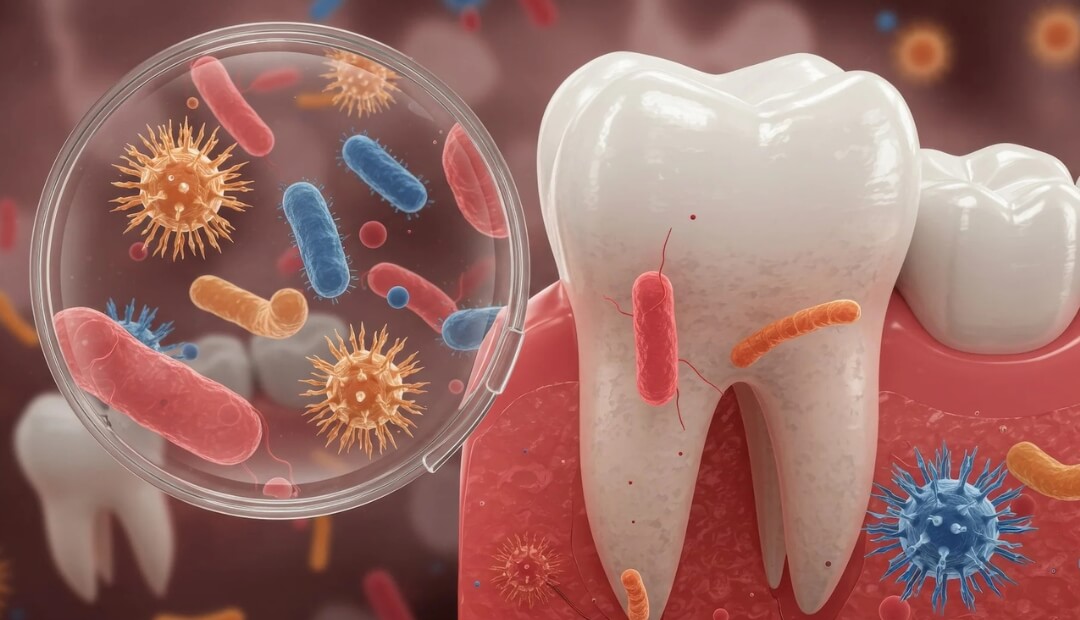
Plaque, which is a sticky layer of bacteria, can inflame your gums, making them red, swollen, sensitive and more likely to bleed. Plaque builds up on your teeth throughout the day. If you don’t remove it effectively, it can harden into tartar.
The National Institute of Dental and Craniofacial Research explains plaque can cause inflamed gums. To check if your symptoms match those of gingivitis please consult with a dental professional.
Why are my gums bleeding when I brush?
One of the first causes of bleeding gums is plaque causing inflamed gums. However, brushing too hard or other dental and health issues can also cause bleeding gums.
If you’re having bleeding gums when brushing your teeth, then your dentist can help work out why based on where you’re experiencing the issue, how often and if there are any other symptoms.
1. Build up of Plaque (Gingivitis)
Plaque can build up along your gum line and between your teeth, even if you brush your teeth twice a day. If plaque builds up in these areas it may cause irritation and lead to gingivitis (a mild form of gum disease).
Gingivitis can cause bleeding when you brush your teeth. Other symptoms include red, swollen and sensitive gums. You may also experience persistent bad breath.
2
Since gingivitis doesn’t usually cause much pain, bleeding may be the first symptom you notice. Regular plaque removal and a professional clean can often improve mild gingivitis and remove tartar.
However, if you’re still experiencing symptoms then we’d recommend visiting your dentist. They will be able to check for any tartar, gum pockets, cavities or if there is more serious inflammation.
2. Brushing too hard
Brushing your teeth harder will not clean them better and can damage your sensitive gums. Aggressive brushing or a firm-bristled toothbrush can irritate your gums. This irritation can cause soreness and bleeding, particularly around the gum line.
Always use a soft bristled toothbrush and brush gently. Angle the bristles slightly towards your gums and don’t press down too hard. Make sure to brush the front, back and chewing surfaces of all your teeth.
3
Brushing and cleaning between your teeth is important to keep plaque under control. Ask your hygienist to show you how to do this correctly. If you tend to brush too hard then an electric toothbrush with a pressure sensor can help.
3. Bleeding when flossing
Bleeding may occur if your gums are inflamed. Bleeding can also occur if you haven’t flossed in a while to begin with and are irritating sensitive gums with plaque. However, regular bleeding is a problem.
Gently thread the floss between your teeth and wrap around each tooth. Move the floss gently along the sides of your teeth. Don’t pull it down onto your gums. Interdental brushes can also be useful if you have larger gaps. However, make sure the brush fits.
Continue to gently clean daily but if your dentist hasn’t advised otherwise. However, if you’re continuing to experience bleeding then we’d recommend visiting your dentist.
They can check your technique and whether you require a professional clean. The NHS also explains the importance of proper cleaning between teeth and professional dental care for gum disease.
4. Hormonal Changes (Pregnancy)
Some women get pregnancy gingivitis. Hormonal changes during pregnancy mean that plaque has a greater effect on the gums. This can cause red, sore, puffy and bleeding gums.
Some women get pregnancy gingivitis. Hormonal changes during pregnancy mean that plaque has a greater effect on the gums. This can cause red, sore, puffy and bleeding gums.
It’s still important to continue with your daily oral hygiene. Make sure to brush gently twice daily with a fluoride toothpaste. Clean between your teeth and let your dentist know you’re pregnant so they can plan your treatment.
4
However, don’t assume all bleeding gums is caused by pregnancy. If you’re experiencing persistent or severe swelling, pain or bleeding then we’d recommend seeing a dental professional. Most dental treatments can be carried out during pregnancy. However, waiting could cause any issues in your mouth to get worse.
5. Medication and Health Issues
Taking certain medications or having certain medical conditions may cause an increased risk of bleeding. For example, taking anticoagulants.
Diabetes and smoking can increase the risk of gum disease. In addition, diabetes can cause inflamed and bleeding gums, as stated by the Centers for Disease Control and Prevention.
If your bleeding gums started after beginning a medication or changing the dosage then let your dentist and the clinician who prescribed know. Never stop taking a prescribed medication or change the dosage. Let them know if you’re experiencing any other symptoms such as unexplained bruising or bleeding.
In some situations nutritional deficiencies can contribute to gum issues. However, taking high dosage vitamins isn’t a reliable treatment for bleeding gums. A healthcare professional can advise if you require any tests or supplements.
6. Periodontitis (Advanced Gum Disease)
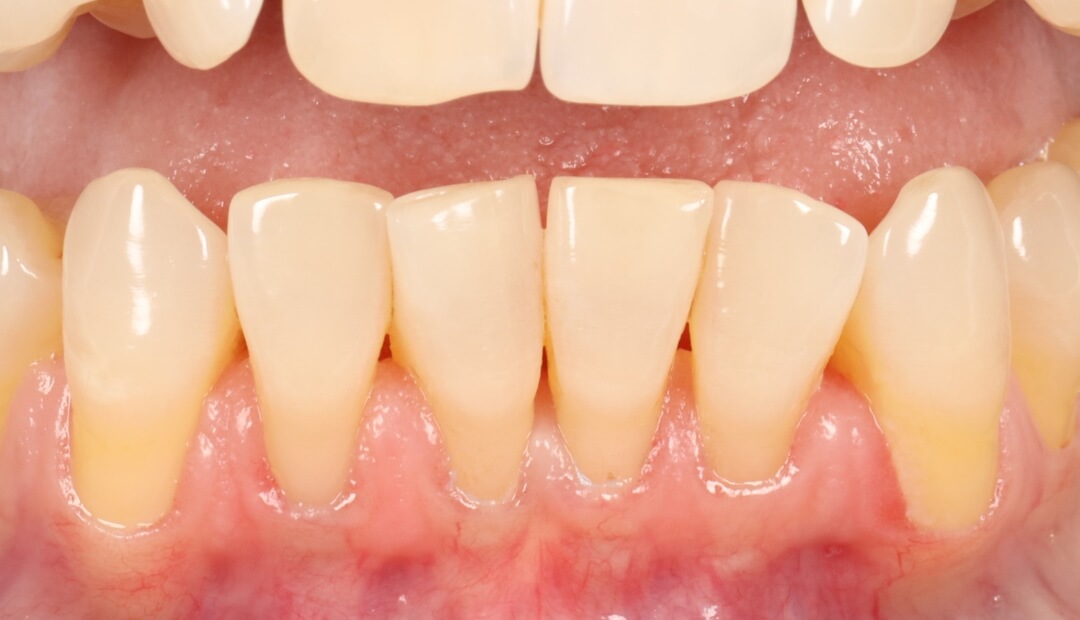
If you don’t treat gingivitis, it can progress to periodontitis. This affects the supporting tissue and bone of your teeth. Symptoms can include persistent bleeding, receding gums, bad breath, changes to your bite and loose teeth.
5
Periodontitis won’t always cause severe pain. However, don’t wait until you’re in pain to seek advice. The NHS has a guide to gum disease which includes common symptoms and treatments. Early assessment can help prevent further damage.
Treatment for Bleeding Gums At Home
If plaque-related gingivitis causes your bleeding gums, at-home treatment is an important step. Ensure you’re removing the plaque and not irritating your gums further. Whilst this can help to improve your gum health, if you’re still experiencing bleeding gums then we’d recommend visiting your dentist.
Brush gently twice daily
Brush your teeth for around 2 minutes morning and evening. Use a soft bristled toothbrush and fluoride toothpaste. Ensure you’re using small gentle strokes and focusing on your gum line. Don’t brush too aggressively or press down on swollen areas.
Ensure you’re cleaning the inside of your front teeth and back molars. Replace your toothbrush if the bristles become frayed. If you’re experiencing pain or bleeding in a specific area whilst brushing then let your dentist know.
Clean between your teeth daily
Use either floss or the correct size interdental brushes once daily. This will help remove plaque from areas your toothbrush can’t reach.
If you find traditional floss difficult to handle then ask your dentist about using floss holders, interdental brushes or another suitable alternative. The American Dental Association provides further guidance on cleaning between teeth and choosing suitable interdental cleaners.
Mouthwash
Mouthwash may be recommended for specific oral health needs. However, it won’t remove existing tartar. You should still use a toothbrush and interdental brushes. Some medicated mouthwashes are only meant to be used short term and can cause side effects. Ask your dentist before using.
Maintain good oral health
Drink plenty of water and limit eating sugary snacks and drinks too frequently. Avoid tobacco. This will help maintain your oral health. However, there isn’t a specific food or supplement you can take to help with existing gum disease. Eating a balanced diet will be beneficial for your overall health.
Treatment for Swollen Gums
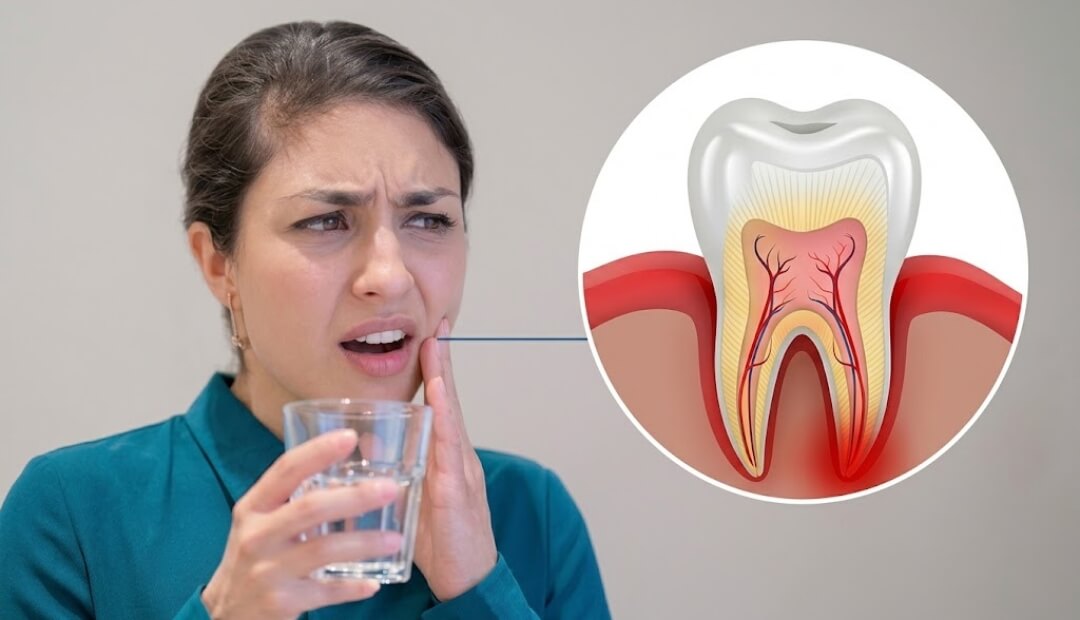
Swollen gums are a common cause of bleeding gums. Often this will be due to gingivitis caused by plaque. Multiple areas around your gum line may be affected. Your gums may appear red, sensitive and bleed when brushing or flossing.
Gently remove plaque. Common symptoms of gum disease can be found on the CDC page, and show how plaque can affect gums.
If you have inflamed gums, try to not aggravate them any further. Use a soft bristled toothbrush and gently clean your teeth. Avoid smoking and eat foods that are easy to chew. This can give you some relief, however it may not treat all causes.
6
If you’re experiencing swelling around a specific tooth then this could be caused by food becoming stuck, a damaged tooth or a dental infection.
If there is a lump, pus, bad taste or increasing pain then we’d recommend seeing your dentist as soon as possible. Don’t attempt to drain the area or use harsh products such as alcohol, lemon juice, vinegar or undiluted peroxide on your gums.
Bleeding Gums and Pregnancy
During pregnancy your hormones can cause your gums to be more sensitive. However, we’d still recommend discussing with a dental professional. Continue to brush gently with a fluoride toothpaste and clean between your teeth.
If you stop cleaning your teeth because you’re seeing blood then this can cause plaque to build up and make the inflammation worse. The American Dental Association confirms that pregnancy can increase the risk of gingivitis and that routine dental care is safe throughout pregnancy.
Let your dentist know how far along you are and if you’re taking any medication or have any concerns due to your pregnancy. Generally, routine dental assessments and treatment can be carried out during pregnancy. If you’re experiencing persistent swelling or bleeding then we’d recommend asking for advice.
Professional Treatment for Bleeding Gums
Your dentist will examine your gums to check for plaque and tartar. They may also measure the gaps around your teeth. They will ask questions about your symptoms, medical history, if you’re pregnant and what medication you’re taking. This will help identify if you have gingivitis, periodontitis or another issue.
If there is any tartar then this can be removed by a dentist or hygienist. If you have periodontitis then a deeper clean underneath your gums may be required.
This is sometimes referred to as scaling and root planing. In more severe cases further periodontal treatment may be required or a referral to a gum specialist. The MedlinePlus guide to periodontitis provides additional information about advanced gum disease and its symptoms.
If your examination suggests a medical or medication related issue then your dentist may recommend talking to your physician. Any treatment should aim to treat the underlying cause of your bleeding gums.
When to Visit Your Dentist
If you’re experiencing bleeding gums frequently when brushing, flossing or eating then we’d recommend visiting your dentist. If you’re experiencing persistent redness, swelling, sensitivity, receding gums, persistent bad breath or loose teeth then we’d recommend seeking advice. This can indicate you have gum disease or another issue requiring treatment.
If you’re suffering from severe pain, pus, rapidly swelling or a fever then we’d recommend seeking prompt treatment. If you’re experiencing heavy bleeding then we’d recommend seeking urgent assessment.
If your gums are bleeding and you’re experiencing unexplained bruising or bleeding from other areas of your body then we’d recommend contacting a healthcare professional.
Your dentist will be able to determine if you have gingivitis, tartar build up, periodontitis or an unrelated issue. The MedlinePlus information on bleeding gums explains possible causes, including gum disease, medications and other health conditions.
How to Prevent Bleeding Gums
Once your inflammation has improved continue with the good habits. Plaque will begin to build up again once you’ve cleaned your teeth. To prevent this ensure you have a regular routine.
- Brush twice daily with a fluoride toothpaste using a soft bristled toothbrush.
- Clean between your teeth daily using floss or suitable interdental brushes.
- Use light pressure and replace any worn toothbrushes.
- Limit sugary snacks and drinks.
- Avoid smoking and seek help if you wish to quit.
- Attend regular check-ups and professional cleans.
- Let your dentist know if you’re pregnant, have any medical issues or are taking medication which may cause bleeding.
7
If you’re unsure if your routine is effective ask your hygienist to demonstrate how to clean hard to reach areas. Small changes can make a difference to how effective you are at removing plaque daily. The CDC’s gum disease facts also highlight the importance of daily oral hygiene and professional dental care in preventing gum disease.
The Takeaway
Bleeding gums can often result from plaque buildup and gingivitis. However, irritation from brushing, flossing technique, pregnancy, medication and other health issues can also cause bleeding. Finding the cause of your bleeding gums will help you choose the right treatment.
Brush your teeth gently with a fluoride toothpaste and clean between your teeth daily. If you’re experiencing swollen gums, persistent bleeding, pain or signs of infection then we’d recommend visiting your dentist. At-home treatments can help keep your gums healthy but won’t treat severe gum disease or underlying issues.
Healthy gums shouldn’t bleed. By paying attention to any persistent symptoms you can help protect the tissue supporting your teeth.
What Could Your Bleeding Gums Be Telling You?
Discover why gum health may involve more than brushing, and explore a different perspective on the ingredients behind oral care.
Learn about the approach discussed in the video, while keeping proven dental care and professional advice at the center of your decisions.