


Bleeding Gums and Bad Breath? What Your Oral Microbiome May Reveal
Do your gums bleed when you brush, even though you try to care for your teeth every day? Does bad breath return shortly after brushing, leaving you wondering what you might be missing? Your oral microbiome may be part of the picture, but understanding gum health requires looking beyond bacteria alone.
These recurring problems can make everyday life uncomfortable. You might worry about your breath during conversations, avoid smiling in photographs, or feel frustrated when your usual routine seems ineffective. The encouraging news is that several practical steps can protect your gums, while professional care can identify problems that home routines cannot resolve.
What Is the Oral Microbiome, and Why Does It Matter?
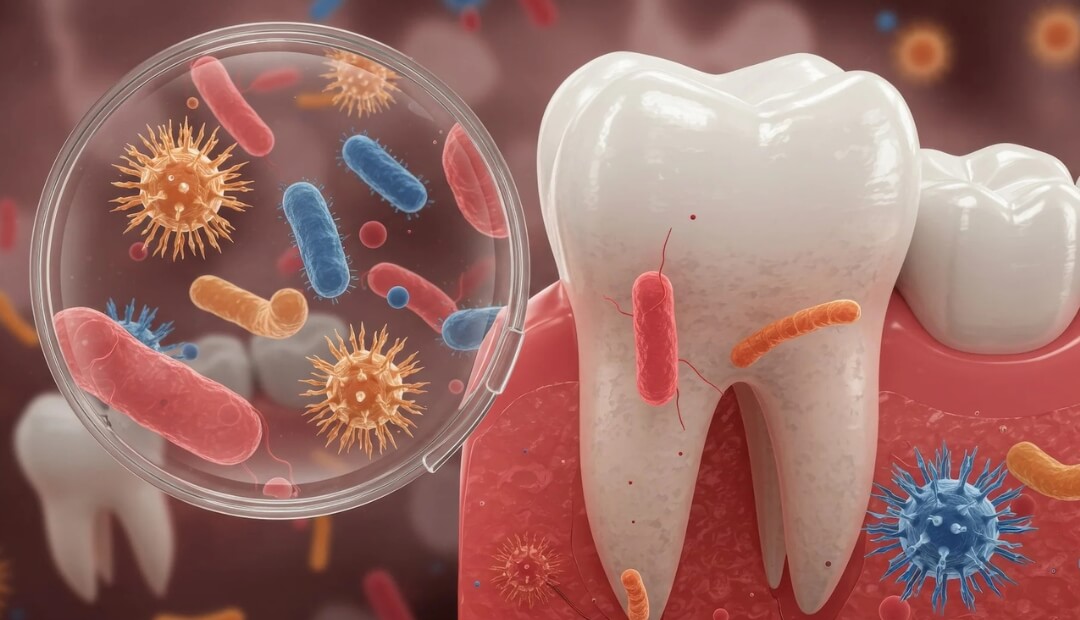
Your mouth hosts a diverse community of bacteria, fungi, viruses, and other microorganisms. Scientists call this community the oral microbiome. Different microorganisms live on your teeth, tongue, gums, and other oral surfaces, creating a complex environment that changes over time.
Your Oral Microbiome Matters
Discover another perspective on oral health and explore how the mouth’s natural environment relates to healthier teeth and gums.
Not every microorganism causes harm. Many coexist with your body and help maintain the mouth’s natural environment. Some also compete with disease-causing organisms, while your saliva and immune defenses help regulate this community.
The National Institute of Dental and Craniofacial Research describes the mouth as a collection of distinct microbial habitats. This research helps explain why oral health depends on interactions among microorganisms, oral tissues, and the body’s defenses.
Can an Imbalanced Oral Microbiome Contribute to Gum Problems?
The oral microbiome normally exists in a changing balance. When environmental conditions favor certain harmful microorganisms, researchers describe the resulting shift as microbial dysbiosis. This change may contribute to inflammation, although it does not explain every case of bleeding gums or persistent bad breath.
Dental plaque plays a central role in many common gum problems. It forms continuously as microorganisms attach to tooth surfaces and create a sticky biofilm. When plaque remains near the gumline, it can trigger inflammation and cause gums to become red, swollen, or prone to bleeding.
Without effective plaque removal, early gum inflammation can sometimes progress to periodontitis. This more serious condition damages the tissues and bone supporting your teeth. The NIDCR’s guide to gum disease explains its causes, symptoms, diagnosis, and treatment options.
Signs Your Oral Microbiome and Gum Health Need Attention
Bleeding while brushing or flossing is a common warning sign of gum inflammation. You might also notice tenderness, redness, swelling, or a persistent unpleasant taste. Bad breath that repeatedly returns may accompany gum disease, although it can have other causes.
These symptoms cannot confirm an oral microbiome imbalance on their own. Dry mouth, tobacco use, medication effects, cleaning habits, and other oral conditions can produce similar problems. A dental examination helps determine which factors may be responsible.
Gum disease can also develop without obvious pain, especially during its early stages. You may overlook subtle changes because they seem minor or disappear temporarily. Regular dental appointments can reveal inflammation and tissue damage before symptoms become more noticeable.
How Persistent Gum Problems Can Affect Your Confidence
Recurring bad breath can make conversations feel stressful, even when nobody else mentions it. You may become more conscious of your breath during meetings, social gatherings, or close conversations. That uncertainty can distract you from the interaction itself.
Bleeding gums can create a different kind of frustration. Seeing blood in the sink may make you question whether brushing is helping or causing harm. You might even avoid flossing because you expect another uncomfortable experience.
However, these symptoms do not automatically mean that you have neglected your oral health. Gum problems often involve several overlapping influences, including plaque, smoking, diabetes, genetics, and certain medications. Understanding those influences gives you a more useful starting point than blaming yourself or searching for a single bacterial explanation.
What Can Disrupt the Oral Microbiome and Irritate Your Gums?
1. Plaque Buildup and Incomplete Cleaning
Plaque begins forming again soon after you clean your teeth. Brushing removes plaque from many tooth surfaces, while floss or interdental brushes reach the spaces between teeth. Missing these areas regularly can allow plaque to accumulate around the gums.
Look Beyond Your Brushing Routine
If bleeding gums or bad breath keep returning, watch to explore another oral health perspective and the factors worth understanding.
Over time, plaque can harden into tartar, which a toothbrush cannot remove. Tartar also creates surfaces where additional plaque can collect. A dental professional must remove this hardened buildup with appropriate instruments.
The American Dental Association’s gum disease resource outlines common symptoms, risk factors, and treatment approaches. Consistent home care and professional cleaning remain important, even when researchers continue investigating the oral microbiome.
2. Smoking and Other Tobacco Products
Tobacco use increases the risk of gum disease and can interfere with healing. It may also make periodontal treatment less successful. Smoking can reduce visible gum bleeding, so the absence of bleeding does not always indicate healthy tissue.
Reducing tobacco exposure or quitting can improve your overall health and remove an important gum disease risk factor. If you smoke, tell your dentist so they can assess your gums appropriately. Your healthcare professional can also help you explore practical options for quitting.
3. Dry Mouth and Reduced Saliva
Saliva helps clear food particles, neutralize acids, and maintain a stable oral environment. When saliva production decreases, your mouth may feel sticky, uncomfortable, or unusually dry. Reduced saliva can also increase the risk of tooth decay and make speaking or swallowing less comfortable.
Some medicines and medical conditions can reduce saliva production. Drinking water may ease mild dryness, but persistent symptoms deserve professional attention. Do not stop prescribed medication without discussing possible alternatives with your healthcare professional.
4. Diet, Diabetes, and Other Health Conditions
Frequent sugary snacks and drinks can increase the risk of tooth decay. Diet also affects general health, but no individual food can reliably rebalance the oral microbiome or cure gum disease. A balanced eating pattern supports oral health alongside effective cleaning and dental care.
Diabetes can increase the risk of gum disease, especially when blood glucose remains poorly controlled. Hormonal changes, genetics, immune factors, and certain medications may also influence gum health. Your dentist may consider these factors when symptoms persist despite regular brushing.
Because several influences can overlap, guessing which bacteria are responsible rarely provides a complete answer. Instead, focus on plaque control, risk factors, and a proper dental assessment. These steps address established contributors while researchers continue exploring how the oral microbiome affects gum health.
How to Support a Healthier Oral Microbiome
Brush Gently and Clean Between Your Teeth
Brush twice daily for two minutes with fluoride toothpaste and a soft-bristled toothbrush. Use gentle movements along the gumline rather than scrubbing aggressively. Excessive pressure can irritate your gums and contribute to tooth wear over time.
Small Details May Matter
Explore a different approach to oral care and learn why understanding your mouth’s environment matters beyond surface-level cleaning.
Clean between your teeth every day with floss or a suitable interdental brush. These tools help remove plaque from areas a toothbrush cannot reach easily. If you struggle with technique, ask your dentist or hygienist to demonstrate the best method for your mouth.
The goal is not to eliminate every microorganism from your oral microbiome. Instead, daily cleaning helps control plaque and reduces the conditions that encourage gum inflammation. A healthy mouth depends on managing harmful buildup while maintaining its normal biological environment.
Choose Mouthwash for a Clear Reason
Mouthwash may help with specific needs, such as reducing plaque, managing gingivitis, or improving breath. However, it cannot replace brushing, interdental cleaning, or professional treatment. Different products have different ingredients and purposes, so consider your symptoms before choosing one.
Dentists sometimes recommend antimicrobial rinses for particular gum conditions. Some products can cause staining, irritation, or changes in the oral environment when used inappropriately. Ask a dental professional whether a specific rinse suits your needs, especially if you experience dry mouth.
Support Saliva and Review Daily Habits
Drink water regularly and discuss persistent dry mouth with a healthcare professional. Sugar-free gum may stimulate saliva after meals, but it does not treat established periodontal disease. Avoid relying on products that promise to reset your oral microbiome without reliable supporting evidence.
Limit frequent sugary snacks, avoid tobacco, and attend regular dental appointments. If your gums continue bleeding despite consistent cleaning, ask your dentist to review your technique and gum health. These practical habits offer a stronger foundation than unverified home remedies.
What Treatments Can Help When Gum Problems Persist?
If plaque-related gingivitis causes your symptoms, professional cleaning and improved home care can often reduce the inflammation. Your dentist can remove tartar and identify areas where plaque tends to collect. Early treatment also helps reduce the chance of progression to more serious gum disease.
When periodontitis affects deeper tissues, your dentist may recommend scaling and root planing. This procedure removes plaque and tartar from below the gumline and from root surfaces. More advanced cases may require treatment from a periodontist or other specialist.
Antibiotics are not necessary for every gum problem. A dental professional decides whether medication is appropriate after assessing your condition. Treatment generally focuses on controlling infection, reducing plaque, addressing contributing factors, and maintaining results through ongoing care.
When Should You See a Dentist?
Arrange a dental appointment if your gums repeatedly bleed, remain swollen, or feel tender. Persistent bad breath, gum recession, loose teeth, or discomfort while chewing also deserve attention. Do not assume these symptoms simply reflect an imbalanced oral microbiome.
Seek prompt dental advice for pus, significant swelling, worsening pain, or a sudden change in your bite. Facial swelling with fever requires urgent assessment. Difficulty breathing or swallowing alongside facial or mouth swelling requires emergency medical care.
Your dentist may examine your gums, measure the spaces around your teeth, and take X-rays when necessary. These findings help distinguish mild gingivitis from more advanced periodontal disease. A suitable treatment plan should address your actual condition rather than an assumed microbial imbalance.
Discover Another Side of Gum Care
Watch to explore the proposed mineral-focused approach, what it claims about oral health, and how it fits alongside established dental care.
Can Minerals Support Oral Health Alongside a Healthy Oral Microbiome?
The oral microbiome is one part of the broader environment that supports healthy teeth and gums. Calcium and phosphate contribute to tooth structure, while fluoride helps protect enamel against decay. Saliva also supports the mouth’s natural mineral balance and helps protect teeth.
However, supporting enamel is different from treating gum inflammation or restoring tissue lost through advanced periodontitis. No mineral-based approach has been established as a reliable way to regrow receded gums or reverse significant periodontal damage. Be cautious with products that promise dramatic results without credible clinical evidence.
If you explore a mineral-focused approach to oral care, consider its specific claims and the evidence behind them. Ask whether the approach complements established dental care or suggests replacing proven treatment. A balanced perspective helps you evaluate new ideas without overlooking the steps that protect your gums.
The Bottom Line: Understand Your Oral Microbiome Without Guesswork
Bleeding gums and recurring bad breath can be discouraging, particularly when you already brush regularly. The oral microbiome helps explain part of the relationship between plaque, microorganisms, and gum inflammation. However, symptoms alone cannot reveal exactly what is happening inside your mouth.
Daily brushing, cleaning between teeth, tobacco avoidance, and regular dental visits provide a practical foundation for gum health. Professional assessment becomes especially important when symptoms persist or worsen. With the right diagnosis, you can focus on the causes that matter rather than relying on guesswork.
Understanding your oral microbiome can add useful context to your oral care routine. The most effective next step is to combine that understanding with evidence-based habits and personalized dental advice. That approach supports better-informed decisions about your gums, teeth, and long-term oral health.
Could Your Oral Microbiome Hold Another Clue?
Recurring bleeding gums and bad breath may involve more than brushing habits. Discover another perspective on the factors affecting your oral health.
Explore the proposed mineral-focused approach, what it claims about teeth and gums, and how to evaluate it alongside established dental care.