






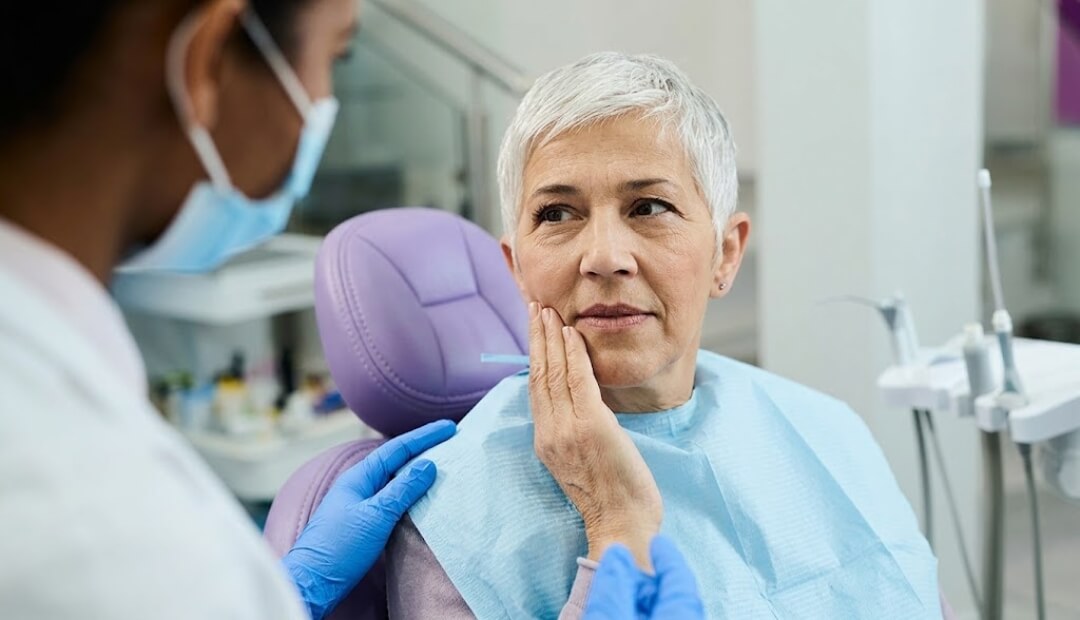
You may wonder, do you lose your molar teeth naturally? You should not naturally lose your permanent molar teeth. Adult molars are designed to last a lifetime. However, they can become damaged due to tooth decay, gum disease, cracks, trauma and certain medical factors. In some cases, you may need to have a molar extracted.
Understanding why your molars can become damaged will help you identify the signs and protect your remaining teeth. Whilst you may worry about losing a back tooth, several options may help restore your ability to chew.
Do You Lose Your Molar Teeth Naturally With Age?
No, you should not normally lose your permanent molars. Unless you have a dental issue or other medical factors, adult teeth should stay in place. As you age your teeth may have experienced more wear, fillings, gum issues and other risks but they will not fall out naturally if they are healthy.
Primary teeth will fall out as permanent teeth start to come through in children. Permanent molars usually come through at around 6 years old (first molar) and 12 years old (second molar). Wisdom teeth may come through later or become impacted.
If an adult loses a molar tooth it is usually due to an issue. Damage to the supporting bone and gum tissue may cause the tooth to become loose. Severe tooth decay can weaken the teeth. The tooth may also become fractured, meaning the dentist cannot repair it. Sometimes a dentist may advise extraction due to infection or damage.
Do You Lose Your Molar Teeth Because of Wisdom Teeth?
Wisdom teeth are your third molars. Some people will never grow them and others will have them extracted as they can become impacted, painful, hard to clean and cause damage to surrounding teeth. This is a dental decision and not a natural loss due to ageing. You can ask your dentist if they would advise monitoring or extracting. The NHS explains when wisdom teeth may need removal and when they can be monitored instead.
Do You Lose Your Molar Teeth More Easily Than Other Teeth?
Sometimes people will ask if they lose their back teeth more easily. Back teeth can suffer from specific issues as they are used for a lot of grinding. The grooves and rough surface can cause food to get stuck.
Molars suffer from a lot of force when chewing. This can cause the teeth to crack if they are weak or have a lot of restorations. They can also suffer from plaque build up in the grooves. You can reduce this risk by using fluoride toothpaste, keeping them clean daily and having regular check ups.
Why Losing a Back Tooth Can Be an Issue
Losing a molar can make it harder to grind your food. If you have lost several back teeth you may find yourself chewing on one side, avoiding certain foods or feeling your bite has changed. The American Dental Association also explains how missing teeth can affect chewing and the position of remaining teeth.
Over time your neighbouring teeth may tilt or move into the gap. The tooth opposite may also move further out of place as it will not meet an opposing tooth during chewing.
Food may also get stuck around the gap. If you are experiencing issues with your bite or cleaning then ask if it would be advisable to replace the tooth.
Common Reasons Why Adults Lose Their Molar Teeth
It is good to understand why you may lose your molars. There are several reasons why a molar can become damaged.
Untreated Tooth Decay
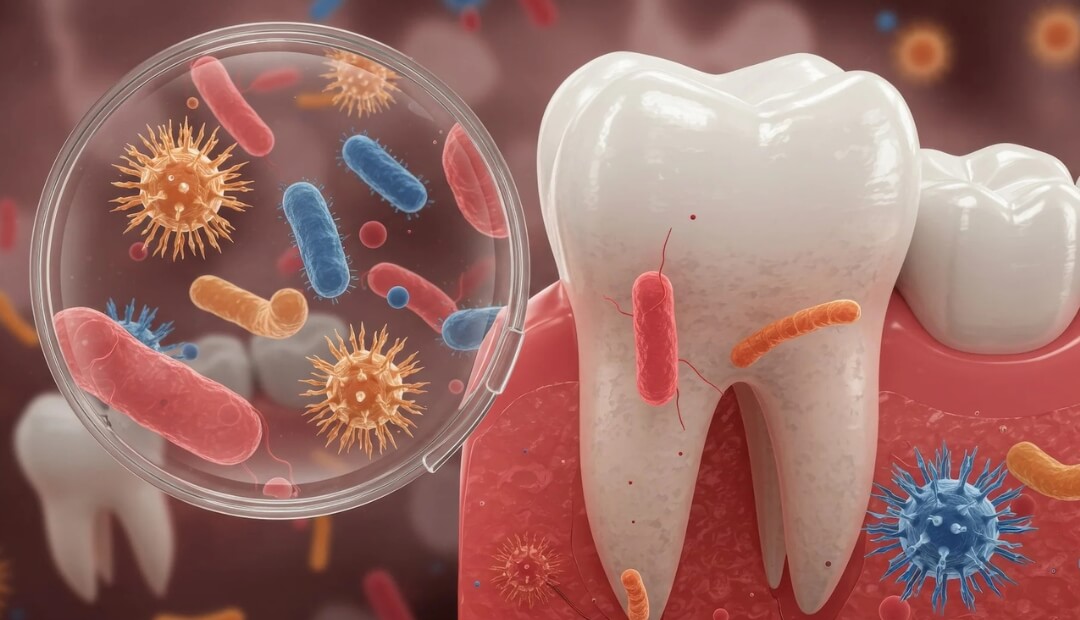
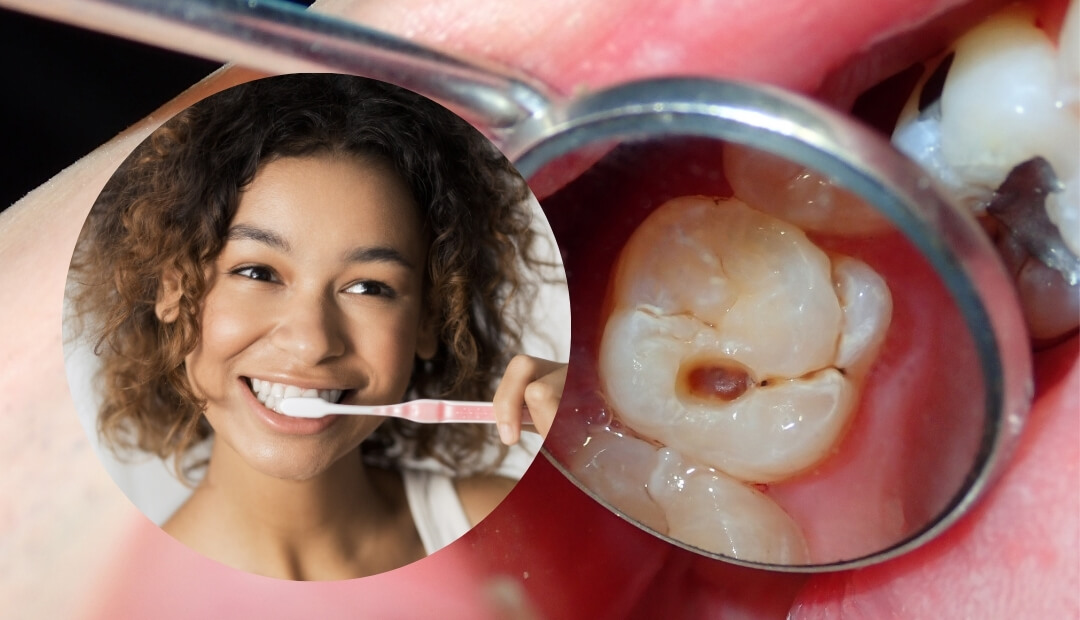
Tooth decay occurs when bacteria in plaque use the sugars from food and drinks to produce acid. This gradually breaks down the teeth. Early decay may not cause any symptoms but as the cavity gets bigger it can cause pain or infection to the inner part of the tooth. The National Institutes of Health explains how bacteria and acids contribute to tooth decay and how untreated cavities can lead to infection and tooth loss.
Depending on how severe the decay is it may be possible to save the damaged tooth with a filling, crown or root canal. If there is not enough healthy tooth to reliably repair the tooth it may need extracting.
Gum Disease and Bone Loss
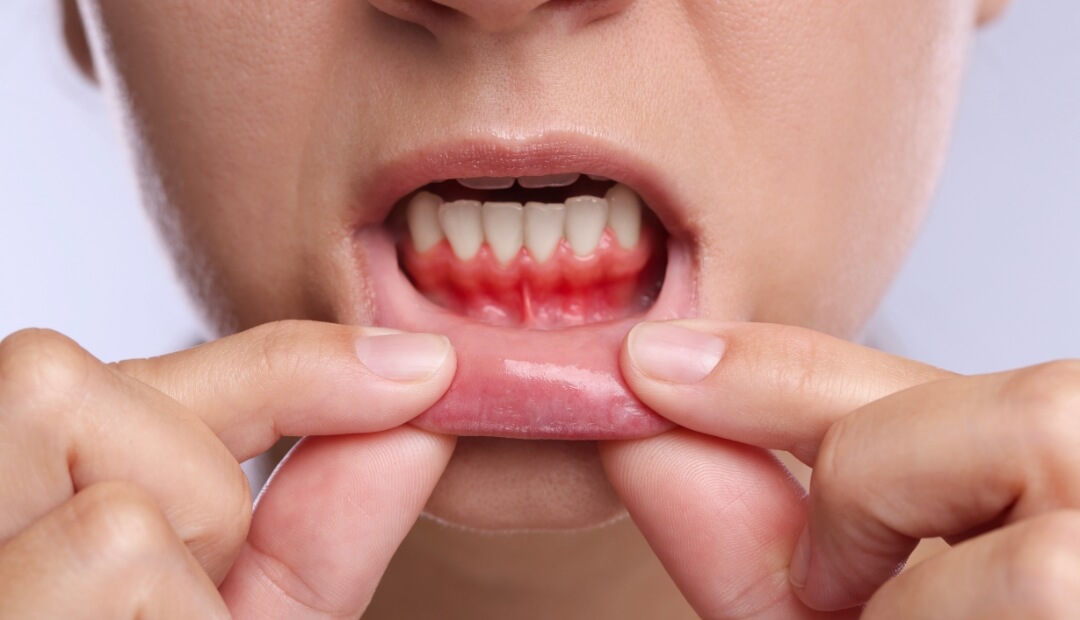
Periodontal disease affects the gums and bones supporting your teeth. It can start with inflamed gums and cause more severe damage to the supporting tissues. As the bone loss occurs the teeth may become loose and need removing.
Gum disease may not cause any significant pain in the early stages. Signs you may notice include bleeding when brushing, bad breath, sensitive gums, receding gums and changes to your bite. Periodontal disease can damage the structures holding your teeth in place (NIDCR). The Centers for Disease Control and Prevention describes how periodontal disease affects the gums and supporting bone.
Cracked Molars
Molars can crack due to biting down on something hard, trauma or grinding. If there is a small crack then it may be possible to repair with a crown. If the molar has cracked below the gum line or into the root it may not be possible to save the tooth. Avoid chewing on a painful tooth until you have had it checked. The American Association of Endodontists explains the different types of cracks and why early assessment can help determine whether a tooth can be saved.
Abscess or Chronic Infection
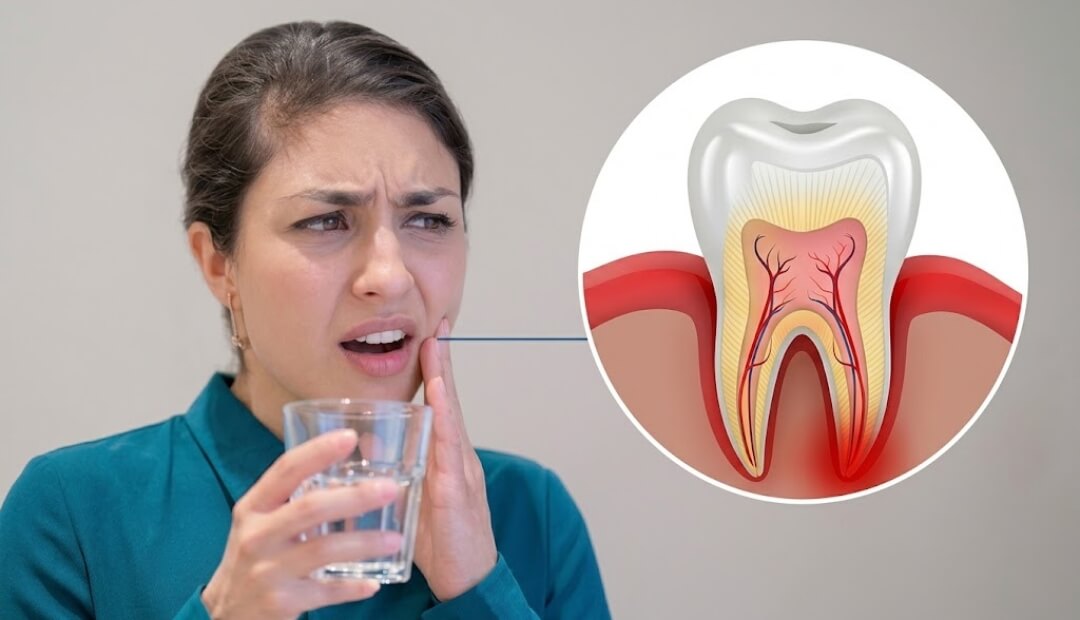
An abscess is a pocket of pus caused by a bacterial infection. This can occur if the tooth has become decayed or cracked allowing bacteria to enter the pulp. Symptoms can include severe or throbbing pain, swelling, sensitivity when biting, bad taste and fever. According to the NHS dental guidance, a dental abscess needs urgent treatment and will not go away on its own.
Some teeth can be saved with a root canal. If there is too much damage then the dentist may need to extract the tooth. If you have swelling on your face and are struggling to breathe or swallow then seek emergency medical help.
Grinding, Clenching and Excessive Bite Force
Grinding or clenching can cause wear to your molars, increasing the likelihood of cracks. Signs you may notice include worn surfaces, sore jaws, headaches in the morning and sensitivity. Your dentist can check how much damage has occurred and if a night guard or restorative treatment would help. The National Institute of Dental and Craniofacial Research provides information about teeth grinding, clenching and their effects on dental health.
Why Your Teeth Can Become More Vulnerable as They Age
Aging teeth refers to changes that can become more apparent over time. They do not necessarily mean you will lose your teeth. Over time your teeth will have experienced chewing, previous dental work, changes in your gum health, dry mouth and wear.
Older fillings and crowns can wear and develop decay around the edges. Teeth with multiple large restorations can become more prone to cracking.
Gum Recession
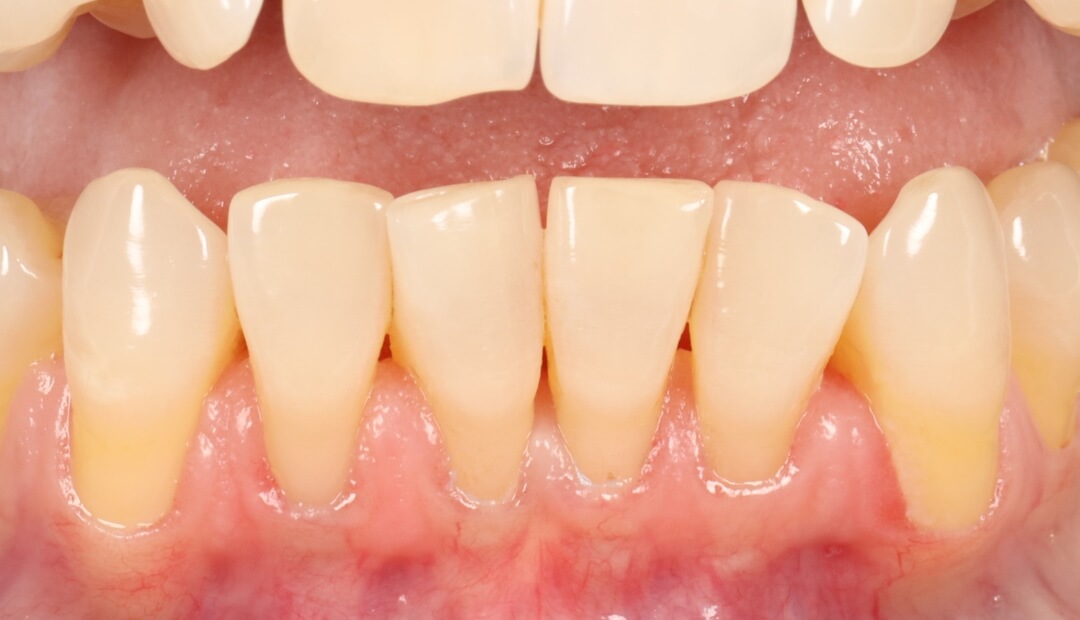
Gum recession can occur due to periodontal disease, over brushing or individual differences in your tissues. This can expose the roots of your teeth. As the roots do not have the enamel covering like the crown they can become more prone to sensitivity and root decay. Gum recession does not necessarily mean you will lose a tooth. It is most important to know the health of the bone and tissues supporting the tooth. The Cleveland Clinic explains how gum recession exposes tooth roots and discusses possible treatments.
In some cases a periodontist may discuss having a gum graft to cover the exposed roots. Your dentist can check how deep your gum pockets are, if they are inflamed, if the teeth are loose and if there are signs of bone loss. Treating gum disease and improving your home care can help reduce further damage.
Dry Mouth
Saliva helps to wash food from your teeth, neutralise acids and protect the teeth. If you suffer from a dry mouth then you will not have as much natural protection and can become more prone to cavities. This can cause decay around the gum line and exposed roots.
A dry mouth can result from medication, dehydration, medical conditions or treatments affecting your salivary glands. It is not a natural part of ageing. Persistent dryness should be taken note of (NIDCR). The National Institute of Dental and Craniofacial Research explains the causes of dry mouth and how reduced saliva can increase the risk of tooth decay. Speak to your dentist or physician to find out why you may be suffering from a dry mouth. Never stop taking medication without medical advice.
Signs Your Molar May Need Treatment
Your molar can suffer significant damage before it becomes visibly loose. If you notice any of the following symptoms then book an appointment with your dentist.
- Pain when chewing or opening your bite.
- New or increased sensitivity to cold, heat or sweet foods.
- Visible hole, dark spot or break in the back tooth.
- Swelling, bleeding or sensitivity around the gum line.
- Loose or shifted tooth.
- Persistent bad taste, pus or recurring swelling around a tooth.
- Pain waking you from sleep or without an obvious cause.
Whilst this does not necessarily mean you will need to have it extracted it is best to have an examination. Dental x-rays can help identify any decay, cracks, infection or bone loss. Early diagnosis can help give you more options.
Can You Save a Molar Before You Lose It?
If there is enough healthy tooth left and the supporting tissues are suitable your dentist may recommend saving your molar. The best option will depend on the location, severity, root health and overall oral health.
Fillings, Crowns & Root Canals
If there is not too much damage then a filling can repair a cavity. If there has been a lot of damage to the tooth a crown can cover and protect it. Some teeth with large fillings or cracks can also benefit from a crown. If the pulp of the tooth has become infected or inflamed beyond repair then a root canal can remove the affected tissue and allow the dentist to repair the tooth.
Not all teeth are suitable for these treatments. If there is a vertical root fracture, severe bone loss or a lot of damage below the gum line then the molar may not be repairable. Your dentist should be able to explain why they recommend a certain treatment. If it is a complicated decision then asking for a second opinion may be a good idea.
What Happens After You Lose Your Molar Teeth?
If you cannot save your molar your dentist can discuss with you if it would be beneficial to replace it. This will depend on which tooth you have lost, the health of neighbouring teeth, bone and gum health and your personal preferences. Not all missing back teeth will need the same treatment.
Dental Implants
Dental implants can be placed into the jawbone to provide a fixed replacement tooth. This will depend on how much bone you have, gum health, general health and hygiene. This is a surgical treatment.
Dental Bridges
A bridge can replace a missing tooth. This involves attaching an artificial tooth to neighbouring teeth. Traditional bridges require shaping so your dentist needs to check the neighbouring teeth.
Partial Dentures
A partial denture can replace one or more missing teeth. This is a removable option. It is important to ensure it fits well and you can clean it. You may also need to adjust it periodically.
Sometimes leaving a gap may be a good option. However it is important to make an informed decision. Ask if losing the molar will affect how you chew, neighbouring teeth or the opposing tooth. Oral health is still very important through adulthood (NIA).
How to Protect Your Molars and Other Aging Teeth
By keeping up good preventative measures you can reduce unnecessary decay and damage to your gums.
- Brush twice a day for 2 minutes using fluoride toothpaste and a soft bristled brush.
- Floss or use an interdental cleaner daily to clean between your teeth.
- Pay extra attention to the grooves and chewing surfaces of your back teeth.
- Limit eating sugary foods and drinks frequently.
- Drink plenty of water. If you suffer from persistent dry mouth speak to a healthcare professional.
- Avoid smoking as this can increase your risk of gum disease and other oral health issues.
- Ask your dentist if fluoride treatments or dental sealants would be suitable for your risk.
- Attend regular dental appointments.
Brushing with fluoride toothpaste and cleaning between your teeth are key to preventing issues (NIDCR). The National Institute of Dental and Craniofacial Research provides practical guidance on brushing, cleaning between teeth and routine dental care. If you suffer from arthritis or weak hands then an electric toothbrush, larger brush handle or floss holder may help. Your dental hygienist can show you practical options.
When Should You See a Dentist If You Lose Your Molar Teeth?
If you are experiencing any pain, looseness, cracking or new sensitivity in your molar then book an appointment. If you have bleeding gums, swelling or difficulty chewing then you should also get these symptoms checked.
If you are suffering from severe pain, swelling on your face, fever with dental pain or suspect you have an abscess then seek urgent care. If you are struggling to breathe or swallow due to swelling in your mouth or face then this is an emergency. Regular check ups can help identify any decay or gum disease early.
Do You Lose Your Molar Teeth as You Get Older?
No, your permanent molars are meant to last. Usually losing a molar is due to a dental issue. Common reasons for losing a molar include tooth decay, periodontal disease, fractures and infection.
Similarly, you will not necessarily lose your back teeth as you age. Whilst ageing teeth can cause issues such as dry mouth, worn restorations and gum recession they can be prevented, diagnosed early and treated appropriately to help many adults keep their natural teeth.
If you are noticing any changes to your chewing, sensitivity, gums or stability then speak to a dentist. They can check if your molar can be saved.
What Could Help Protect Your Aging Teeth?
Changes in your teeth and gums may have more than one explanation. Discover another perspective on supporting oral health as you get older.
Explore the proposed mineral-focused approach, what its claims mean, and why evidence-based dental care remains essential.