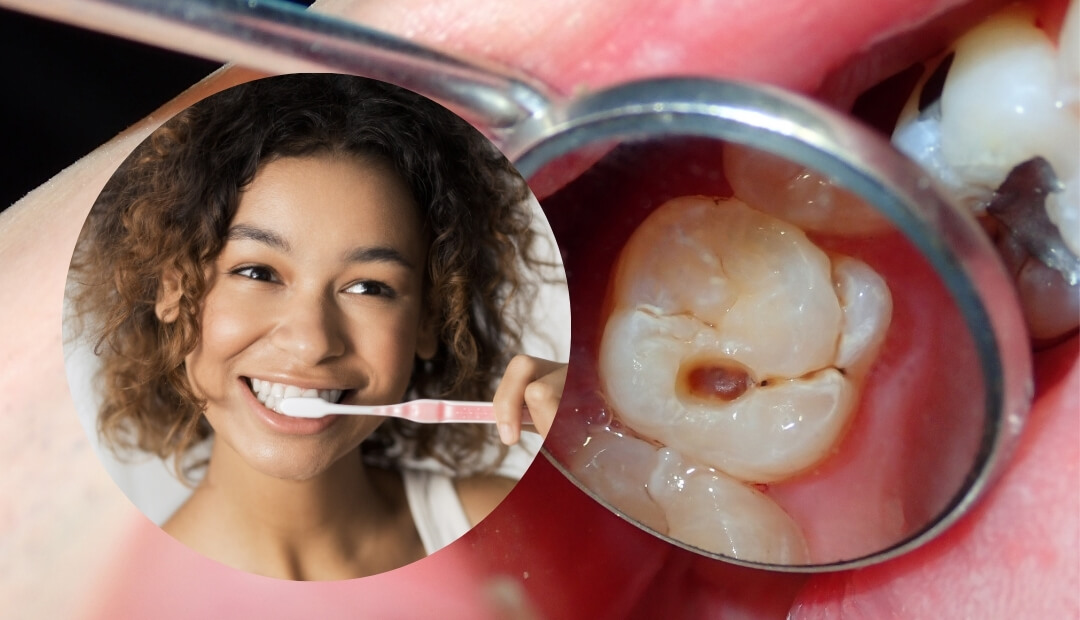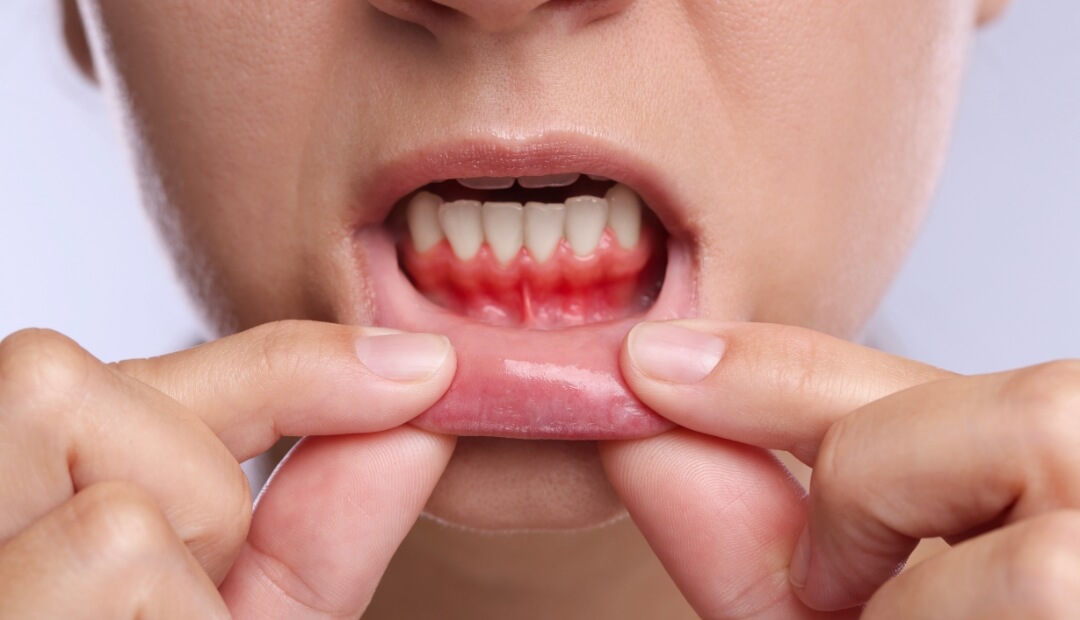








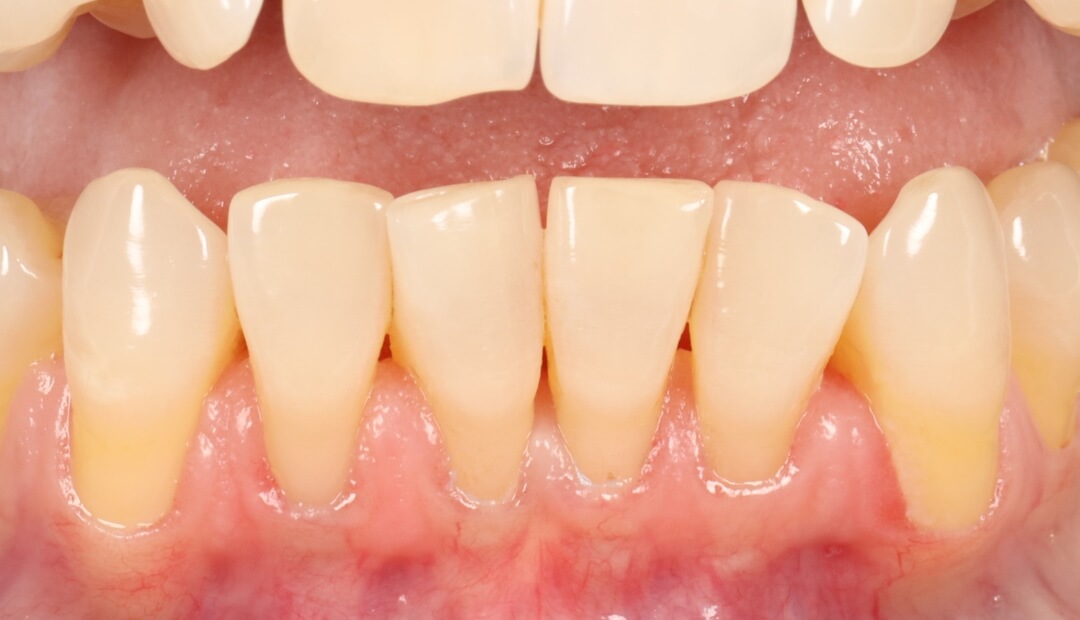
Are you noticing your teeth appearing longer and your gums receding? Maybe you are also noticing sensitivity to cold drinks or seeing more of your tooth roots when you smile. You may be wondering about repairing receding gums.
Gum recession can be very frustrating and causes changes to your smile and can make everyday tasks uncomfortable. It can also leave you confused about what has caused your gums to recede. Understanding the cause is key to finding the right treatment.
There are a variety of treatments available to help manage gum recession and protect your tooth roots. However, not all treatments will repair receding gums. The right treatment will depend on why your gums have receded, how much they have receded and the state of your supporting tissues.
Can You Repair Receding Gums?
Often receding gums can be treated. However, the amount of tissue loss will determine how much improvement can be achieved. Minor recession may simply require monitoring, improving your brushing technique and treating any gum related issues. More severe recession may require treatment from a periodontist.
Unfortunately, lost or receded tissue will not naturally regenerate. Unlike other tissues, your gums will not naturally regenerate to cover your tooth roots. Therefore, there is no guaranteed way to repair your gums using home remedies.
However, there are professional treatments which can help to cover your root surfaces and improve the appearance of your gums. One popular treatment is gum grafts. There are also a variety of treatments available which can help protect your sensitive root surfaces. Your dentist can advise you on which treatment is best for your gums. Find out more about gum recession from the Cleveland Clinic.
Why Do Gums Recede?
It can help to understand why your gums have receded to know how to approach repairing receding gums. There are a variety of reasons why your gums may recede.
1. Gum Disease and Bacterial Build Up
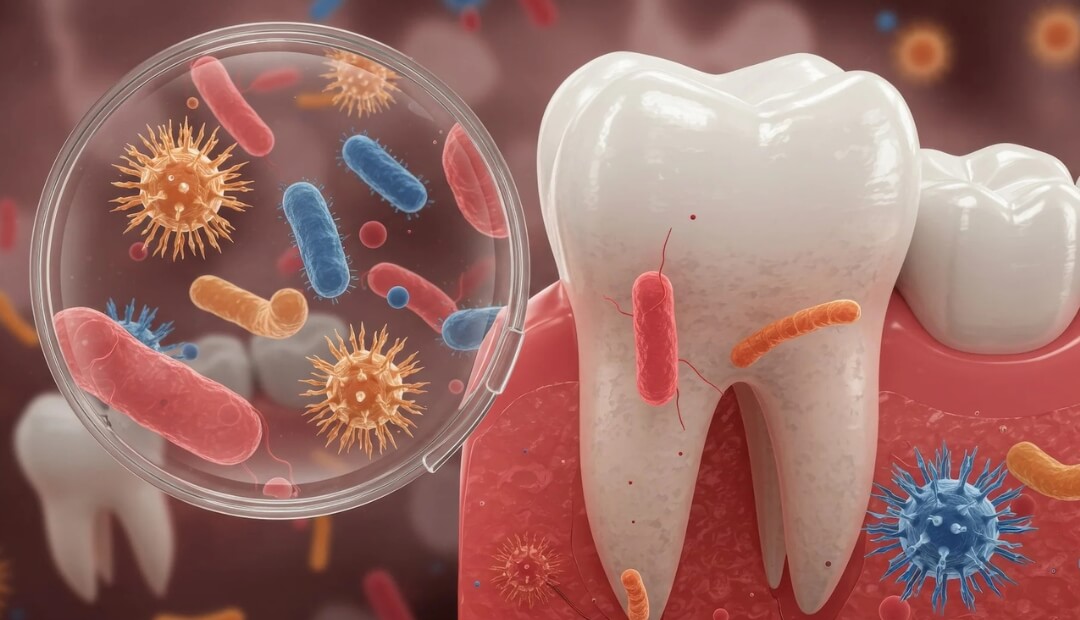
One of the most important causes of damage to your gums and supporting tissues is periodontal disease. This occurs due to bacterial build up in plaque causing inflammation around your teeth. If left untreated, this can cause damage to your supporting tissues and bone.
As periodontal disease progresses, your gums may start to recede. You may notice bleeding whilst brushing, bad breath, inflamed gums and loose teeth. Some people may not experience any symptoms even with severe periodontal disease.
Periodontal disease can cause damage to your supporting tissues. It is vital to treat this issue before considering any treatments to repair your gums. The National Institute of Dental and Craniofacial Research provides more information about gum disease and its effects.
2. Brushing Too Hard
Brushing too hard can cause irritation and damage to your gums. If you have thin or sensitive gums and use a firm bristled toothbrush, or brush too hard, this can cause excess abrasion.
Brushing harder will not remove more plaque from your teeth. Use a soft bristled toothbrush and brush gently. Your dentist can show you the best technique for cleaning the areas where your gums have changed. The American Dental Association recommends using a soft-bristled toothbrush and gentle pressure.
3. Thin Tissues and Family History
Some people will naturally have thin tissues around their teeth. This can cause certain areas to be more prone to receding.
Whilst family history can be useful to know, it will not give you a clear indication of how your gums will change. Your dentist can assess how thick your tissues are, how your teeth are positioned and how much recession you have.
4. Teeth Position and Orthodontics
If your teeth are positioned outside of the normal arch, you may have less protective tissue around them. In some cases, orthodontic movement can also affect your gum line. This is more likely if your gums are thin.
If you are noticing any changes whilst wearing orthodontic appliances, or after treatment, speak to your dentist or orthodontist. They can assess whether your teeth positioning is causing any issues.
5. Smoking and Certain Health Issues
Smoking and other tobacco products can increase your risk of periodontal disease. Tobacco can also cause issues with healing.
Poorly controlled diabetes can increase your risk of gum disease. Certain medications can also affect your oral health. Share your medical history with your dentist to help guide the right treatment. The Centers for Disease Control and Prevention explains how diabetes can affect gum health and healing.
How To Spot Early Signs Of Receding Gums
Gum recession often occurs slowly and can be difficult to spot early on. However, by paying attention to any small changes you may be able to get your gums checked earlier.
Common signs of receding gums include:
- Longer looking teeth – More of your teeth are visible due to your gums moving down.
- Exposure of your tooth roots – You may notice yellow or darker areas at the bottom of your teeth.
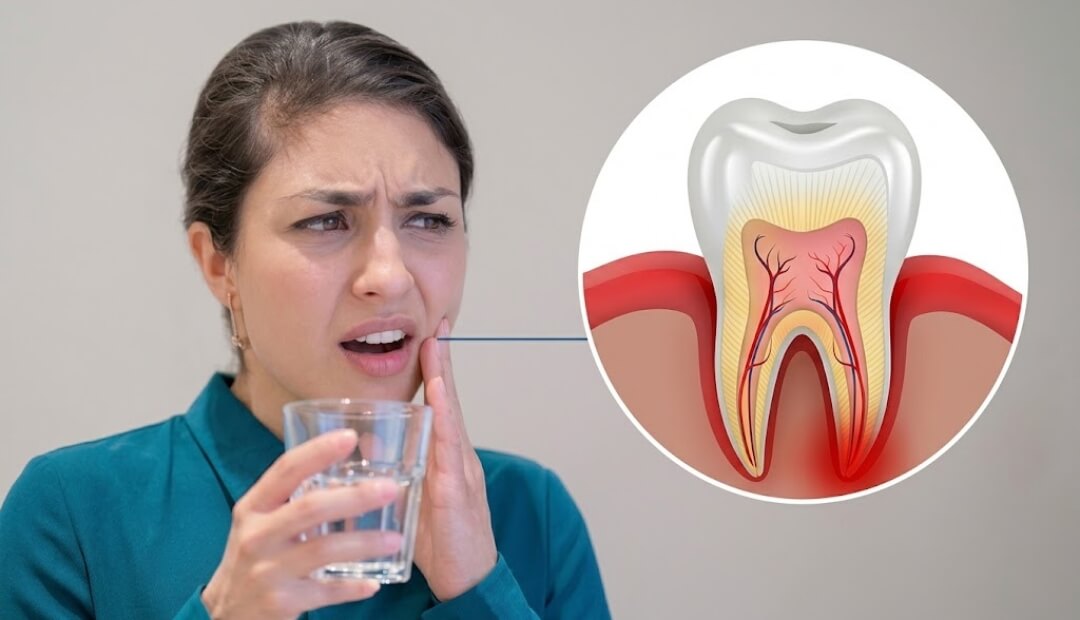
- Sensitivity – Cold drinks, hot food, sweet foods and brushing can cause discomfort.
- Uneven gum line – One tooth may look like there is less gum around it compared to others.
- Spaces between your teeth – You may notice small gaps becoming more obvious.
- Bleeding – This can indicate there is an issue with your gums.
Not all of these symptoms will indicate you have receding gums. These can also be caused by tooth decay, worn enamel, inflammation and other dental issues. The best way to find out the cause is to get your gums checked by a professional. The Centers for Disease Control and Prevention also lists common warning signs of gum disease.
Why It Is Important To Repair Receding Gums
Your gums do more than just create a nice shape around your teeth. They also help protect your root surfaces.
When your gums recede, your root surfaces will be exposed. Unlike your crown which is protected by enamel, your root surface has a thin layer of protection known as cementum. This can cause sensitivity and decay to occur on your exposed areas.
Some people will become more aware of their smile. Your teeth may look uneven and certain areas will look longer. This can cause confidence issues when speaking, taking photos and socialising.
By addressing gum recession, you can help protect your exposed root surfaces and treat any underlying periodontal issues. This can help you keep your natural teeth.
What Are The Best Professional Treatments For Repairing Receding Gums?
The right treatment for repairing receding gums will depend on how severe your gums have receded and what has caused them to. Some people may require preventative treatments. Others may require periodontal treatments to help protect your exposed root surfaces.
1. Professional Clean and Deep Cleaning
If your gums are inflamed due to plaque and tartar build up, a professional clean can help. Your dentist or hygienist can clean around your gum line and identify areas which need extra attention.
If you have periodontal disease affecting deeper tissues, your dentist may recommend scaling and root planning. This removes plaque and tartar from underneath your gums and smooths your root surfaces.
This will not replace your lost gum tissue but can help prevent further damage by controlling your periodontal disease. Often treating active inflammation is an important step.
2. Gum Graft
Gum grafts are one of the most popular surgical treatments for severe gum recession. Your periodontist will place extra tissue around your affected tooth. This can be taken from the roof of your mouth, a suitable area or an approved donor.
This can help to cover your exposed root surfaces, increase the thickness of your tissues and improve the appearance of your gums. It can also help protect your sensitive root surfaces. The American Academy of Periodontology explains how gum graft surgery can cover exposed roots.
There are a variety of graft techniques available. Your periodontist will assess your surrounding tissues and explain which technique will give you the best outcome.
This does not guarantee full coverage of your root surfaces. This will depend on how severe your recession is, the type of tissues and supporting structures. Your specialist will also explain how long your gums will take to recover.
3. Pinhole Surgical Technique
The pinhole surgical technique is a minimally invasive treatment which may be suitable for certain patients. This involves creating a small hole in your gums. Your specialist will carefully move your existing tissue to cover your exposed root surfaces.
This can help to reduce the need for a donor site. However, it will not be suitable for all types of recession. A clinical trial published in PubMed compared the pinhole technique with a traditional gum graft approach.
Ask your periodontist about the evidence, expected outcome, limitations and long term stability of this treatment.
4. Dental Bonding
In certain cases, dental bonding can be used to cover your exposed root surfaces. This can improve the appearance of your gums.
This will not replace your lost gum tissue. It will not treat periodontal disease or all causes of sensitivity. However, your dentist may recommend this if your main concern is a localised exposed root.
5. Fluoride Treatments
If your root surfaces are causing sensitivity, a fluoride varnish or other professional product can help. Desensitising toothpaste may also help some people.
This can help improve comfort but will not replace lost gum tissue. If you continue to have sensitivity, your dentist should check for any decay, cracks or dental issues.
Can You Support Repairing Receding Gums Naturally?
Many people will look for natural ways to support repairing receding gums. Whilst there are ways to look after your gums at home, there is no proven way to naturally replace lost gum tissue.
Using a soft bristled toothbrush will help keep your gums healthy. Avoid brushing too hard around your gum line. Use gentle movements to clean all your teeth.
If you are unsure whether your brushing technique is causing your gums to recede, ask your dentist to assess your technique. Small changes may help improve your comfort whilst cleaning.
Use a fluoride toothpaste. This will help strengthen your enamel and protect your teeth. Brush twice a day and take care when brushing around your gum line.
Fluoride can also be useful if you need to protect your exposed root surfaces. However, your dentist may give you different recommendations depending on your dental condition.
Clean Between Your Teeth Daily
Brushing alone will not remove all plaque between your teeth. Use floss or interdental brushes of the correct size. The American Dental Association explains how cleaning between your teeth helps remove plaque from areas a toothbrush cannot reach.
If your gums are sensitive, ask your hygienist to show you a comfortable technique. Avoid forcing floss or interdental brushes into tight spaces as this can cause irritation.
Avoid Tobacco
Smoking can increase your risk of periodontal disease and can cause issues with healing. Taking steps to quit can help improve your oral health.
If you need help quitting, ask your healthcare professional for the right support. This can help improve many aspects of your health.
Eat A Healthy, Balanced Diet
Eating a healthy, balanced diet will provide your tissues with the nutrients they need to function normally. Try to eat plenty of vegetables, fruits, protein and calcium rich foods.
Vitamin C is important for normal collagen formation and healthy connective tissue. However, eating certain foods or taking supplements will not replace your lost gum tissue.
Do Natural Remedies Help Repairing Receding Gums?
Some natural remedies claim to help reverse gum recession. However, many of these claims cannot be backed up by scientific evidence.
Saltwater Rinse
A mild salt water rinse can help soothe irritated gums. However, this will not remove any hardened tartar, treat severe periodontal disease or replace your receded gum line.
Oil Pulling
Swishing oil around your mouth for several minutes can be used by some people as part of their oral hygiene. However, there is not enough reliable evidence to say this can reverse gum recession.
Herbal Mouthwash
Some herbal products claim to help your gums and reduce inflammation. These can vary in ingredients and should not be used as a replacement for any periodontal treatment.
If you want to try a new oral care product, check the ingredients and ask your dentist. Avoid any products which cause irritation or make unrealistic claims about replacing your gums.
Can Vitamins And Minerals Help?
Having enough vitamins and minerals such as vitamin C and calcium can help your tissues function normally. This can help protect your teeth.
Calcium and phosphate are important minerals in your teeth. Fluoride can help strengthen your enamel. However, this will not replace your lost gum tissue.
If you are lacking in nutrients, correcting this can help improve your general health. However, taking extra supplements will not help treat your gums.
Be wary of products claiming to regenerate your gums using minerals. Regenerating your teeth using minerals is a different process to replacing lost periodontal tissue. Any treatment claiming to reverse existing recession should have evidence to back this up.
How Long Does Repairing Receding Gums Take?
The amount of time it takes to manage your gum recession will depend on the treatment. Improving your brushing technique and controlling plaque is an ongoing process. Your dentist may monitor your gum line over several appointments.
A professional periodontal treatment may take several appointments depending on how severe your disease is. After scaling and root planning, your gums will need time to heal. Your dentist will assess how your gums are reacting.
Gum grafts will also take time to heal. Often it can take several weeks for your gums to start to heal. Full maturation can take longer. Your periodontist will give you advice on what you can eat, brush and how to protect your gums.
There is no set time frame for repairing your gums. How much tissue you have, the treatment and how you heal will all affect how much improvement you will see.
How Can I Prevent My Gums From Receding?
Whilst you may not be able to reverse your gum recession using daily care, it is important to protect the remaining tissue. By having a routine you can help reduce many factors.
- Brush twice a day using a soft bristled toothbrush.
- Brush gently.
- Clean between your teeth daily.
- Use a fluoride toothpaste.
- Attend regular check ups and cleans.
- Treat any bleeding, swelling or ongoing bad breath.
- Avoid smoking.
- Follow your dentist’s advice if you have periodontal disease.
If you have had gum recession, your dentist may recommend more regular monitoring. This can help spot any changes early and whether further treatment is needed.
When Should I See A Dentist?
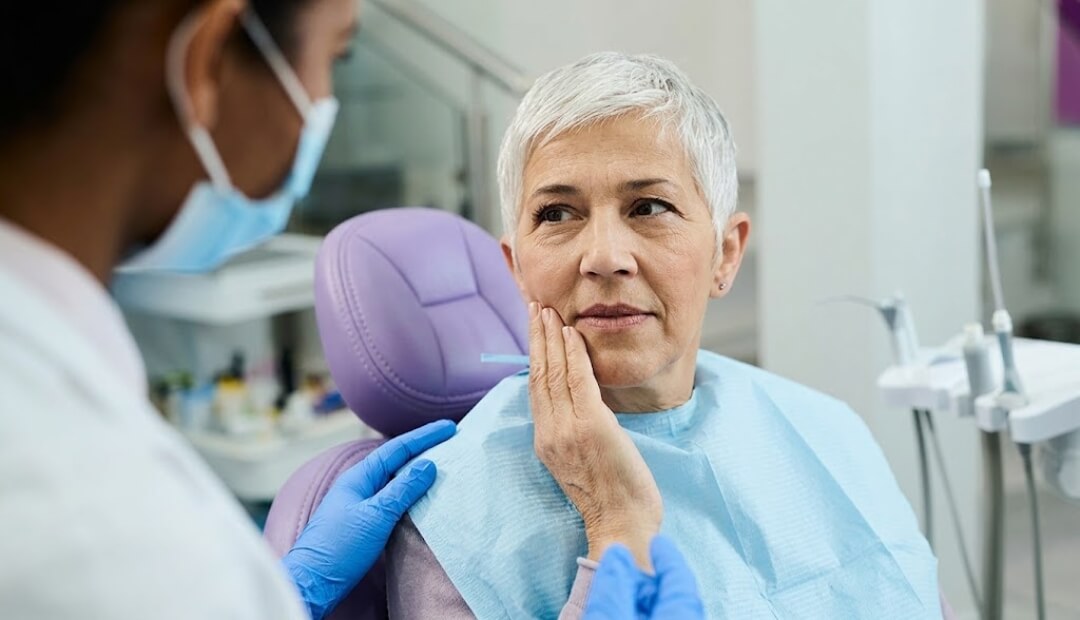
Book an appointment with your dentist if you are noticing your teeth looking longer or your gum line changing. If you are noticing exposed roots, ongoing sensitivity, bleeding or swelling you should also see a dentist.
Don’t wait until you are in discomfort. Periodontal disease can often develop with little pain. Getting treatment early can help protect your supporting tissues.
If you are noticing loose teeth, severe swelling, pain or pus around your gums you should see a dentist as soon as possible. This can indicate an infection or severe periodontal issue.
Find out more about the common warning signs of gum disease from the NHS.
What Will Happen At My Appointment?
Your dentist will check your gum line to see if you have any exposed root surfaces. They may use a periodontal probe to measure the spaces around your teeth.
They may also ask about your brushing, sensitivity, tobacco use, medical conditions and previous treatments. They may also recommend X-rays to see if there is any possible bone loss or underlying issues.
This will help determine whether you need preventative treatments, periodontal treatments or a procedure such as a gum graft. It will also help your dentist identify if it is gum recession or another issue causing changes to your teeth.
The Right Treatment For Repairing Receding Gums
Gum recession can affect your smile, expose sensitive root surfaces and increase your risk of certain dental issues. Whilst lost gum tissue will not naturally regenerate, there are a variety of professional treatments which can help protect your teeth and improve the appearance of your gums.
The best treatment will depend on what has caused your gums to recede and how much tissue has been lost. Professional cleaning, periodontal treatments, gum grafts and protective treatments all have different purposes and limitations.
Having a daily routine can help protect your remaining tissue. Use gentle brushing techniques, clean between your teeth, avoid tobacco and follow your dentist’s advice.
Don’t rely on home remedies or products claiming to give instant results. Seeing a dentist can help identify the cause of your recession and explain what realistic options are available. This can help give you a clearer outlook to protecting your smile.
Could This Help Explain Why Your Teeth Look Longer?
Discover what may be contributing to gum recession and why some approaches protect exposed roots while others cannot restore lost gum tissue.
Explore the proposed mineral-based approach, what it may offer, and how to distinguish promising ideas from proven dental treatments.