







Understanding the Main Reason for Sensitive Teeth
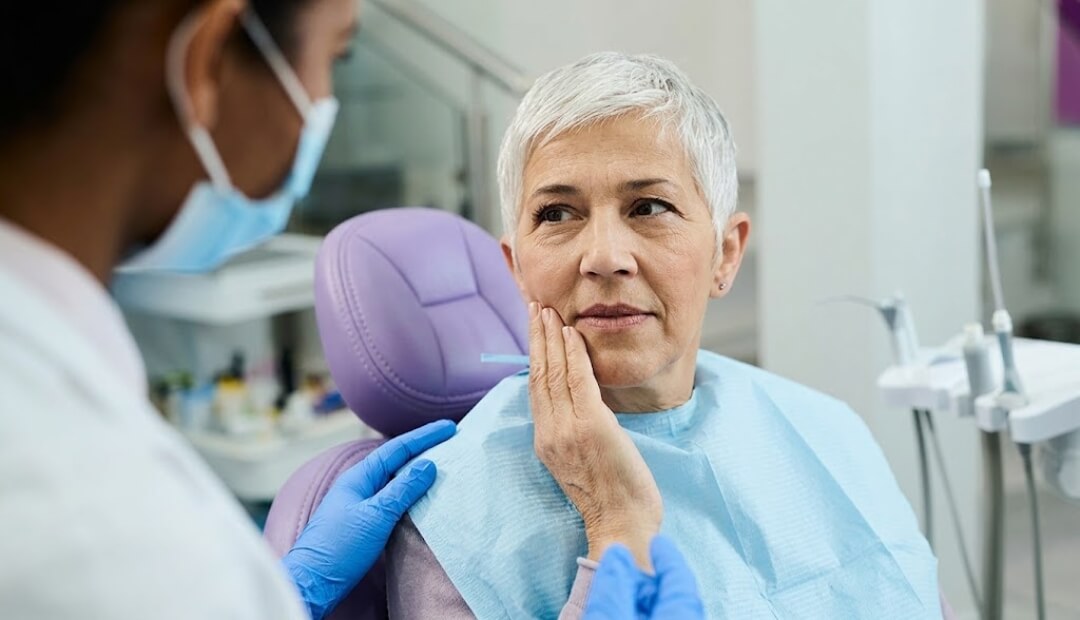
You might feel a nice refreshing feeling when you drink a cold glass of water. However, if you suffer from sensitive teeth, you might find that you get a shock of pain. This can make you avoid foods and drinks such as ice-cream, cold drinks and sweet foods. This may leave you wondering about the reason for sensitive teeth.
You might be wondering why you’re getting sensitive teeth and whether your enamel is being worn away. It could be due to your gums receding, cavities or your brushing technique. Understanding what is causing your sensitive teeth can help you know whether to make some lifestyle changes or visit your dentist.
Tooth sensitivity is a symptom and there are many reasons why you could be experiencing sensitivity. It is important to understand the cause so you can choose the correct treatment.
Main Reasons for Sensitive Teeth and Their Causes
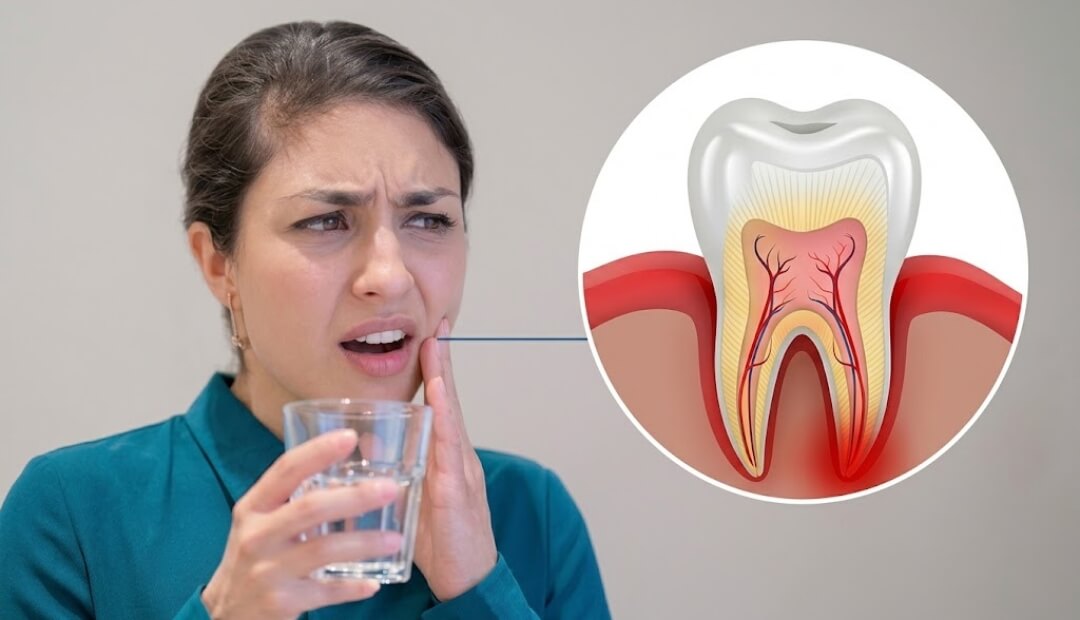
A common cause of sensitive teeth is exposed dentin. Enamel is the hard outer layer of your teeth that protects the crown. Cementum covers the root of your tooth which is below your gums. Dentin sits under this layer and contains tiny tubes.
Identifying the reason for sensitive teeth can help you understand why certain foods and drinks trigger discomfort.
If your enamel is worn away or your gums are receding, dentin could become exposed. This can cause pain when consuming cold drinks, hot foods, sweet foods and acidic foods as they stimulate the tiny tubes. This is often a short-lived pain.
There are many reasons why you could be suffering from sensitive teeth. Cavities, cracked teeth, broken fillings and gum disease can all cause sensitive teeth. There are many causes of sensitive teeth according to the American Dental Association.
If your teeth are sensitive due to exposed dentin, using a sensitive toothpaste may help. However, this won’t fix cavities or infected teeth. Understanding the cause will help avoid unnecessary treatments.
7 Common Reasons for Sensitive Teeth
1. Enamel Wear & Acidic Foods: A Reason for Sensitive Teeth
Enamel is the hard outer layer of your teeth protecting the visible part. Whilst it is very strong, it can wear away over time due to exposure to acids. This can cause your dentin to become more sensitive to temperature changes. The American Dental Association explains how exposure to acids can contribute to dental erosion.
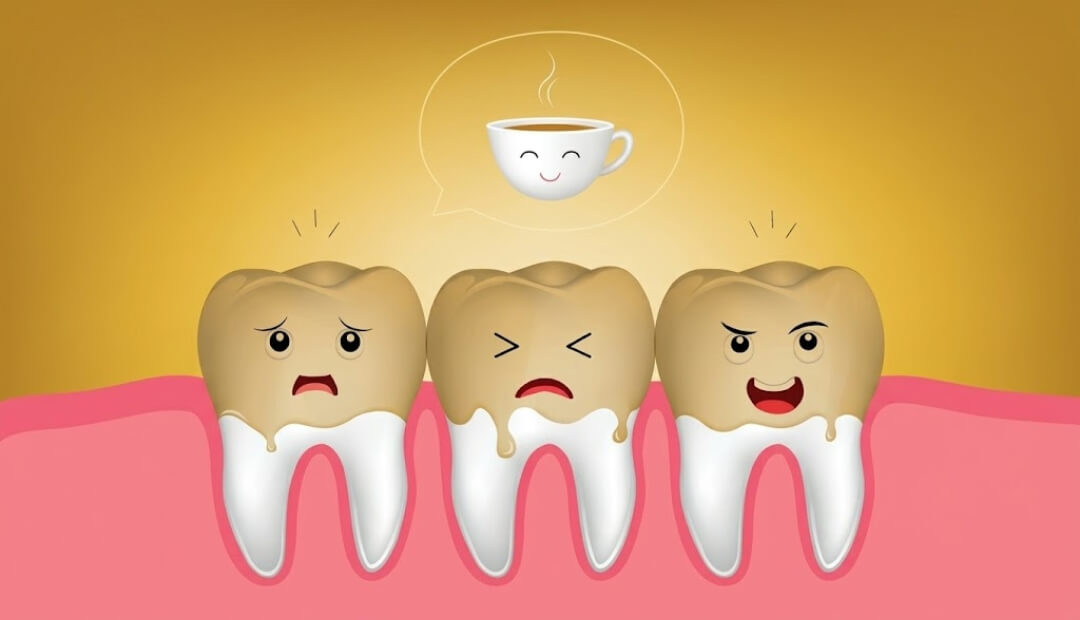
Common acidic foods in our diets include citrus drinks, fizzy drinks, sports drinks, vinegar based foods and frequent acidic snacks. Stomach acid can cause enamel to wear away if you suffer from frequent acid reflux or vomiting.
Brushing too hard can make your problem worse. Using a hard bristled brush or abrasive toothpaste can cause enamel to wear away. Once enamel has worn away it won’t grow back.
Use a soft bristle brush and brush your teeth gently. Try to rinse your mouth with water after consuming acidic foods or drinks. This will give your saliva a chance to help your mouth return to normal.
2. Receding Gums & Exposed Roots: Another Reason for Sensitive Teeth
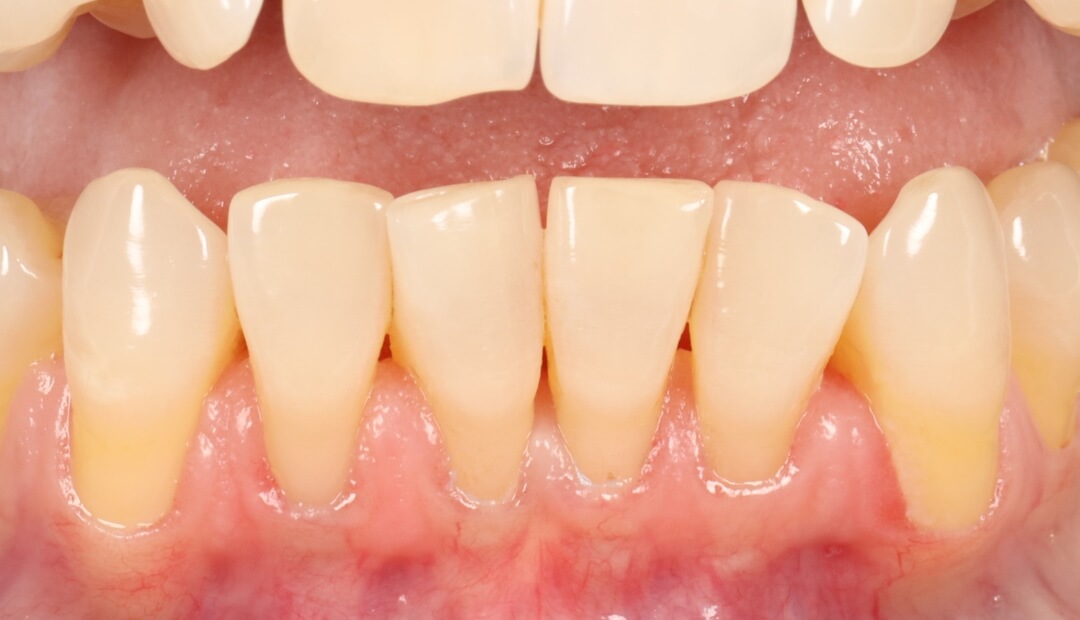
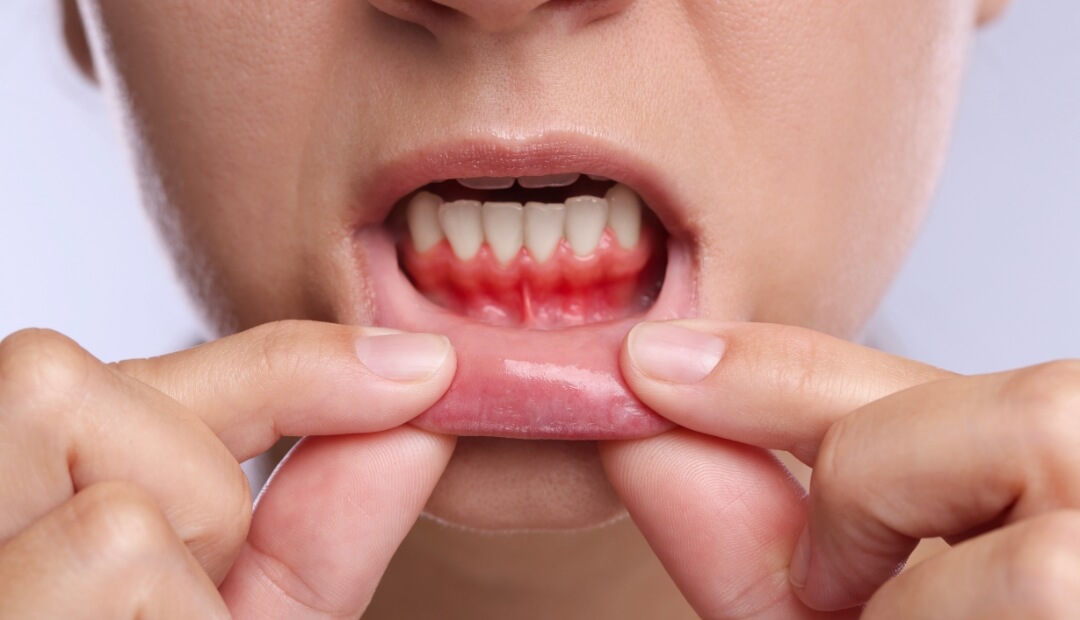
Gums protect the root of your teeth. Over time your gums can recede meaning your roots become exposed. These don’t have a thick layer of enamel like the crown.
You may notice that one or more of your teeth look longer. Some people can suffer with pain near their gums when they drink cold water or brush their teeth. However, you may not suffer with any pain but notice your gums changing.
In these cases, the reason for sensitive teeth may be the exposed roots rather than damage to the visible enamel.
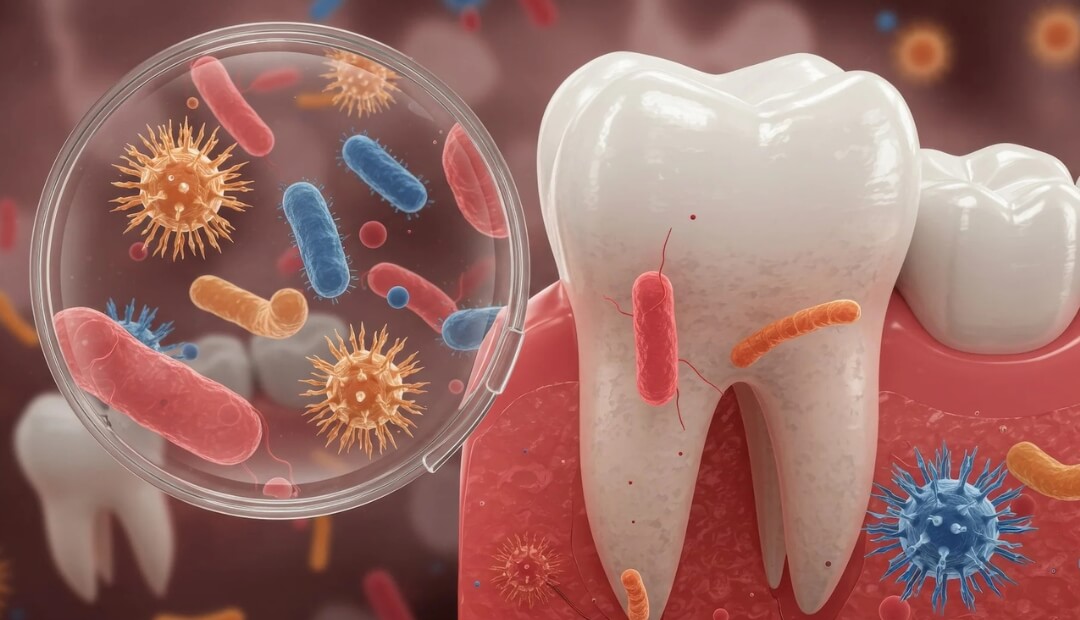
Many factors can cause receding gums. This can be due to periodontal disease, brushing too hard and naturally thin gums. Plaque can cause irritation to your gums as it contains bacteria. This can cause Gum Disease
If left to build up.
Gum disease affects the tissues supporting your teeth according to the National Institute of Dental and Craniofacial Research. Your dentist can check your gums to see if you need professional cleaning or further treatment for your periodontal disease.
3. Cavities
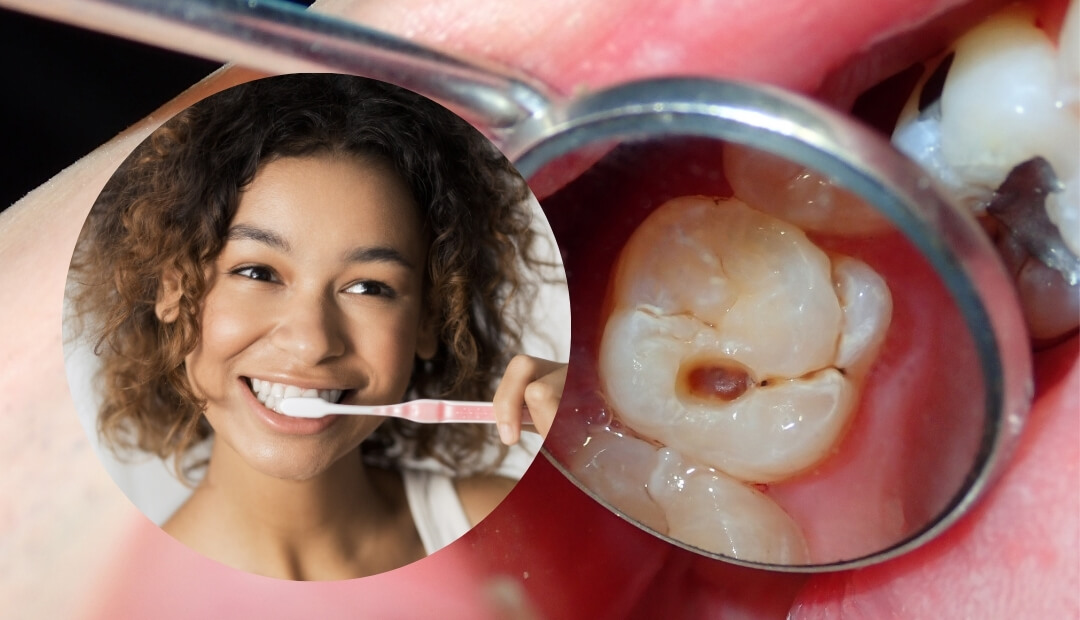
Cavities can cause sensitive teeth. If you are suffering with pain around one tooth, it could be due to a cavity. Cavities are caused by bacteria in plaque creating acids that cause damage to your enamel. If the decay gets worse it can reach your dentin and eventually pulp. The National Institute of Dental and Craniofacial Research explains how tooth decay develops and can lead to cavities.
Early stage cavities may not cause any symptoms. However, as the damage gets worse you may notice sensitivity when consuming cold drinks, sweet foods or pressure when chewing. Sometimes the pain can become more persistent the closer the damage gets to the nerve.
Brushing your teeth well can help reduce the risk of you getting cavities. However, if you already have a cavity your dentist may suggest a filling or restoration.
If you are regularly suffering with pain in one tooth, don’t assume a special toothpaste will help. Book an appointment with your dentist so they can check for cavities and suggest the right treatment.
4. Cracked Teeth & Broken Fillings
A small crack can cause sensitivity. This can be difficult to see in the mirror. Cracks can occur if you bite down on something hard, suffer an injury or put pressure on your teeth. Old fillings can also become worn, broken or loose.
You may suffer with sharp pain when biting down or when releasing pressure after chewing. Some cracked teeth can also cause sensitivity to hot and cold. This can be an on/off issue making it hard to identify without visiting your dentist. The American Association of Endodontists describes these symptoms and explains why early assessment matters.
Don’t ignore regular pain in one tooth. Your dentist can check your tooth to see if you need a filling, crown, bonding or other treatment. This will depend on where the damage is.
5. Grinding & Clenching
You may be unknowingly grinding or clenching your teeth whilst sleeping. This can cause pressure on your teeth and cause your enamel to wear away. Excessive grinding can cause cracks, broken restorations and jaw pain.
Symptoms can include flattened edges, sore jaw in the morning, headaches and sensitivity. However, this doesn’t necessarily mean you are grinding your teeth. Visiting your dentist can help identify signs of wear. The National Institute of Dental and Craniofacial Research provides further information about bruxism and its effects on teeth.
If you are grinding your teeth your dentist may suggest using a custom made mouthguard at night. You can also discuss any factors that may be causing this such as stress. Protecting your teeth can help avoid further damage. This will depend on your individual circumstances.
6. Recent Dental Work
Sometimes people can suffer with sensitivity after having professional cleanings, fillings, crowns or whitening. This can cause discomfort when drinking cold drinks or breathing in cold air. However, this often gets better over time.
Whitening products can also cause sensitivity. This can be an issue if you use them regularly or not correctly. If you already have exposed roots, worn enamel or cavities this may make your sensitivity worse.
Follow the advice from your dentist. Avoid whitening your teeth whilst suffering with sensitivity. If you are suffering with severe pain contact your dental provider.
7. Dry Mouth
Saliva helps to wash food from your mouth, neutralise acids and help repair early mineral loss in your enamel. If you have less saliva this can cause your teeth to be more prone to decay.
There are many reasons why you may have a dry mouth. This can be due to medication, dehydration and some medical conditions. You may notice a dry sticky feeling, difficulty swallowing dry foods and frequent thirst. This doesn’t necessarily mean you have sensitive dentin but can contribute to conditions that make your teeth more prone. The National Institute of Dental and Craniofacial Research explains the causes and effects of reduced saliva production.
If you regularly suffer from a dry mouth talk to your dentist or healthcare professional. They can help identify the cause and suggest ways to help protect your teeth. Don’t stop taking your medication unless advised by the clinician.
Why Do I Get More Pain When Drinking Cold Drinks?
Cold drinks are a common cause of sensitive teeth. Temperature changes can cause sensitivity in exposed dentin. Dentin contains tiny tubes with fluid. This can cause movement when exposed to stimuli causing nerve reactions inside your tooth.
You may suffer with pain when drinking iced water, eating ice cream or breathing in cold air. Some people also suffer with sensitivity to hot drinks, sweet foods, acidic drinks and pressure from their toothbrush.
Knowing the reason for sensitive teeth can help you understand which triggers to avoid and when to seek dental advice.
A good tip to note is how long the pain lasts. Typical dentin sensitivity will cause a short lived pain. If you are suffering with long lasting pain, spontaneous pain or pain in one tooth it could be due to another dental issue.
Take note of which tooth is causing you pain, what is causing the pain and whether it is short lived. This can help your dentist identify the cause.
How Sensitive Teeth Can Affect Your Life
Whilst sensitive teeth may seem like a small issue, it can Affect Your Everyday Life. You may start to avoid drinking certain drinks or eating foods you used to enjoy. You may also find your morning routine frustrating as you suffer with pain when brushing.
Some people worry that they have serious damage to their teeth and will need expensive treatment. This is understandable.
Unfortunately you won’t be able to tell if it is due to enamel erosion, receding gums, cavities or cracked teeth. Avoiding cold drinks may help reduce the pain but won’t resolve the issue.
Visiting your dentist can help give you a clear plan. Some cases can be resolved by making changes to your daily routine. Other cases will need professional treatment. You don’t have to suffer with regular pain.
Daily Tips to Help Reduce Sensitive Teeth
Making changes to your daily oral hygiene can help protect your enamel, reduce plaque and reduce some common causes. This can help with mild sensitivity.
- Brush twice a day – Use fluoride toothpaste and a soft bristled brush. Brush gently for around 2 minutes.
- Floss – Floss or use the correct interdental brushes once a day to help remove plaque from between your teeth.
- Use the right toothpaste – Try using a sensitive toothpaste. This may contain ingredients such as potassium nitrate to help reduce sensitivity.
- Avoid frequent acidic foods – Try to avoid drinking citrus drinks, fizzy drinks and other acidic products regularly. Rinse with water.
- Avoid frequent sugary foods – Try to avoid eating sugary snacks and drinks between meals.
- Don’t brush too hard – Brush gently near your gums. This won’t help remove more plaque.
- Protect your teeth – If you think you may be suffering from bruxism ask your dentist if a custom mouthguard may help.
- Take note of regular symptoms – Note which teeth are causing you pain, what is causing the pain and if it is short lived.
The NHS suggests brushing twice a day with fluoride toothpaste, flossing regularly and spitting out your toothpaste. Its tooth-cleaning guidance also explains how to brush and clean between your teeth effectively.
Plaque and tartar aren’t the same. Regular brushing and flossing can help remove plaque. Tartar is hardened and will usually need professional removal. Don’t try to scrape it off as this can cause damage to your gums and teeth.
What Can Help With the Reason for Sensitive Teeth?
Identifying the cause of your sensitive teeth is the first step to finding the right treatment. If your teeth are sensitive due to exposed dentin a product may help. However, if you have a cavity, cracked teeth or gum infection a sensitive toothpaste won’t help. Your dentist may check your teeth and gums and ask about your symptoms. They may also suggest an x-ray.
Some simple lifestyle changes may help but some cases will need professional treatment. Common treatments include:
1. Sensitive Toothpaste
Sensitive toothpaste is often the first treatment to try. Some contain potassium nitrate to help reduce pain signals. Others contain ingredients such as stannous fluoride to help block exposed dentinal tubes.
This generally needs to be used regularly to see any improvements. Follow the instructions on the packaging. Don’t switch between products or use more than instructed as this won’t help you get relief quicker.
However, sensitive toothpaste won’t fix cavities, significant cracks or severe gum disease. If you are still suffering with pain despite using it regularly book an appointment with your dentist.
2. Fluoride Application
Your dentist may apply fluoride varnish or other professional sensitive product to sensitive areas. This can help strengthen your teeth.
Professional fluoride can be useful if your sensitivity is caused by exposed dentin or early mineral loss. Your dentist will decide if this is the right treatment for you.
3. Bonding
If your sensitivity is caused by exposed dentin or damaged teeth your dentist may bond over the area. This can help protect your teeth from temperature changes.
If it is caused by decay you may need a filling to remove the damaged area. If there is a lot of damage you may need a crown or other restoration.
4. Gum Recession & Gum Disease
If your sensitivity is caused by gum disease you may need professional periodontal treatment. This can include cleaning below the gum line and improving plaque control to reduce inflammation.
In some cases of severe gum recession your dentist or periodontist may discuss having a gum graft. This can cover exposed root areas. This won’t be needed or suitable for everyone with sensitive teeth.
5. Cracked Teeth & Severe Dental Issues
A cracked tooth may need bonding, a crown or other restoration. It is important to have this assessed early as some cracks can get worse and affect the long term health of your tooth.
If your inner pulp becomes severely inflamed or infected your dentist may suggest root canal. This isn’t a common treatment for sensitive dentin.
How Long Will Treatment Take?
The time it takes to improve will depend on the cause and treatment. Sensitive toothpaste may need to be used regularly to see an improvement. Some professional treatments may help quicker but if it is caused by a cavity, crack or gum disease you will need treatment for the cause.
If you aren’t seeing any improvement, the pain is getting worse or you are regularly suffering with sensitive teeth your dentist may need to reassess your diagnosis. Don’t assume adding more sensitive products will help with persistent pain.
When Should I Visit My Dentist?
If you are regularly suffering with sensitive teeth, it is affecting your ability to eat and drink or one tooth is becoming much more sensitive than the others book an appointment with your dentist. You should also visit if the pain is persistent after the hot/cold trigger.
If you are suffering with pain when biting, broken teeth or swollen gums contact your dentist as soon as possible. If you are suffering with swelling in your face, fever, bad taste or pain getting worse this could be a sign of an infection.
If you are suffering with swelling in your face/neck and struggling to breathe or swallow seek emergency medical help.
Don’t leave it if you are suffering with an on/off issue. Early stages of decay may not show many symptoms and it can be difficult to identify a crack. Getting the right treatment can help identify the cause and avoid some issues getting more complicated.
How to Identify the Reason for Sensitive Teeth
Enamel contains minerals to help it withstand everyday acids. Saliva and fluoride can help repair early mineral loss. Removing plaque regularly can help reduce the amount of acids produced by bacteria in your mouth. This works best with good oral hygiene and sensible diet choices.
However, remineralisation won’t help rebuild worn enamel or receded gums. It also won’t help repair cracked teeth. If you have a cavity professional treatment may be needed to avoid further damage.
Be wary of products or videos promising to rebuild your enamel or permanently remove sensitivity. Look for reliable evidence. Some products will just help with general oral care but others will help treat a specific dental issue. If you’re unsure about any products talk to your dentist.
Understanding the Reason for Sensitive Teeth Can Help You Find Relief
Suffering with sensitive teeth when drinking cold water can be an annoyance but doesn’t always mean you have serious damage. Worn enamel, receding gums, cavities, cracked teeth, grinding, dry mouth and recent dental work can all contribute.
Start by brushing gently, using fluoride toothpaste, flossing daily and reducing frequent sugary and acidic foods. If you think you are grinding or notice any changes around your gums talk to your dentist.
Most importantly don’t assume you have to suffer with regular sensitivity. The best treatment will depend on identifying the cause and choosing the right treatment for sensitive teeth.
With the right daily care and timely advice from your dentist many types of sensitive teeth can be managed. Understanding what is happening in your mouth is the first step to protecting your teeth and enjoying your foods and drinks.
Could Dental Plaque Be Hiding the Real Problem?
Discover what may connect recurring tooth sensitivity, enamel protection, and the health of your gums.
Explore the mineral-based approach discussed in the video, what it claims about teeth and gums, and which questions deserve closer attention.