









You may be brushing your teeth twice a day and brushing them again before bed whilst keeping mints handy. However, you still get bad breath. Finding an effective bad breath treatment starts with understanding what is causing the problem. How can you tackle bad breath?
You may notice a bad smell after drinking coffee, when talking to someone or shortly after brushing your teeth. Sometimes the smell will go away for a while but come back after a few hours causing frustration.
Bad breath (Halitosis) is very common and there is often an easy solution as it is often caused by bacteria on the tongue, gum disease, tooth decay and dry mouth. Some throat, sinus and digestion related issues can cause bad breath too.
1
Why am I getting persistent bad breath?
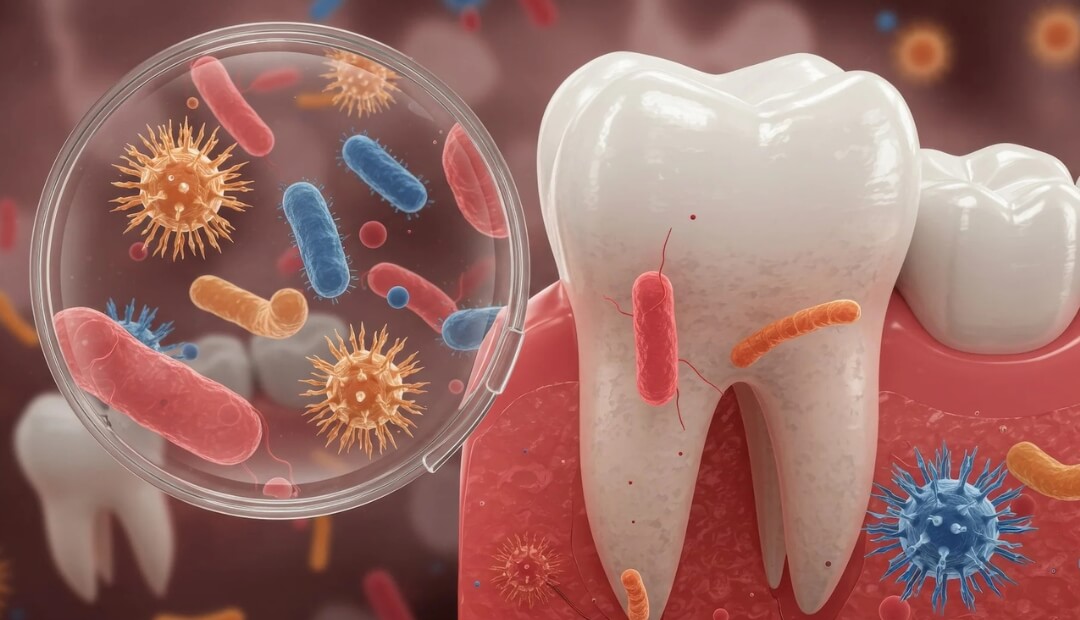
Most bad breath originates from within the mouth. Bacteria will break down food particles, dead cells and organic matter. Some bacteria will release ‘volatile sulphur compounds’ causing a bad smell.
Brushing your teeth will remove plaque from your teeth but may not clean all areas where bacteria can build up causing a bad smell. Bacteria can build up on your tongue, between your teeth, in your gum pockets and dental appliances. If you are not cleaning these areas properly persistent bad breath can occur.
Saliva helps to wash away any food particles. It also helps to keep the pH levels balanced in your mouth. If you aren’t producing enough saliva, you can get a build up of bad smelling substances. Common causes of bad breath can include poor oral hygiene, dry mouth, gum disease and certain medical conditions (Mayo Clinic’s Bad Breath Guide).
Common Causes of Bad Breath (Halitosis)
Knowing why you are getting bad breath will help you to choose the right bad breath treatment. Below are some common causes:
1. Bacteria Build Up on the Tongue
Your tongue has a bumpy surface with lots of little grooves. Bacteria can build up along with food particles and dead cells. A build up can occur which can cause bad breath.
This is one of the most common causes of bad breath that people forget. Brushing your teeth will not remove most of this build up. Cleaning your tongue once a day can help.
2
Use a tongue scraper or soft bristle toothbrush. Gently wipe across your tongue. You don’t need to scrape hard. This can cause irritation.
If you have a build up that doesn’t go away, is painful or has patches, ask your dentist to take a look. Having a build up doesn’t necessarily mean you have poor hygiene. You may have dryness, irritation, mouth infections or other issues.
2. Gum Disease, Toothy Decay and Dental Infections
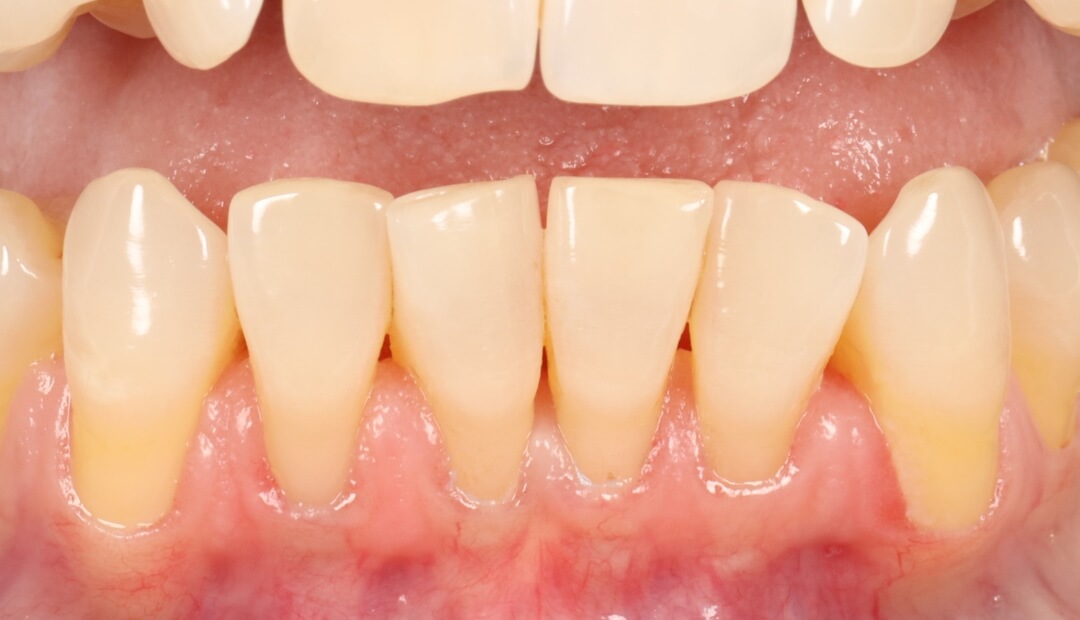
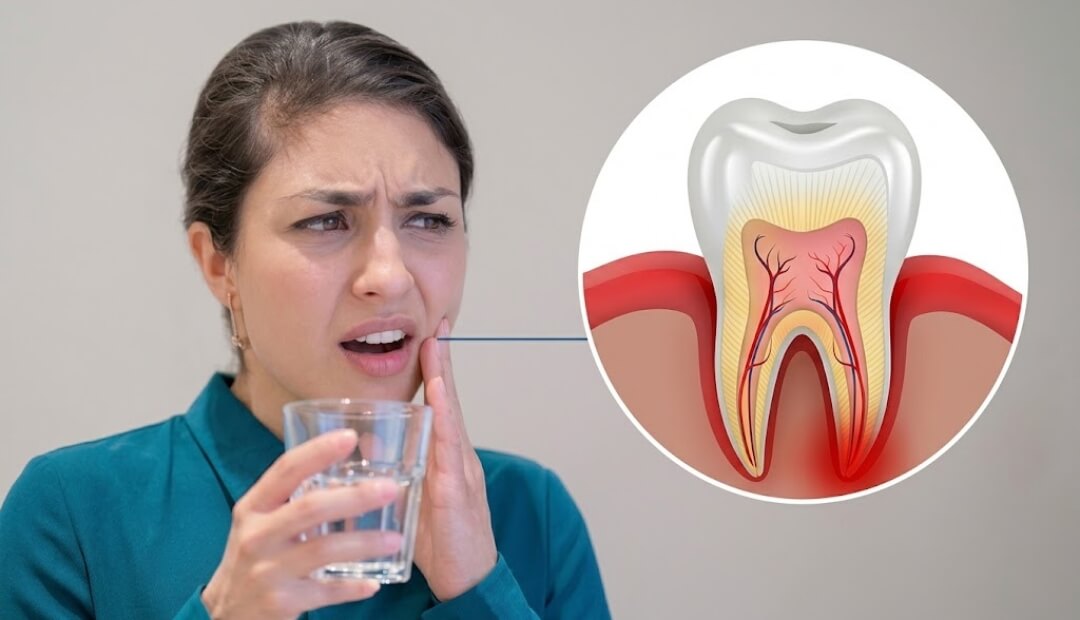
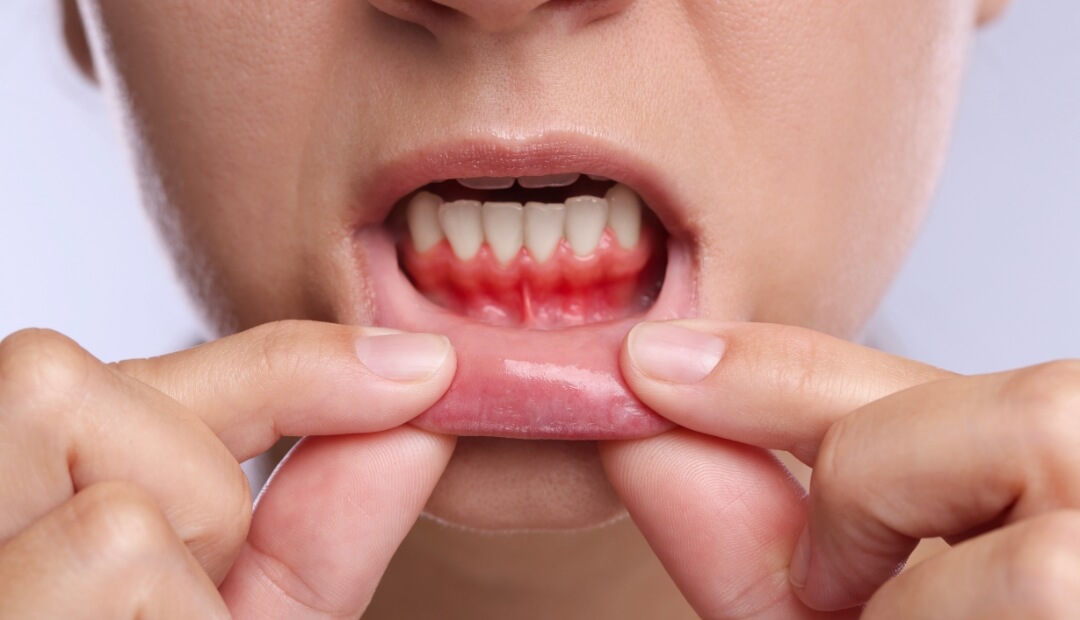
Another common cause of persistent bad breath is gum disease. Plaque will build up along the gum line causing irritation from the bacteria. As gum disease gets worse, pockets can occur between your teeth and gums. These can cause bacteria and build up to occur.
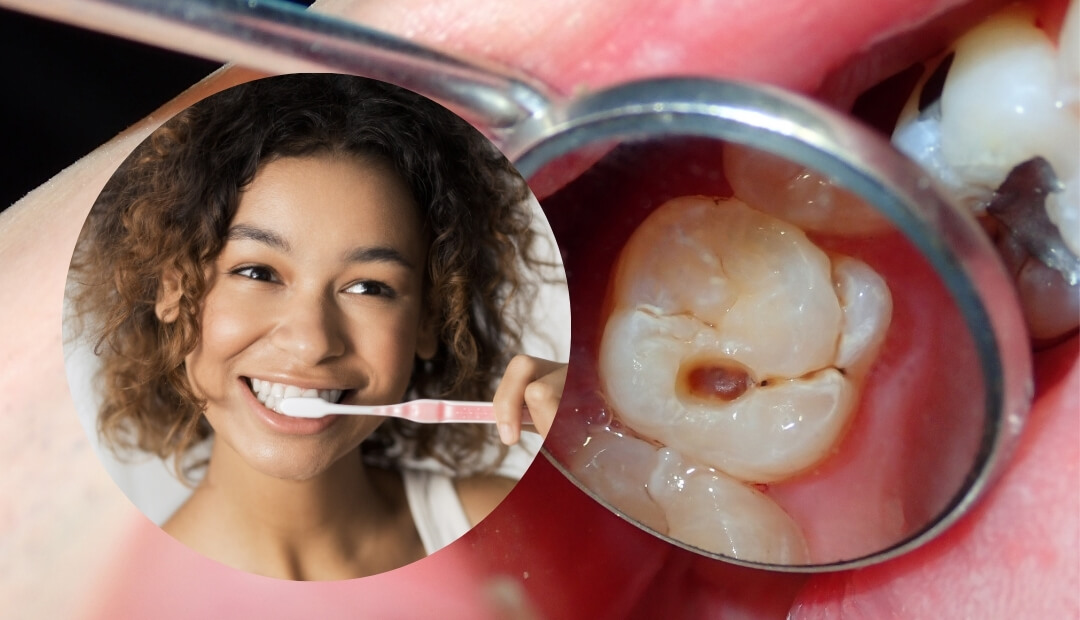
Tooth decay can cause bad breath. If there is a large cavity or infection present food can get stuck. Dental abscess can also cause a persistent bad taste.
You may notice bleeding, sensitivity, swelling or food getting stuck between your teeth. However, gum disease can occur without causing much pain especially in the early stages. Plaque can cause gum disease (National Institute of Dental and Craniofacial Research).
3
If you have a build up due to tartar, gum pockets or decay, using a stronger mouthwash won’t solve the issue. Your dentist may need to remove tartar, treat gum inflammation or fix damaged teeth.
3. Dry Mouth/Lack of Saliva
Saliva helps to wash away food particles. It helps keep your mouth healthy and protects your teeth from acid. If you aren’t producing enough you can get build ups of bacteria and bad smelling substances. The National Institute of Dental and Craniofacial Research explains how reduced saliva can contribute to bad breath and other oral health problems.
You may feel your mouth is sticky, struggle to swallow dry foods, feel thirsty or have a very dry mouth when you wake up. Some medication can cause dry mouth. Dehydration, smoking and mouth breathing can also cause dry mouth.
Dry mouth can often become more apparent when you are sleeping as your body naturally produces less saliva. This is why many people suffer from morning breath. However, if you are suffering from severe dry mouth throughout the day you should consider:
- Drink plenty of water. Are you noticing your symptoms are made worse by caffeine, alcohol or tobacco?
- Chewing sugar free gum may help to increase saliva.
- If you are still suffering from dry mouth ask your dentist or healthcare professional.
- Never stop taking prescribed medication.
4
4. Tonsil Stones, Sinus Issues and Throat Issues
Sometimes bad breath will not originate from your teeth. Tonsil stones can occur when food particles, bacteria and build up get stuck in small pockets in your tonsils. This can cause a very unpleasant smell. The Cleveland Clinic identifies bad breath as one of the most common symptoms of tonsil stones.
Sinus infections and post nasal drip can also cause bad breath. Mucus can build up at the back of your throat causing bacteria and bad smells to occur. Some throat infections can cause extra symptoms such as soreness, difficulty swallowing and fever.
If you are keeping up with your oral hygiene and your dentist cannot find any clear causes from your mouth, these could be a possibility. However, bad breath doesn’t necessarily mean you have a sinus or throat issue. Ask a healthcare professional to assess your symptoms.
5. Acid Reflux and Other Medical Conditions
Gastro-oesophageal reflux can cause stomach contents to travel back up into your oesophagus. Some people will notice a bad taste or bad breath especially if symptoms occur at night or after eating.
The National Institute of Diabetes and Digestive and Kidney Diseases explains how acid reflux occurs when stomach contents flow back into the oesophagus.
Sometimes other medical conditions can affect your breath. However, most bad breath will originate from your mouth so it is a good idea to visit your dentist first.
5
The NHS have a bad breath guide explaining common causes. If you are still suffering from bad breath after trying self-care techniques, visit your dentist. If your dentist cannot find any causes from your mouth your physician can help.
Bad Breath Treatment at Home
The correct bad breath treatment will depend on the cause. If you have plaque, tongue build up or food build up, improving your routine can help. However, not all causes can be treated at home especially if you have untreated gum disease, decay or an infection.
Try to create a routine. Don’t try to introduce lots of new products. Give yourself time to create new habits.
Brush your teeth for 2 minutes twice a day using a fluoride toothpaste. Be gentle and make sure you are cleaning all surfaces. Pay particular attention to the gum line and back of your teeth.
Floss or use the correct size interdental brushes to clean between your teeth. This will help to remove any food build up. This can help to reduce one cause of bad breath.
If you regularly have bleeding gums or struggle to clean between your teeth ask your dentist to check your technique and gums.
1. Clean your tongue as part of bad breath treatment
Cleaning your tongue gently can be one of the most helpful things to do if you have a build up. Use a tongue scraper or soft bristle toothbrush once a day. Gently wipe from the back to front with light pressure. Rinse the tool between each wipe.
Don’t press too hard. This can cause irritation or bleeding. If you still have a build up ask your dentist if dryness or another mouth issue could be the cause.
6
2. Stay Hydrated
Try to drink plenty of water throughout the day. This can help to wash away any food particles. If you are waking up with a dry mouth consider if you are breathing through your mouth when asleep or have nasal congestion.
Chewing sugar free gum can help some people to increase saliva. If you are still suffering from dry mouth your dentist may recommend saliva substitutes. The best option for you will depend on your symptoms, medical history and why you are suffering from low saliva.
3. Clean Dentures
Dentures, retainers and other dental appliances can cause food to build up. If not cleaned properly they can cause bad breath. The American Dental Association explains how daily denture cleaning helps remove food particles and plaque.
Follow your dentist’s advice on how to clean and store your removable appliances. If your dentist recommends removing your dentures at night do so. Make sure you are cleaning your gums and tongue as part of your routine. Never use domestic cleaning products or abrasive products.
Home Remedies That May Support Bad Breath Treatment
Many people like to try home remedies for bad breath before visiting the dentist. Simple habits can help improve your oral hygiene. However, they may not treat the cause.
7
1. Water and Sugar Free Gum
Drinking water can help if you are suffering from dehydration or dry mouth. Chewing sugar free gum can help to increase saliva. This can help with dry mouth however will not treat cavities, gum disease or infections.
2. Herbs
Using herbs such as mint and parsley can give you a fresh breath temporarily. However, they will not remove the bacteria causing persistent bad breath. Don’t forget to brush, clean your tongue and visit your dentist.
Some foods can cause temporary bad breath. Garlic and onions can cause bad breath as the smell can enter your blood stream. This can then be exhaled through your lungs. Brushing may not remove the smell straight away.
3. Salt Water and Mouthwash
A mild salt water rinse may help to give some relief if you have slightly irritated gums. However, it will not treat the cause of your persistent bad breath. It will not remove any hardened tartar or treat any existing infection.
Mouthwash can help to control bad breath in some cases. Some mouthwashes will just give temporary freshness. Others will target specific bacteria. Ask your dentist which would be best for you. If you have dry mouth or irritation ask your dentist. The American Dental Association explains the difference between cosmetic and therapeutic mouthwashes and their potential benefits.
Avoid:
- Avoid using harsh or acidic remedies.
- Using lemon juice, vinegar or other acidic products can cause your enamel to weaken if used regularly.
- Using undiluted hydrogen peroxide or abrasive powders can cause irritation.
Oil pulling and herbal products shouldn’t be used as a substitute for proper dental care. If the remedy claims to cure your halitosis without knowing the cause be sceptical. The best way to treat your bad breath safely is to gently clean, stay hydrated and if symptoms persist visit a professional.
Why Mints and Mouthwash May Not Help with Bad Breath Treatment
Mints and mouthwash can give you a fresh breath temporarily. However, they may just mask the issue. If there is still bacteria on your tongue or in your gum pockets the bad breath may return.
Using a strong mouthwash regularly can cause more issues if you are suffering from dry mouth. Some mouthwashes contain alcohol which can cause dryness or irritation for some people. It is more useful to choose a product based on your symptoms.
8
The best way to treat bad breath long term is to treat the cause. If you are suffering from gum disease you may need professional periodontal treatment. If you have tooth decay or an infection your dentist will need to treat the affected tooth. If you are suffering from dry mouth treating the cause may help you feel more comfortable.
When to Visit the Dentist
If you are suffering from bad breath for several weeks and have been keeping up with your oral hygiene visit your dentist. If you are noticing bleeding or swollen gums, toothache, persistent bad taste, loose adult teeth or visible dental issues visit sooner.
The NHS bad breath guidance also recommends seeing a dentist when bad breath does not improve after a few weeks of self-care. Your dentist can examine your teeth, gums, tongue and dental appliances to identify likely causes. They may carry out a professional clean, treat any tooth decay or manage any gum disease.
If your mouth looks healthy they may suggest speaking to another healthcare professional about possible non-dental causes. Your dentist can help determine which bad breath treatment is appropriate for your specific cause and symptoms.
If you are suffering from bad breath with severe pain, swelling, fever or signs of infection visit your dentist or medical professional as soon as possible. If you are suffering from rapid swelling in your face/neck especially if having trouble breathing or swallowing seek emergency treatment. Don’t rely on mints and mouthwash to mask symptoms.
How to Create a Routine
It is easier to manage bad breath if you create a routine. You don’t need to use lots of complicated products. Just focus on removing plaque and build up to keep your teeth and gums protected.
- Brush your teeth twice a day with a fluoride toothpaste.
- Clean between your teeth once a day with floss or interdental brushes.
- Clean your tongue gently once a day.
- Drink plenty of water especially if you have a dry mouth.
- Clean your dentures as advised.
- Avoid eating sugary foods regularly and avoid smoking.
- Visit your dentist regularly based on your individual needs.
Take note if certain foods, medication or dehydration are making your bad breath worse. Keeping a simple diary can help your dentist to understand.
9
Find the Right Bad Breath Treatment
Bad breath can be frustrating especially if you are brushing regularly and being careful with your appearance. However, persistent bad breath does not necessarily mean you are neglecting your teeth and have poor hygiene. Your tongue, gums, saliva, dental issues and certain medical conditions can all cause bad breath.
The best bad breath treatment is to find the cause. If your bad breath is caused by normal build up or dryness gently cleaning your tongue, using a fluoride toothpaste, cleaning between your teeth daily and staying hydrated can help. Home remedies can help temporarily but cannot treat gum disease, tooth decay or infection.
If you are still suffering from bad breath visit your dentist. With the correct diagnosis and routine many common causes of bad breath can be managed. Focus on keeping your mouth healthy and feel more comfortable during everyday conversations.
Why Does Bad Breath Return After Brushing?
Discover what your daily oral care routine might be missing and why fresh breath can remain frustratingly difficult to maintain.
Explore the video’s perspective on a dissolving mineral and the claims surrounding gum and tooth health, alongside proven dental care.