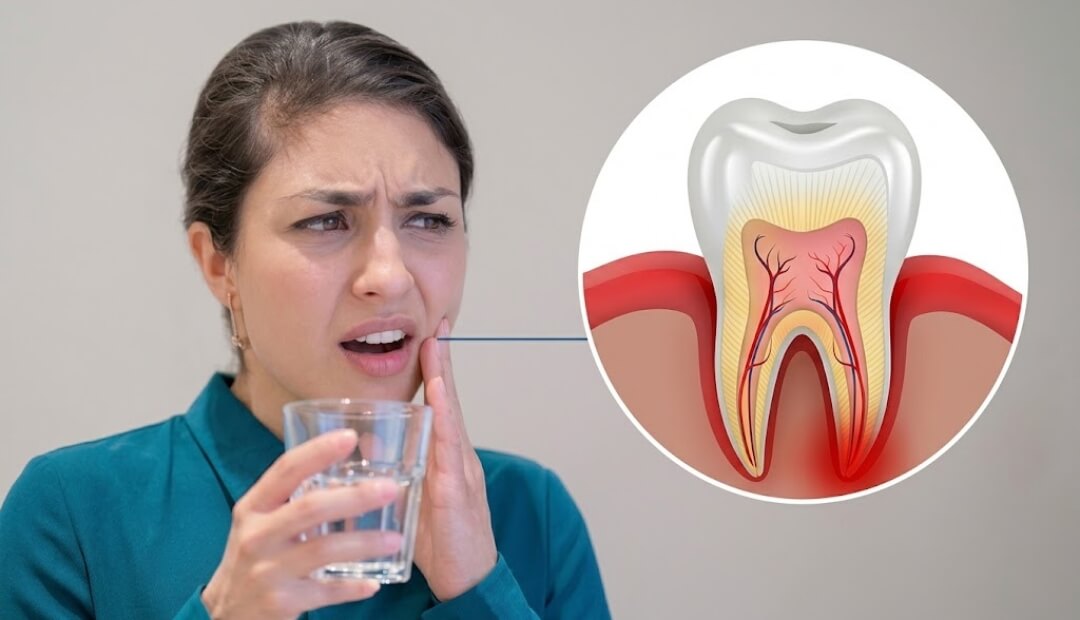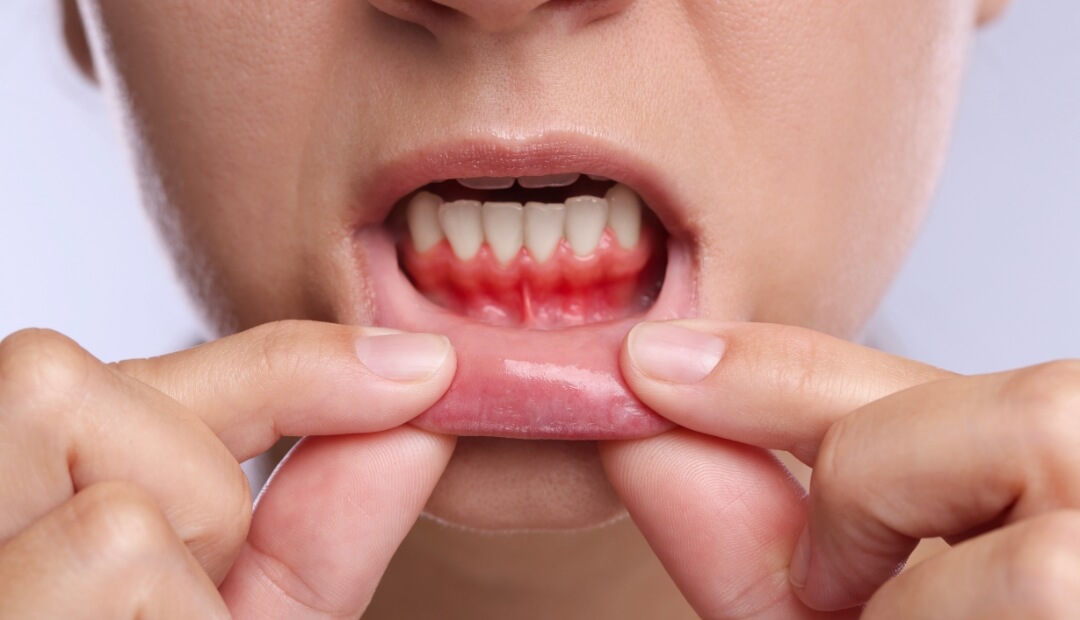








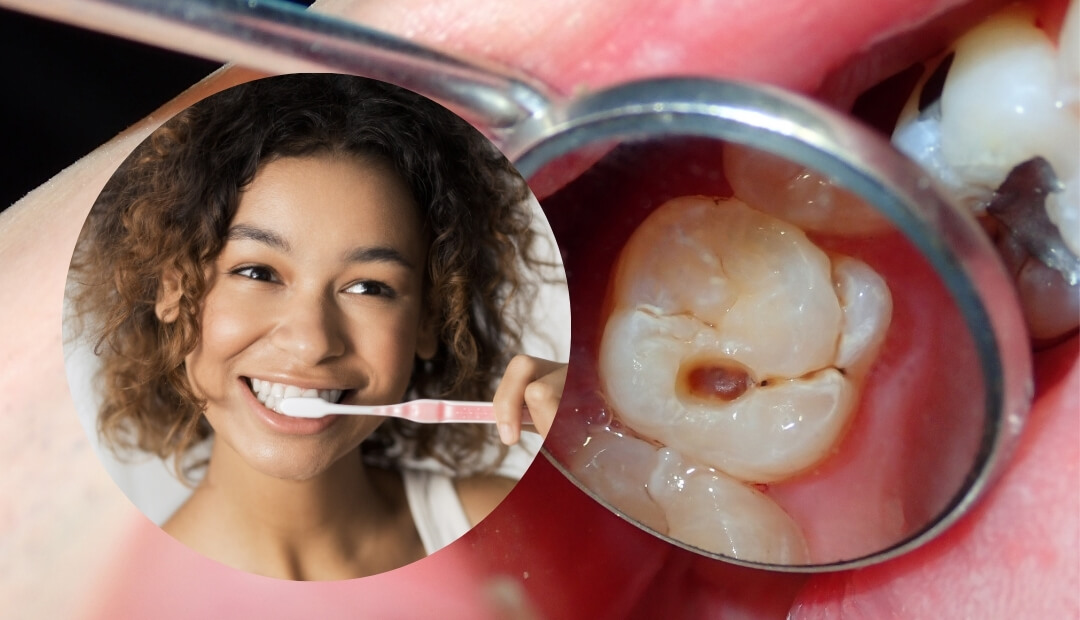
You may notice that despite brushing your teeth twice a day, you are still able to see a sticky substance around the gum line or between your teeth. These areas can appear yellow and feel rough when touched with your tongue. This often leads many to ask how to remove plaque from teeth at home.
Plaque will naturally build up on your teeth throughout the day. However, if plaque stays on your teeth, it can cause cavities and gum inflammation. Regular brushing and cleaning between your teeth can get rid of the soft plaque.
Plaque and tartar are different. You can remove plaque with regular brushing and cleaning between your teeth. However, tartar requires professional cleaning. Knowing the difference between plaque and tartar can help you to find safe ways to get rid of the deposits.
Can You Remove Plaque From Teeth At Home?
Yes. You can remove soft plaque from your teeth at home using the correct toothbrush and fluoride toothpaste. Brushing and cleaning between your teeth will help to remove most plaque that builds up on your teeth. It will also help to reduce bacteria that can cause tooth decay.
Brushing your teeth and cleaning between your teeth daily will help to remove plaque from teeth at home. However, a dental professional will need to remove tartar, according to the National Institute of Dental and Craniofacial Research.
Plaque And Tartar – What’s The Difference?
What Is Dental Plaque?
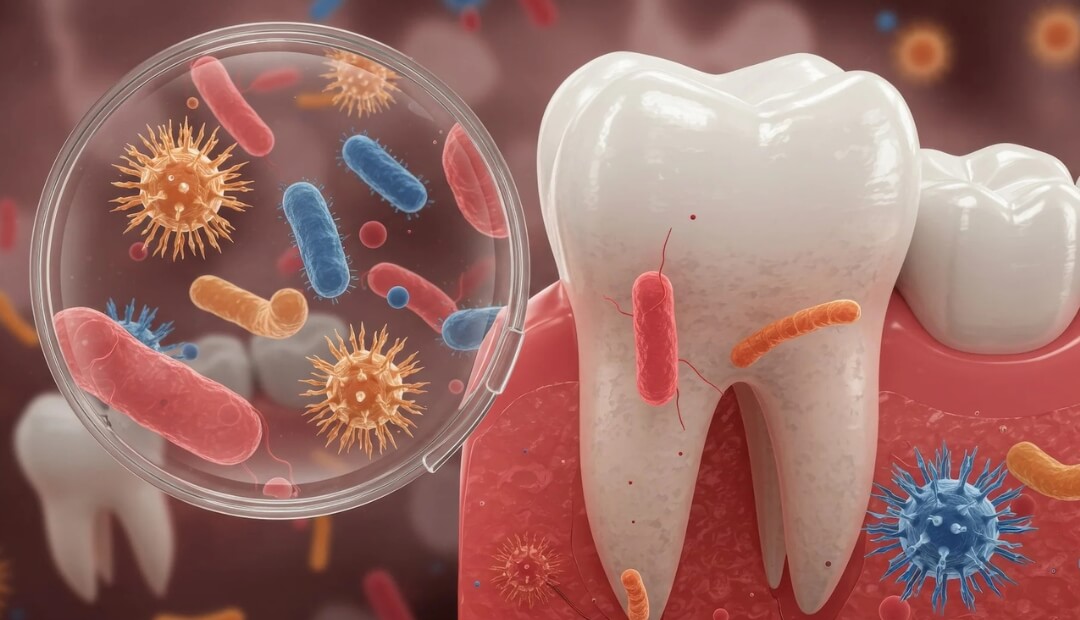
Dental plaque is a soft sticky deposit of bacteria that builds up on your teeth. Plaque starts to form shortly after you brush your teeth as bacteria in your mouth mixes with saliva and food particles.
You may notice a fuzzy feeling on your teeth, especially around the gum line. However, it can be hard to see. Plaque can often build up between your teeth and at the back of your front teeth.
What Is Tartar?
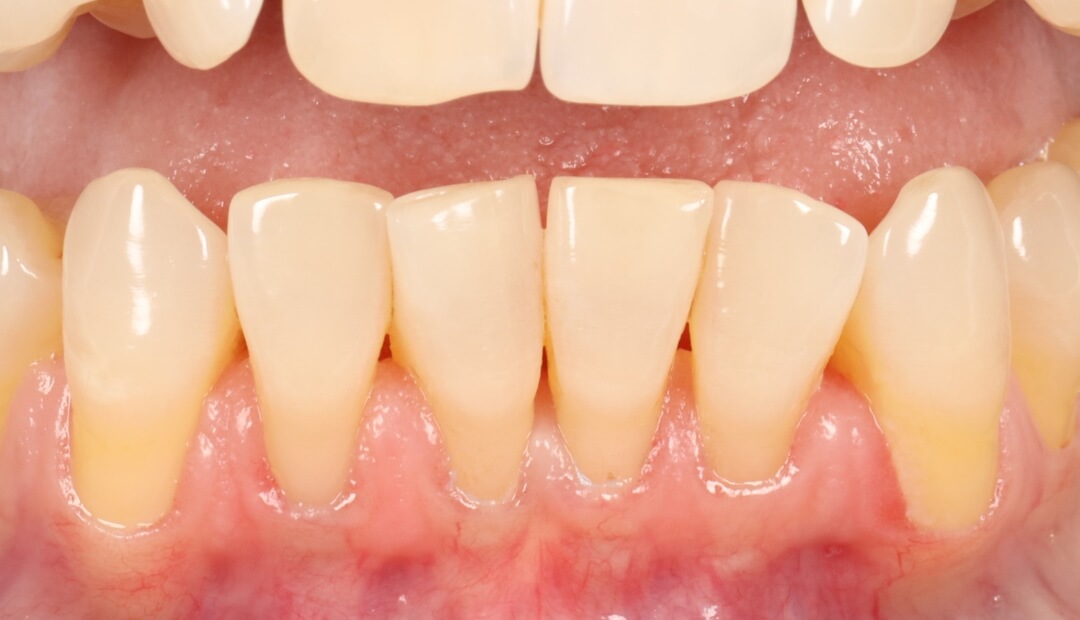
Tartar is hardened plaque that has developed due to minerals in your saliva mixing with the plaque. It can often be a yellow, creamy or brown colour. You can often find it around the gum line and at the back of your lower front teeth.
Unlike soft plaque, tartar will stick firmly onto your teeth. It can be rough and make it easier for plaque to build up. It can build up above or below your gum line. Plaque that builds up below your gums can often contribute to periodontal issues.
Brushing and flossing alone cannot remove hard deposits. A dentist or hygienist will need to remove them, according to the Cleveland Clinic.
How To Tell The Difference Between Plaque And Tartar
Soft plaque can often feel slimy, sticky and fuzzy. You can often remove it by brushing and cleaning between your teeth thoroughly. Tartar will often feel hard and rough.
How To Remove Plaque From Teeth At Home
You don’t need to use an aggressive method or products to get rid of plaque on your teeth. Simply try to clean all areas of your teeth gently. Here are 7 ways you can help to reduce plaque between your dental visits.
Brush Twice A Day To Remove Plaque From Teeth At Home
Brush your teeth twice a day with a soft bristle toothbrush and fluoride toothpaste. Spend around 2 minutes brushing the front, back and chewing surfaces of your teeth. Divide your mouth into sections to make sure you don’t rush. These recommendations are consistent with guidance from the NHS.
Angle your brush slightly towards your gum line. Use gentle short strokes. Be sure to pay extra attention to areas where your teeth meet your gums as this is often where plaque can build up. Don’t forget to clean the inside of your front teeth and the back of your molars.
Clean Between Your Teeth Daily
Plaque can often build up between your teeth as they are quite small. Using a toothbrush won’t reach all areas and can contribute to cavities and gum inflammation. Cleaning between your teeth daily will help to reduce plaque.
Many find flossing to be effective. Gently thread the floss between your teeth. Curve around each tooth and move along the side. Don’t snap the floss into your gums. The American Dental Association also explains how flossing helps remove plaque from areas that toothbrush bristles cannot effectively reach.
If the gaps between your teeth are larger you may find interdental brushes easier to use. Choose a size that fits without forcing. Your dentist or hygienist can advise on the correct size and how to use them safely.
Consider Using An Electric Toothbrush
If you struggle to thoroughly brush your teeth with a manual toothbrush, an electric toothbrush may help. Some have timers and pressure sensors to help you brush thoroughly.
Use Plaque Revealing Tablets
Plaque revealing tablets or solutions can help to show you areas of plaque that you may have missed whilst brushing. Follow the instructions and look around your gum line, between your teeth and on the chewing surfaces.
Use A Fluoride Mouthwash
Using a fluoride mouthwash can help to give extra protection against cavities. However, it won’t replace brushing and cleaning between your teeth. It can be helpful if your dentist suggests using extra fluoride.
Reduce Frequent Sugary/ Acidic Foods
Bacteria in plaque feeds off sugars and some carbohydrates in your food and drinks to produce acids. Frequent snacking can cause frequent acid attacks on your teeth.
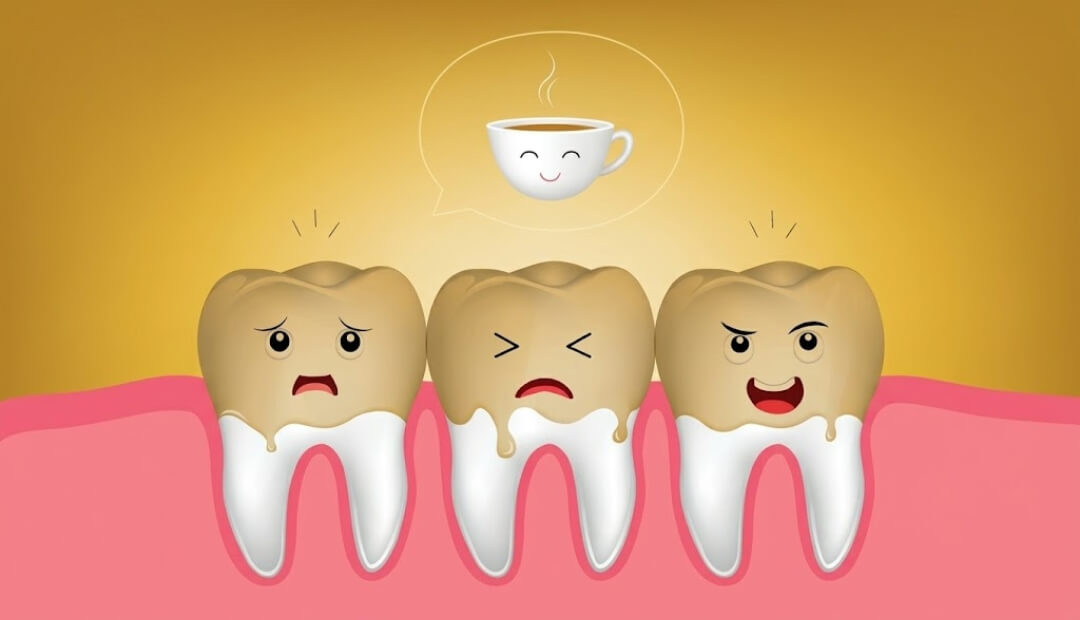
Try to reduce your intake of sugary snacks and drinks between meals. Try to drink more water. This can help to reduce the amount of sugary drinks you’re consuming such as coffee, fizzy drinks, juices and sports drinks. Acidic drinks can also contribute to enamel erosion.
After drinking acidic drinks or foods rinse with water. Don’t brush straight away as it can be harsh on your teeth. Acid temporarily softens your teeth. The American Dental Association recommends rinsing with water after consuming acidic foods or drinks rather than brushing immediately.
Be Consistent With Your Routine
Plaque will start to build up after you’ve cleaned your teeth. It can be an ongoing process. If you don’t brush or clean between your teeth you’ll leave plaque on your teeth for longer and it will be more likely to harden.
Can I Get Rid Of Tartar On My Teeth At Home?
The key thing to remember when looking to get rid of tartar on your teeth at home is that you cannot safely remove it. Brushing and flossing will remove soft plaque. However, once it has hardened, you cannot reliably remove it from your teeth.
Don’t Try To Scrape Off Tartar
Sometimes companies advertise metal scaling tools and tartar removal kits for use at home. Using sharp tools without any dental knowledge can cause damage to your gums. It can cause scratches on your teeth and may cause bleeding. You may also miss tartar that has built up below your gums and may mistake part of your tooth for tartar.
Can Baking Soda, Vinegar Or Activated Charcoal Help?
There are many online ‘home remedies’ that suggest using baking soda, vinegar, lemon juice or activated charcoal to get rid of hard plaque. However, don’t use these as a replacement for professional tartar removal.
Some of the abrasive ingredients may help with surface stains. However, using them frequently or aggressively can cause your teeth to wear. Vinegar and lemon juice are acidic and can cause enamel erosion. Activated charcoal products may be abrasive and there isn’t strong evidence to suggest they will remove hardened calculus.
According to the Colgate website, whilst you can prevent plaque build up at home, tartar removal is a professional treatment.
Tartar Teeth – Can I Get Rid Of Them At Home?
Whilst it isn’t safe or realistic to get rid of tartar on your teeth at home, you can help to reduce build up. Focus on reducing soft plaque and seek professional treatment when tartar is present.
Reduce Build Up
By brushing to remove plaque daily you’ll reduce the amount that can build up and harden. Focus on areas around your gum line and the back of your lower front teeth. Your dentist can highlight areas that may need extra attention.
Consider Using A Tartar Control Toothpaste
Some toothpastes contain ingredients to help reduce tartar build up. They may help as part of a consistent routine. However, they won’t remove hardened calculus.
Schedule A Professional Clean
If you still have hard deposits after brushing schedule a check up with your dentist. They’ll be able to tell you if it is tartar, staining or something else. Professional cleaning will help your dental team remove deposits that you cannot reach at home. It will also allow your dental team to check your gums.
How Will Tartar Be Removed Professionally?
Dentists and hygienists usually remove tartar using scaling. Your dentist or hygienist will use hand instruments or an ultrasonic scaler to loosen and remove the hardened deposits. The Cleveland Clinic explains that scaling and root planing can remove tartar and bacteria from around and beneath the gum line when deeper cleaning is needed.
Your dentist may focus on areas above your gum line. If you have tartar below your gums, your dentist may recommend a deeper clean. The decision will depend on how much tartar there is, where it is and the condition of your gums.
Some people may feel some sensitivity or tenderness after their cleaning. This often happens when the dentist removes a large amount of tartar. If you’re uncomfortable or have sensitive teeth let your dental professional know. They’ll be able to explain what to expect.
Why Getting Rid Of Plaque Is Important For Your Gums And Teeth
Getting rid of plaque can help to protect your teeth. The bacteria in plaque produce acids that can cause tooth decay. Plaque can cause irritation to your gums if it builds up around your gum line. The American Dental Association explains how plaque buildup can contribute to tooth decay and gum disease.
Early gum disease (gingivitis) may cause redness, swelling and bleeding. By improving plaque control and getting the correct treatment from your dentist, you can often reverse this condition. However, if gum disease progresses it can cause damage to the tissues and bones supporting your teeth.
Tartar can make it harder to clean your teeth as it can be rough and cause plaque to build up. It’s important to have a dental professional remove it. According to the NIDCR information, plaque build up can cause gum inflammation and periodontal issues.
Common Mistakes When Removing Plaque
Even if you brush daily you may not be cleaning all areas of your teeth. Simple changes can help improve your routine. Avoid making these common mistakes.
- Brushing Too Fast – This can leave plaque on your teeth, especially at the back of your mouth and gum line.
- Not Cleaning Around The Gum Line – Plaque often builds up where your teeth meet your gums. Be gentle when cleaning.
- Not Cleaning Between Your Teeth – The bristles on your toothbrush won’t clean all areas between your teeth.
- Too Much Pressure – Aggressive scrubbing can cause irritation to your gums and cause wear to your teeth.
- Relying On Mouthwash – This won’t remove plaque.
- Trying To Scrape Off Tartar – This can cause damage to your soft tissues.
- Ignoring Constant Bleeding – Bleeding gums may be a sign of inflammation.
When To See A Dentist
If you notice hard deposits that aren’t coming off despite regular brushing, book an appointment. If your gums are bleeding frequently, appearing swollen or sensitive it’s best to seek advice. If you have persistent bad breath, sensitive teeth, visible cavities or your teeth don’t fit together as they should. The NHS lists bleeding, swollen and sore gums among the signs of gum disease that dentists should check.
There can be many reasons for these symptoms so it’s best to get an examination. Your dentist can identify if you have tartar, check for decay and if you have gum disease.
If you have severe tooth pain, swelling in your face or signs of a possible infection see your dentist as soon as possible. If you have swelling in your face or neck and difficulty breathing or swallowing seek emergency medical help.
How To Keep Your Teeth Cleaner Between Visits
To keep plaque under control you don’t need complicated products. Focus on keeping a consistent routine.
- Brush twice a day for around 2 minutes using fluoride toothpaste.
- Use a soft bristle brush and gentle strokes along your gum line.
- Clean between your teeth daily using floss or the correct interdental brushes.
- Drink plenty of water and try to avoid frequent sugary or acidic drinks.
- Replace worn toothbrushes and follow instructions to clean your reusable dental tools.
- Attend check ups and cleans as advised.
Final Thoughts
You can remove soft plaque from your teeth at home by brushing regularly, cleaning between your teeth daily and using fluoride toothpaste. This will help control bacteria, protect your enamel and reduce the risk of cavities and gum inflammation.
However, you cannot safely remove hard tartar using brushing, flossing, baking soda or other home remedies. A dentist or hygienist will need to remove it.
If you want to remove plaque from teeth at home, focus on preventing new build up by keeping up with your daily routine. The safest way to keep your teeth cleaner and gums healthier is to keep up with a simple routine and seek guidance from your dentist.
Why Do Cavities Keep Returning Despite Brushing?
Discover what dental plaque, mineral balance, and your daily oral care routine may reveal about the reason cavities keep coming back.
Explore the mineral-based approach discussed in the video, its claims about teeth and gums, and the evidence worth considering.