


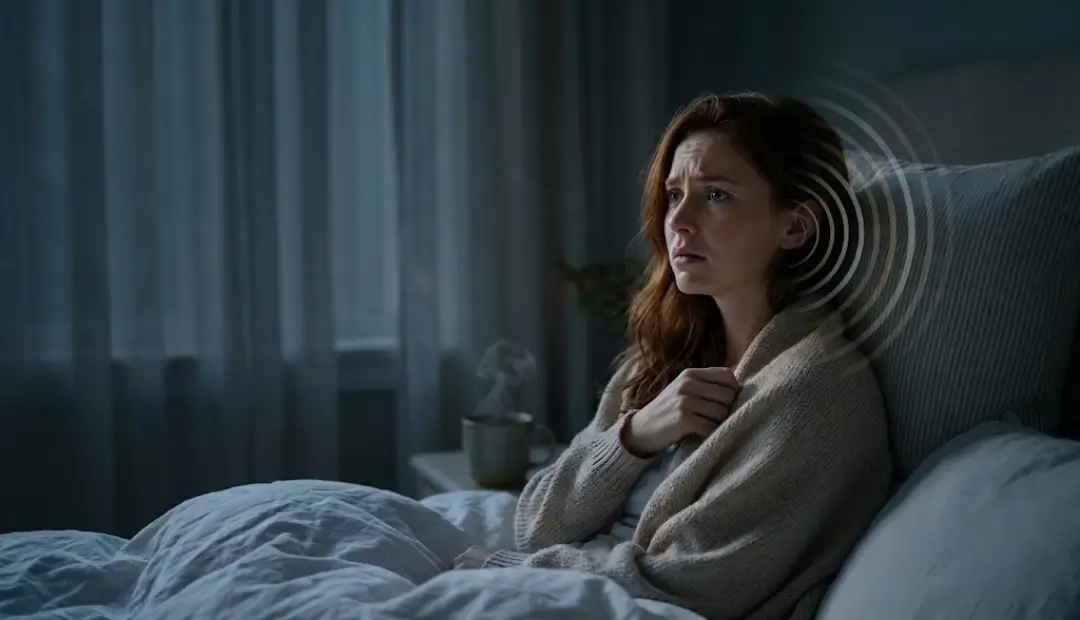
You finally sit down after a busy day, switch off the television, and enjoy some quiet. Then a familiar ringing, buzzing, or hissing sound suddenly demands your attention. These tinnitus symptoms can feel louder in quiet rooms, even when the sound itself has not changed.
For many adults over 45, this experience becomes especially frustrating at bedtime. The quieter the surroundings become, the harder it may feel to ignore the noise. You might wonder whether your hearing is changing or whether something more serious is happening.
There is a scientific explanation for this experience, although tinnitus remains complex. Understanding how your hearing system responds to silence can make the symptoms less mysterious. It can also help you recognize when to seek medical advice and which management strategies may help.
Why Tinnitus Symptoms Stand Out When Everything Becomes Quiet
Tinnitus describes hearing a sound without an external source producing it. People commonly report ringing, but some hear buzzing, humming, hissing, clicking, or roaring. The sound may affect one ear, both ears, or seem to come from inside the head.
Your Brain May Explain the Difference
Discover why ringing becomes more noticeable when external sounds disappear, and what happens inside your hearing system.
During normal daily activities, your surroundings contain many competing sounds. Conversations, traffic, household appliances, and television provide constant background noise. These sounds can make tinnitus less noticeable without actually removing it.
When you enter a quiet room, that background noise disappears. Your internal ringing may then become easier to notice by comparison. This difference can create the impression that tinnitus suddenly grew louder.
The Difference Between Louder Tinnitus and More Noticeable Tinnitus
Imagine listening to a quiet fan in a busy kitchen. You may barely notice it while dishes clatter and people talk. Once everyone leaves, the same fan becomes much easier to hear.
A similar effect can happen with tinnitus. The sound may remain relatively stable while the surrounding environment becomes quieter. Your attention can then focus more strongly on the ringing.
This distinction matters because increased awareness does not always mean your condition has worsened. However, a noticeable change in tinnitus still deserves attention when other symptoms appear. A healthcare professional can help determine whether anything has changed medically.
What Happens Inside Your Hearing System?
Your ears collect sound vibrations and convert them into electrical signals. These signals travel through the auditory nerve toward areas of the brain involved in hearing. Your brain then processes this information and helps you recognize different sounds.
Tinnitus involves activity within this complex hearing system. Researchers associate it with changes in auditory processing, often alongside hearing loss. However, scientists do not fully understand every mechanism behind the condition.
The National Institute on Deafness and Other Communication Disorders explains that tinnitus may involve changes in brain circuits following hearing loss. These changes can contribute to sound perception without an outside source. This helps explain why tinnitus can continue even in the absence of external noise.
Why Hearing Changes May Contribute to Phantom Sounds
Many people with tinnitus also experience some degree of hearing loss. Age-related hearing changes and previous noise exposure can affect the inner ear. These changes may alter the signals reaching the brain.
Sometimes, hearing loss develops gradually and remains difficult to recognize. You may hear ordinary conversations but struggle with speech in crowded places. You might also turn up the television more often than before.
Tinnitus can appear alongside these subtle changes. However, tinnitus does not automatically mean you have significant hearing loss. A hearing assessment can help clarify what is happening.
Why Quiet Bedrooms Can Make Tinnitus Symptoms Feel Worse
Nighttime creates several conditions that can make tinnitus more intrusive. Household activity stops, conversations end, and background sounds become less frequent. Your attention may naturally shift toward sounds that remain noticeable.
There is also less distraction when you prepare for sleep. During the day, work and everyday responsibilities occupy much of your attention. At night, the ringing may become the most noticeable sensation in your environment.
This can create a frustrating cycle. You notice the sound, become concerned about sleeping, and start monitoring it more closely. That concern may make relaxation increasingly difficult.
How Tinnitus Can Affect Sleep and Concentration
Persistent tinnitus can make falling asleep difficult for some people. You may repeatedly change positions, adjust your pillow, or check the time. Each interruption can increase frustration and make rest feel further away.
The Hidden Role of Your Brain
Explore the connection between auditory processing and phantom sounds, including why quiet environments can make them harder to ignore.
Poor sleep can also affect your mood and concentration the next day. You might find conversations more tiring or routine tasks harder to complete. These difficulties can become emotionally draining when they happen repeatedly.
The NIDCD tinnitus overview notes that tinnitus can affect sleep, mood, and concentration. Some people also experience anxiety or depression when symptoms become severe. These effects deserve attention just as much as the sound itself.
Which Factors Can Make Tinnitus More Noticeable?
Tinnitus does not feel identical every day. Some people experience a steady sound, while others notice changes in loudness or intensity. Several circumstances may influence how intrusive the sound feels.
- Quiet surroundings: Less background noise can make internal sounds easier to notice.
- Stress: Emotional tension may increase attention toward tinnitus and make it harder to ignore.
- Poor sleep: Tiredness can reduce your ability to cope with distracting sensations.
- Loud noise exposure: Excessive noise can damage hearing and contribute to tinnitus.
- Hearing changes: Age-related or noise-related hearing loss commonly accompanies tinnitus.
- Some medications: Certain medicines can contribute to tinnitus in susceptible individuals.
- Ear problems: Earwax buildup and infections can sometimes trigger ringing.
These factors do not affect everyone in the same way. Stress, for example, may increase distress without being the original cause. Tracking your symptoms can help identify patterns worth discussing with a clinician.
Common Causes of Tinnitus Symptoms After Age 45
Persistent ringing can have several possible explanations. Some causes involve the ear itself, while others relate to hearing pathways or general health. Identifying the cause may help guide appropriate management.
Age-Related Hearing Loss
Age-related hearing loss often develops gradually. It may affect higher-pitched sounds before other hearing difficulties become obvious. Tinnitus can accompany these changes, although not everyone with hearing loss develops ringing.
Noise-Related Hearing Damage
Repeated exposure to loud music, machinery, or power tools can damage delicate inner-ear structures. A single extremely loud sound may also trigger tinnitus. Protecting your hearing remains important even when symptoms seem mild.
Silence Can Change Your Experience
Learn why tinnitus may interfere with relaxation and sleep, and discover another perspective on managing persistent ringing.
Earwax and Ear Infections
Excessive earwax can block the ear canal and interfere with normal hearing. Some people experience ringing, pressure, or muffled sounds alongside the blockage. Ear infections may also cause tinnitus with pain, discharge, or other symptoms.
Medications and Other Health Conditions
Some medicines can contribute to tinnitus, particularly at certain doses. Examples include specific antibiotics, cancer treatments, and some anti-inflammatory medicines. Never stop prescribed medication without discussing the issue with your clinician.
Other possible contributors include Ménière’s disease, jaw problems, and head or neck injuries. Some vascular conditions can also produce rhythmic sounds. The World Health Organization’s tinnitus guidance outlines several recognized causes and management approaches.
When Should You Seek Medical Advice?
Occasional ringing after loud noise may settle without ongoing problems. However, persistent or recurring tinnitus deserves assessment, especially when it affects daily life. You should also seek advice when the sound changes noticeably or causes significant distress.
A healthcare professional can examine your ears and review your medical history. They may ask when the sound began and whether it affects one or both ears. They may also ask about hearing changes, dizziness, medication, and noise exposure.
An audiological assessment can help identify hearing loss or other hearing difficulties. Depending on your symptoms, a clinician may recommend further examination or specialist referral. Not everyone needs scans, and testing should reflect individual findings.
Warning Signs That Need Prompt Attention
Some symptoms require faster medical evaluation than routine tinnitus. Sudden hearing loss, particularly when it develops over three days or less, needs urgent assessment. Do not wait for the hearing to recover without medical advice.
- Sudden hearing loss: Seek urgent medical care, especially when ringing begins alongside it.
- Facial weakness or sudden neurological symptoms: Seek emergency medical assessment.
- Severe, uncontrolled vertigo: Obtain urgent evaluation, particularly with new tinnitus.
- Pulsatile tinnitus: Arrange medical assessment when the sound repeatedly follows your heartbeat.
- Persistent one-sided tinnitus: Discuss it with a healthcare professional.
The NICE tinnitus guideline recommends urgent referral for tinnitus with sudden hearing loss or significant neurological symptoms. It also recommends audiological assessment for people experiencing tinnitus. These recommendations help clinicians identify symptoms that need further investigation.
What Can Help When Tinnitus Becomes Intrusive?
There is no single approach that works for everyone. Management depends on the cause, hearing status, and effect on everyday life. The aim is to reduce distress and improve your ability to function.
1. Add Gentle Background Sound
Some people find complete silence uncomfortable when tinnitus becomes noticeable. Gentle background sounds can make the contrast less distracting. Try soft music, a fan, rainfall, or quiet nature sounds.
Keep the volume comfortable rather than trying to overpower the ringing. Loud masking sounds may create additional noise exposure. Experiment with different sounds to discover what helps you relax.
2. Protect Your Hearing
Use suitable hearing protection around loud machinery and noisy environments. Keep personal audio devices at moderate volumes and take listening breaks. These habits help reduce further noise-related hearing damage.
Look Beyond the Phantom Sound
Discover how hearing changes, brain activity, and sound processing may contribute to tinnitus symptoms, even in complete silence.
Avoid wearing earplugs throughout ordinary quiet activities unless you need protection. Excessive sound avoidance may make everyday listening feel more difficult. Ask an audiologist about appropriate hearing protection for your circumstances.
3. Improve Your Sleep Routine
Try keeping consistent sleeping and waking times throughout the week. Reduce stimulating activities before bedtime and create a comfortable sleeping environment. Gentle background sound may help when silence makes tinnitus distracting.
Relaxation exercises can also help reduce tension before sleep. Slow breathing, meditation, or progressive muscle relaxation may support a calmer routine. These techniques do not cure tinnitus, but they may improve your ability to cope.
4. Consider Hearing Aids and Psychological Support
When hearing loss affects communication, hearing aids may improve access to everyday sounds. This amplification can make tinnitus less noticeable for some people. A hearing specialist can determine whether hearing aids suit your needs.
Cognitive behavioral therapy, or CBT, can help people manage tinnitus-related distress. It focuses on changing reactions and behaviors associated with persistent symptoms. It does not promise to eliminate the sound itself.
NICE recommends considering tinnitus-related CBT when symptoms continue affecting emotional wellbeing and daily activities. Treatment may involve digital, group-based, or individual psychological support. A qualified professional can help identify an appropriate option.
Can You Learn to Feel Comfortable With Quiet Again?
One of the most frustrating parts of tinnitus is losing confidence in quiet moments. You may begin avoiding silence because you expect the ringing to return. Over time, this anticipation can make ordinary relaxation feel stressful.
However, noticing tinnitus does not mean you must remain focused on it. Sound enrichment, better sleep habits, hearing care, and appropriate support can help. Progress often involves reducing the sound’s influence over your attention and daily routine.
Try observing when tinnitus becomes most noticeable without repeatedly testing whether it has disappeared. Record changes in sleep, stress, noise exposure, and hearing. This information can help your clinician understand your experience more clearly.
The Important Difference Between Silence and a Hearing Problem
Quiet rooms often reveal tinnitus because fewer external sounds compete with it. This does not automatically mean the condition has become more severe. Still, persistent tinnitus deserves attention when it affects sleep, concentration, or wellbeing.
Understanding tinnitus symptoms can help you respond with less uncertainty. A hearing assessment may uncover treatable problems or hearing changes that need support. The right management plan can make quiet moments more comfortable again.
If ringing continues or starts interfering with everyday life, arrange a professional assessment. Seek urgent care for sudden hearing loss or significant neurological symptoms. You deserve clear answers rather than spending every quiet evening wondering what the sound means.
This article provides general educational information and does not replace individual medical advice, diagnosis, or treatment.
Why Does Silence Make the Ringing Louder?
Discover a fascinating explanation of how your brain processes sound when external noise disappears, and why tinnitus becomes harder to ignore.
Learn about an overlooked connection between your hearing system and brain, and explore a different perspective on persistent ringing.