








You just had a chat with friends and instead of feeling refreshed, you feel completely drained. You caught most of the discussion, but every sentence took focus and work. This experience could be related to hearing fatigue, a problem that can affect much more than just your ability to hear.
Everyday conversations can be unexpectedly tough for adults with hearing issues. Listening can be hard work, with background noise, overlapping voices, and missed words. This effort might eventually impact energy levels, mood, confidence, and relationships.
The emotional effects often develop slowly, so it can be hard to spot them. You may become quieter, avoid social gatherings, or feel irritated after long conversations. These changes can be explained by learning about hearing fatigue, which can also suggest practical ways to make communication easier.
When Everyday Conversations Are Draining
Imagine that you’re at a family gathering after a long day at work. People talk all at once, the television is on, and conversations often jump from one topic to another. You try to concentrate and get every word without asking people to repeat themselves.
At first, you’re doing pretty well. But as the evening wears on, it gets harder and harder to follow the conversation. You may eventually pull out, even if you really want to participate.
Such a situation can happen in restaurants, meetings, family gatherings, and even in everyday telephone conversations. Most people with hearing loss have more difficulty listening to several competing sounds. And so, situations that used to be fun can become mentally draining.
Hearing fatigue is tiredness associated with the sustained effort to understand speech. It can develop when you have to listen more attentively than usual.
It is not the same experience for everyone with hearing loss; it is different for different people. The American Academy of Audiology explains how hearing loss can increase the mental resources needed to understand speech.
What Is Listening Fatigue and Why Does It Occur?
Listening isn’t just about hearing sounds. Your brain has to recognize speech, filter out background noise, and make sense of it. Hearing less clearly may require more mental effort to complete these tasks.
A person with hearing loss may not hear some sounds in words well or at all. The brain then may use surrounding information and context to understand the message. This extra effort can make conversation more tiring, particularly if speech is hard to understand.
The American Academy of Audiology says that hearing loss can make listening harder. It also explains how listening may consume additional cognitive resources, leaving fewer resources available for other tasks. You can read about it in this guide to listening fatigue.
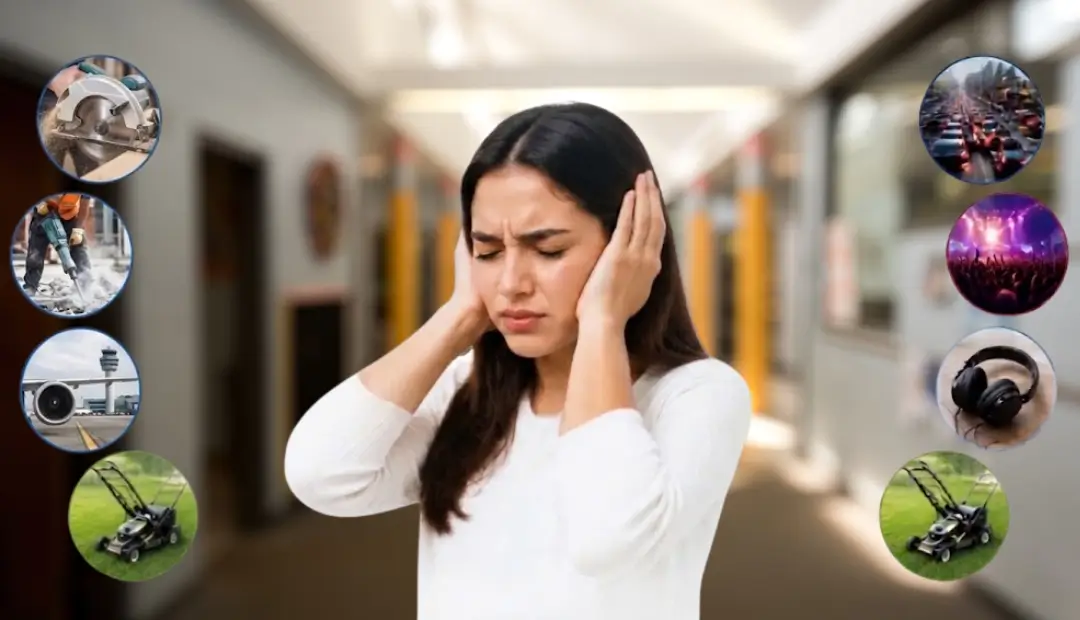
Why Background Noise Is Tougher to Listen To
People can usually hear each other better when they speak quietly than when there is a lot of noise around. Competing sounds in restaurants, busy offices, and crowded rooms make speech harder to distinguish.
In such cases, people who are hard of hearing may have to concentrate even more. The Mayo Clinic describes how hearing loss can make it difficult to understand conversations, especially in noisy environments.
Distance can pose another challenge. If someone is talking to you from another room, you may miss important details or misunderstand entire sentences. Poor lighting can also deprive you of useful visual cues like lip movements and facial expressions.
This is why someone can hear pretty well at home and have trouble in social settings. Hearing ability can be variable in different listening environments and situations. A normal conversation in a quiet room is not always a good guide to the problems faced in real-life communication.
The Connection Between Listening Effort and Mental Fatigue
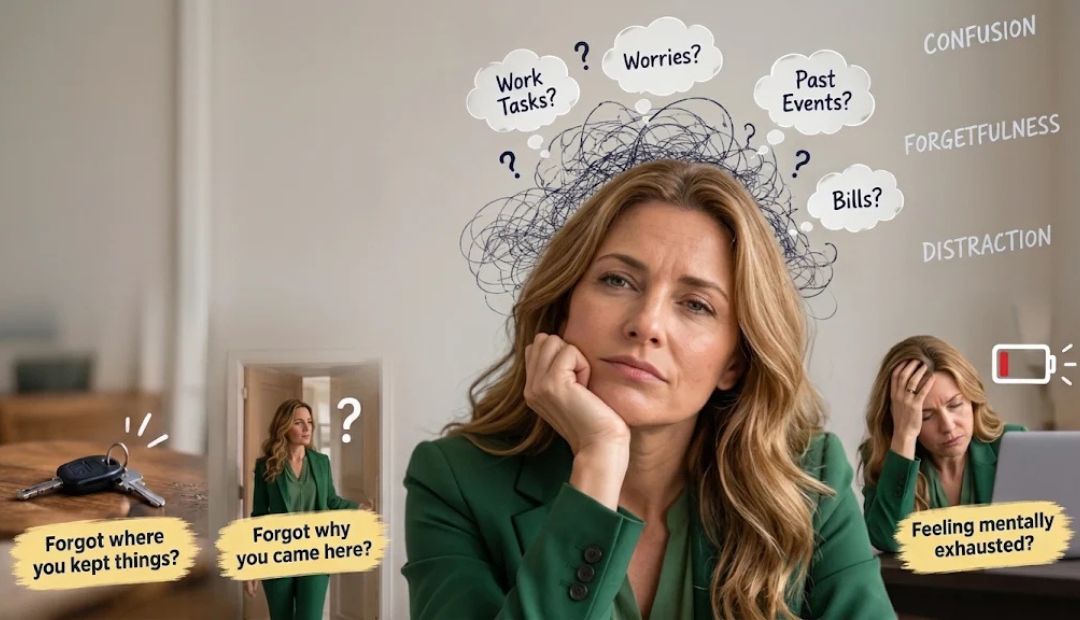
Listening requires attention, working memory, and the ability to process incoming information. These mental resources are more taxed when speech is difficult to understand. Long periods of sustained effort can add to tiredness.
Listening effort and listening fatigue are related concepts discussed in the National Academies report. Listening fatigue is the tiredness that comes with prolonged effort during demanding listening tasks. See more in its review of hearing health outcomes.
But hearing fatigue does not account for every experience of tiredness. Poor sleep, stress, demanding work, medications, and other health issues can also be factors. Hearing problems could be one important factor among others.
How Hearing Fatigue May Affect Your Mood
Constant listening effort can make everyday interactions feel more effortful. After a few difficult conversations, you might be less patient with more noise or questions. When you’re already tired in your head, even small misunderstandings are frustrating.
Some people get unusually irritable after social activities. Others prefer silence because they need a break from demanding conversations. Those responses do not necessarily mean a personality change or lack of interest in others.
Instead, they might reflect the effort that goes into understanding speech. Being aware that this may be the case can help people respond with more patience and self-understanding.
It may also help families work on communication problems instead of seeing withdrawal as rejection. Research published in the International Journal of Audiology explores how adults with hearing loss describe listening-related fatigue.
Why You Might Be More Irritable After Talking to Someone
Think of someone who spends hours in meetings. They often ask their colleagues to repeat important points and have difficulty following conversations in crowded rooms. In the afternoon, they may be tired and less comfortable with more conversations.
This pattern can influence professional and personal interactions. Some may answer impatiently, prefer to keep you off the phone, or like to work alone. There are many possible reasons for these behaviors, but they should not be automatically attributed to hearing loss.
Recognizing when irritability follows demanding listening situations can be a helpful clue. It can help you find environments that create unnecessary communication stress. A hearing assessment may then establish if hearing difficulties are part of the problem.
The Emotional Effect on Confidence and Self-Esteem
Repeated communication difficulties can slowly affect how people feel about themselves. Someone who frequently misinterprets conversations may worry that he or she is being perceived as inattentive or confused. They may be reluctant to contribute for fear of making the wrong contribution.
Such concerns can be especially uncomfortable in the workplace. Uncertainty in important discussions can stem from a lack of instructions or misreading colleagues. Some people start to avoid situations where they cannot easily follow what is being said.
With time, such avoidance can result in less confidence and independence. Family members might answer calls or explain conversations to people. Support can be useful, but over-dependence may compromise their perception of control.
Why Some People Pretend to Understand
It can be uncomfortable to admit you have hearing problems, especially when others seem to communicate so easily. Some people may nod, smile, or agree without knowing what someone said. They may be trying to avoid embarrassment or interrupting the conversation.
Unfortunately, this pretense of understanding can cause more issues. You could miss out on important details, and misunderstandings can lead to uncomfortable situations. The effort to conceal the difficulty may also add emotional pressure.
There is nothing wrong with asking someone to repeat or rephrase a sentence. Good communication is helpful for everyone. Letting people know what helps you hear better can make conversations easier and less stressful.
How Hearing Fatigue Impacts Relationships
Hearing loss is seldom a problem for the person who has it alone. Family members, friends, and colleagues may also notice changes in everyday communication.
If they don’t understand the underlying problem, they may misread the person’s behavior. The American Speech-Language-Hearing Association lists communication difficulties, social avoidance, and listening fatigue among possible signs associated with adult hearing loss.
For example, a partner might see repeated requests for repetition as inattentiveness. People who leave parties early may seem uninterested in family activities. During this time, the person experiencing hearing fatigue may feel embarrassed, frustrated, or misunderstood.
This can create stress, even when both people are trying to communicate better. If no one talks openly about the difficulty, little misunderstandings can accumulate. Talking about them openly can stop these problems from becoming bigger issues in the relationship.
Why Social Gatherings Might Not Be as Fun
Social events are usually full of conversations happening simultaneously. People move, change subjects, and speak from different directions. It can be tiring trying to keep up with those discussions if you have hearing difficulties.
Some people drift away from group activities slowly. They might decline invitations, avoid restaurants, or opt for quieter activities. But this might only offer temporary comfort, and repeated withdrawal can reduce meaningful social contact.
Practical Tips to Decrease Hearing Fatigue
Often, making conversation easier to follow is the first step in managing hearing fatigue. Small changes in the environment may reduce interfering sounds and improve communication. You don’t need to skip social activities just to save your energy.
Rather, think about which situations are most difficult. See if group meetings, phone calls, conversations from another room, or restaurants are a problem. Seeing these patterns can help you choose more effective strategies.
-
Delete Background Noise
If you can, choose quieter places. Turn off televisions, radios, and other sources of background noise that are not needed. When eating, choose a table away from kitchens, speakers, and busy areas.
Turn off competing noises at home before you start important conversations. Close windows and doors when outside noise is bothersome. These minor modifications can assist you in understanding speech better.
-
Improve Your Position in Conversations
Try to sit or stand where you can see the person speaking clearly. Face-to-face communication provides useful visual information such as facial expressions and mouth movements. Good lighting makes these visual cues easier to detect.
Ask people to get your attention before speaking. Encourage them to speak clearly, not shout, and use a comfortable pace. If you don’t understand something, ask for a sentence to be reworded, not for words to be repeated.
-
Have Hard Listening Activities With Pauses in Between
Long talks and busy social occasions can be tiring. Short breaks might provide an opportunity to recover from sustained listening effort. If you start to feel overwhelmed by noise or conversation, find a quiet place.
Try to fit demanding activities into your energy levels as much as you can. You might want to schedule big talks earlier in the day. The ability to take recovery time between meetings or social events makes it easier to attend.
-
Explain Your Communication Requirements
You may not always know when someone is having trouble hearing. A quick rundown of your needs can relieve the pressure and help avoid misunderstandings. Maybe you ask family members to look at you when they’re talking or not to cut each other off.
Specific requests tend to be more successful than general complaints. For example, explain which part of a sentence you missed. You can also ask a person to come closer or rephrase the information in a different way.
The World Health Organization highlights the importance of hearing care and communication support for people with hearing difficulties.
Can Devices Such as Hearing Aids Help?
When hearing loss causes listening fatigue, proper hearing care can help improve communication. Hearing aids make important sounds more accessible by amplifying sound to meet individual needs. But their effectiveness depends on the individual’s hearing profile, device settings, and listening environment.
Modern hearing aids may have directional microphones and noise management features. Such technologies can help some users focus on speech in difficult environments. But no device can block out all background noise or provide conversations with no effort.
Some people may also be helped by assistive listening devices. For example, remote microphones can bring a speaker’s voice closer to the listener with compatible equipment. An audiologist can explain which options may be appropriate for certain communication situations.
It’s important to understand that hearing aids are not a cure-all. Users may need adjustments, practice, and follow-up appointments to get useful results.
Even with someone who uses hearing technology, communication strategies and environmental changes are still valuable. The National Library of Medicine review notes that more research is needed to determine whether hearing interventions reduce listening effort and fatigue consistently.
When Should You Have a Hearing Assessment?
Just because you’re tired at the end of a long day doesn’t mean you have hearing loss. But if understanding speech is a repeated problem, it needs looking into. If you find you need to concentrate unusually hard to hear conversations, you might want to consider a professional hearing assessment.
Other warning signs may include frequently asking people to repeat themselves. You may find it difficult to understand speech in restaurants or group conversations.
Hearing problems can also be indicated by ringing in the ears, muffled sounds, and the need to turn up the television volume. The National Institute on Deafness and Other Communication Disorders describes common changes associated with age-related hearing loss.
An audiologist can test your hearing and help you find communication problems. The tests may include hearing sounds and understanding speech at varying sound levels. Some tests also assess speech recognition in background noise.
The results help to determine if hearing loss is present and how it impacts communication. A health professional can discuss with you what the best management options are for you.
These might include hearing aids, assistive devices, communication training, or medical referral. The NHS hearing loss guidance explains common symptoms and when to seek professional advice.
When Hearing Changes Require Immediate Attention
Certain changes in hearing require more urgent medical evaluation. Sudden hearing loss, especially that which occurs over hours or a few days, requires urgent attention. Don’t think that sudden changes will go away on their own without treatment.
If you suddenly lose hearing in one or both ears, get medical attention right away. Ear pain or drainage, severe vertigo, or rapid progression of symptoms also warrant a professional evaluation.
A clinician can tell if an underlying condition needs urgent treatment. The NICE hearing loss recommendations explain when sudden hearing loss requires immediate referral.
Understanding Hearing Fatigue Can Help You Re-Connect
It can be frustrating to feel drained after conversations, especially if you enjoy being around other people. You might begin to question your patience, your confidence, or your interest in social activities. But hearing fatigue provides another possible explanation for these experiences.
When listening effort increases with hearing loss, the energy needed for normal communication increases. Over time, this can impact mood, work performance, and relationships. Recognizing the pattern is a key step toward finding appropriate support.
Notice which conversations sap your energy the most. Make practical changes, explain your communication needs, and consider a professional hearing assessment.
With the right support, many people are able to make communication in their day-to-day life easier and maintain connections to the people that matter to them.
What If Hearing Fatigue Is Affecting More Than Your Energy?
Discover the overlooked connection between hearing difficulties, emotional exhaustion, and the growing distance in everyday relationships.
Affiliate Disclosure: This post contains affiliate links, if you make a purchase through one of these links, we may earn a commission at no additional cost to you. This helps support our website and allows us to continue providing helpful content.
Medical Disclaimer: This article is for educational purposes only and should not replace professional medical advice, diagnosis, or treatment. Consult a qualified healthcare professional before making changes to prescribed medications or treatment. For more read our detailed medical disclaimer