






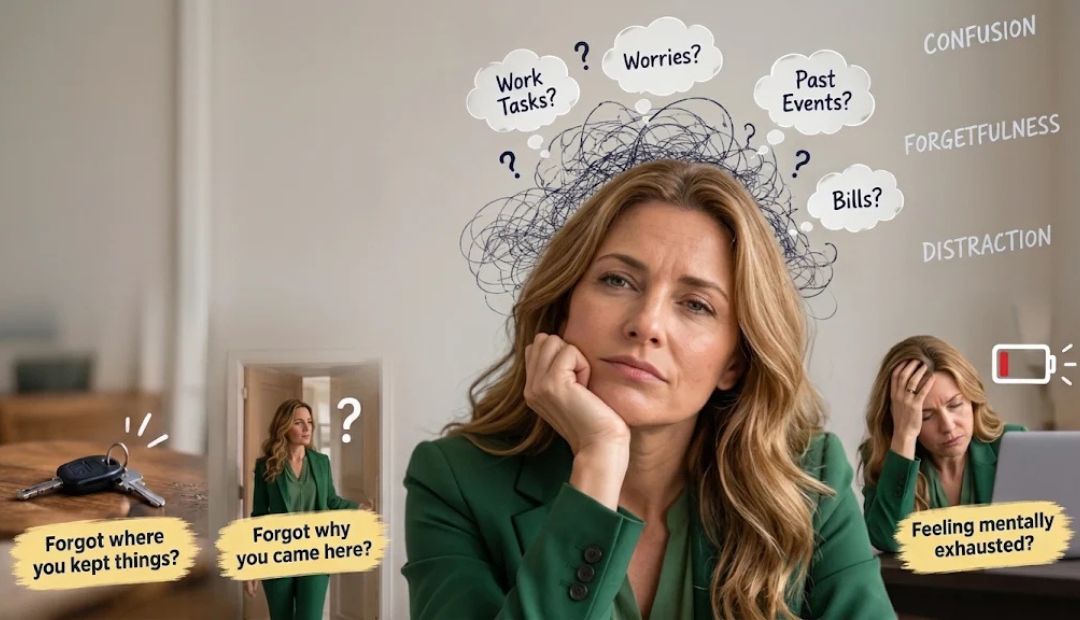




Tinnitus and sleep can become closely linked when ringing in the ears makes it hard to relax at night. Quiet bedrooms can seem like the best place to get rest, but in quiet surroundings, internal sounds may become more noticeable. Worry about another bad night can make it harder to fall asleep over time.
This pattern may sound familiar. You switch off the lights and climb into bed. And then you hear the familiar ringing. You shift, fluff your pillow, check the time, and hope the sound will eventually go away.
Eventually, frustration replaces relaxation. You may sleep less than you planned or wake up several times at night. Fatigue can affect your patience, concentration, and motivation the next morning.
The good news is that there are a number of practical approaches that can make nighttime tinnitus easier to manage. A good first step is to understand the relationship between tinnitus and sleep. You can build a bedtime routine that supports sleep without expecting the sound to disappear altogether.
Why Tinnitus and Sleep Can Be a Difficult Combination
Why Ringing Is More Pronounced in Quiet Rooms
Tinnitus is the perception of sounds that do not arise from an external source but occur within the auditory system. These sounds are often described as ringing, buzzing, humming, hissing, or whistling. You can hear tinnitus in one or both ears, or inside your head.
Normal environmental sounds compete with your tinnitus for your attention throughout the day. There is constant auditory stimulation from conversations, traffic, household activities, and background music.
These sounds can make tinnitus less noticeable without actually changing the underlying sound. The National Institute on Deafness and Other Communication Disorders explains how tinnitus can affect people in different ways.
Much of that competing noise goes away at bedtime. Things around you quiet down. There’s less external noise to distract you. Tinnitus may therefore be perceived as louder or more intrusive, although the actual intensity is unchanged.
This experience doesn’t mean your hearing condition has suddenly worsened. It may simply reflect the difference between a busy daytime environment and nighttime silence.
How Tinnitus and Sleep Can Feed Off Each Other
Tinnitus and sleep have more to do with than sound alone. Your emotional response to the ringing can also play a part in how easily you relax. Bedtime can even become stressful when you’re anticipating another sleepless night.
You may listen very attentively to the noise before falling asleep. Every time you notice it, you feel more alert, frustrated, or worried. This makes it more difficult to take your mind off the tinnitus and focus on resting.
Poor sleep can then make the next day more challenging. Fatigue can affect your ability to cope with stress and function on a day-to-day basis. Some people also become more sensitive to sounds when they are feeling overwhelmed or exhausted.
This pattern can slowly create a frustrating cycle. Tinnitus disrupts sleep, and poor sleep makes tinnitus less bearable. Thus, addressing both problems can be more helpful than focusing on the ringing alone. Understanding this connection between tinnitus and sleep can help you choose strategies that address both concerns.
The Effects of Ringing at Night on Your Daytime Life
Sleep problems associated with tinnitus can often have an impact outside the bedroom. A restless night can leave you feeling unprepared for the usual demands of daily life. When you’re low on energy, even simple things can take a lot of work.
You may have difficulty concentrating during conversations or on routine tasks. Some people become impatient because being tired makes everyday frustrations feel worse. Others become socially isolated because they have no energy to engage.
Repeated sleep disruption can also affect mental health. You can start worrying about bedtime hours before you go to bed. Such anticipation can lead to less comfortable, more unpredictable evenings.
Experiences like this are worth paying attention to, especially if they persist for several weeks. Tinnitus can affect mood, concentration, and sleep, but the effects vary from person to person. Knowing these effects may help you explain your difficulties when you go to a healthcare appointment.
Tinnitus and Sleep: Practical Ways to Improve Your Nights
1. Don’t Ever Sleep in Absolute Silence
One helpful strategy is to add some gentle background sound to your bedroom. It is often called sound enrichment or sound therapy. It gives you another sound to listen to instead of tinnitus being the only thing you can hear.
You don’t need expensive equipment to try this approach. Playing a quiet fan, a recording of rainfall, or some calm music without words may help. Some people like the sounds of nature, while others prefer a constant broadband noise.
This is a matter of individual taste and the nature of your tinnitus. Choose something neutral or pleasant rather than distracting or annoying. Keep the volume at a comfortable level and don’t try to block out the ringing completely.
The Royal National Institute for Deaf People explains how soft background sounds can help people cope with tinnitus. Sound enrichment may not necessarily improve sleep, but it might help make tinnitus less intrusive.
2. Pick the Right Background Sound and Volume
It takes some experimentation to get the right sound. Rainfall, ocean waves, gentle airflow, and soft music are common starting points. You can try different options for a couple of nights and see which one feels the most comfortable.
Turn the volume down low enough to be soothing. Many people like to hear both the background sound and some tinnitus. The goal isn’t necessarily to get rid of all traces of ringing.
Instead of using headphones at night, try putting a small speaker next to your bed. This is likely to be more comfortable and means you don’t have to wear headphones for hours on end while sleeping. If you have an audio device, use it according to its safety instructions and keep the volume at a moderate level.
Some people find a sound pillow or bedside sound generator helpful. Others like a basic smartphone app with a sleep timer. You don’t need a special device unless ordinary options don’t work for you.
The American Speech-Language-Hearing Association describes different sound therapy options, including bedside devices and background sounds.
3. Establish a Consistent Bedtime Routine
You can prepare your body for sleep by having a predictable bedtime routine. Attempt to go to bed and wake up at roughly the same time each day. Keeping a regular schedule can help promote a more consistent sleep pattern over time.
Start to relax before you go to the bedroom. Do something relaxing, such as reading, gentle stretching, or listening to soothing music. Don’t let bedtime become another time to obsess about your tinnitus.
Allow yourself time to transition out of work and stressful activities. Bright screens, demanding conversations, and stimulating entertainment may keep you mentally alert. A more relaxed evening can help you make the transition to sleep.
It’s more important to be consistent than to create a complicated routine. Pick a couple of small habits and follow them consistently. It’s usually easier to stick with gradual changes than an entirely new bedtime routine.
4. Manage Stress Before Going to Bed
Stress doesn’t cause all cases of tinnitus, but it can affect how distressing the sound appears to be. When you’re feeling tense, you may be more aware of your internal sensations. This can make the ringing at night seem more difficult to ignore.
Take a few slow breaths before you go to sleep. Breathe in deeply and let your shoulders and jaw relax. You can also try some light mindfulness exercises that encourage attention without judgment.
Some people find progressive muscle relaxation helpful. This technique involves slowly tightening and releasing different muscle groups. It can provide a structured way to release physical tension before sleep.
And remember, relaxation is not a test you have to pass. If you still hear the tinnitus, it doesn’t mean the exercise hasn’t worked. The point is to lower the tension and make bedtime feel less like a chore.
5. Check Your Evening Habits, Caffeine, and Alcohol
Even if your daily habits are not directly responsible for tinnitus, they can affect the quality of your sleep. Caffeine can interfere with sleep, especially when consumed later in the day. Try to cut back on coffee, tea, energy drinks, or any other caffeinated products in the afternoon and evening.
Some people may feel sleepy initially when they drink alcohol. However, it can interrupt sleep later in the night. Avoid using alcohol to cope with your tinnitus or to help you sleep.
Smoking and nicotine can also affect sleep and your overall health. Some people experience discomfort when eating large meals just before going to bed. Try eating dinner earlier and going to sleep at a consistent time each night.
The response can vary, so do not assume that every food or drink will worsen tinnitus. Pay attention to how certain habits consistently affect your sleep. A simple sleep diary can help you recognize patterns without putting too many restrictions on yourself.
6. Don’t Keep Checking the Ringing Over and Over
If you keep checking to see if the tinnitus is gone, you may pay more attention to it. You may mute background sounds or turn your head to see what is ringing. Unfortunately, this habit can take up even more mental space.
Instead, redirect your focus to a pleasurable activity. Focus gently on your breath or listen to your chosen piece of background sound. If you notice your mind drifting back to tinnitus, acknowledge it but don’t begin another round of checking.
That may seem like a strange way to go. Changing an established habit of attention requires practice and patience. Progress is not about pretending that tinnitus does not exist or ignoring it.
When Tinnitus and Sleep Disturbances Require Professional Help
When to See a Healthcare Professional
Sleep disruption now and then isn’t necessarily a sign of serious medical trouble. But persistent tinnitus should be checked, especially if it affects your daily activities.
If ringing regularly interferes with your sleep or concentration, consult a healthcare professional. The NHS tinnitus guidance explains when to seek medical advice and what support may be available.
A clinician can examine your ears and discuss your symptoms with you. They might look for earwax buildup, infection, changes in your hearing, or other possible causes.
Depending on your situation, they may recommend a hearing assessment or a referral to a specialist. The Mayo Clinic’s tinnitus guide describes common evaluation methods and treatment approaches.
Explain when the tinnitus started and whether it is unilateral or bilateral. Notice if the sound pulses with your heartbeat or changes with movement. Also tell your clinician how often you have trouble falling asleep or staying asleep.
If you have sudden hearing loss and tinnitus, get medical attention immediately. Tinnitus after a head injury needs urgent assessment. Seek urgent medical help if you have facial weakness, severe vertigo, or any new neurological symptoms.
Arrange urgent assessment for tinnitus that beats in time with your pulse. Sometimes pulsatile tinnitus is due to a vascular or other identifiable cause.
A healthcare professional can determine what investigations are appropriate. The World Health Organization’s tinnitus information also explains when tinnitus needs medical attention.
What Treatments Can Help Reduce Distress Associated with Tinnitus?
Currently, there is no single treatment that removes tinnitus for everyone. But there are a number of ways to reduce its effect on day-to-day life. Treatment is based on the suspected cause, hearing status, and the amount of distress.
If earwax or an infection is causing the tinnitus, treating the condition may help. Professionally fitted hearing aids can be helpful for people with hearing loss. For some people, making everyday sounds easier to hear can help make the tinnitus less noticeable.
Another choice is cognitive behavioral therapy, or CBT for short. It helps people change unhelpful patterns of thinking and responses associated with tinnitus.
CBT might not make the sound go away, but it can reduce the distress that accompanies it. The VA and Department of Defense tinnitus guideline discusses evidence-based approaches to managing persistent tinnitus.
The NICE guideline on the assessment and management of tinnitus recommends psychological interventions for adults with persistent distress from tinnitus. These can include digital CBT, group-based CBT, or individual CBT, as appropriate to the clinical need. You can review the NICE tinnitus recommendations for further details.
Even with improvements in your tinnitus routine, if you still have insomnia, talk to your clinician about it separately. Cognitive behavioral therapy for insomnia (CBT-I) can help people who have ongoing sleep problems. It deals with thoughts and behaviors that interfere with healthy sleep. The Sleep Foundation’s CBT-I overview explains how this approach addresses sleep-related difficulties.
Do not start any sleeping pills, supplements, or other remedies without proper guidance. No drug has been shown to be an all-purpose cure for tinnitus. Some medicines may help with associated problems, but benefits and risks need to be considered individually.
Designing a Better Bedtime Routine
Often, managing tinnitus and sleep requires a series of small changes rather than one perfect solution. First, set your bedroom up to be cozy and add a little background noise. Then, establish a regular bedtime and add a relaxing activity before bed.
Allow each change enough time to determine whether it is useful. You may find that rain sounds work better than white noise. Someone else may prefer a fan, soft music, or a quiet room with a little background sound here and there.
Monitor your sleep but don’t fret over every bad night. Record your bedtime, wake-up time, background sound, and overall sleep quality. After a few days, look for patterns that indicate which habits are helping.
Be patient with yourself when progress seems uneven. Even if you stick to your routine, there will still be some hard nights. One night of lost sleep doesn’t mean you’ve failed.
Better Sleep Can Start with a Different Response to Tinnitus
Nighttime ringing can make getting into bed feel like something you have to brace yourself to put up with. But tinnitus doesn’t have to rule your whole evening. Understanding why silence makes it more noticeable can help reduce unnecessary worry.
Soft background noise, steady sleep patterns, and relaxation techniques might make the nights more bearable. Professional support can also help if tinnitus is causing persistent distress or disrupting sleep. The right approach will depend on your symptoms, your hearing health, and your individual needs.
Most important, don’t judge success by whether the ringing is gone. A big win could be feeling less upset, falling asleep more easily, or waking up feeling more energized. With the right support and consistent strategies, you can develop a healthier relationship with tinnitus and sleep.
What If Nighttime Tinnitus Isn’t the Whole Story?
Discover why ear ringing becomes harder to ignore at bedtime and what may help you sleep more comfortably.
Affiliate Disclosure: This post contains affiliate links, if you make a purchase through one of these links, we may earn a commission at no additional cost to you. This helps support our website and allows us to continue providing helpful content.
Medical Disclaimer: This article is for educational purposes only and should not replace professional medical advice, diagnosis, or treatment. Consult a qualified healthcare professional before making changes to prescribed medications or treatment. For more read our detailed medical disclaimer