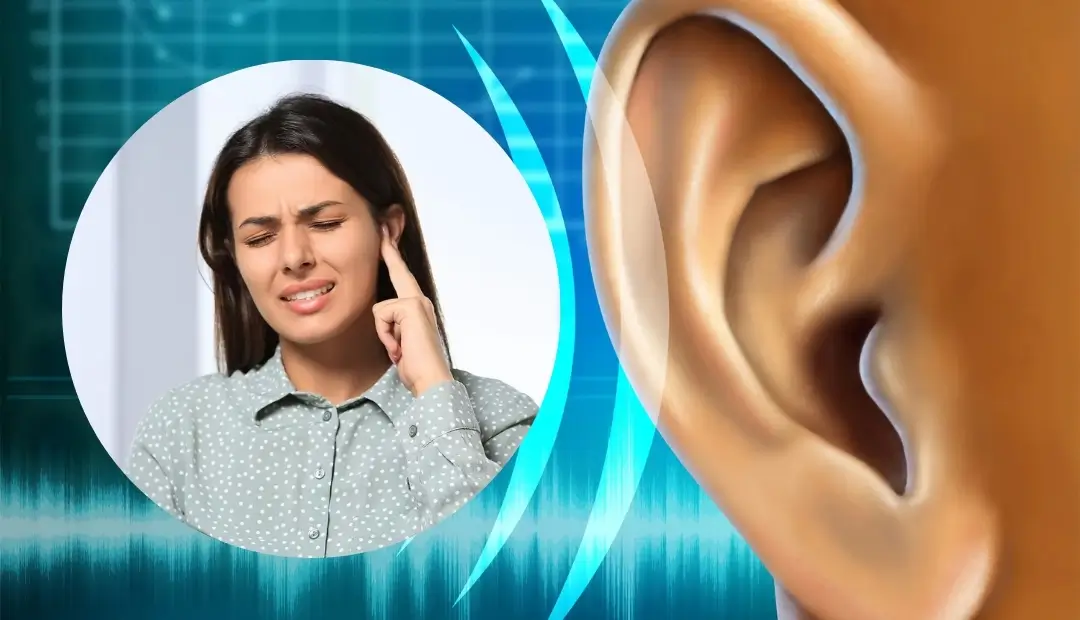








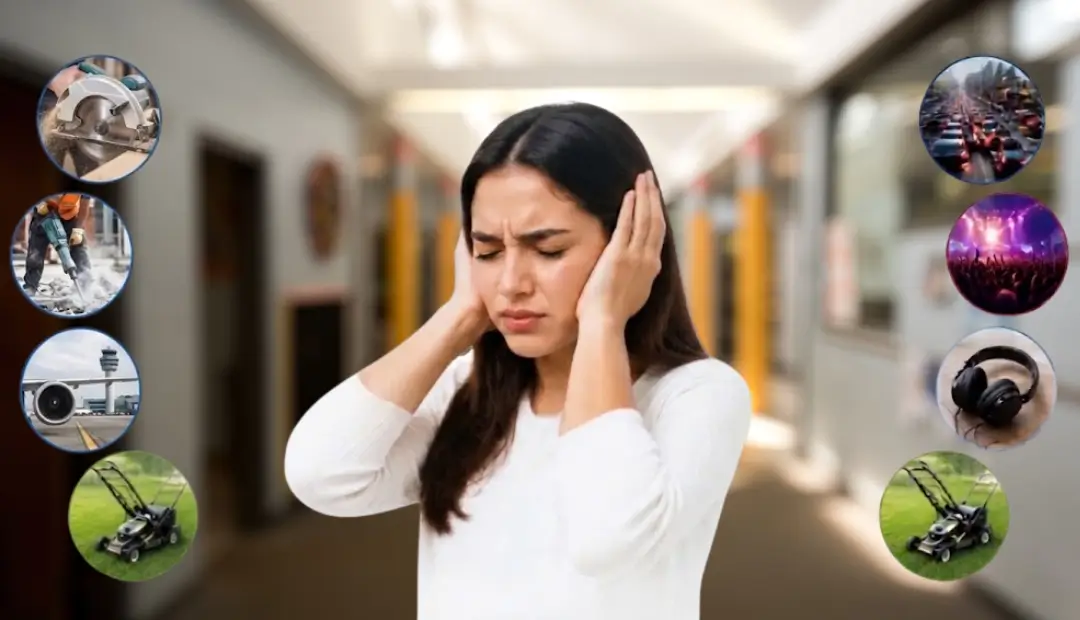
Loud noise hearing damage can happen gradually, sometimes before you notice any difference in your hearing. Concerts, noisy workplaces, power tools, and headphones can all expose your ears to damaging sound levels. Repeated exposure can gradually affect your ability to hear clearly, even if your hearing seems normal afterward.
Perhaps you leave a concert with ringing ears that disappears the following morning. Maybe after years around machinery, it has gotten harder to keep track of conversations at work. These experiences may be temporary, but they deserve attention rather than dismissal.
Hearing damage does not always start with obvious deafness. You might first notice muffled sounds, trouble understanding speech, or persistent ringing. Learning how your ears work can help you understand the risks and protect your hearing.
What Happens to Your Ears When You Hear Loud Noise?
How Your Ears Process Sound Normally
Hearing begins when sound waves enter your outer ear and reach the eardrum. The waves make your eardrum vibrate, passing the movement to three tiny bones in the middle ear. Then the vibrations move to the cochlea, which is a spiral-shaped structure in your inner ear.
Inside the cochlea are thousands of tiny sensory hairs. They react to sound vibrations and convert them into electrical signals. Those signals are sent to your brain by your auditory nerve. Your brain decodes those signals into sounds you recognize.
Different hair cells respond to different frequencies of sound. This organization helps you separate voices, music, alarms, and environmental sounds. Healthy hair cells are therefore an important part of straightforward communication.
How Loud Noise Starts to Damage Hearing
Very loud sounds can put too much stress on delicate structures inside the cochlea. Strong vibrations can damage sensory hair cells and their small, hair-like bundles. The changes can interfere with the accuracy of sound information transmitted by your ears.
Supporting structures and the linkages between sensory cells and auditory nerve fibers may also be affected by noise exposure. Scientists continue to study the various mechanisms of noise-induced hearing problems. However, damage to the sensory cells of the inner ear is a well-known cause of permanent noise-induced hearing loss.
There is one important detail that makes this damage particularly worrisome. In humans, cochlear hair cells do not regenerate once they are permanently damaged. This means that severe or repeated injury may cause lasting changes in the ability to hear.
According to the National Institute on Deafness, too much noise injures sensitive inner-ear structures. Its guidance also explains common symptoms and practical prevention strategies.
Why Repeated Loud Noise Exposure Is More Dangerous
The Relationship Between Exposure Duration and Sound Intensity
Not all loud sounds are equally hazardous. There are three primary factors associated with potential hearing damage: volume, time, and distance. Repeated exposure is also important, as harmful noise can build up throughout the day.
Sound intensity is measured in decibels (abbreviated as dB). The greater the decibel level, the more quickly harmful exposure can occur. Some sounds that may seem harmless for a moment can become dangerous when you are exposed to them for a long period of time.
For example, the average conversation occurs at about 60 decibels. Much higher levels can be produced by heavy traffic, motorcycles, and loud household equipment. Concerts and some personal audio devices can expose listeners to especially intense sounds.
The CDC’s National Institute for Occupational Safety and Health recommends that the average exposure in the workplace should not exceed 85 decibels for eight hours.
This recommendation does not guarantee safety for everyone, but rather sets a standard for occupational exposure. The NIOSH noise guidance explains the risks associated with workplace exposure.
Why You Shouldn’t Ignore Transient Symptoms
If you have been exposed to a loud event, you may experience ringing, buzzing, or muffled hearing. These symptoms could indicate a temporary change in hearing sensitivity. For some people, their hearing returns to normal within hours or days.
However, temporary improvement does not make repeated exposure safe. Even if previous symptoms have disappeared, repeated exposure to noise can cause permanent damage. Consider post-exposure ringing or muffled hearing as a warning to reduce future exposure.
Not everyone has noticeable symptoms immediately after harmful noise. Changes in hearing may occur very slowly and be difficult to notice. This is why some people only become aware of a problem when conversations are getting more and more difficult.
Common Causes of Loud Noise Hearing Damage
1. Noise in Industry and the Workplace
Workers in factories, construction sites, workshops, and manufacturing facilities can be exposed to hazardous noise. Machinery, compressors, drills, cutting equipment, and heavy vehicles can create continuous sound. Workers can be exposed for the majority of their working day.
This repeated exposure becomes especially problematic when employers lack effective noise-control measures. Inappropriate hearing protection increases the risk of long-term injury. Workers also may miss gradual changes because the environment becomes familiar.
Employers should assess workplace noise levels and reduce exposure where feasible and reasonable. Better protection, equipment maintenance, and quieter working practices can all help.
Workers who experience inadequate protection or persistent symptoms should report them through appropriate workplace channels.
The CDC’s prevention advice outlines practical steps for reducing exposure and protecting hearing in everyday and workplace settings.
2. Concerts, Nightclubs, and Sports Events
Around live music and crowded entertainment venues, sound levels can be very high. When you are near a loudspeaker, more sound reaches your ears. Long events can extend exposure even when the music feels comfortable at first.
You might walk out of a concert with ringing or muffled hearing. Friends may also experience similar symptoms and view them as typical effects of enjoying music. However, these symptoms are signs that your ears have been subjected to potentially damaging sound exposure.
Music earplugs reduce the loudness but let you hear more of what is happening. Distance also cuts down on exposure to speakers. Give your ears a break by taking breaks in quieter areas.
The World Health Organization provides safe-listening guidance covering concerts, personal audio devices, and other noisy environments.
3. Headphones and Personal Audio Devices
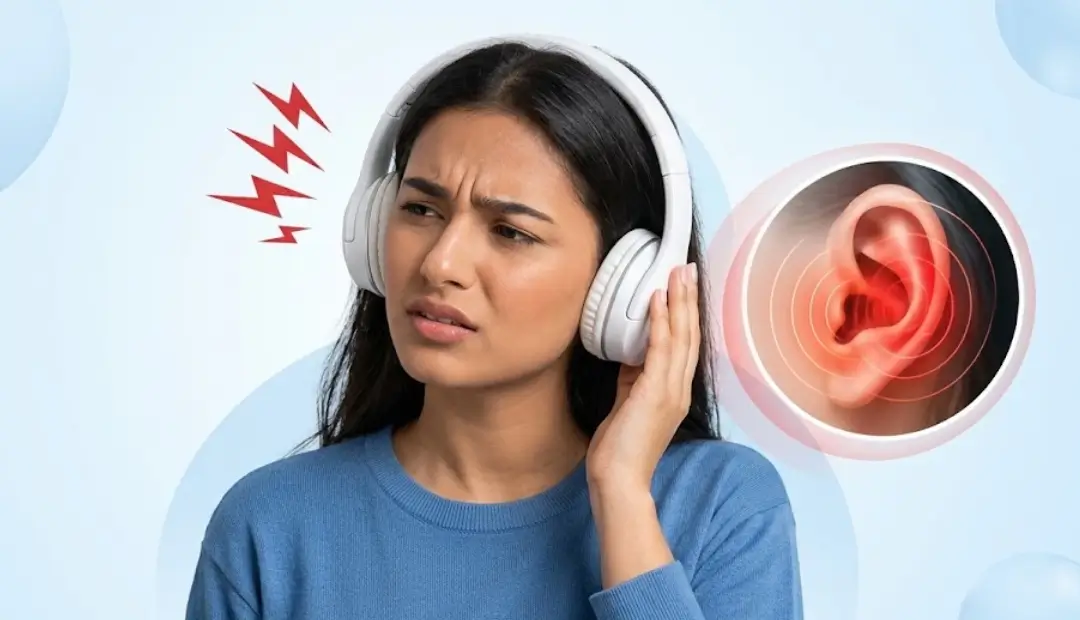
Headphones allow people to enjoy music, videos, and calls nearly anywhere. Problems can arise when listeners use too much volume for extended periods. Loud surroundings can cause people to turn up the volume more than they need to.
Earbuds and headphones don’t automatically cause hearing loss. Their risk depends almost entirely on how loudly and how long people listen. Listening to loud sounds often can lead to noise-induced hearing damage.
Headphones that cancel out noise may help reduce the urge to turn up the volume in noisy settings. Volume limits and features that monitor exposure can also help promote safer listening habits. Comfortable sound is not necessarily a good measure of safe exposure.
For additional information about listening habits and hearing health, the American Speech-Language-Hearing Association offers guidance for the public.
4. Common Tools and Recreational Activities
Some common activities expose people to more noise than they realize. Lawn mowers, leaf blowers, power tools, motorcycles, and fireworks can produce dangerous noise levels. Then there are the major exposure risks of shooting sports and some recreational vehicles.
Because these activities appear normal, people may underestimate their cumulative effects. Exposure for a few minutes can become several hours over repeated activities. Extra exposure from loud hobbies can increase total exposure on top of workplace noise.
Consider the entire week, not just one noisy event in isolation. Hearing protection is important for both occupational activities and hobbies. Small precautions can cut down on needless exposure in different areas of your life.
The Cleveland Clinic’s overview explains how everyday activities and sudden loud sounds can contribute to noise-induced hearing loss.
Signs of Loud Noise Hearing Damage
First Signs That You Need to Know
Noise-related changes in hearing do not always feel like obvious hearing loss. Early symptoms can be ringing, buzzing, or temporary muffled hearing. Some people may notice that normal sounds are less intelligible after noisy activities.
You may also have trouble understanding speech in restaurants or crowded rooms. Background noise can compete with other people’s voices and make conversations tiring. You may find yourself asking people to repeat themselves or turning up the TV volume.
Another warning sign is difficulty hearing high-pitched sounds. You might start missing things like doorbells, birdsong, and some electronic alerts. These changes can affect daily activities without appearing serious at first.
The American Academy of Audiology describes common warning signs, including muffled hearing and ringing after exposure to loud sounds.
How Hearing Changes Impact Your Daily Life
Hearing difficulties can affect more than just communication. You may avoid group conversations because it requires more effort to follow multiple voices. If you are constantly trying to figure out what people are saying, social events can become less enjoyable.
Also, instructions or warnings that are hard to hear can make work more difficult. Misunderstandings can destroy confidence and lead to unnecessary frustration. Some people may avoid engaging in conversation because they do not like having to keep asking for clarification.
Another source of discomfort may be tinnitus. Continuous ringing can interfere with concentration, relaxation, or sleep. If these symptoms persist, a professional evaluation can help determine what the next steps should be.
How to Protect Your Ears From Loud Sounds
1. Minimize Exposure Whenever You Can
The best way to prevent loud noise hearing damage is to minimize exposure to hazardous noise. Turn down music, leave overly noisy places, and avoid loud machinery. Distance also makes a difference. Generally, the farther away you are, the quieter it will be.
Try to limit the amount of time that you spend around loud noises. If possible, take frequent breaks in quieter places. Don’t put several noisy activities together without having some quiet breaks in between.
These changes may be simple, but the key is to be consistent. Limiting exposure during many activities may reduce your overall risk of hearing loss. Prevention is key, especially since there is no known medical cure for permanent noise-induced hearing loss.
For more information about prevention, NHS hearing guidance explains why protecting your hearing and recognizing changes early are important.
2. Wear Adequate Hearing Protection
Earplugs and earmuffs can lower the amount of sound that reaches your inner ears. Different designs fit different environments and personal tastes. Pick protection with the appropriate noise reduction rating for your activity.
Proper fit is important because protection worn incorrectly may offer less noise reduction. Replace damaged or worn equipment. Follow the manufacturer’s instructions. Workers should be provided with adequate protection and training for the environment in which they work.
Musicians and frequent concert-goers might prefer high-fidelity earplugs. These devices cut down sound but maintain a more balanced listening experience. An audiologist can help you find appropriate options for your specific needs.
3. Make Listening to Headphones Safer
Keep your audio volume as low as possible. As a general precaution, the World Health Organization advises keeping the volume of devices at less than 60 percent of maximum. However, actual sound exposure varies with the device, headphones, and listening environment.
If there is background noise that makes you listen louder, choose well-fitting or noise-canceling headphones. Use built-in exposure alerts or monitoring features if available. Take listening breaks and don’t spend unnecessarily long periods at high volume.
The World Health Organization’s safe-listening guidance explains how volume and listening time affect the risk of hearing damage. It also offers practical advice for concerts, workplaces, and personal listening devices.
4. Be Aware of Noise in the Workplace
If you work around noisy machinery, ask whether your workplace is being evaluated for noise. Sometimes, employers can reduce exposure by using quieter equipment or sound barriers. Work arrangements may also change in such a way as to reduce time spent near particularly noisy sources.
Wear hearing protection appropriate to your work environment. Don’t take it out just because you get used to the noise. Hearing checks at regular intervals can identify changes before they become more apparent.
Workplace hearing conservation programs can include exposure monitoring and audiometric testing. These programs help employers and workers identify possible risks. Discuss with your occupational health professional what sort of protection and testing schedules are needed.
What to Do After Being Exposed to Very Loud Noise?
If you have ringing or muffled hearing after a noisy event, remove yourself from the noisy environment. Avoid additional loud sounds while your ears are recovering. Do not think that because the symptoms have disappeared, a future exposure will do no harm.
If ringing, muffled hearing, or other changes persist, schedule a hearing assessment. Symptoms can be evaluated by an audiologist or health care professional. They may recommend hearing tests and further medical evaluation if applicable.
Sudden hearing loss is an emergency, particularly if it occurs over the course of hours or days. Don’t wait for it to get better on its own. Early assessment is important because some causes need to be treated promptly.
If you have persistent tinnitus, ear pain, dizziness, or any obvious hearing problems, you should also seek medical advice. A clinician can explore possible causes and recommend appropriate treatment. Don’t insert anything in your ears or try any unproven therapies.
The Mayo Clinic’s hearing-loss information explains common symptoms and why changes in hearing should be assessed by a health professional.
Can Hearing Damage From Loud Noise Be Reversed?
Recovery depends on the nature and severity of the injury. Temporary changes in hearing may improve after exposure ends. Damage to the hair cells of the cochlea is typically permanent and irreversible.
There is no drug or procedure known to reliably restore hearing lost due to noise-induced damage to the hair cells. However, treatment can help people deal with the effects. If hearing loss is interfering with daily activities, hearing aids may improve communication.
Tinnitus can also be helped by professional tinnitus management. There are options such as counseling, sound-based approaches, or hearing devices, depending on your needs. A hearing specialist will be able to explain what approaches are appropriate.
Even if some damage has already been done, it’s important to protect the hearing you have left. Preventing further hazardous exposure may stop further deterioration. Regular assessments also help you track changes and find appropriate support.
Protecting Your Hearing Starts With Daily Choices
Damage from loud noise can occur from repeated exposure or from one extremely loud sound. The process can start within the delicate structures long before there are any obvious difficulties with hearing. If you notice the early warning signs, you have the chance to make safer choices.
Pay attention to the sounds around you at work, at home, and during entertainment. Minimize exposure time, reduce volume, and use hearing protection. These habits can help you retain your ability to communicate and enjoy the sounds of everyday life.
Even if you think everything is normal, your hearing deserves attention. Don’t wait for the ringing to continue or conversations to become difficult before taking precautions. Protect your ears today and help preserve better hearing years from now.
What Happens Inside Your Ears After Repeated Noise Exposure?
Discover why loud sounds can cause hidden damage, even when your hearing seems normal after exposure.
Affiliate Disclosure: This post contains affiliate links, if you make a purchase through one of these links, we may earn a commission at no additional cost to you. This helps support our website and allows us to continue providing helpful content.
Medical Disclaimer: This article is for educational purposes only and should not replace professional medical advice, diagnosis, or treatment. Consult a qualified healthcare professional before making changes to prescribed medications or treatment. For more read our detailed medical disclaimer