


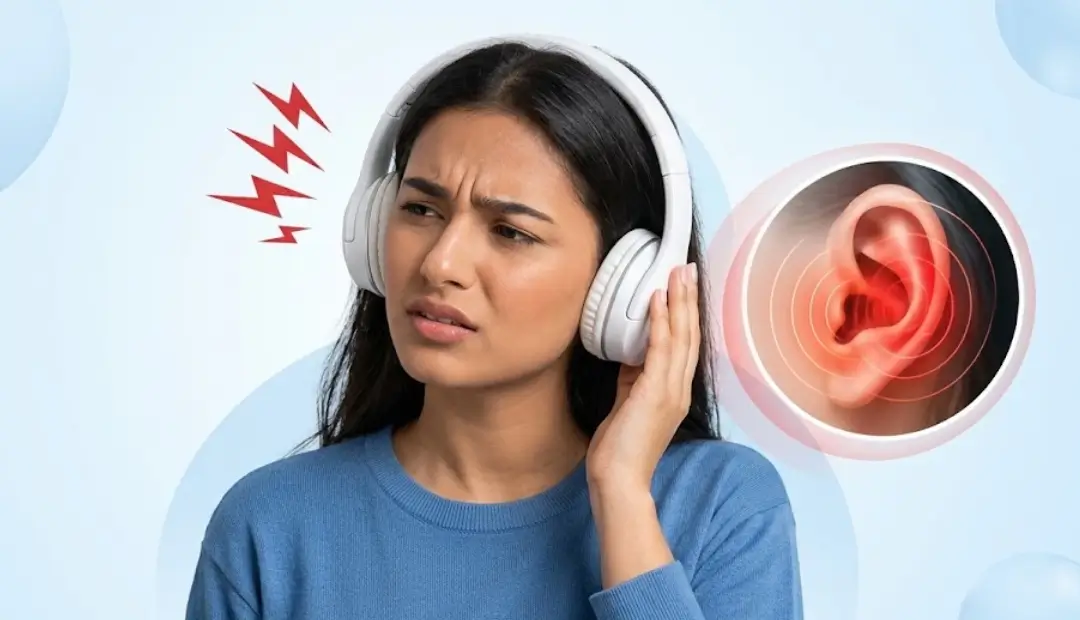
You leave a concert, remove your headphones, or switch off the music after a long drive. Yet, a strange ringing sometimes follows you into the silence. This experience, often described as loud music and ringing ears, may reveal how strongly sound affects your hearing system.
For some people, the ringing fades after a few hours. Others notice muffled hearing, unusual sound sensitivity, or difficulty following conversations. These symptoms deserve attention, especially when loud music has become part of everyday life.
The concern goes beyond temporary discomfort. Repeated exposure to excessive noise can damage delicate structures inside the inner ear. Understanding what happens after the music stops can help you protect your hearing before problems become more noticeable.
Why Loud Music and Ringing Ears Often Appear Together
Ringing after loud music exposure is a common warning sign of possible noise-related stress. The sound may resemble buzzing, whistling, humming, or a high-pitched electronic tone. Medical professionals call this experience tinnitus.
Tinnitus does not always mean permanent hearing damage. However, it can occur after exposure to sounds that temporarily affect the auditory system. Persistent or recurring ringing deserves professional assessment.
After a loud concert, you might notice that ordinary conversations sound unusually distant. You may also struggle to hear quieter sounds or understand speech clearly. These changes can indicate a temporary shift in hearing sensitivity.
Some symptoms disappear as the auditory system recovers from exposure. However, the disappearance of symptoms does not guarantee that no damage occurred. Research suggests that noticeable hearing loss may not reveal every harmful effect of loud noise.
The National Institute on Deafness and Other Communication Disorders explains how both sudden and repeated noise exposure can cause hearing loss. It also identifies concerts and high-volume headphones as potential sources of harmful sound.
What Happens Inside Your Ears After the Music Stops?
Sound travels through the ear as vibrations before reaching the inner ear. Inside a structure called the cochlea, specialized sensory cells help convert these vibrations into electrical signals. The auditory nerve then carries information toward the brain.
These sensory cells include tiny structures called hair cells. They respond to different sound frequencies and help your brain recognize speech, music, and environmental sounds. Their delicate design makes them vulnerable to excessive noise.
Very loud sounds can overstimulate or physically damage these structures. Repeated exposure may gradually reduce their ability to respond normally. Once damaged, human inner-ear hair cells generally do not regenerate.
This explains why noise-related hearing loss can become permanent. The damage may affect certain frequencies before everyday hearing seems noticeably different. You might therefore miss early changes without realizing what has happened.
The NIDCD explanation of noise-related hearing damage describes how excessive sound affects inner-ear hair cells. It also highlights three important factors: sound intensity, exposure duration, and distance.
Why Ringing Can Continue Long After Loud Music Ends
One frustrating feature of tinnitus is its ability to remain noticeable after the original sound disappears. You may hear ringing while driving home, preparing dinner, or trying to fall asleep. The surrounding environment becomes quiet, but the internal sound remains.
Tinnitus involves activity within the auditory system rather than an external sound source. Researchers continue investigating its different mechanisms and why some people experience persistent symptoms. Hearing loss and changes in auditory processing can contribute to tinnitus.
Quiet environments can make tinnitus easier to notice. During a concert, loud music masks many quieter sounds, including internal ringing. Once the music stops, the contrast can make that ringing seem much more prominent.
This does not necessarily mean the ringing has become objectively louder. Instead, your attention may shift toward a sound that competing background noise previously concealed. Stress and poor sleep can also make tinnitus harder to tolerate.
For some people, the experience creates a frustrating cycle. They become anxious about the ringing, monitor it repeatedly, and struggle to relax. That attention can make the sound feel increasingly intrusive.
The Sound Stops, But Effects May Remain
Discover what may happen inside your ears after loud music ends and why that lingering ringing deserves attention.
How Loud Music and Ringing Ears Can Affect Everyday Life
Hearing problems rarely affect only the ability to detect sounds. They can also change how comfortable you feel during ordinary conversations and social activities. Even mild difficulties may create frustration when they happen repeatedly.
Imagine attending a family gathering after years of enjoying loud music. Everyone talks at once, and you find yourself asking people to repeat their words. You can hear voices, but following the conversation requires unusual concentration.
These experiences can gradually affect confidence. You might avoid crowded restaurants, social events, or places with background music. Some people worry that others will mistake their hearing difficulties for inattention.
Tinnitus can create additional challenges. Persistent ringing may interfere with concentration, relaxation, and sleep. When poor sleep affects the following day, everyday tasks can feel more demanding.
Not everyone experiences these effects, and tinnitus severity varies considerably. However, recurring symptoms should not become something you simply accept. Early evaluation can help identify hearing changes and appropriate support.
How Loud Is Too Loud? Understanding Dangerous Sound Levels
Music volume alone does not determine the risk of hearing damage. The duration of exposure and distance from the sound source also matter. Louder sounds generally require much shorter exposure times to reduce risk.
Sound intensity is measured in decibels. The scale is logarithmic, meaning small numerical increases can represent substantial increases in sound intensity. Therefore, a difference of several decibels can matter considerably.
The NIDCD explains that sounds at or below 70 dBA are unlikely to cause hearing loss, even after long exposure. Repeated or prolonged exposure at 85 dBA or higher can create a risk. Individual susceptibility can also vary.
Workplace guidance offers another useful reference point. The National Institute for Occupational Safety and Health recommends limiting occupational exposure to 85 dBA over eight hours. Higher levels require shorter exposure periods.
Music venues and personal audio devices can reach considerably higher levels. The NIDCD lists concerts and maximum-volume headphones among potentially hazardous exposures. Actual levels vary with equipment, location, and listening habits.
The CDC’s NIOSH noise exposure guidance explains workplace risks and the importance of exposure duration. It also recommends practical steps for reducing hazardous noise.
How Long Can You Listen to Loud Music Safely?
There is no single listening duration that protects everyone under every condition. Risk depends on the actual sound level reaching your ears. A comfortable volume in one setting may become hazardous in another.
The World Health Organization provides useful safe-listening examples for adults. Its guidance describes up to 40 hours weekly at an average level of 80 dB. At 90 dB, the suggested weekly duration falls to four hours.
These examples illustrate how quickly recommended listening time decreases as volume rises. They should not be treated as a personal guarantee against hearing damage. Real-world exposure can vary throughout the day.
Workplace exposure limits also differ from general recreational listening recommendations. A workday noise limit does not mean the same exposure is automatically safe during leisure activities. Your total sound exposure matters.
The World Health Organization’s safe-listening guidance explains how sound intensity and listening duration interact. It also recommends monitoring exposure and taking regular breaks.
Everyday Sources That May Put Your Hearing at Risk
Concerts and music festivals are obvious sources of loud sound. Speakers can produce intense noise, especially when you stand close to them. Long performances may increase your overall exposure.
Headphones and earbuds create another potential problem. Some people raise the volume to overcome traffic, public transport, or workplace noise. Listening this way for extended periods can increase exposure.
Industrial environments may present a more continuous risk. Machinery, power tools, engines, and manufacturing equipment can produce hazardous noise. Workers may face repeated exposure throughout their shifts.
Other sources include sporting events, motorcycles, fireworks, and loud home equipment. Even occasional activities can create substantial exposure when sounds become extremely intense. Distance and duration remain important considerations.
One overlooked issue is combining several noisy activities. Someone might work around machinery, commute through traffic, and listen to loud music afterward. Each activity adds to the day’s overall sound exposure.
Your Ears May Be Signaling Something
Explore why tinnitus can appear after loud music, what other hearing changes may accompany it, and when to seek help.
What Should You Do After Listening to Loud Music?
If your ears ring after loud music, move into a quieter environment. Avoid additional loud sounds while your ears feel uncomfortable. Give yourself time away from headphones, concerts, and noisy equipment.
Do not try to test your hearing by increasing the volume. Repeatedly playing loud sounds can create further exposure. Instead, pay attention to whether symptoms improve or continue.
Temporary ringing may settle after exposure ends. However, persistent ringing, muffled hearing, or difficulty understanding speech deserves professional evaluation. A hearing professional can assess your symptoms and recommend appropriate testing.
Avoid placing cotton swabs or other objects inside your ear canals. These actions cannot repair noise-related inner-ear damage. They may also cause irritation or injury.
If you notice sudden hearing loss, seek urgent medical attention immediately. Sudden sensorineural hearing loss can require prompt treatment. Do not assume that sudden muffling after loud music will resolve by itself.
Also seek medical advice when tinnitus repeatedly returns or affects sleep and concentration. Pulsatile tinnitus, which follows your heartbeat, also deserves medical assessment. A clinician can investigate possible causes beyond noise exposure.
How a Hearing Test Can Reveal Changes You Might Miss
Gradual hearing changes can be difficult to recognize. You may adapt by increasing television volume or choosing quieter places for conversations. Family members might notice these changes before you do.
A hearing assessment can help identify whether your hearing has changed. An audiologist may perform pure-tone testing to measure your ability to hear different frequencies. Speech testing can also evaluate how well you understand spoken words.
These results help determine whether hearing loss exists and how it affects different frequencies. They can also guide decisions about further evaluation or hearing support. Your symptoms and medical history remain important parts of the assessment.
A normal result does not necessarily explain every tinnitus experience. However, testing provides useful information about your hearing status. It can also establish a baseline for future comparisons.
Practical Ways to Protect Your Hearing Without Giving Up Music
Protecting your hearing does not require abandoning concerts or enjoying your favorite songs. It means making small changes that reduce unnecessary exposure. Consistent habits can help lower the risk of future noise-related damage.
Keep Headphone Volume Under Control
Start by reducing your listening volume. The WHO recommends keeping personal audio volume below 60% of maximum as a practical measure. However, device percentages do not represent identical sound levels across different models.
Choose well-fitted headphones that help reduce background noise. Noise-cancelling models may make it easier to listen comfortably without increasing volume. Avoid using high volume to compete with noisy surroundings.
Take Breaks During Long Listening Sessions
Listening breaks reduce the time you spend exposed to sound. Pause your music regularly and spend time in quieter surroundings. Avoid replacing one noisy activity with another during those breaks.
At concerts, move farther away from speakers and amplifiers. Take breaks in quieter areas when possible. Properly fitted earplugs can also reduce the sound reaching your ears.
Small Changes May Make A Difference
Discover practical ways to reduce noise exposure and understand which overlooked habits may help protect your hearing long-term.
Use Hearing Protection at Work
Workers around loud machinery should use suitable hearing protection. Options include earplugs, earmuffs, and specially fitted devices. The right choice depends on noise levels, workplace conditions, and proper fit.
Employers should assess workplace noise and reduce exposure where possible. Engineering controls and quieter equipment can address noise at its source. Workers should also follow hearing conservation procedures and recommended testing schedules.
Monitor Your Sound Exposure
Sound-level monitoring tools can help you recognize potentially hazardous environments. Some smartphones and audio devices include exposure monitoring features. The NIOSH Sound Level Meter app can also measure environmental noise on supported devices.
Remember that phone measurements have limitations. Microphone quality, positioning, and device settings can affect accuracy. Use monitoring tools as practical guides rather than substitutes for professional workplace assessments.
Can Hearing Damage From Loud Music Be Reversed?
The answer depends on the type and extent of the damage. Temporary hearing changes may improve after exposure ends. Permanent noise-induced hearing loss, however, generally cannot be reversed with current medical treatments.
There is currently no established treatment that reliably restores damaged inner-ear hair cells. Be cautious of products promising to regenerate these structures or eliminate tinnitus permanently. Discuss treatment claims with a qualified healthcare professional.
Although permanent damage may not be reversible, support is available. Hearing aids can help some people with noise-related hearing loss. Tinnitus management may include sound strategies, counseling, and approaches that reduce distress.
For people whose tinnitus affects daily life, cognitive behavioral therapy may help reduce its emotional impact. It does not necessarily remove the sound itself. Instead, it can help people change their responses to tinnitus.
Audiologists and ear specialists can explain which options suit your hearing results. The best approach depends on your symptoms, hearing assessment, and personal needs. Early guidance can help you make informed decisions.
When Should You Speak With a Hearing Specialist?
Occasional ringing after loud music deserves attention when it becomes persistent or repeatedly returns. Do not ignore symptoms simply because they seem mild. Changes in hearing can develop gradually and remain easy to overlook.
Arrange a hearing assessment if you frequently struggle with conversations or high-pitched sounds. Seek advice if you regularly increase device volume to hear comfortably. Repeated tinnitus also deserves evaluation.
Sudden hearing loss requires urgent medical assessment, even without pain. Seek immediate care rather than waiting several days to see whether hearing returns. Early evaluation can be important for treatment decisions.
Other symptoms may also require prompt attention. These include tinnitus after a head injury, significant dizziness, or neurological symptoms. A healthcare professional can determine whether further investigation is necessary.
Enjoying Music Today Should Not Cost You Your Hearing Tomorrow
Music can make ordinary moments more enjoyable and create lasting memories. Concerts, headphones, and favorite songs can remain part of your life. The important difference lies in how you manage sound exposure.
When loud music and ringing ears become a recurring experience, your ears may be signaling a need for change. Lowering volume, limiting exposure, and using hearing protection can reduce avoidable risks. These habits matter even when your hearing seems normal.
Do not wait for conversations to become difficult before paying attention. Persistent ringing or changes in hearing deserve a professional assessment. Protecting your hearing today can help preserve your ability to enjoy the sounds that matter tomorrow.
What Happens Inside Your Ears After the Music Stops?
Discover why ringing may continue long after loud music ends, and what this overlooked signal could mean for your hearing.
Learn about the hidden effects of repeated noise exposure, warning signs worth noticing, and practical ways to protect your hearing for years to come.