






Noticing an unusual rash, itching, or small bumps around your intimate area can quickly raise questions. You may find yourself searching for answers to one concern: herpes or skin irritation? The uncertainty can feel especially stressful when symptoms appear unexpectedly or resemble something you fear.
Perhaps you recently shaved, changed your body wash, wore tighter clothing, or experienced friction. Yet, the redness or burning makes you wonder whether something more serious is happening. Before assuming the worst, it helps to understand how several common skin conditions can resemble herpes.
Recognizing possible differences can help you decide what to do next. However, appearance alone cannot reliably confirm or exclude a herpes infection. Knowing when to seek an examination and appropriate testing is the most useful step.
Herpes or Skin Irritation: Why the Symptoms Can Look So Similar
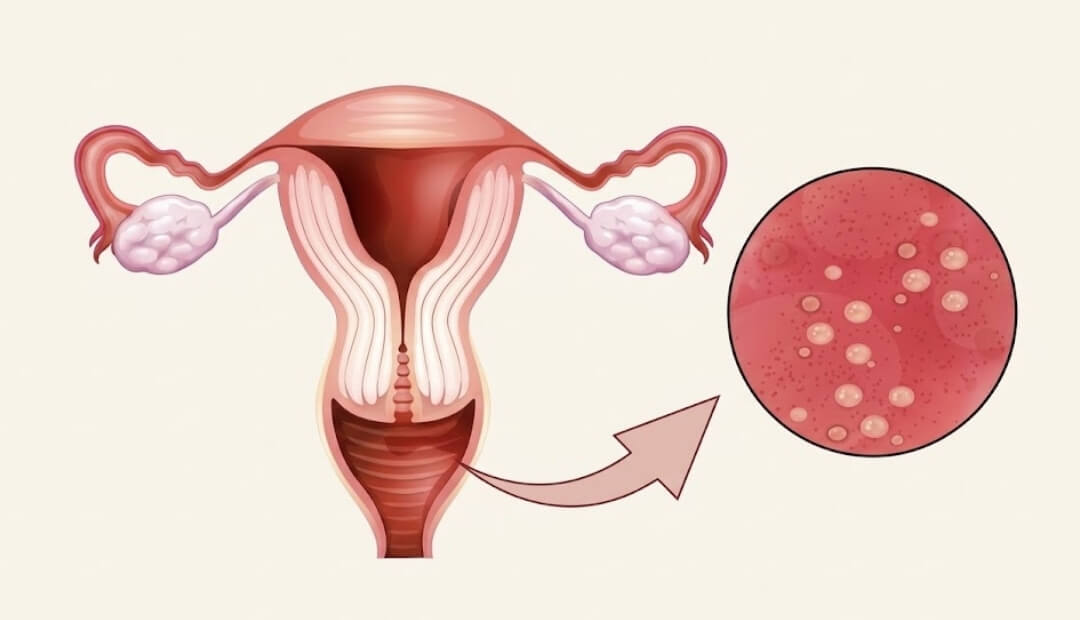
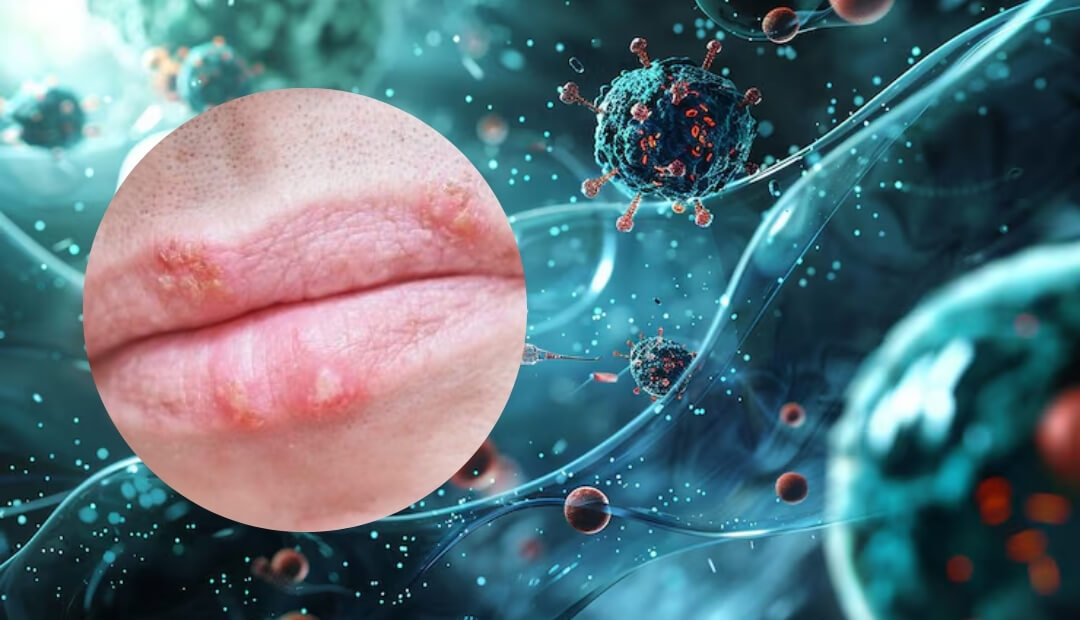
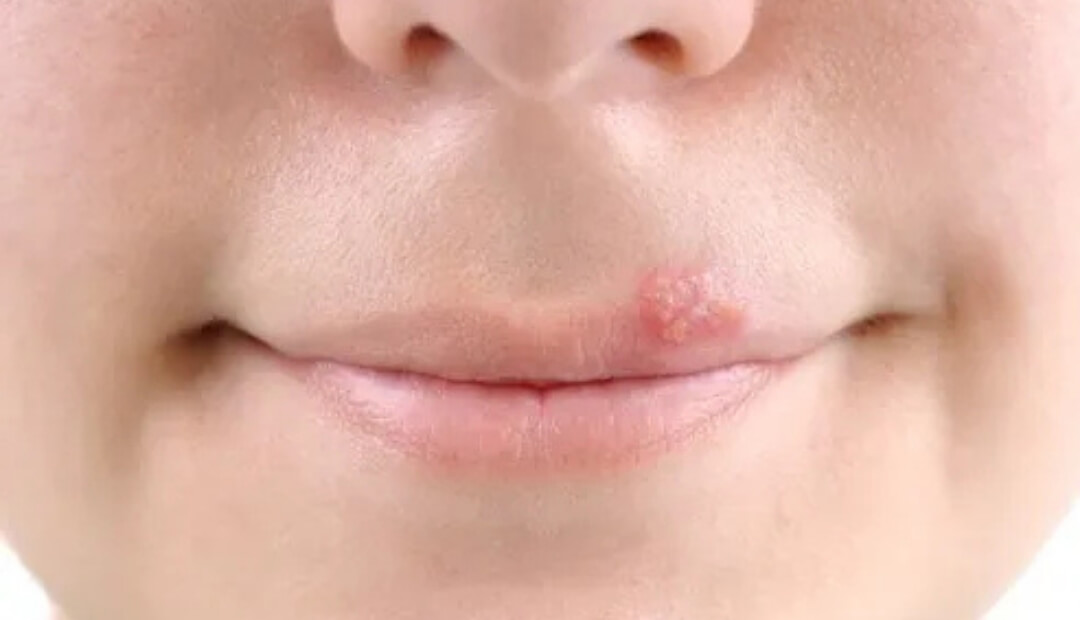
Herpes simplex virus can cause small blisters, painful sores, itching, tingling, and burning. Skin irritation can also produce redness, tenderness, itching, bumps, and sometimes fluid-filled blisters. Because these symptoms overlap, even careful observation may not provide a definite answer.
There May Be More to the Picture
Explore another perspective on recurring herpes symptoms and the factors that may influence your experience.
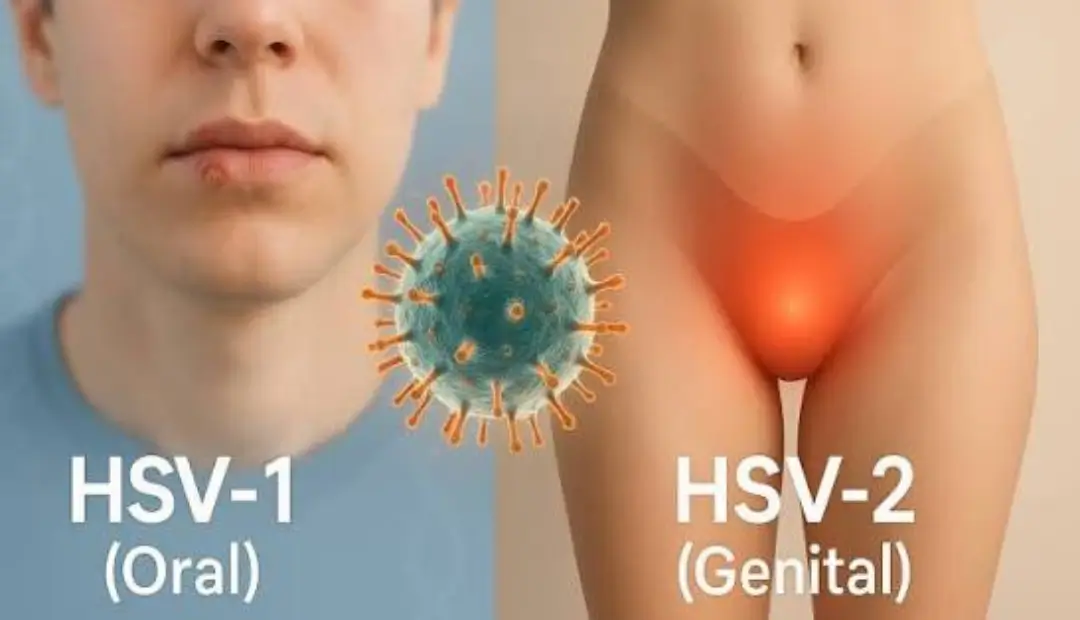
Genital herpes usually involves HSV-1 or HSV-2. The virus can cause visible sores around the genitals, anus, buttocks, or nearby skin. Some people experience mild symptoms that resemble pimples, ingrown hairs, or other ordinary skin problems.
Contact dermatitis develops when something irritates your skin or triggers an allergic reaction. Common causes include soaps, fragrances, detergents, personal-care products, and certain fabrics. According to the American Academy of Dermatology, this condition can cause itching, burning, tenderness, redness, and blisters.
This overlap explains why guessing can create unnecessary worry. A rash that looks unusual does not automatically mean herpes. Equally, mild symptoms do not rule out an infection.
What Herpes Symptoms Usually Look and Feel Like
Genital herpes does not look exactly the same in everyone. Some people develop noticeable clusters of small blisters, while others experience only subtle skin changes. The first recognized outbreak may also differ from later episodes.
Before visible sores appear, some people notice tingling, itching, burning, or unusual sensitivity. These early sensations are sometimes called prodromal symptoms. They may occur near the area where blisters eventually develop.
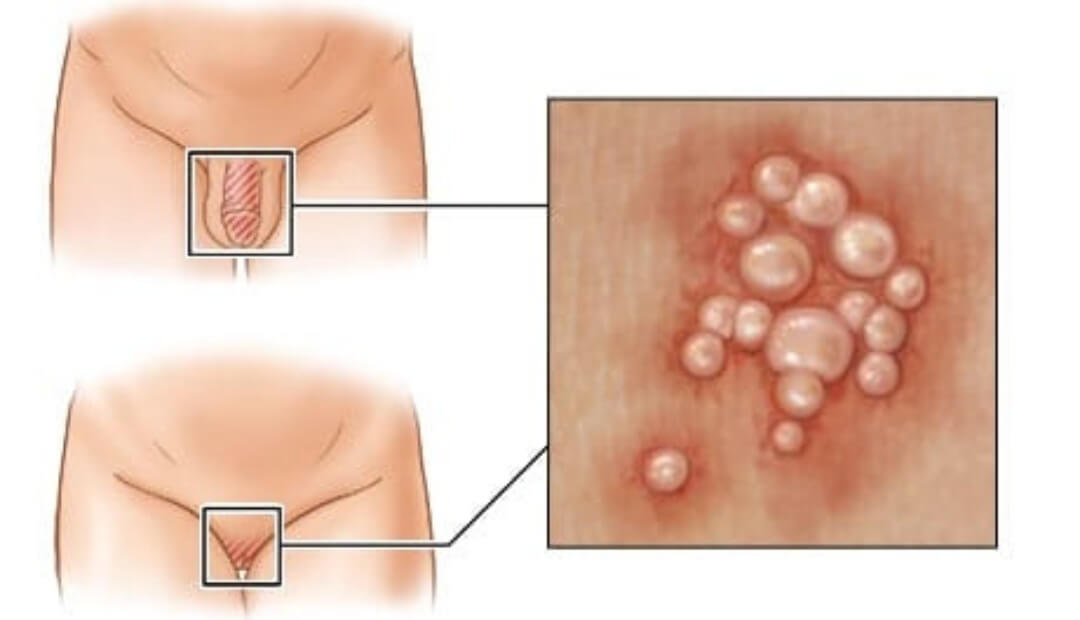
Small blisters can appear individually or in groups. They may contain clear fluid before breaking and forming shallow, painful sores. Healing usually happens gradually, although the timeline varies between individuals.
Other Symptoms That May Accompany Genital Herpes
A first episode can sometimes involve symptoms beyond the affected skin. These may include fever, body aches, swollen lymph nodes, and general discomfort. Some people also experience pain during urination when sores affect nearby areas.
However, not everyone experiences these additional symptoms. Recurrent outbreaks may be milder and shorter than the initial episode. Some infected people never recognize noticeable symptoms.
The CDC overview of genital herpes explains that mild infections can go unnoticed or resemble other skin conditions. It also describes the blisters and sores associated with typical outbreaks. These differences make professional assessment important when symptoms are uncertain.
Common Skin Irritations That Can Resemble a Herpes Outbreak
Herpes is only one possible explanation for genital itching, redness, or bumps. Several everyday skin conditions can produce similar symptoms. Understanding these alternatives may help you recognize possible triggers without attempting a diagnosis.
1. Contact Dermatitis From Soaps and Personal-Care Products
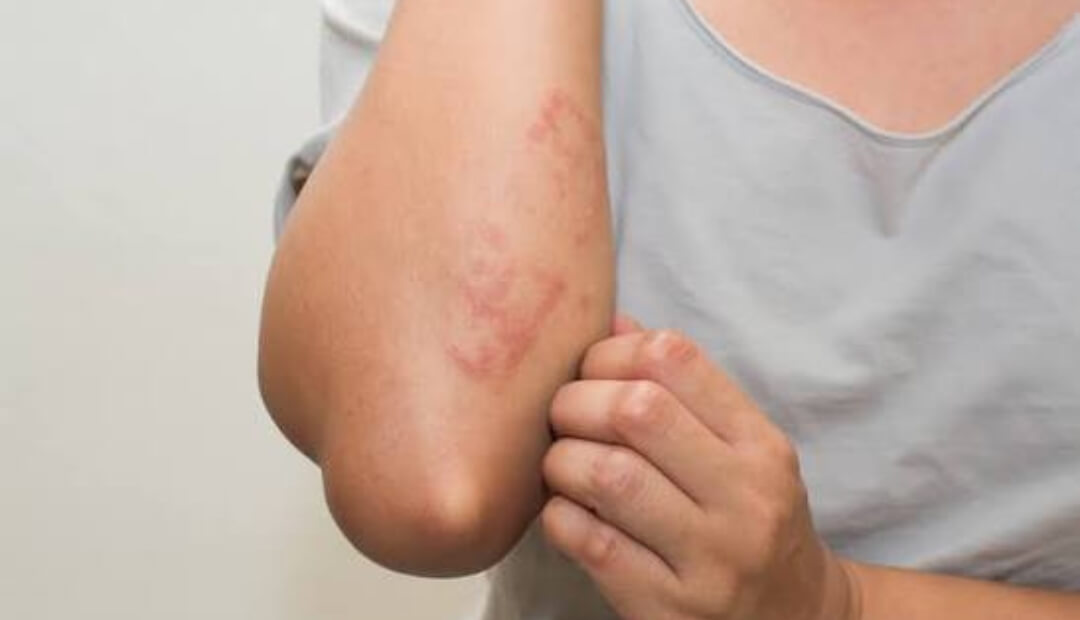
Contact dermatitis can develop after exposure to irritating or allergenic substances. Fragranced washes, laundry detergents, lubricants, and certain creams may trigger reactions. Symptoms can include redness, itching, swelling, burning, and sometimes blisters.
The rash often appears where the irritating substance touched your skin. However, allergic reactions can take hours or days to become noticeable. You may therefore overlook the product responsible for the reaction.
Your Body’s Response Matters
Discover what the video discusses about immune responses, recurring outbreaks, and a different approach to herpes management.
If symptoms began after introducing a new product, consider stopping its use. Avoid applying several new creams or treatments while the skin remains irritated. A dermatologist can help identify persistent or recurring reactions.
2. Razor Bumps and Ingrown Hairs
Shaving can irritate sensitive skin, especially around the bikini line and pubic area. Hair follicles may become inflamed, producing small red bumps or tender spots. Ingrown hairs can sometimes develop visible bumps containing trapped hair or pus.
These bumps often appear after shaving or waxing. They may occur around individual hair follicles rather than forming typical clusters of blisters. However, appearance alone cannot distinguish every ingrown hair from an infection.
Give irritated skin time to recover before shaving again. Avoid squeezing bumps or using harsh exfoliating products on inflamed areas. Seek medical advice if redness spreads, pain increases, or pus develops.
3. Folliculitis
Folliculitis occurs when hair follicles become inflamed, sometimes because of bacterial or fungal infection. It can produce small red bumps, pustules, itching, or tenderness. Friction, shaving, sweating, and tight clothing may contribute to certain cases.
Unlike a typical herpes outbreak, folliculitis often centers around hair follicles. However, several skin conditions can produce overlapping appearances. A healthcare professional can determine whether treatment is necessary.
4. Yeast Infections and Other Causes of Genital Irritation
Yeast infections can cause itching, soreness, redness, and irritation around the vulva. Some people also experience unusual vaginal discharge or discomfort during urination. These symptoms may overlap with other genital conditions.
Other possibilities include eczema, psoriasis, and certain sexually transmitted infections. Each condition has different causes and treatment requirements. Treating the wrong condition may delay relief or worsen irritation.
Herpes or Skin Irritation: Clues That May Help You Compare Symptoms
Looking at timing, location, and possible triggers can provide useful information. These clues may help you explain your symptoms during a medical appointment. However, they cannot replace testing when herpes remains a possibility.
| Feature | Possible Herpes | Possible Skin Irritation |
|---|---|---|
| Appearance | Small blisters that may become sores | Redness, bumps, dryness, or rash |
| Sensation | Tingling, burning, itching, or pain | Itching, stinging, burning, or tenderness |
| Possible trigger | Viral reactivation or a new infection | Products, friction, shaving, or allergens |
| Location | Genital, anal, buttock, or nearby skin | Areas exposed to irritants or friction |
| Recurrence | May return in the same general area | May return after repeated exposure |
Notice that several features appear in both columns. Burning, itching, redness, and even blisters can occur with different conditions. No single symptom proves that you have herpes.
Why the Emotional Impact Can Feel So Overwhelming
Unexplained genital symptoms can affect more than physical comfort. You may become anxious about intimacy, relationships, or the possibility of transmitting an infection. Even a minor rash can occupy your thoughts throughout the day.
Some people repeatedly inspect their skin or search online for matching photographs. Others avoid intimacy because they fear making the wrong decision. This uncertainty can create embarrassment even before anyone confirms a diagnosis.
It is important to remember that symptoms do not establish a person’s sexual history or character. Skin irritation is common, and herpes is a common viral infection. Neither deserves shame or judgment.
Instead of repeatedly comparing photographs, focus on obtaining reliable information. A clinician can examine the affected area and recommend appropriate testing. A clear answer often provides more reassurance than hours of online searching.
How Doctors Determine Whether It Is Herpes or Skin Irritation
A healthcare professional usually begins by asking when symptoms started and how they have changed. They may ask about shaving, new products, recent friction, previous outbreaks, and possible exposure. These details help narrow down the possible causes.
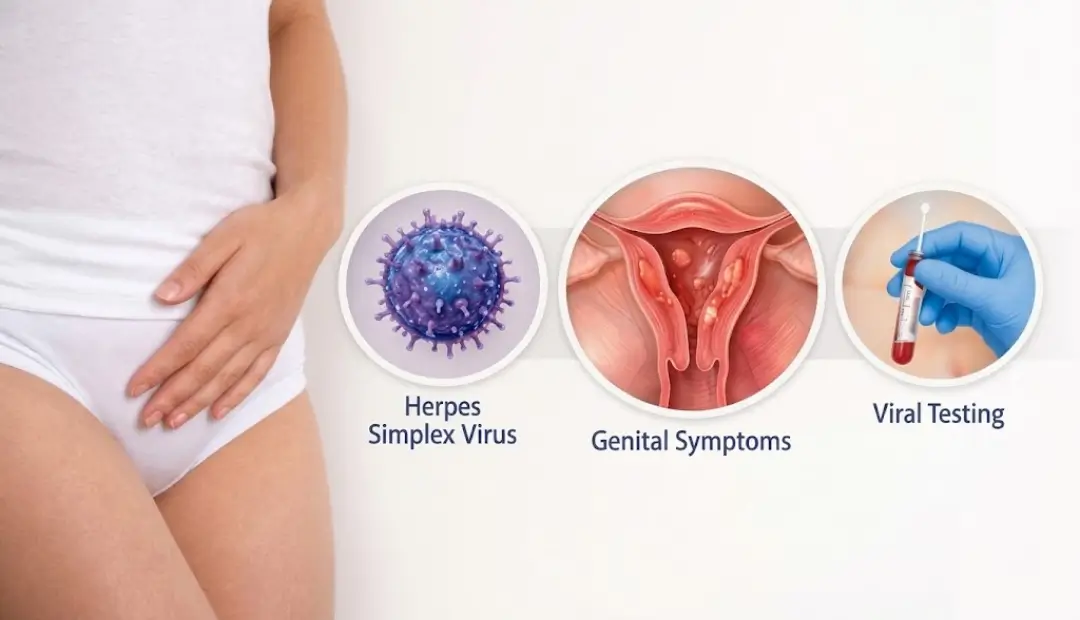
When fresh blisters or sores are present, a swab test can help identify herpes. A molecular test called NAAT or PCR detects viral genetic material. Testing an active lesion generally provides the most useful direct evidence.
The CDC STI Treatment Guidelines recommend lesion-based virologic testing when genital lesions are present. They identify NAAT testing as the most sensitive available method. A negative result from an older or healing lesion may not completely exclude infection.
Can a Blood Test Confirm Herpes?
Type-specific blood tests look for antibodies against HSV-1 or HSV-2. They may help in selected situations when symptoms suggest herpes but no suitable lesion remains. However, blood tests have important limitations.
Protection Is More Complicated
Watch to explore the relationship between immune defenses, viral activity, and the challenges of managing recurring symptoms.
A positive result cannot identify the exact location of an HSV-1 infection. It also cannot establish when someone acquired the virus or who transmitted it. Some blood tests can produce false-positive results, particularly in people with a low likelihood of infection.
The CDC herpes testing guidance explains when testing may be useful and why routine screening is not recommended for everyone. Discuss the benefits and limitations with your healthcare professional. Testing decisions should reflect your symptoms, history, and possible exposure.
What Should You Do While Waiting for an Answer?
Uncertainty can tempt you to try several creams or home remedies. However, experimenting with products may irritate already sensitive skin. A gentle approach is usually safer until you understand the cause.
- Wash the area gently with lukewarm water and avoid scrubbing.
- Stop using recently introduced fragranced products or suspected irritants.
- Wear loose, breathable clothing to reduce friction.
- Avoid shaving or waxing until the irritation settles.
- Do not squeeze bumps, pick blisters, or scratch affected skin.
- Avoid applying multiple medicated creams without professional advice.
If herpes remains possible, avoid sexual contact involving the affected area until you receive medical advice. This precaution helps reduce potential transmission. A clinician can explain when sexual activity is safer again.
Do not assume that an over-the-counter antifungal or steroid cream will solve the problem. These products address different conditions and may not suit every rash. Ask a pharmacist or healthcare professional before using treatment on unexplained genital symptoms.
When Should You Seek Medical Advice?
Arrange an examination if you notice new genital blisters, unexplained sores, or recurring irritation. Early assessment can help identify the cause and provide appropriate treatment. If fresh blisters appear, seek advice promptly because lesion testing works best before healing progresses.
Seek urgent medical attention if you experience severe pain, fever with worsening symptoms, or difficulty passing urine. Eye pain, redness, or changes in vision also require prompt assessment. These symptoms can indicate problems that need timely treatment.
Pregnancy makes new genital symptoms especially important to discuss with a healthcare professional. Anyone with a weakened immune system should also seek advice about unusual or persistent sores. Do not delay assessment when symptoms are severe or rapidly worsening.
Herpes or Skin Irritation: The Most Important Thing to Remember
When you notice unusual bumps, itching, or burning, it is understandable to worry about herpes. However, many common skin conditions can produce similar symptoms. Contact dermatitis, shaving irritation, folliculitis, and other conditions deserve consideration.
The key is avoiding conclusions based only on appearance. A professional examination and appropriate lesion testing can provide clearer answers. Blood tests may help in selected situations, but they also have limitations.
Whether the cause is herpes or skin irritation, you deserve accurate information and effective care. Avoid self-blame, unnecessary panic, and treatments based on guesswork. Taking the right next step can protect your comfort, confidence, and health.
Could There Be More to Managing Herpes?
Living with genital herpes involves more than managing outbreaks. Discover another perspective on the factors that may influence recurring symptoms.
Explore the approach behind Reviralis, the ideas it presents, and what to consider before making an informed decision.