Living with recurrent genital herpes can feel frustrating when another outbreak appears just as life starts feeling normal again. You may recognize the first signs, worry about discomfort, and wonder how long you can go before symptoms return. Even when outbreaks become less severe, their repeated appearance can affect your confidence, relationships, and peace of mind.
Perhaps you have already tried medication, changed your routine, or paid closer attention to possible triggers. Yet another episode may leave you wondering whether you are doing something wrong or missing an important part of the picture. Understanding why recurrences happen can help you make informed decisions without blaming yourself or expecting an impossible cure.
What Recurrent Genital Herpes Really Means
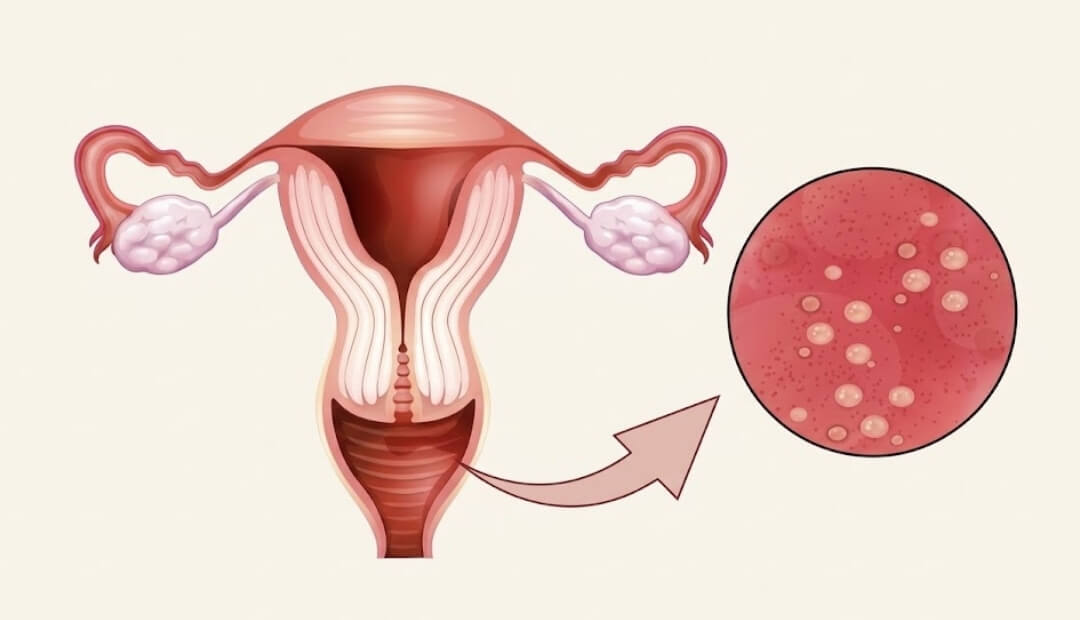
Genital herpes is an infection caused by herpes simplex virus, usually HSV-2 or HSV-1. After the initial infection, the virus travels into nearby sensory nerve cells and remains there in a dormant state. Later, it can reactivate and travel back toward the skin, sometimes causing another outbreak.
This process explains why symptoms can disappear completely without the virus leaving your body. The skin may look and feel normal for weeks, months, or even longer between episodes. However, the virus can remain inside nerve cells and reactivate without warning.
According to the World Health Organization’s herpes fact sheet, both HSV-1 and HSV-2 can cause recurring genital symptoms. HSV-2 generally causes more frequent genital recurrences than genital HSV-1. The difference matters because the type of virus can influence what you should expect over time.
Why Recurrent Genital Herpes Keeps Coming Back
The central reason for repeated outbreaks is viral reactivation. HSV can switch from its dormant state to an active state under certain circumstances. Scientists understand several factors associated with reactivation, although they cannot predict every individual episode.
1. The Virus Remains Inside Sensory Nerve Cells
One of the most confusing parts of herpes is that symptoms can disappear while the infection remains. Antibodies and immune cells help control the virus, but they do not reliably eliminate its dormant form. This is why recovering from an outbreak does not mean the infection has disappeared.
When HSV reactivates, it may travel along nerve pathways toward the genital skin. Sometimes this process produces visible blisters or sores, while other episodes cause only mild sensations. You might notice tingling, itching, burning, or tenderness without developing obvious lesions.
This biological process is not evidence that your body has stopped fighting the infection. It reflects the way HSV interacts with nerve cells and the immune system. Understanding this distinction can help replace unnecessary self-blame with a more realistic view of the condition.
2. Stress May Be Associated With Another Outbreak
Stress is frequently mentioned by people who experience recurring genital herpes. You might notice symptoms after a difficult week, emotional conflict, poor sleep, or prolonged pressure. These experiences can make the timing feel connected, although stress does not explain every recurrence.
Research and clinical guidance recognize emotional stress as one possible factor associated with HSV reactivation. However, the exact biological relationship remains complex, and individual responses vary. An outbreak after a stressful event does not prove that stress caused it.
The Recurring Cycle May Have More Layers
Watch the video to explore another perspective on recurring genital herpes and the factors that may influence repeated symptoms.
Trying to eliminate every stressful experience can create another unnecessary burden. Instead, focus on manageable habits such as regular sleep, physical activity, relaxation, and realistic daily expectations. These habits support general well-being, even though they cannot guarantee that another outbreak will not happen.
3. Illness, Fever, and Physical Strain Can Matter
Some people notice outbreaks around the time they experience a fever, infection, or another illness. Physical strain and recovery can coincide with changes in immune activity. Such circumstances may contribute to reactivation in some individuals.
However, an ordinary illness does not automatically trigger herpes symptoms. Many people experience colds, fever, or fatigue without developing an outbreak. Your personal pattern may become clearer if you record symptoms alongside other health events.
Give yourself time to recover when you feel unwell. Maintain hydration, eat regular meals, and follow medical advice for any underlying illness. Avoid interpreting every episode of fatigue as a warning that another outbreak is inevitable.
4. Hormonal Changes May Influence Some Recurrences
Some women notice genital herpes symptoms around menstruation or other hormonal changes. The timing may repeat across several cycles, making the connection feel especially noticeable. Hormonal changes are recognized among possible factors associated with herpes recurrence.
Still, not every person experiences this pattern, and menstruation does not necessarily trigger an outbreak. Other factors may occur at the same time, including stress, sleep disruption, or physical discomfort. A symptom diary can help you distinguish a consistent pattern from coincidence.
If outbreaks repeatedly interfere with your menstrual cycle or daily comfort, discuss them with a healthcare professional. You may benefit from reviewing treatment timing or considering another management strategy. There is no need to assume that hormonal changes make frequent outbreaks unavoidable.
5. Local Friction or Skin Irritation May Contribute
Friction around the genital area can make sensitive skin uncomfortable. Tight clothing, sexual activity, shaving, or irritating personal care products may cause redness or soreness. In some people, physical irritation or injury may also be associated with HSV reactivation.
Not every sore or irritated area represents a herpes outbreak. Yeast infections, dermatitis, ingrown hairs, and other conditions can produce similar symptoms. If the appearance or timing changes, a medical examination can help clarify the cause.
Choose comfortable clothing and avoid products that cause burning or irritation. During active symptoms, allow the affected skin to recover and avoid sexual contact. Gentle care can reduce additional discomfort without pretending to control the virus itself.
Why Outbreaks May Change Over Time
Repeated outbreaks do not always follow the same pattern. Some people experience frequent episodes during the first year, followed by longer periods without symptoms. Others continue to experience occasional recurrences for many years.
Look Beyond the Familiar Warning Signs
Discover a different way to think about everyday factors that may be associated with recurring genital herpes outbreaks.
For many people, outbreaks become less frequent or less severe over time. However, this improvement does not happen at the same rate for everyone. The number of recurrences also differs between genital HSV-1 and HSV-2 infections.
Genital HSV-1 generally causes fewer recurrences than genital HSV-2. The CDC’s genital herpes treatment guidelines explain this difference and its implications for treatment decisions. Knowing which type you have can make discussions about your likely recurrence pattern more useful.
The Emotional Impact of Recurrent Genital Herpes
The physical symptoms are only one part of living with repeated outbreaks. You may begin checking your skin frequently or worrying about every unfamiliar sensation. Even when nothing appears, the possibility of another episode can remain in the back of your mind.
Relationships may become more complicated when you worry about transmission or disclosure. You might postpone intimacy, feel uncomfortable discussing symptoms, or fear rejection from someone you care about. These concerns can affect emotional closeness even when the infection causes little physical discomfort.
The social stigma surrounding herpes can make these feelings more difficult. However, genital herpes is a common viral infection, not a measure of someone’s character or worth. Reliable information and supportive communication can help reduce shame and make decisions feel less overwhelming.
The WHO recognizes that recurring herpes symptoms can cause distress and affect sexual relationships. Your emotional response deserves attention alongside the physical symptoms. If anxiety or low mood begins interfering with everyday life, consider speaking with a qualified healthcare professional or counselor.
How to Manage Recurrent Genital Herpes More Effectively
There is currently no treatment that removes dormant HSV from the body. However, several evidence-based approaches can reduce symptoms, shorten outbreaks, or decrease their frequency. The most suitable approach depends on how often symptoms occur and how much they affect your life.
1. Consider Episodic Antiviral Treatment
Episodic treatment means taking antiviral medication when an outbreak begins. Common prescription medicines include acyclovir, valacyclovir, and famciclovir. These medicines interfere with viral replication and can shorten the duration or severity of symptoms.
Treatment usually works best when started early. Some people experience warning sensations before visible sores develop, including tingling, itching, or burning. A clinician may provide a prescription in advance so treatment can begin promptly when symptoms appear.
Do not use someone else’s medication or change your prescribed dose without medical advice. Your healthcare professional can select an appropriate regimen based on your health and infection history. Early treatment may make an outbreak easier to manage, but it does not eliminate HSV.
2. Ask About Daily Suppressive Therapy
If outbreaks happen frequently, daily antiviral treatment may offer a different approach. This strategy is known as suppressive therapy because it reduces viral activity while you take the medication. It can also reduce the number of symptomatic recurrences.
According to the CDC, suppressive antiviral therapy reduces recurrences by approximately 70% to 80% among people with frequent HSV-2 outbreaks. Many people who use it experience substantial improvement in their quality of life. Your clinician can discuss whether the expected benefits justify daily medication.
Suppressive therapy may also reduce the risk of transmitting HSV-2 to an uninfected partner. However, it does not eliminate transmission risk, and condoms provide additional protection. The decision should consider outbreak frequency, relationship circumstances, personal preferences, and medical history.
3. Use Simple Measures to Ease Physical Discomfort
Comfort measures can make an active outbreak easier to tolerate. Keep the affected area clean and gently dry it without rubbing. Loose-fitting clothing may reduce friction and pressure against sensitive skin.
Some people find a cool compress helpful for temporary relief. A warm, shallow bath with plain water may also soothe discomfort for some individuals. Avoid perfumed soaps, harsh cleansers, and products that cause additional irritation.
Explore a Different Perspective
If recurrent genital herpes keeps disrupting your routine, watch the video for additional ideas about understanding the recurring cycle.
Over-the-counter pain relief may help when discomfort interferes with normal activities. Ask a pharmacist or healthcare professional which option is appropriate for you. Seek medical advice if pain becomes severe or urination becomes difficult.
4. Track Your Symptoms and Possible Triggers
A simple symptom diary can help you understand your personal outbreak pattern. Record when symptoms begin, how long they last, and whether you notice warning sensations. You can also note illness, stress, menstrual timing, sleep changes, or physical irritation.
After several episodes, you may notice patterns worth discussing with your clinician. However, avoid treating every association as proof of a direct cause. Tracking is a practical way to gather information, not a guarantee that you can prevent every recurrence.
Use your observations to make realistic adjustments rather than creating strict rules around daily life. If a particular product repeatedly irritates your skin, consider avoiding it. If outbreaks seem frequent despite treatment, ask whether your management plan needs review.
Can Recurrent Genital Herpes Still Spread Without Visible Sores?
One important concern is whether transmission can happen between outbreaks. Unfortunately, HSV can sometimes reach the skin without producing visible sores or noticeable symptoms. This process is called asymptomatic viral shedding.
Because of shedding, the absence of blisters does not mean transmission is impossible. However, the risk is generally higher when sores or warning symptoms are present. Avoid sexual contact during outbreaks and prodromal symptoms, even if the symptoms seem mild.
Condoms can reduce the risk of transmission, although they cannot cover every area where HSV may be present. Daily suppressive valacyclovir can further reduce HSV-2 transmission risk in certain couples. Discuss prevention with your partner and healthcare professional rather than relying on one method alone.
When Should You Seek Medical Advice?
Repeated outbreaks are a reasonable reason to review your diagnosis and treatment options. This is especially important if episodes become more frequent, more painful, or difficult to manage. A clinician can assess whether suppressive treatment or another approach may help.
If you have never received a confirmed diagnosis, ask about testing. A swab from a fresh blister or sore can identify HSV and determine its type. Blood tests have specific limitations, so a clinician should explain what the results can and cannot establish.
Seek prompt medical care if you develop severe symptoms, widespread sores, difficulty passing urine, or symptoms involving your eyes. People with weakened immune systems may need closer assessment because complications can be more serious. If you are pregnant and experience genital herpes symptoms, contact your maternity care team promptly.
Pregnancy deserves particular attention because herpes transmission to a newborn can have serious consequences. Tell your maternity team about a known genital herpes infection, even if you currently have no symptoms. They can assess your circumstances and plan appropriate care around delivery.
Breaking the Cycle Starts With Understanding Your Options
Living with recurrent genital herpes can be exhausting when another episode seems to interrupt your plans. But repeated symptoms do not mean you have failed to protect your health or control your life. They reflect the way a persistent virus behaves inside the body.
Understanding your HSV type, recognizing possible triggers, and discussing treatment options can make the condition more manageable. Episodic medication may help individual outbreaks, while daily suppressive therapy can reduce recurrences for people who need it. Supportive care and honest communication can also protect your comfort and relationships.
You do not have to organize your entire life around the fear of another outbreak. Work with a healthcare professional to find an approach that fits your symptoms and priorities. With accurate information and an appropriate plan, the cycle can become easier to understand and manage.
Why Do Genital Herpes Outbreaks Keep Returning?
Even after symptoms disappear, hidden factors may influence when another outbreak occurs. But could there be more to understanding this recurring cycle?
Discover the approach presented in the video, including overlooked triggers, the body’s response, and a different perspective on managing recurring symptoms.