







You may wonder, “can i be immune to herpes?” after experiencing several outbreaks. Perhaps you expected your body to control the virus after the first infection. Yet, those familiar tingling sensations or painful sores keep returning, leaving you frustrated and uncertain.
It can feel discouraging when your body seems unable to keep the infection under control. You might even question whether your immune system is working properly. Understanding how herpes interacts with your natural defenses can help explain what’s happening.
The answer is more complicated than simply having strong or weak immunity. Your immune system can recognize herpes and control much of its activity. However, the virus has developed ways to remain inside your body.
Can I Be Immune to Herpes After an Infection?
The question “can i be immune to herpes” often comes from a reasonable expectation. After fighting an infection, you might assume your body develops complete protection. Herpes, however, behaves differently from many short-term infections.
Once herpes simplex virus enters your body, it establishes a lifelong infection. Your immune system responds by producing antibodies and activating specialized immune cells. These defenses help control the virus but cannot reliably eliminate it.
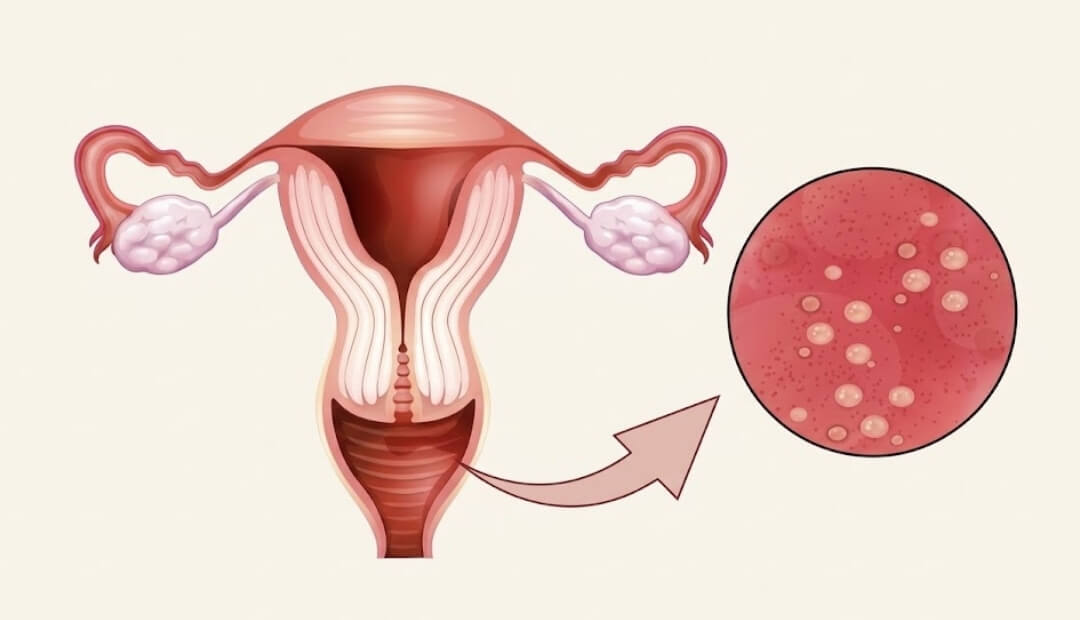
Herpes has a particular ability to hide inside nerve cells. During this latent stage, the virus remains largely inactive and produces few viral particles. Later, it can reactivate and cause symptoms again.
According to the World Health Organization, herpes can cause recurring symptoms over time. Available medicines can reduce symptoms and outbreaks, but they cannot cure the infection. This explains why previous exposure does not guarantee lifelong freedom from symptoms.
Immune Defenses Don’t Tell The Whole Story
Discover how herpes interacts with your immune system and why previous infections don’t guarantee complete protection.
What Happens to Your Immune System After Herpes Infection?
Your immune system does not simply ignore herpes after the first outbreak. It develops several defenses that recognize infected cells and help restrict viral activity. These responses involve antibodies, natural killer cells, and virus-specific T cells.
Antibodies help recognize viral particles and support other immune defenses. Meanwhile, certain T cells help control infected cells near the areas where herpes remains dormant. These responses can limit viral activity without completely removing the infection.
This distinction matters because controlling a virus differs from eliminating it. Your immune system may successfully limit symptoms for long periods. However, the virus can still reactivate under certain circumstances.
Does Having Herpes Antibodies Mean You Are Protected?
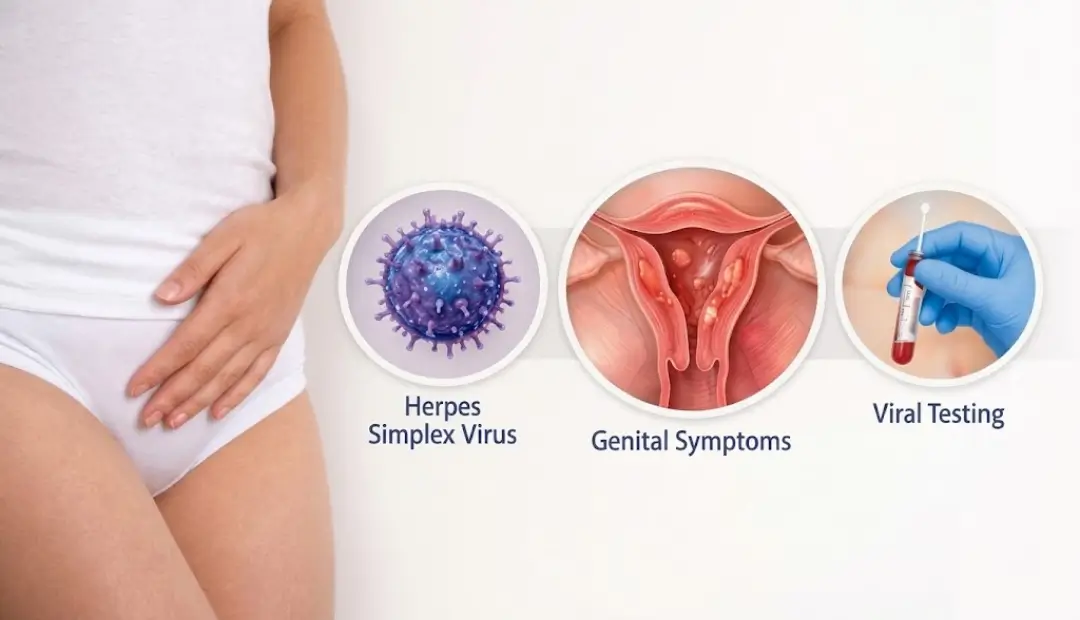
A positive herpes antibody test means your immune system has recognized a particular HSV type. It does not prove that the virus has disappeared from your body. Nor does it guarantee that you will never experience another outbreak.
Antibodies can remain detectable long after the initial infection. Their presence helps identify previous exposure, especially when testing uses type-specific methods. However, antibody results cannot predict exactly when future symptoms might occur.
Therefore, having antibodies should not be confused with complete immunity. Your immune system may control the infection effectively while occasional symptoms remain possible. This is one reason recurring outbreaks do not automatically indicate immune system failure.
Why Does Herpes Keep Returning Even When Your Immunity Works?
One of the most frustrating aspects of herpes is its unpredictable behavior. You may go months without symptoms before noticing familiar itching or tingling. Sometimes, an outbreak appears during an otherwise healthy and relatively calm period.
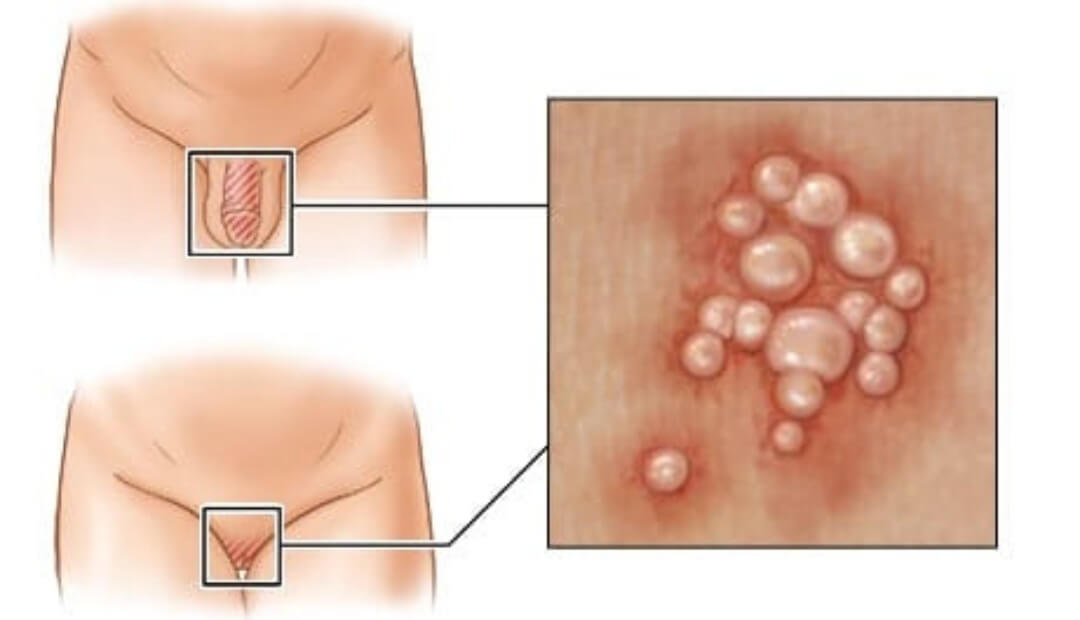
This happens because herpes can remain dormant inside sensory nerve cells. When the virus reactivates, it travels along nerve pathways toward the skin or mucous membranes. This process can produce blisters, sores, or warning sensations.
Your immune system usually responds to this renewed activity. However, its defenses may not stop every reactivation before symptoms appear. Consequently, recurring outbreaks can happen even when your general health seems normal.
Common Factors That May Trigger Herpes Outbreaks
Several factors can influence the likelihood of herpes reactivation. Not everyone experiences the same triggers, and some outbreaks occur without an identifiable cause. Recognizing your personal patterns may help you manage unexpected symptoms.
- Physical illness: Fever and other infections can sometimes accompany herpes reactivation.
- Emotional stress: Significant or prolonged stress may contribute to outbreaks in some people.
- Sleep disruption: Poor sleep can affect immune regulation and overall well-being.
- Sun exposure: Ultraviolet light may trigger oral herpes outbreaks in susceptible individuals.
- Hormonal changes: Some women notice outbreaks around their menstrual periods.
- Physical irritation: Friction, injury, or certain procedures may contribute to symptoms.
The WHO herpes fact sheet identifies illness, stress, sunlight, menstruation, injury, and surgery among possible triggers. However, experiencing one of these factors does not mean an outbreak will definitely follow. Your individual pattern may differ from someone else’s.
Does Herpes Mean Your Immune System Is Weak?
Recurring herpes can make you wonder whether your immune system has become weaker. You might compare your experience with someone who rarely experiences visible symptoms. However, differences in outbreak frequency do not automatically reveal differences in overall immunity.
The Virus May Be More Persistent Than You Think
Explore possible factors behind recurring outbreaks and learn why your immune system cannot always prevent reactivation.
Some people experience frequent outbreaks despite having no diagnosed immune problem. Others carry HSV for years without recognizing any symptoms. Viral type, individual immune responses, and personal triggers can all influence these differences.
However, immune suppression can change the course of herpes infection. People with advanced HIV or certain medical conditions may experience more frequent or severe symptoms. Some treatments that suppress immunity can also increase the risk of complications.
The NIH clinical guidelines discuss herpes management in people with HIV and other immune-related concerns. They explain why clinicians pay particular attention to severe or persistent infections in immunocompromised patients. Still, recurrent cold sores alone cannot diagnose an immune deficiency.
Does Your Herpes Type Affect Your Immune Protection?
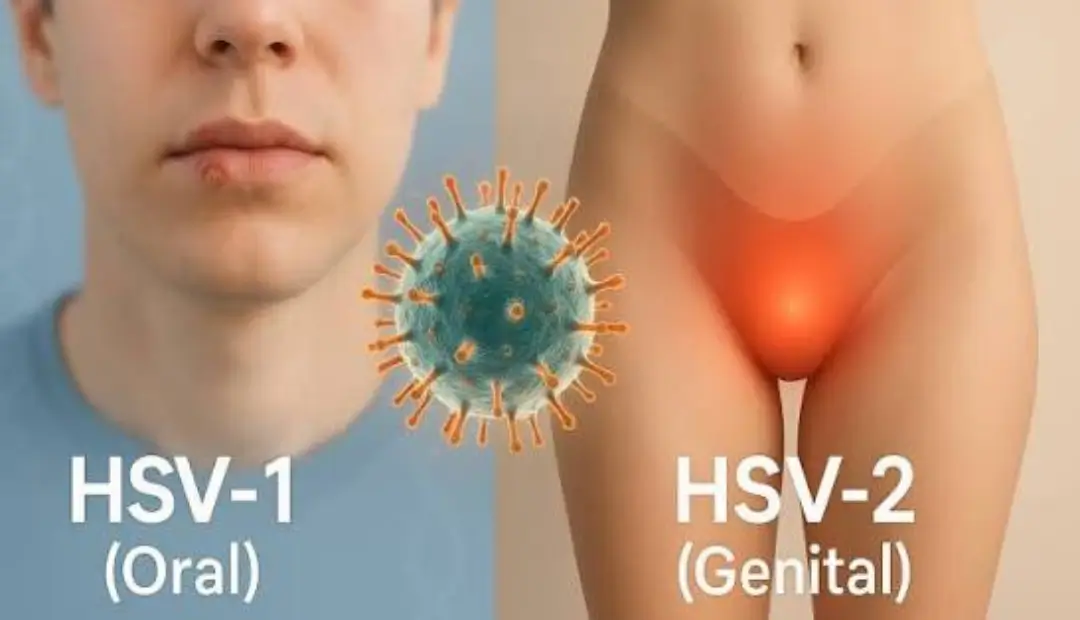
Herpes simplex virus has two main types: HSV-1 and HSV-2. Both can infect oral or genital areas, although they have different common transmission patterns. The type involved can influence how frequently symptoms return.
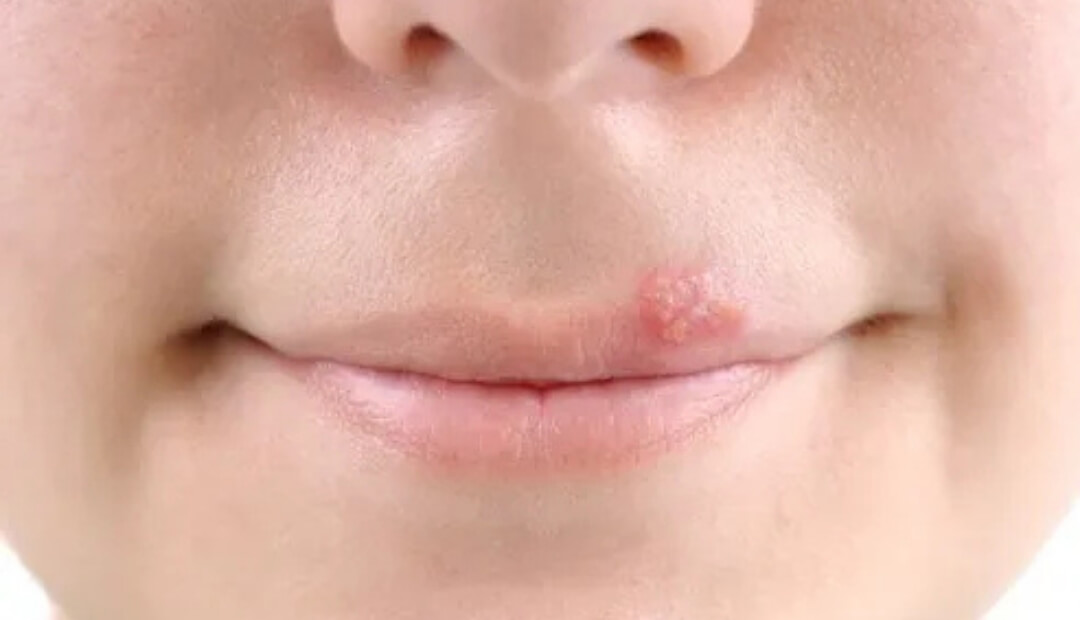
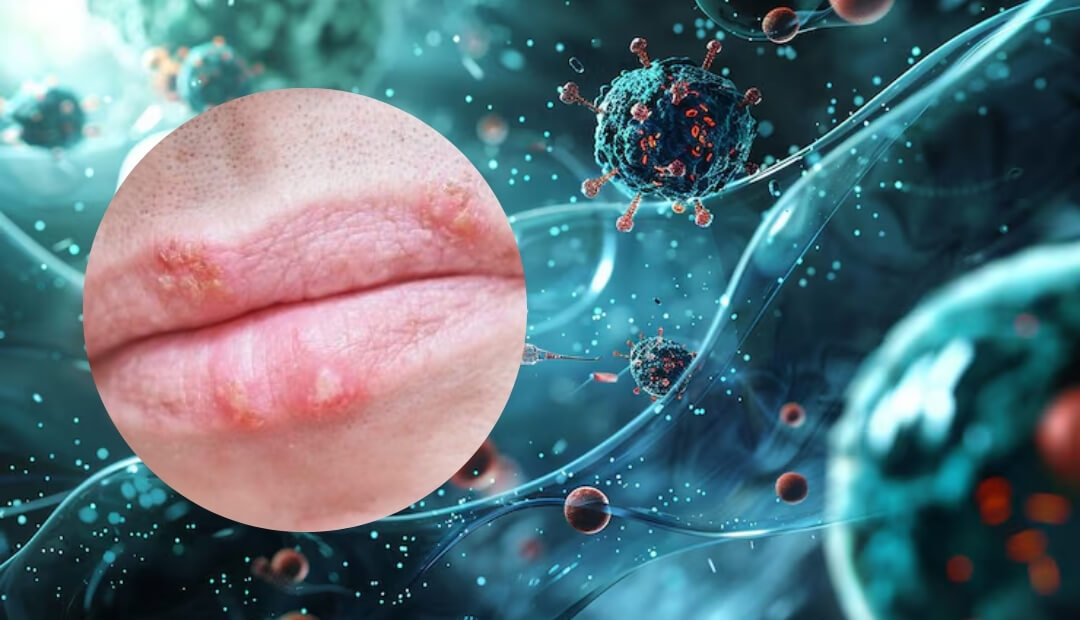
HSV-1 commonly causes oral herpes, including cold sores around the lips. It can also cause genital herpes, particularly through oral-genital contact. Genital HSV-1 generally causes fewer recurrences than genital HSV-2.
HSV-2 mainly causes genital herpes and tends to reactivate more frequently. Some people experience several outbreaks during their first year. Others experience much longer periods without noticeable symptoms.
Can Immunity to HSV-1 Protect You From HSV-2?
This is an important distinction when discussing herpes immunity. Previous HSV-1 infection does not provide reliable protection against acquiring HSV-2. Someone with oral herpes can still develop genital herpes caused by HSV-2.
The WHO explains that people with existing HSV-1 remain at risk of acquiring HSV-2. Therefore, previous herpes exposure does not make someone immune to every herpes infection. Knowing the virus type can make medical advice more accurate.
There is also an important difference between acquiring another HSV type and experiencing another outbreak. Recurrences usually involve the virus already established in the affected area. They do not necessarily indicate a new infection.
Can Your Body Eventually Control Herpes Better?
Many people notice that their outbreaks become less frequent over time. Their symptoms may also become shorter or less uncomfortable. This change can happen as immune responses develop and individual outbreak patterns evolve.
However, improvement does not mean the virus has disappeared. Some people experience long periods without visible symptoms but still carry HSV. Others continue experiencing occasional recurrences throughout their lives.
The Centers for Disease Control and Prevention explains that recurrent outbreaks often become shorter and less severe. It also notes that outbreak frequency may decrease over time. These patterns vary between individuals and between HSV types.
What Can You Do to Manage Recurring Herpes Outbreaks?
You cannot currently eliminate herpes through lifestyle changes or ordinary immune support. However, several practical steps can help reduce discomfort and manage recurring symptoms. The right approach depends on your outbreak frequency and medical history.
1. Discuss Antiviral Treatment With Your Doctor
Prescription antiviral medicines remain the established treatment for symptomatic herpes. Common options include acyclovir, valacyclovir, and famciclovir. They interfere with viral replication and can shorten outbreaks.
Having Antibodies Doesn’t Mean Complete Immunity
Watch to explore the difference between recognizing herpes and keeping the virus inactive over time.
Doctors may recommend episodic treatment when symptoms begin. This approach works best when medication starts early. Some people benefit from daily suppressive treatment instead.
Suppressive therapy can reduce outbreak frequency, particularly for people with frequent genital HSV-2 recurrences. It may also lower transmission risk in certain circumstances. Your healthcare professional can help determine whether this approach suits your situation.
2. Pay Attention to Your Personal Triggers
Keeping a simple outbreak diary can reveal useful patterns. Record symptoms, sleep quality, stress levels, illness, and other possible triggers. Over time, you may notice factors that repeatedly appear before outbreaks.
Not every suspected trigger will have a meaningful connection. Avoid blaming yourself when symptoms appear despite healthy habits. The purpose is to identify practical opportunities for better symptom management.
3. Support Your General Health
Healthy routines support normal immune function and overall well-being. Aim for consistent sleep, balanced meals, regular activity, and manageable stress. These habits cannot cure herpes or guarantee fewer outbreaks.
Be cautious with supplements advertised as immune boosters or herpes treatments. Strong marketing claims do not establish clinical effectiveness. Discuss supplements with your healthcare professional, especially if you take prescription medicines.
4. Reduce Irritation During an Outbreak
Gentle care can make an active outbreak more manageable. Avoid rubbing or picking at sores, and keep affected areas clean. Loose clothing may reduce friction when genital symptoms occur.
For oral herpes, sun protection may help if sunlight triggers your cold sores. Avoid kissing or oral sexual contact while active sores are present. These precautions can reduce discomfort and lower the risk of transmission.
When Should You Speak With a Healthcare Professional?
Occasional herpes outbreaks do not automatically indicate a serious health problem. However, certain symptoms deserve professional assessment. A clinician can confirm the diagnosis and review appropriate treatment options.
- Outbreaks become unusually frequent, severe, or difficult to manage.
- Sores fail to heal or symptoms persist longer than expected.
- You experience severe pain, fever, or difficulty urinating.
- You have a condition or treatment that weakens your immune system.
- You develop eye pain, redness, or changes in vision.
- You are pregnant or planning pregnancy and have genital herpes concerns.
Eye symptoms require prompt medical attention because herpes can affect the eye. Pregnancy also deserves specific medical guidance, especially when genital herpes develops late in pregnancy. Do not delay care when symptoms are severe or unusual.
If you have frequent or unusually severe infections, discuss your broader health history with your doctor. They can decide whether further evaluation makes sense. Recurrent herpes alone does not establish that your immune system is deficient.
So, Can I Be Immune to Herpes Completely?
Returning to the original question, “can i be immune to herpes?” requires understanding what immunity actually means. Your body can develop immune defenses that recognize HSV and help control its activity. However, those defenses do not reliably eliminate an established infection.
Having antibodies does not guarantee that outbreaks will never return. Previous HSV-1 infection also does not protect you completely against HSV-2. The virus type, individual immune response, and other factors all matter.
Most importantly, recurring outbreaks do not automatically mean your immune system is failing. Effective antiviral treatments and practical self-care can help many people manage symptoms. With accurate information and appropriate medical support, herpes does not have to control your everyday life.
Could Your Immune System Be Missing Something?
Recurring herpes outbreaks may reveal more about the virus and your body’s defenses than you realize.
Discover overlooked factors that may influence recurring outbreaks and explore a different perspective on supporting your body’s natural defenses.