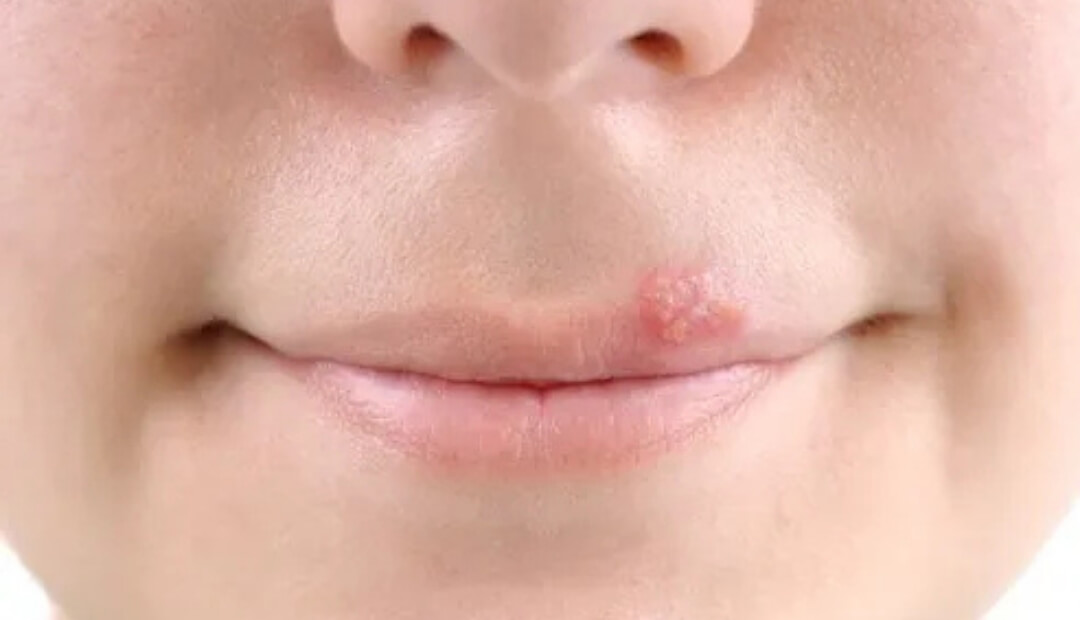






If you keep asking yourself, “why do I keep getting cold sores?” you are certainly not alone. Your lips may look completely healthy for weeks, then suddenly develop that familiar tingling sensation before an important event. It can feel unfair, especially when you thought the previous outbreak had finally become a thing of the past.
Recurring cold sores can affect much more than your appearance. You might feel uncomfortable meeting people, avoid photographs, or worry about explaining a visible blister. Even when the symptoms disappear, the possibility of another outbreak can remain in the back of your mind.
The explanation often involves something happening beneath the surface, rather than a problem with your daily hygiene. Understanding how the virus behaves, what may trigger it, and which treatments can help gives you a more practical way forward. It also helps you recognize when recurring symptoms deserve medical attention.
Why Do I Keep Getting Cold Sores Even When My Lips Look Healthy?
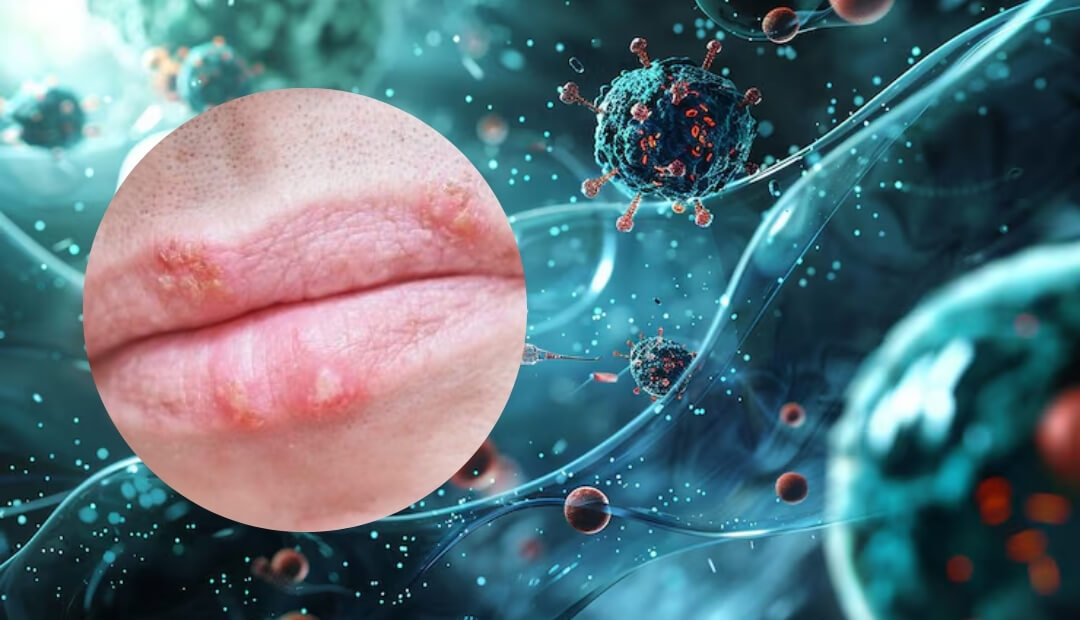
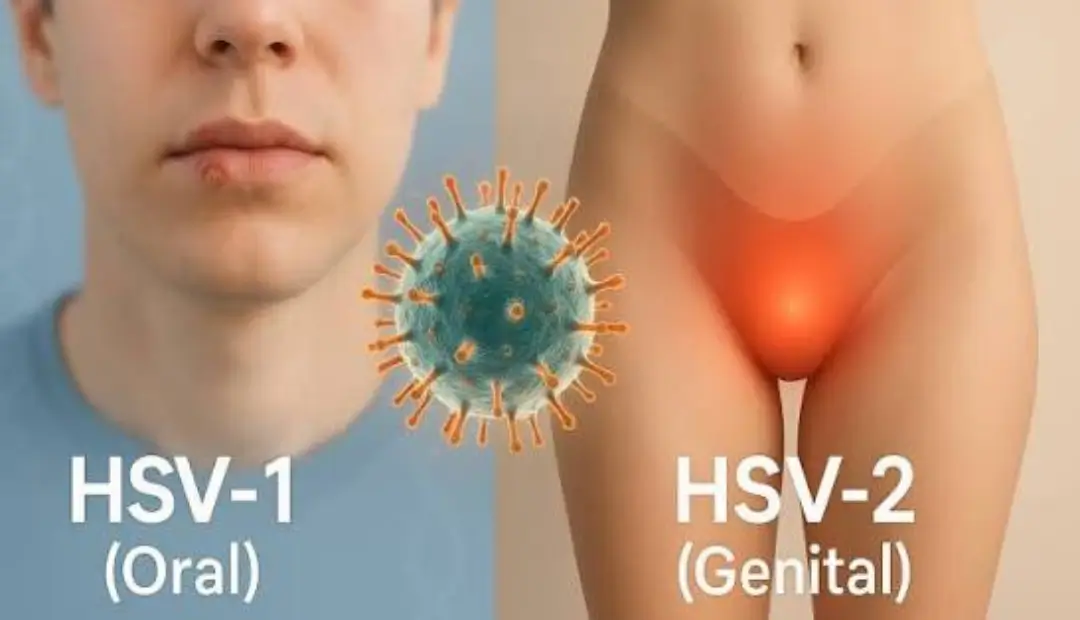
Most cold sores develop because of the herpes simplex virus, usually HSV-1. After the initial infection, your immune system responds and helps control the virus, allowing visible sores to heal. However, healing does not mean the virus has completely left your body.
The Story Goes Beyond Visible Blisters
Discover another perspective on what happens beneath the surface when your lips look healthy but outbreaks return.
Instead, HSV travels into nearby sensory nerve cells and enters a dormant state called latency. It can remain inactive there for long periods without causing visible symptoms. Later, the virus may reactivate and travel along the nerve toward the skin around your mouth.
That process explains why you can enjoy weeks or months with completely normal-looking lips before another outbreak appears. Some people experience only occasional recurrences, while others notice them several times each year. The frequency varies considerably, and recurring cold sores do not automatically indicate a weak immune system.
The American Academy of Dermatology explains how cold sores develop and why the virus can remain in the body after visible symptoms disappear. This helps explain why an apparently healthy period does not necessarily mean the infection has gone away.
Why Cold Sores Return at the Worst Possible Times
One of the most frustrating parts of recurring cold sores is their timing. You might notice a blister before a family gathering, an important presentation, a holiday, or a special occasion. The outbreak can feel especially upsetting when you have been looking forward to something for weeks.
Unfortunately, HSV reactivation does not follow a predictable calendar. Certain physical or environmental factors may encourage another outbreak, but they do not affect everyone equally. Sometimes, a cold sore appears without an obvious explanation.
Recognizing possible triggers can help you understand your own pattern. It may also reveal practical changes that make outbreaks easier to manage. Here are several factors associated with recurrent cold sores.
1. Stress and Emotional Pressure
Stress is one of the commonly reported cold sore triggers. A demanding work schedule, family responsibilities, relationship difficulties, or prolonged emotional pressure may coincide with another outbreak. This connection can become frustrating when the outbreak adds another concern to an already difficult week.
Stress affects several systems involved in immune regulation, although researchers have not established one simple explanation for every recurrence. You may notice a pattern after particularly stressful periods, but that does not mean every stressful experience will cause a cold sore. Learning which situations affect you can help you make more informed choices.
Try building small recovery periods into demanding days. Gentle exercise, relaxing activities, and consistent sleep may support your general well-being. These habits cannot guarantee that cold sores will stop returning, but they may help you manage some personal triggers.
2. Sunlight and Ultraviolet Exposure
Spending time outdoors can sometimes trigger another cold sore, particularly when sunlight affects the skin around your lips. Ultraviolet exposure is a recognized trigger for some people with recurrent HSV infections. This may explain outbreaks after beach trips, outdoor sports, or long days in the sun.
You do not need to avoid sunlight completely to protect your lips. Instead, consider using a broad-spectrum lip balm with SPF 30 or higher. Reapply it regularly outdoors, especially after swimming, eating, sweating, or wiping your mouth.
A wide-brimmed hat and access to shade can provide additional protection. These simple measures may help if sunlight contributes to your outbreaks. They also protect delicate lip skin from excessive sun exposure.
3. Illness, Fever, and Physical Exhaustion
Have you ever noticed a cold sore appearing shortly after recovering from a cold or flu? Illness and fever can coincide with HSV reactivation, making this a familiar pattern for some people. Your body may also experience additional strain when you are recovering from an infection.
Physical exhaustion can contribute to the same frustrating cycle. Several nights of poor sleep, demanding responsibilities, or inadequate recovery may coincide with another outbreak. Although these factors do not guarantee reactivation, they are worth considering when tracking recurring symptoms.
Try to maintain a regular sleep schedule and give yourself time to recover when you feel unwell. Drink enough fluids and avoid pushing through exhaustion whenever possible. These habits support general health, even though they cannot eliminate HSV from your body.
4. Hormonal Changes
Some women notice cold sores around particular stages of their menstrual cycle. Hormonal fluctuations may influence the body’s response to viral infections, although the exact relationship remains incompletely understood. If your outbreaks repeatedly occur around the same time, tracking your cycle may reveal a pattern.
Not every recurrence has a hormonal explanation, and occasional timing coincidences can be misleading. A simple symptom diary can help you identify whether the pattern repeats. Discuss frequent or particularly troublesome outbreaks with your healthcare professional.
5. Lip Injuries and Dental Procedures
Physical irritation around the mouth may trigger cold sores in some individuals. Cracked lips, minor injuries, dental procedures, and certain cosmetic treatments can sometimes precede an outbreak. This may explain why symptoms appear after an activity that otherwise seemed harmless.
Some Triggers Are Easy to Overlook
Explore the ideas presented in the video about everyday factors that may influence recurring cold sore symptoms.
Keeping your lips moisturized may reduce cracking and unnecessary irritation. If you have a history of cold sores, tell your dentist or cosmetic clinician before procedures around your mouth. They can discuss whether preventive antiviral medication is appropriate for your circumstances.
The American Academy of Dermatology’s guide to cold sore triggers discusses stress, illness, fatigue, sunlight, hormonal changes, and physical injury. It also emphasizes that personal triggers can differ considerably.
Could Your Immune System Be the Reason Cold Sores Keep Returning?
Repeated outbreaks can make you question whether your immune system is working properly. You might wonder why your body cannot prevent another blister after successfully healing the previous one. However, recurring cold sores do not automatically mean your immune defenses are failing.
Your immune system can recognize HSV and control its activity without completely eliminating it. The virus remains inside nerve cells, where it can stay inactive until another reactivation occurs. This is why even otherwise healthy people can experience recurring cold sores.
Some people with weakened immune systems experience more severe or prolonged HSV infections. Certain medical conditions and treatments can increase the risk of complications. If you have a condition that affects immunity or take immune-suppressing medication, discuss recurring symptoms with your doctor.
How to Recognize a Cold Sore Before the Blisters Appear
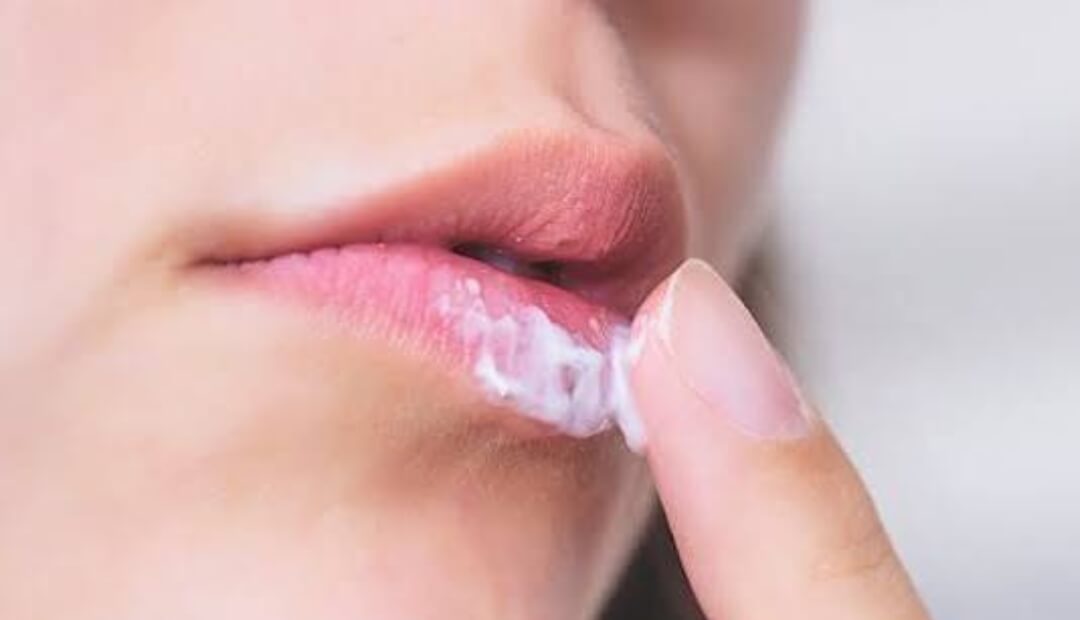
A cold sore often begins with warning sensations before you see anything unusual. You may notice tingling, itching, burning, stinging, or tenderness around a familiar area of your lips. These symptoms can appear roughly one or two days before visible blisters develop.
However, warning sensations do not always lead to an obvious outbreak. Some people experience tingling without developing visible sores, while others notice blisters with little warning. Learning your usual pattern can help you recognize when an outbreak might be starting.
The American Academy of Dermatology’s overview of cold sore symptoms describes these early warning signs and the stages that may follow. Recognizing them matters because some treatments work best when started early.
What Can You Do When Another Cold Sore Starts?
When you notice familiar tingling, taking action early may help reduce the discomfort and duration of an outbreak. You do not have to wait until a blister becomes painful before considering treatment. The right approach depends on your symptoms, medical history, and how frequently outbreaks occur.
Consider Antiviral Medication
Antiviral medicines can help manage cold sore outbreaks. Common options include acyclovir, valacyclovir, and famciclovir, although availability and suitability vary. A healthcare professional can recommend an appropriate treatment based on your circumstances.
These medicines generally work best when started early in the outbreak. Some are available as prescription tablets, while others come as topical preparations. Oral treatment may provide greater benefit in certain situations, particularly for people with frequent or troublesome episodes.
If cold sores repeatedly interrupt your life, ask your doctor about preventive treatment. Some people with frequent recurrences may benefit from taking a prescribed antiviral medication daily. This approach, known as suppressive therapy, can reduce the frequency of outbreaks for suitable patients.
Use Gentle Lip Care
Simple care measures can make an active cold sore more comfortable. A cool, damp compress may soothe irritation, while petroleum jelly can protect dry or cracked lips. Avoid picking blisters or removing scabs because this can irritate the affected skin.
Choose gentle products and avoid applying harsh household substances to the sore. Concentrated essential oils, alcohol, and irritating ingredients may make discomfort worse. If you are unsure which product is suitable, ask a pharmacist or healthcare professional.
Reduce Exposure to Your Personal Triggers
There is no universal prevention plan that works for everyone. However, identifying your personal triggers may help you reduce avoidable outbreaks. Keep a simple record of symptoms, sleep patterns, illnesses, sun exposure, stress, and menstrual timing when relevant.
Look for patterns across several episodes rather than assuming one event caused a recurrence. You might discover that sunlight, poor sleep, or a combination of factors frequently precedes symptoms. This information can help you make practical adjustments and have a more useful discussion with your doctor.
The American Academy of Dermatology’s cold sore self-care guide offers practical advice about lip protection, sleep, and trigger management. These steps can complement medical treatment, but they cannot guarantee that another outbreak will never occur.
Your Immune Response Is More Complex
Watch to explore the relationship between HSV, immune defenses, and why symptoms can return after long periods without sores.
Can You Stop Getting Cold Sores Completely?
Unfortunately, there is currently no treatment that removes HSV from the body permanently. Once infected, the virus can remain inside nerve cells even after every visible symptom disappears. That is why another outbreak may occur months or years after the previous one.
However, this does not mean you have no control over how you manage the condition. Antiviral treatment can shorten outbreaks and may reduce their frequency when used appropriately. Identifying personal triggers and protecting your lips may also help reduce some avoidable flare-ups.
The World Health Organization’s herpes simplex fact sheet explains that antiviral medicines can reduce the severity and duration of symptoms. It also makes clear that current treatments do not cure the infection.
When Should You See a Doctor About Frequent Cold Sores?
Occasional cold sores often heal without medical treatment, but frequent episodes deserve attention. Consider arranging an appointment if outbreaks happen repeatedly, cause significant pain, or interfere with eating and daily activities. A healthcare professional can confirm the diagnosis and discuss suitable treatment options.
Seek medical advice if a sore does not begin healing within about 10 days or remains present beyond two weeks. A cold sore near the eye requires prompt medical assessment, especially with eye pain, redness, or sensitivity to light. Eye involvement can become serious and should never be ignored.
People with weakened immune systems should contact a healthcare professional early. This includes individuals receiving chemotherapy, transplant medication, or other treatments that suppress immune function. Severe symptoms, widespread sores, or difficulty drinking also deserve prompt attention.
Not every blister or irritated area around the mouth represents herpes. Other skin conditions can sometimes resemble cold sores, making an accurate diagnosis important. If the appearance is unusual or the diagnosis remains uncertain, a clinician may examine the area or test a sample from an active blister.
Stop Letting the Next Cold Sore Catch You Completely by Surprise
When your lips finally look healthy again, you deserve to enjoy that relief without constantly expecting another outbreak. Remember that HSV can remain inactive between episodes, and a symptom-free period is still a positive change. You do not need to interpret every small sensation as proof that another cold sore is developing.
If symptoms return, it does not mean you have done something wrong. Recurring cold sores reflect the way HSV behaves, and their timing can be difficult to predict. Understanding possible triggers and discussing treatment options can help you feel better prepared.
Instead of relying on guesswork, focus on what you can reasonably control. Protect your lips, recognize your early symptoms, and seek medical advice when outbreaks become frequent or troublesome. With reliable information and a practical plan, cold sores can become easier to manage without dominating your daily life.
Why Do Cold Sores Keep Coming Back?
Even when your lips look completely healthy, hidden factors may influence recurring outbreaks. Discover a different perspective on what happens beneath the surface.
Explore the approach presented in the video, the role of everyday triggers, and ideas that may change how you think about recurring symptoms.