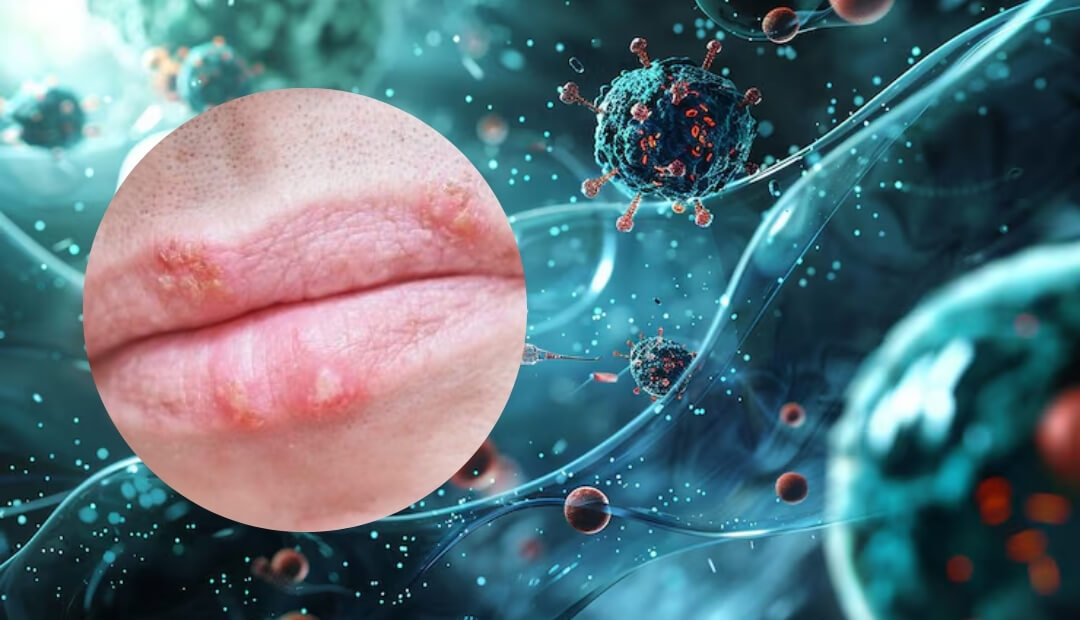







A first genital herpes outbreak can bring unexpected pain, confusion, and difficult questions. You may notice unusual itching, painful sores, or discomfort when urinating. Suddenly, you may wonder what happens next and how much your life will change.
The first days can feel especially overwhelming when you do not know what to expect. You might worry about your health, your partner, or future outbreaks. Understanding the infection can help you replace uncertainty with practical next steps.
What Happens During a First Genital Herpes Outbreak?
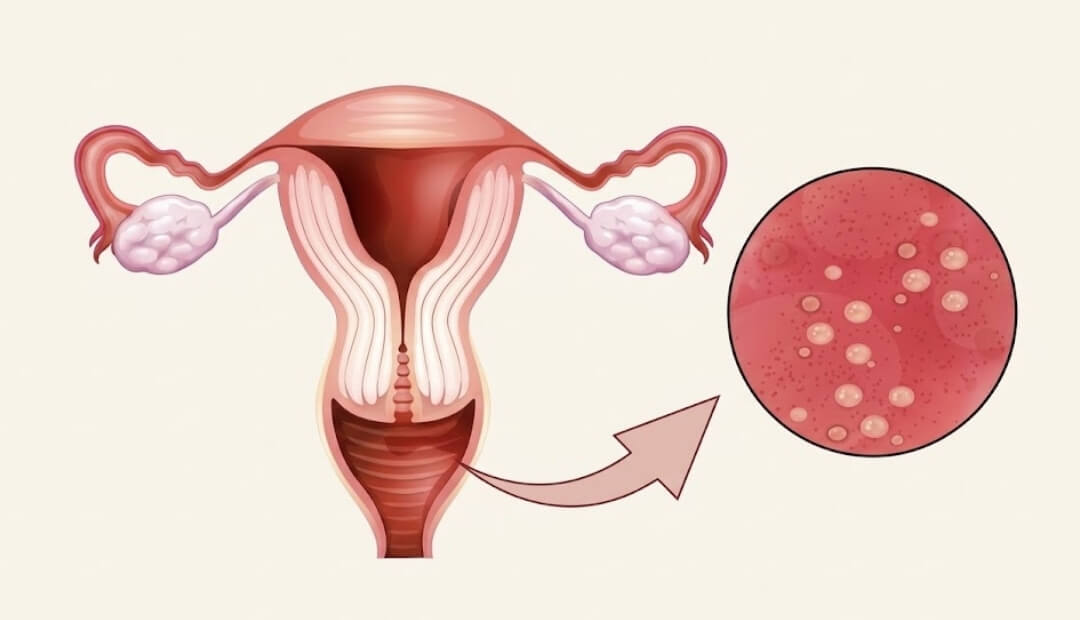
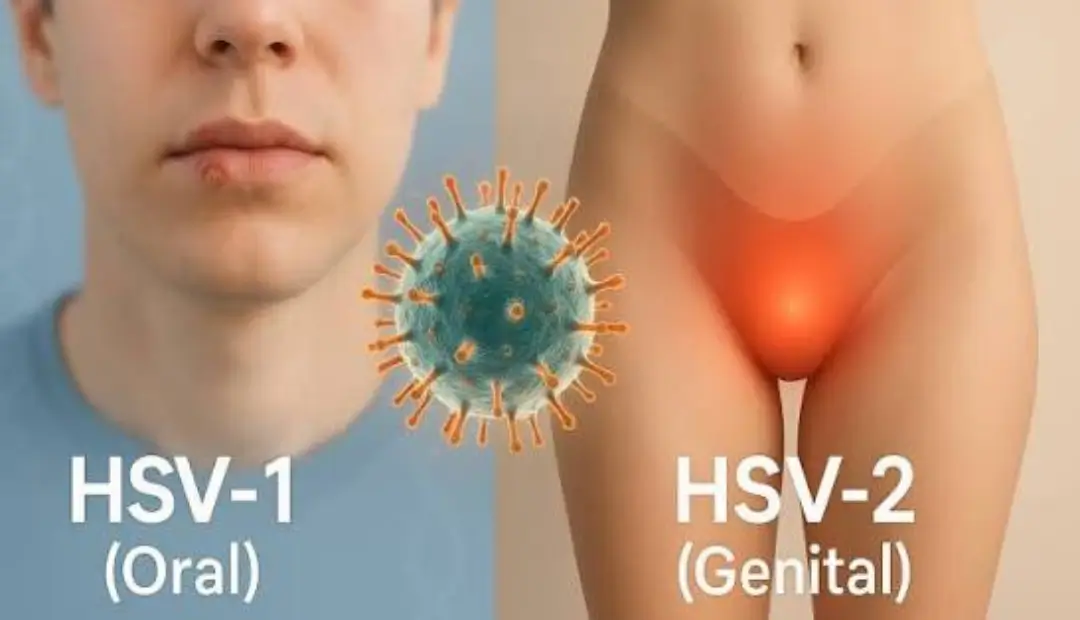
A first genital herpes outbreak happens when herpes simplex virus causes noticeable symptoms around the genitals or anus. Two virus types can cause genital herpes: HSV-1 and HSV-2. Both types can affect people of any gender.
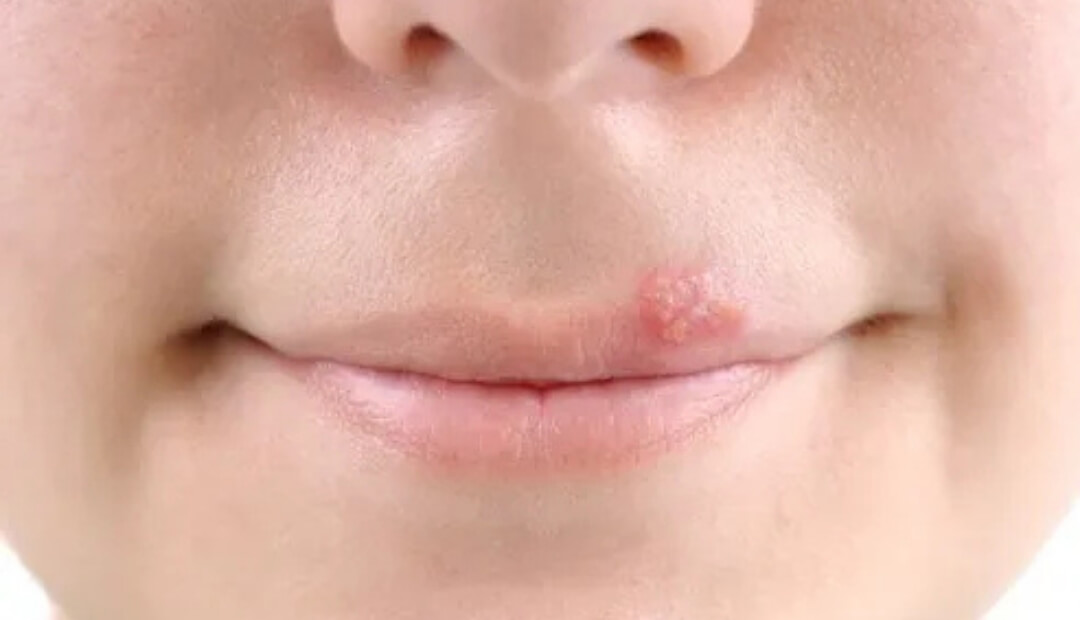
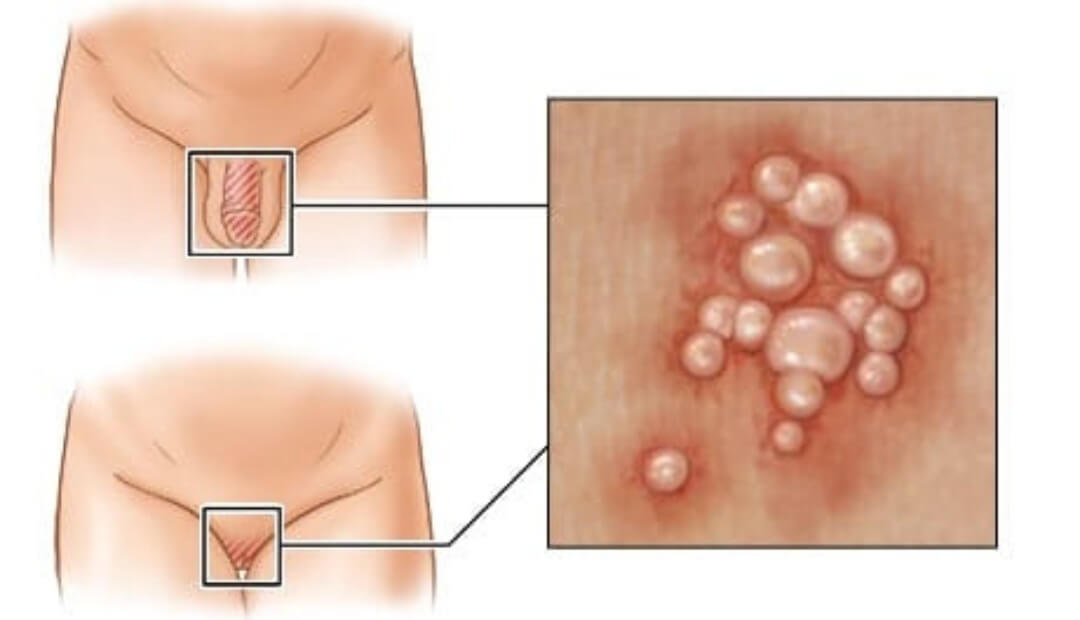
Some people develop several painful blisters that eventually break into shallow sores. Others notice small ulcers, skin irritation, or only mild symptoms. The sores may appear around the genitals, buttocks, thighs, or anal area.
You may also experience burning, itching, tingling, or tenderness. Some people develop pain during urination or unusual genital discomfort. These symptoms can make walking, sitting, sleeping, and everyday activities uncomfortable.
Your Next Steps Matter
Watch the video to explore possible outbreak triggers and a different perspective on managing what comes next.
The World Health Organization’s herpes fact sheet describes common symptoms and possible complications. It also explains how HSV-1 and HSV-2 cause oral and genital infections.
First Genital Herpes Outbreak: Symptoms You May Notice
The symptoms can vary considerably between individuals. Some people experience obvious blisters, while others notice small cuts or irritated patches. The appearance can also differ depending on skin tone and infection location.
Common symptoms include painful blisters or open sores around the genitals. You might also experience itching, burning, or tingling before the sores appear. Tender lumps in the groin can develop as nearby lymph nodes respond to infection.
Some people experience symptoms beyond the genital area. These may include fever, headache, body aches, and unusual tiredness. The first episode can sometimes feel like a flu-like illness.
Why Does Urinating Sometimes Become Painful?
Urine can sting when it touches open sores around the genital area. This discomfort can make someone delay using the bathroom. However, avoiding urination can create additional problems.
Drinking enough fluids may help keep urine less concentrated. Some people find it easier to urinate while pouring lukewarm water over the area. A clinician can also recommend suitable pain relief when needed.
If you cannot urinate, seek urgent medical attention. Severe swelling or pain may require prompt assessment. Do not assume that every urinary problem comes from herpes sores.
How Long Does the First Genital Herpes Outbreak Last?
The first episode can last longer than later recurrences. Symptoms may continue for several weeks, depending on their severity and treatment. The healing process also varies from one person to another.
Blisters may first appear as small fluid-filled bumps. They can then break open and form painful ulcers. Over time, the sores gradually heal as new skin develops.
Some people improve within days, while others need longer. Starting antiviral treatment promptly can reduce symptom severity and duration. However, treatment does not make every outbreak follow the same timeline.
The American College of Obstetricians and Gynecologists explains that a first outbreak may last two to four weeks. Individual experiences can differ, so this range is not a prediction for everyone.
Does the First Outbreak Mean You Were Recently Infected?
Not necessarily, and this is an important point to understand. Herpes symptoms can appear long after someone first acquires the virus. Some people carry HSV without recognizing any symptoms.
A first noticeable outbreak does not establish when infection occurred. It also cannot identify who transmitted the virus. Testing may confirm the infection, but it usually cannot determine its exact age.
This uncertainty can create difficult conversations between partners. Try not to interpret the timing as proof of infidelity. A healthcare professional can explain what test results can and cannot establish.
How Doctors Diagnose a First Genital Herpes Outbreak
Several genital conditions can resemble herpes. Irritation, ingrown hairs, yeast infections, and other sexually transmitted infections can cause similar symptoms. A proper diagnosis helps prevent unnecessary worry and inappropriate treatment.
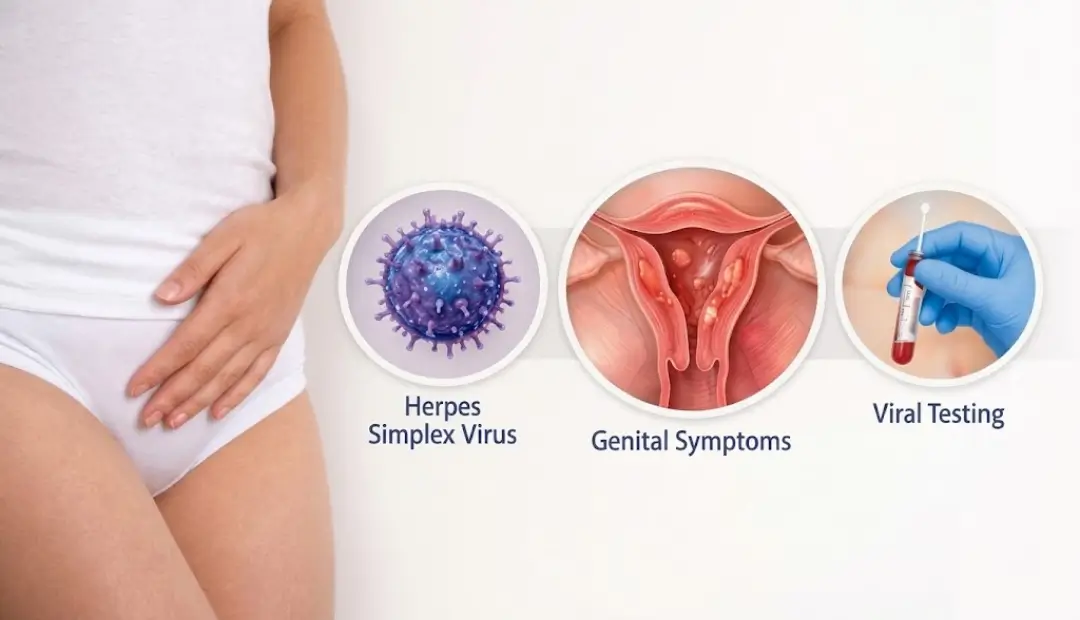
When sores are present, clinicians can collect a sample using a swab. A laboratory can test that sample for herpes simplex virus. Swab testing can also identify whether HSV-1 or HSV-2 caused the infection.
There May Be More to Explore
Discover what may influence recurring outbreaks and learn about an approach you might not have considered.
Testing usually works best when a fresh sore is available. Older or healing lesions may provide less useful samples. Therefore, arrange an appointment promptly when new blisters or ulcers appear.
Can a Blood Test Confirm the Diagnosis?
Blood tests can sometimes identify antibodies against HSV-1 or HSV-2. However, they do not provide the same information as a swab from an active sore. Results also require careful interpretation.
A positive antibody result does not show exactly where the infection exists. It cannot reliably establish when infection happened or identify the transmitting partner. Some blood tests can also produce false-positive results.
The CDC’s herpes testing guidance explains these limitations. Your clinician can help decide which test makes sense for your symptoms and circumstances.
What Treatment Helps During the First Genital Herpes Outbreak?
Prescription antiviral medicines are the main treatment for a first clinical episode. Common options include acyclovir, valacyclovir, and famciclovir. These medicines help control viral activity and reduce symptoms.
The CDC recommends antiviral treatment for people experiencing a first genital herpes episode. Treatment generally works best when started promptly. A clinician should choose the medicine and dose based on your circumstances.
Do not wait for every blister to appear before seeking advice. Early treatment may help reduce the severity and duration of symptoms. If sores have not healed after treatment, your clinician may reassess the plan.
The CDC’s genital herpes treatment guidelines provide recommendations for first episodes. They also explain treatment options for recurrent infections and suppressive therapy.
What Can You Do at Home to Feel More Comfortable?
Simple care measures may make the healing period easier. Gently clean the affected area with plain water or saline. Avoid scrubbing, scented products, and anything that increases irritation.
Loose clothing can reduce friction against sensitive skin. A cool pack wrapped in a clean cloth may soothe discomfort. Never place ice directly against genital skin.
Some people find warm baths soothing during an outbreak. Ask a clinician or pharmacist about suitable pain relief. Wash your hands before and after touching affected areas or applying products.
Rest when fatigue or body aches interfere with normal activities. Drink enough fluids, especially when urination feels uncomfortable. Avoid sexual contact until sores have completely healed and warning symptoms have disappeared.
What Happens After the First Outbreak Heals?
Healing the sores does not remove HSV from the body. The virus remains inactive inside nearby nerve cells. It may reactivate later and cause another episode.
However, not everyone experiences repeated outbreaks. Some people have only one noticeable episode. Others experience recurrences that gradually become less frequent or less severe.
The pattern depends partly on the virus type. Genital HSV-2 generally causes more frequent recurrences than genital HSV-1. Your own experience may differ from these general patterns.
Will Future Outbreaks Feel Just as Severe?
Usually, recurrent outbreaks are milder than the first episode. They often involve fewer sores and less discomfort. They may also heal more quickly.
Some people recognize early warning signs before sores appear. These can include tingling, itching, or burning in a familiar area. Recognizing these sensations can help you seek treatment early.
If outbreaks become frequent or particularly painful, discuss treatment options. Daily suppressive medication can reduce recurrence frequency for some people. Your clinician can help assess whether this approach suits your needs.
How a First Genital Herpes Outbreak Can Affect Your Emotions
A new diagnosis can affect more than physical comfort. You may feel embarrassed, anxious, angry, or overwhelmed. These reactions are understandable, especially when herpes carries social stigma.
Understand the Bigger Picture
The first outbreak can leave unanswered questions. Watch the video for another perspective on herpes management.
You might replay recent relationships and wonder when infection happened. You may also worry about telling a partner or starting another relationship. These thoughts can become exhausting when you lack reliable information.
Remember that herpes is a common viral infection. It does not define your character, worth, or ability to build relationships. You deserve accurate medical care without judgment.
How Should You Talk to Your Partner?
Choose a private moment when neither person feels rushed. Explain what your clinician has confirmed and what remains uncertain. Give your partner time to process the information.
Discuss temporary precautions while symptoms remain present. Avoid sexual contact during sores or warning symptoms. Later, you can discuss condoms, testing, and possible antiviral treatment.
Herpes does not automatically mean a relationship cannot continue. Both partners can make informed decisions about intimacy. Honest communication can help preserve trust and reduce unnecessary fear.
Can You Prevent Passing Herpes to Someone Else?
Herpes can spread through direct contact with infected skin. Transmission is more likely during an outbreak, but it can happen without visible symptoms. This is known as asymptomatic viral shedding.
Avoid vaginal, anal, and oral sex during outbreaks or warning symptoms. Condoms can reduce transmission risk but cannot eliminate it completely. Some infected skin may remain outside the area covered by a condom.
Daily antiviral treatment may reduce transmission risk in certain situations. A clinician can explain whether suppressive therapy is appropriate. Both partners should understand that no prevention method guarantees zero risk.
When Should You Seek Medical Advice?
Arrange medical assessment promptly if you notice new genital blisters or sores. Early diagnosis can help you access appropriate treatment. It can also rule out other conditions with similar symptoms.
Seek urgent care if you cannot pass urine or experience severe symptoms. Severe headache, neck stiffness, or unusual neurological symptoms also need urgent assessment. Do not delay care because you feel embarrassed.
Pregnancy requires particular attention when genital herpes is suspected. Contact your maternity care team if you are pregnant and develop symptoms. A first infection late in pregnancy can create risks for the newborn.
People with weakened immune systems may also need closer medical guidance. Their symptoms can sometimes become more severe or prolonged. Tell your clinician about relevant health conditions and medications.
Your First Genital Herpes Outbreak Does Not Define Your Future
The first genital herpes outbreak can feel frightening because so much remains uncertain. You may need time to understand the diagnosis and adjust to the experience. You do not need to solve every concern immediately.
Prompt medical care, appropriate treatment, and gentle self-care can help you through the first episode. Future outbreaks may be milder, less frequent, or absent. Your experience will depend on several individual factors.
Most importantly, herpes does not take away your ability to enjoy intimacy or meaningful relationships. Reliable information can help you make safer, calmer decisions. Give yourself time, seek support, and remember that this diagnosis does not define you.
What Happens After Your First Outbreak?
Your first genital herpes outbreak may raise questions that basic medical advice doesn’t fully address.
Discover more about possible outbreak triggers, what happens beneath the surface, and an alternative perspective on managing your next steps.