









Early herpes symptoms and sleep can become closely connected when nighttime discomfort makes relaxation difficult. You may feel tingling, burning, itching, or tenderness just as you prepare for bed. Even mild symptoms can become frustrating when they interrupt your ability to rest.
Perhaps you spend the evening adjusting your sleeping position to avoid discomfort. You might wake up repeatedly because sensitive skin rubs against your underwear or bedsheets. Meanwhile, worrying about the symptoms can make falling asleep even harder.
These experiences can affect more than your nighttime routine. Poor sleep may leave you tired, distracted, and emotionally drained the following day. Understanding the possible causes can help you find practical ways to feel more comfortable.
Why Early Herpes Symptoms and Sleep Can Become a Difficult Combination
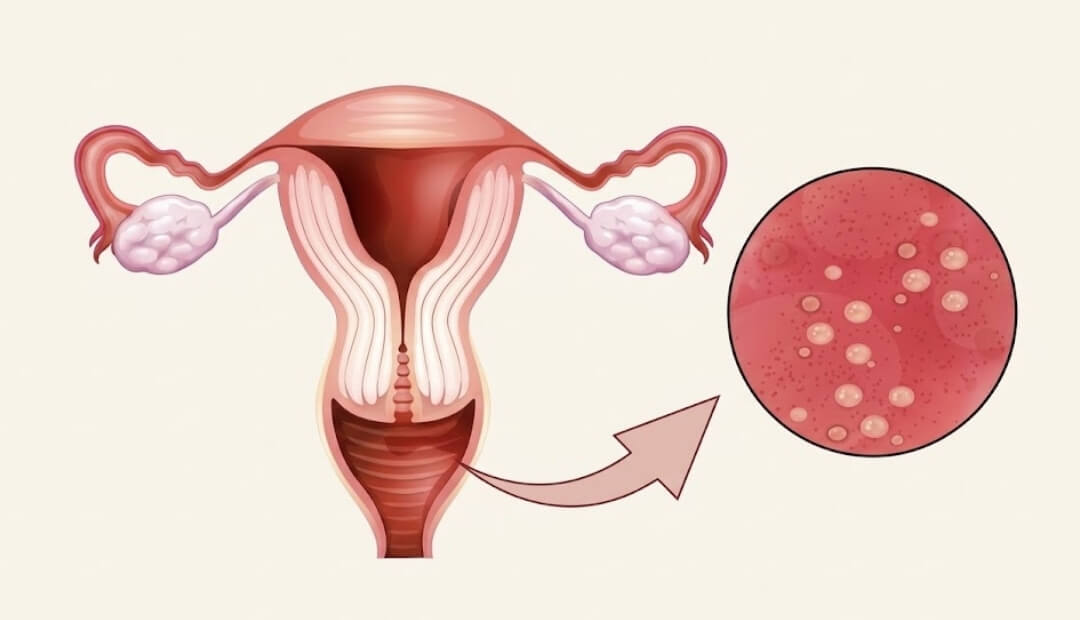
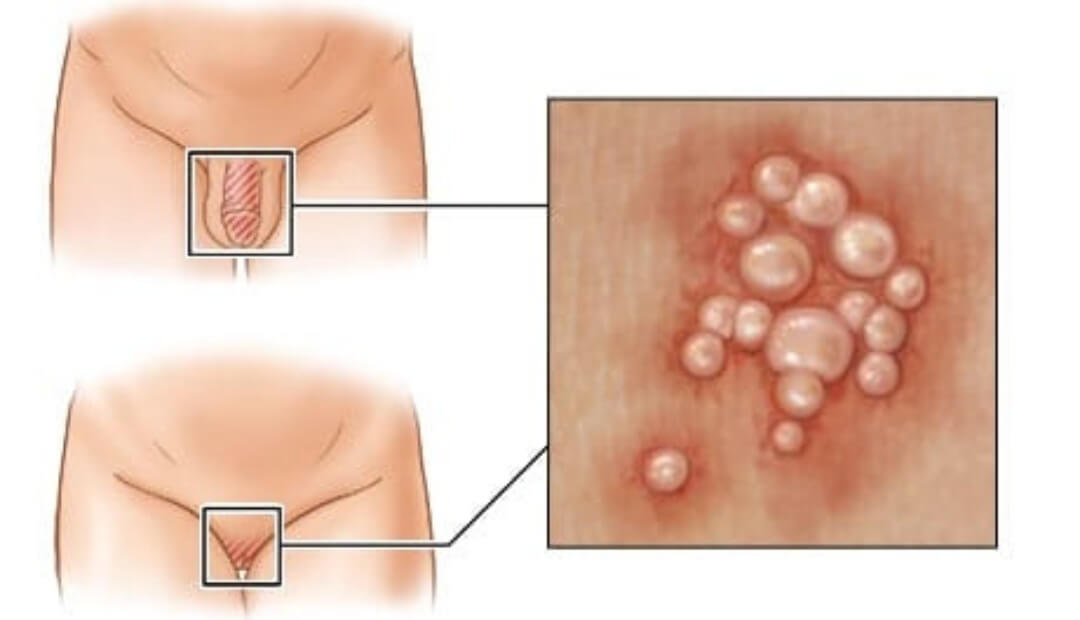
Genital herpes symptoms can involve several types of discomfort. Some people experience tingling, itching, burning, or unusual sensitivity before visible sores appear. Others notice painful blisters that eventually break and develop into shallow ulcers.
These symptoms can become particularly noticeable when you lie down. Clothing, bedding, and certain sleeping positions may create friction against sensitive areas. Even gentle contact can feel uncomfortable when the skin is already irritated.
Early Signals Deserve Attention
Discover another perspective on early symptoms, possible triggers, and what recurring sensations may mean.
However, nighttime discomfort does not necessarily mean the infection becomes more active after dark. There is no established rule that herpes symptoms follow a specific nighttime pattern. Your symptoms may simply become harder to ignore when your surroundings grow quiet.
1. Tingling and Burning Before Visible Sores
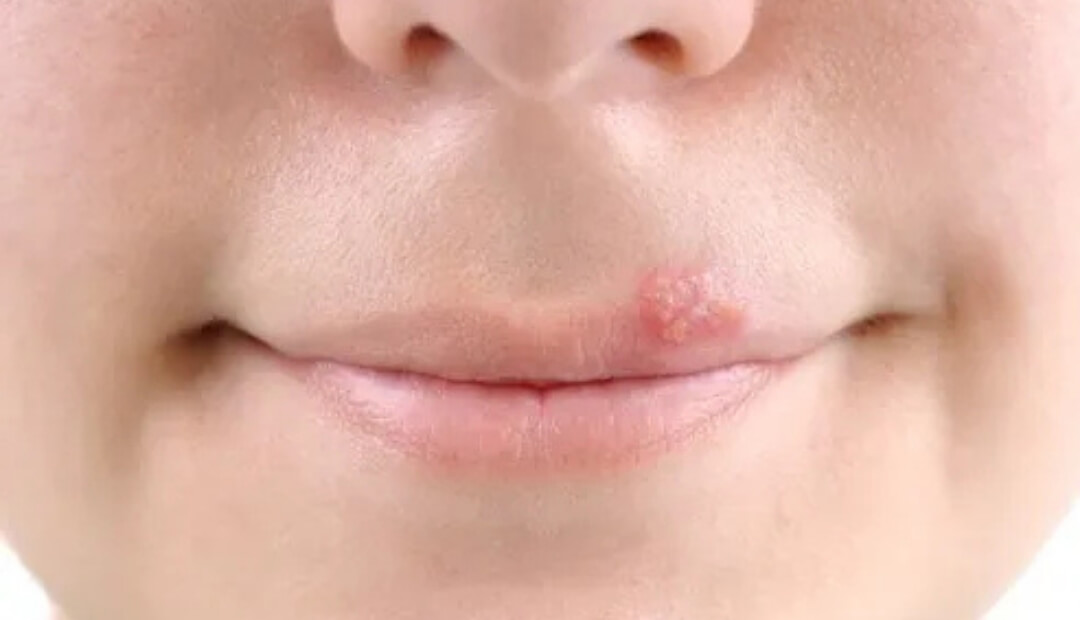
Some herpes outbreaks begin with sensations called prodromal symptoms. These may include tingling, itching, burning, or localized discomfort around the affected area. Such sensations can appear before blisters become visible.
For someone trying to sleep, these early warning sensations can feel especially distracting. You may keep checking the area or changing positions to find relief. The uncertainty can also make you wonder whether another outbreak is beginning.
Not every episode of genital itching or burning indicates herpes. Other conditions can produce similar sensations, including irritation, yeast infections, and urinary tract infections. A healthcare professional can help identify the actual cause.
2. Painful Sores and Sensitive Skin
When blisters develop, they may eventually break and leave painful sores. These areas can feel tender when touched or exposed to friction. Sitting, walking, urinating, and sleeping may become uncomfortable during an outbreak.
Nighttime can create additional challenges because you cannot always control your movements. Turning over may bring sensitive skin into contact with clothing or bedding. This can interrupt sleep and make returning to a comfortable position difficult.
The first genital herpes episode can sometimes cause more severe symptoms than later recurrences. However, experiences vary considerably between individuals. Some people have mild symptoms, while others experience significant discomfort.
3. Itching That Makes Relaxation Difficult
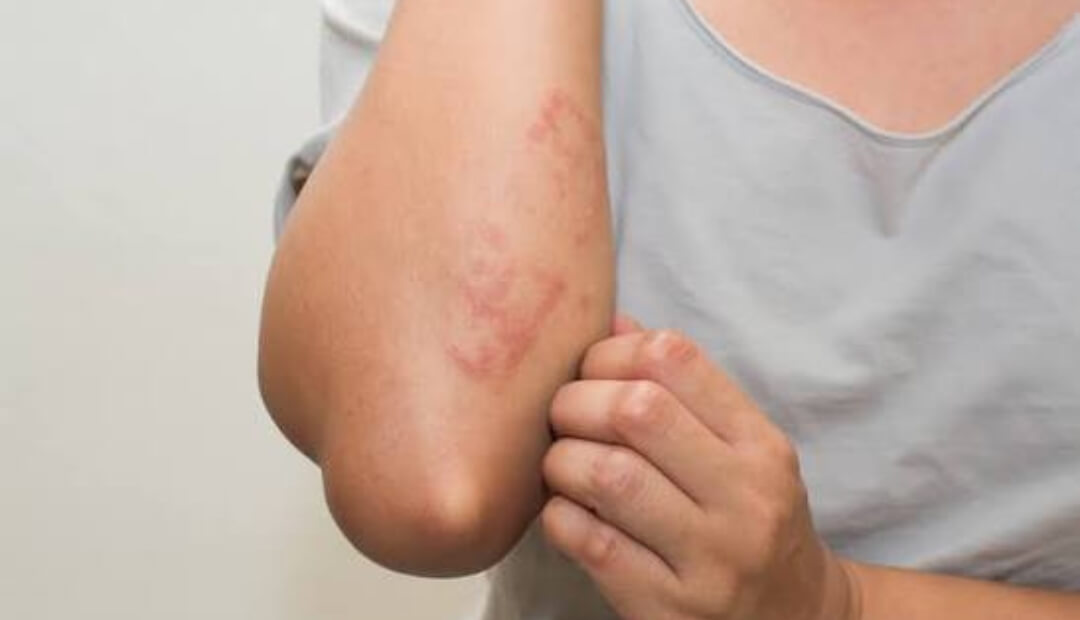
Itching can create a frustrating cycle when you are trying to rest. Scratching may temporarily feel satisfying, but it can irritate already sensitive skin. It may also damage the surface of sores and increase discomfort.
You might find yourself concentrating on the sensation instead of falling asleep. This attention can make ordinary skin sensations feel increasingly difficult to ignore. Resisting the urge to scratch can also require considerable patience.
Keeping the affected area clean and avoiding unnecessary friction may help. Loose-fitting underwear can reduce contact with sensitive skin. Avoid scented products or harsh cleansers that might increase irritation.
How Sleep Disruption Can Affect Your Emotional Well-Being
Living with recurring symptoms can affect your confidence and sense of control. When discomfort interrupts sleep, the emotional burden may become harder to manage. You may start anticipating another difficult night before bedtime even begins.
Some people also worry about what their symptoms mean. They may wonder how long an outbreak will last or whether another one is approaching. These concerns can make it difficult to relax, even when physical discomfort is relatively mild.
The Anxiety of Waiting for Another Outbreak
For people familiar with herpes recurrences, certain sensations may create immediate concern. A familiar tingling feeling can bring back memories of previous painful episodes. This anticipation may increase stress around bedtime.
It is important to remember that symptoms do not always develop identically. An unfamiliar sensation does not automatically mean another outbreak is starting. Medical assessment can help when symptoms change or become difficult to interpret.
Feeling Exhausted the Following Day
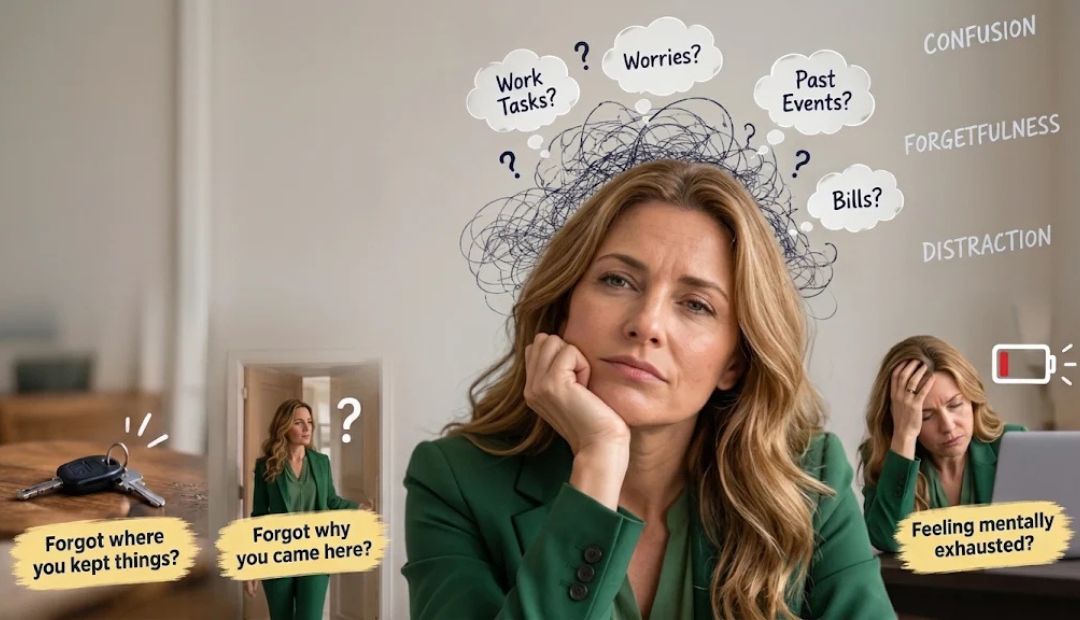
Repeated nighttime interruptions can affect your energy and concentration. You may feel less patient during conversations or struggle with everyday responsibilities. Even routine activities can seem more demanding after a restless night.
Sleep difficulties can also influence emotional resilience. When you feel exhausted, managing discomfort and uncertainty may become harder. This does not mean herpes directly causes every sleep problem you experience.
Stress, existing insomnia, medication effects, and unrelated health conditions can also affect sleep. Recognizing these possibilities helps avoid blaming every difficult night on herpes. Persistent sleep problems deserve attention in their own right.
What Can Make Herpes Discomfort Worse at Night?
Several everyday factors may increase irritation during an outbreak. Understanding these factors can help you identify practical changes worth trying. However, individual experiences differ, and no single adjustment works for everyone.
Look Beyond the Sleepless Nights
Watch the video to learn about overlooked factors that may influence recurring outbreaks and everyday comfort.
Friction From Underwear and Bedding
Tight underwear can press against sensitive skin throughout the night. Synthetic fabrics may also feel uncomfortable when the affected area becomes irritated. Repeated rubbing can make existing tenderness more noticeable.
Consider wearing loose, breathable cotton underwear if it feels comfortable. Some people prefer sleeping without underwear to reduce friction. Choose whichever arrangement feels comfortable and maintains appropriate personal hygiene.
Discomfort When Urinating
Genital herpes sores can make urination painful when urine touches irritated skin. This discomfort may become particularly stressful when you need the bathroom repeatedly. Fear of pain can sometimes make people delay urination.
Drinking enough water can help prevent concentrated urine. Some people find passing urine while sitting in a warm bath or shower more comfortable. A clinician can also discuss appropriate pain relief or topical treatment.
Stress and Difficulty Switching Off
Physical discomfort is not the only reason sleep becomes difficult. Worrying about symptoms, relationships, or future outbreaks can keep your mind active. This may create a cycle of anxiety and poor sleep.
Stress does not explain every herpes recurrence, and its effects vary. However, emotional stress can influence sleep quality and overall well-being. A calming bedtime routine may help you manage the psychological side of an outbreak.
Early Herpes Symptoms and Sleep: Practical Ways to Feel More Comfortable
There is no guaranteed way to eliminate nighttime discomfort immediately. However, several supportive measures may help reduce irritation while your body heals. These approaches should complement appropriate medical care, not replace it.
1. Reduce Friction Before Going to Bed
Choose loose clothing that does not press against affected areas. Avoid tight leggings, restrictive underwear, and rough fabrics during uncomfortable episodes. Clean, breathable sleepwear may make movement more comfortable.
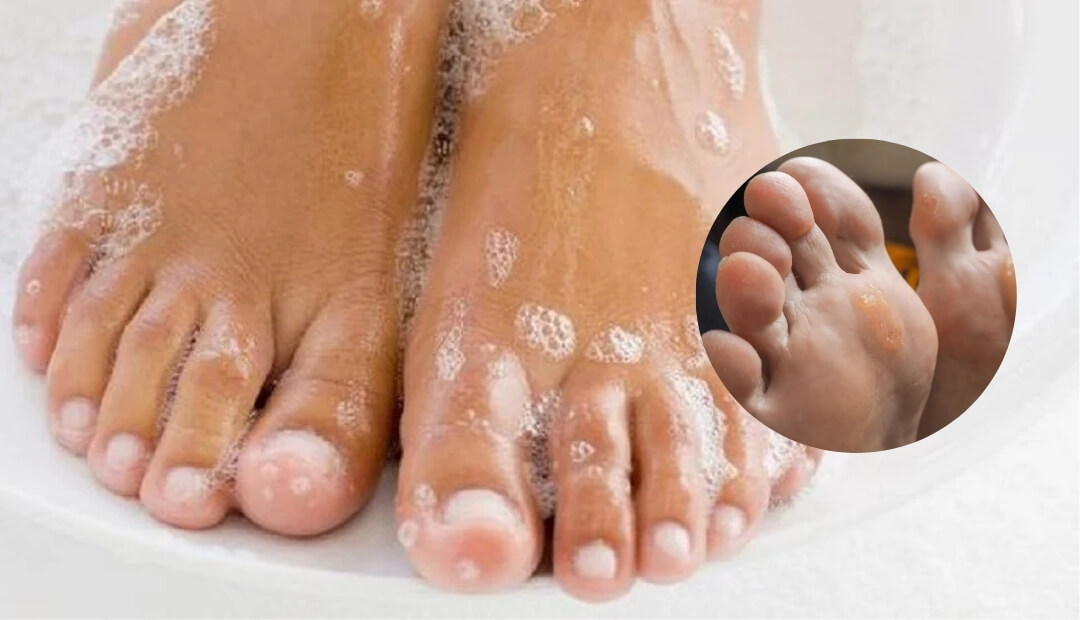
Keep the affected area gently clean and dry. Avoid vigorous rubbing when washing or drying the skin. Patting gently with a clean towel may reduce unnecessary irritation.
2. Use Gentle Comfort Measures
A cool compress wrapped in clean fabric may soothe localized discomfort. Never place ice directly against genital skin. Stop using any measure that causes additional pain or irritation.
A warm bath may also provide temporary comfort for some people. Avoid bubble baths, fragranced soaps, and harsh cleansing products. If you are uncertain about a topical product, ask a healthcare professional first.
3. Discuss Appropriate Pain Relief
Over-the-counter pain relievers may help some people manage outbreak discomfort. The appropriate choice depends on your medical history and other medications. Ask a pharmacist or clinician if you are unsure what is suitable.
Some healthcare professionals may recommend topical lidocaine for selected symptoms. This can be useful when sores make urination painful. Use it only according to professional instructions and the product guidance.
4. Create a More Relaxing Bedtime Routine
Try giving yourself time to relax before going to bed. Gentle breathing exercises may help reduce tension and racing thoughts. A quiet environment can also make it easier to settle down.
Consider keeping your bedroom cool and comfortable. Reduce screen exposure if it makes you feel more alert. Avoid repeatedly checking symptoms unless you have a specific medical reason.
These habits cannot treat the herpes virus itself. Their purpose is to support rest while symptoms improve. If sleep remains disrupted, discuss the problem with your healthcare provider.
Can Antiviral Medication Help You Sleep Better?
Antiviral medication can reduce the severity and duration of genital herpes symptoms. It may therefore improve sleep indirectly when pain and irritation become easier to manage. However, these medicines are not sleeping pills or direct treatments for insomnia.
Common prescription options include acyclovir, valacyclovir, and famciclovir. A healthcare professional can recommend an appropriate treatment based on your circumstances. Treatment decisions may differ between a first episode and a recurrence.
The CDC genital herpes treatment guidelines explain recommended antiviral approaches. They advise antiviral treatment for people experiencing a first clinical episode. Early treatment can help control symptoms and support recovery.
There May Be More to Understand
Watch the video to explore possible outbreak triggers and factors that may influence your nighttime discomfort.
When Should Treatment Begin?
Timing can matter when treating a suspected herpes outbreak. Antiviral treatment generally works best when started early. For recurrent episodes, treatment may be most effective when symptoms first appear.
People with frequent or particularly troublesome recurrences may discuss suppressive therapy. This approach involves taking antiviral medication regularly. It can reduce outbreak frequency and improve quality of life for suitable patients.
However, antiviral medication does not eliminate latent herpes infection. It also cannot guarantee that future outbreaks will never happen. Your clinician can explain the benefits, limitations, and possible side effects.
The NHS genital herpes guidance also describes treatment options. It explains how antiviral medicines may help during initial and recurring episodes. Your treatment plan should reflect your symptoms and medical needs.
Could Your Symptoms Be Something Other Than Herpes?
Not every episode of genital discomfort comes from herpes. Several conditions can cause itching, burning, tenderness, or painful urination. Assuming the cause without testing may delay the right treatment.
Yeast infections can cause itching and irritation around the vagina. Urinary tract infections may cause burning during urination and frequent urges. Contact dermatitis can develop after exposure to soaps, detergents, or other irritating products.
Other sexually transmitted infections can also cause genital symptoms. Some conditions produce overlapping signs that are difficult to distinguish. A proper examination and suitable testing can help clarify the diagnosis.
Why Accurate Diagnosis Matters
Herpes symptoms can vary between individuals and episodes. Some infections produce recognizable blisters, while others cause mild or unnoticed symptoms. Visual examination alone may not always confirm the diagnosis.
When sores are present, clinicians can collect a sample for laboratory testing. The CDC recommends testing visible lesions using a suitable virologic test. Blood tests have different limitations and cannot determine exactly when infection occurred.
Read the CDC overview of genital herpes for more information. It explains common symptoms, diagnosis, treatment, and possible complications. Accurate information can help you make informed decisions without unnecessary assumptions.
When Should You Seek Medical Advice?
New genital blisters, sores, or unexplained burning deserve medical assessment. This is particularly important when you have never received a herpes diagnosis. Early evaluation can help identify the cause and determine whether treatment is appropriate.
Seek prompt medical advice if pain becomes severe or symptoms worsen. Contact a healthcare professional if you struggle to urinate or develop significant fever. Severe headache, neck stiffness, or unusual neurological symptoms also require urgent assessment.
Pregnancy requires particular attention when genital herpes symptoms appear. Contact your obstetrician promptly if you develop new symptoms during pregnancy. A history of genital herpes should also be discussed during prenatal care.
People with weakened immune systems may experience more severe or prolonged symptoms. They should seek medical advice promptly when an outbreak develops. Do not wait for symptoms to become difficult to manage.
What to Remember When Herpes Symptoms Interrupt Your Sleep
Early herpes symptoms and sleep can become a frustrating combination. Tingling, burning, itching, and painful sores may make nighttime rest uncomfortable. Emotional stress can add another layer of difficulty.
Still, disrupted sleep does not mean you have lost control of your health. Gentle skin care, reduced friction, and appropriate medical treatment can help. Small adjustments may make nights more manageable while symptoms settle.
Most importantly, you do not need to manage persistent discomfort alone. A healthcare professional can confirm the diagnosis and discuss suitable treatment. Better symptom management may help you regain more comfortable nights and greater confidence.
What Could Be Making Your Nights More Difficult?
When herpes symptoms keep you awake, the discomfort may be only part of the story.
Discover more about possible outbreak triggers, overlooked factors behind recurring discomfort, and a different perspective on managing your symptoms.