







Living with genital herpes can affect much more than your physical health. It may influence relationships, daily routines, confidence, and the way you think about intimacy. Yet many people discover that the emotional and practical challenges receive far less attention than the symptoms themselves.
You might worry about another outbreak before an important event. You may hesitate before dating someone new or wonder when it feels safe to have sex. These concerns are understandable, but they do not have to control your life.
Living with genital herpes becomes easier when you understand the infection and know what you can manage. Medical treatment, honest communication, and realistic expectations can make a meaningful difference. Here are some everyday challenges people face and practical ways to approach them.
Living With Genital Herpes When Outbreaks Interrupt Your Routine
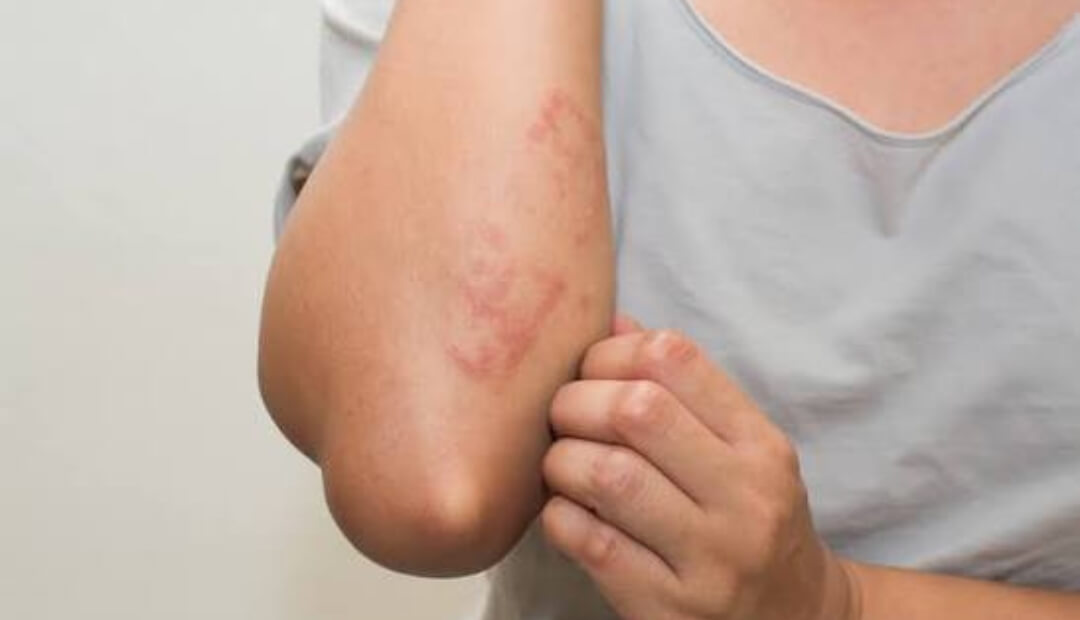
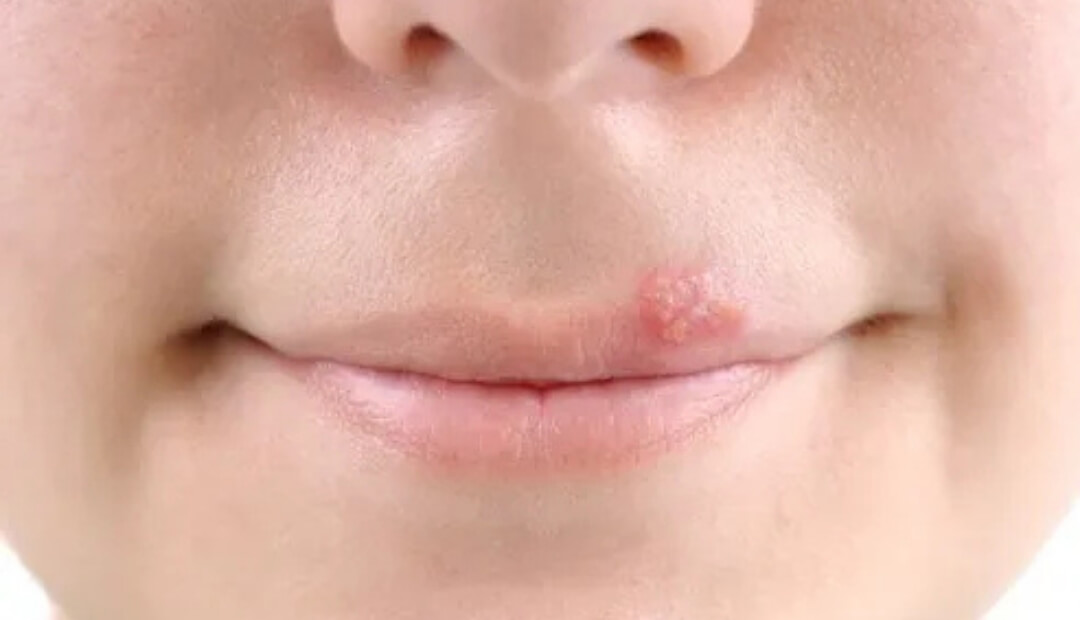
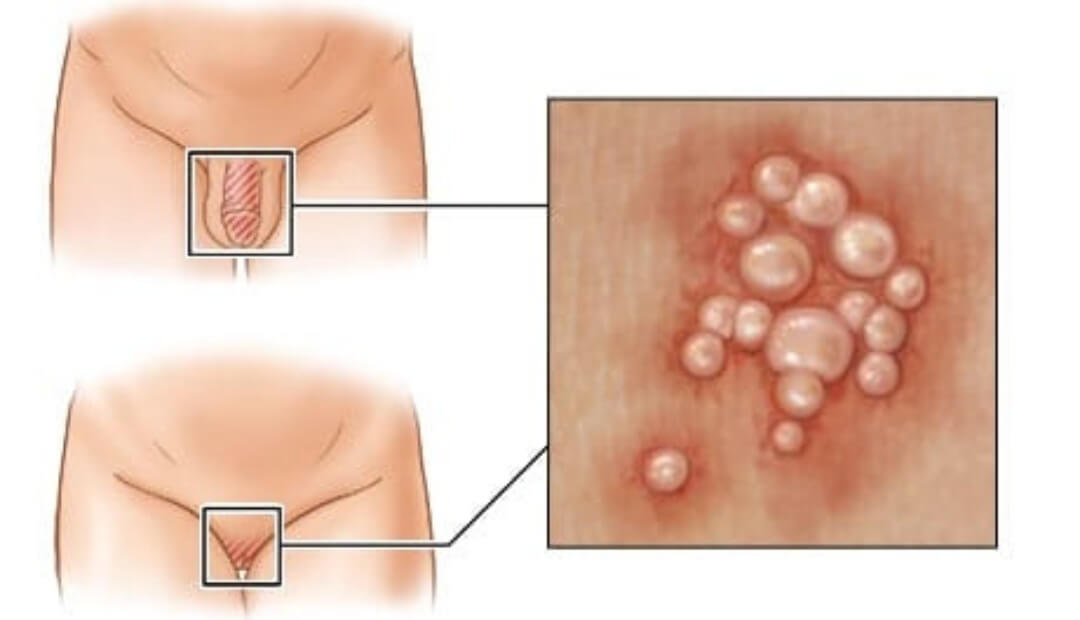
An outbreak can arrive when you least expect it. You might notice tingling, itching, burning, or small painful blisters around the genital area. Even a mild recurrence can interrupt work, exercise, sleep, or plans with friends.
Some people feel uncomfortable sitting for long periods. Others find walking, wearing tight clothing, or using the bathroom more difficult. These symptoms can make ordinary activities feel unexpectedly demanding.
The first episode may cause more noticeable symptoms than later recurrences. Recurrent outbreaks often become shorter or less severe over time. However, experiences differ, and some people have frequent symptoms while others rarely notice them.
Why outbreaks can return
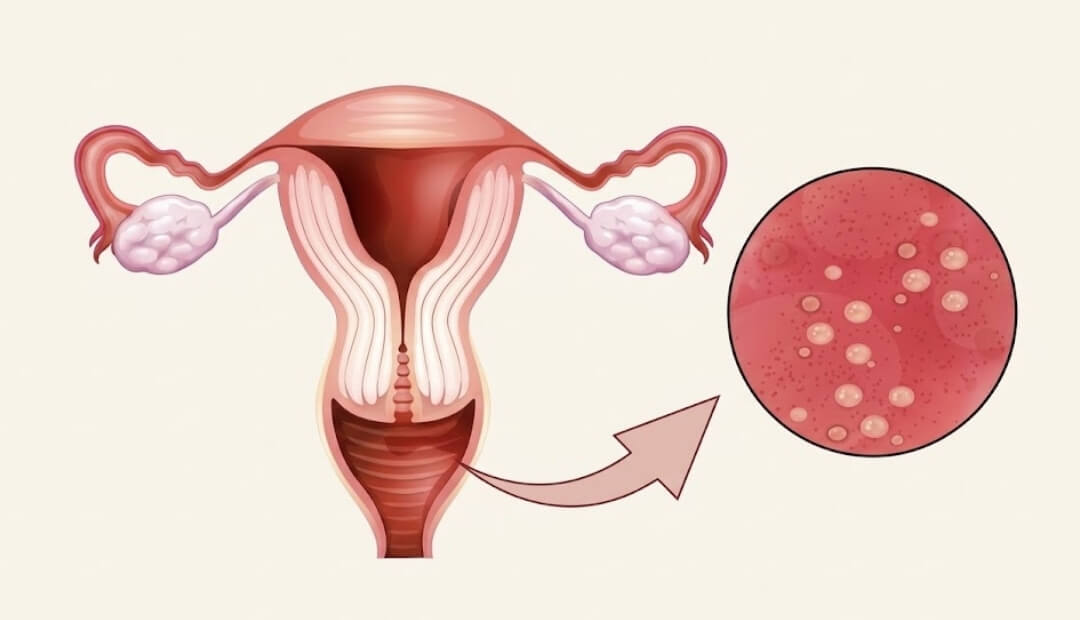
Herpes simplex virus remains in nearby nerve cells after the initial infection. The virus can become active again and cause symptoms in the same general area. This process explains why genital herpes can return even after the skin has healed.
Several factors may contribute to recurrences. Illness, fever, emotional stress, friction, hormonal changes, and local injury can play a role. However, an outbreak does not always have an identifiable trigger.
It is important not to blame yourself when symptoms return. A recurrence does not mean you did something wrong or failed to manage your health. Sometimes the virus becomes active without an obvious reason.
Small Challenges Can Feel Overwhelming
Discover a different perspective on recurring outbreaks and the everyday struggles that often go unnoticed.
Practical ways to make outbreaks easier
Simple adjustments may help reduce discomfort during an outbreak. Choose loose, breathable clothing and avoid activities that create painful friction. Gently clean the affected area with plain water and avoid harsh or scented products.
A cool compress wrapped in a clean cloth may soothe irritated skin. Some people find warm baths helpful when discomfort makes daily activities difficult. Never place ice directly against sensitive genital skin.
Over-the-counter pain relief may also help, when appropriate for your health. Ask a pharmacist or healthcare professional if you are unsure which option is suitable. The NHS genital herpes guidance explains practical self-care measures during outbreaks.
The Emotional Side of Living With Genital Herpes
The physical symptoms are only one part of the experience. A diagnosis can bring fear, embarrassment, anger, sadness, or uncertainty about the future. Some people worry that herpes has changed how others will see them.
These feelings can become especially difficult when someone receives a diagnosis unexpectedly. They may replay past relationships or question how the infection happened. Others worry that future partners will reject them.
Living with genital herpes does not mean accepting a life defined by shame. Herpes is a common viral infection, not a measure of someone’s character or worth. A diagnosis also says nothing about someone’s ability to build loving relationships.
Why the stigma can feel heavier than the symptoms
Many people know little about herpes beyond jokes or misleading information. This can make the diagnosis feel more frightening than the medical facts justify. The fear of judgment may lead someone to hide their concerns or avoid seeking support.
Some people withdraw from dating or social situations. Others become constantly alert to every sensation in their bodies. This ongoing worry can affect concentration, sleep, and emotional wellbeing.
The World Health Organization recognizes that genital herpes can affect sexual relationships and emotional wellbeing. Its herpes simplex virus fact sheet also explains how common HSV infections are worldwide. Understanding these facts can help place an individual diagnosis in a more realistic perspective.
Ways to rebuild confidence
Start by separating medical facts from assumptions about your future. Herpes does not prevent you from working, traveling, dating, or enjoying ordinary activities. It does not automatically make future relationships unsafe or unsuccessful.
Consider talking with someone who can respond without judgment. This might be a trusted friend, counselor, or healthcare professional. You do not need to share private medical information with everyone in your life.
If anxiety becomes persistent, professional emotional support can help. You deserve support for the psychological effects of a diagnosis, not only treatment for physical symptoms. Ask your healthcare provider about counseling or sexual health services if you need guidance.
Dating and Telling a Partner About Genital Herpes
Dating can feel different after a genital herpes diagnosis. You may wonder when to tell someone or how they will react. The conversation can feel difficult because it involves both health information and personal vulnerability.
Some people delay dating because they fear rejection. Others worry that one conversation will define the entire relationship. These concerns are common, but they do not predict how another person will respond.
There is no perfect script for discussing herpes. A calm, private conversation before sexual contact gives both people an opportunity to ask questions. It also allows you to discuss precautions without pressure or confusion.
How to approach the conversation
Choose a moment when neither person feels rushed. Explain that you have genital herpes and briefly describe what that means. You can also explain the steps you take to reduce transmission risk.
Try to avoid presenting the conversation as a confession. You are sharing relevant health information with someone who may become sexually involved with you. Both people deserve accurate information and the chance to make informed decisions.
Your partner may need time to process the information. They might ask questions or want to learn more before deciding how they feel. A respectful response should allow room for honest discussion from both sides.
Can you have a healthy sex life?
Yes, many people with genital herpes maintain satisfying and healthy intimate relationships. However, no prevention method removes transmission risk completely. Understanding the available precautions helps couples make informed choices together.
Herpes can spread through intimate skin-to-skin contact, including when no sores are visible. Condoms can lower the risk, but they cannot protect every area of skin. Avoid sexual contact during outbreaks or warning symptoms, such as tingling or burning.
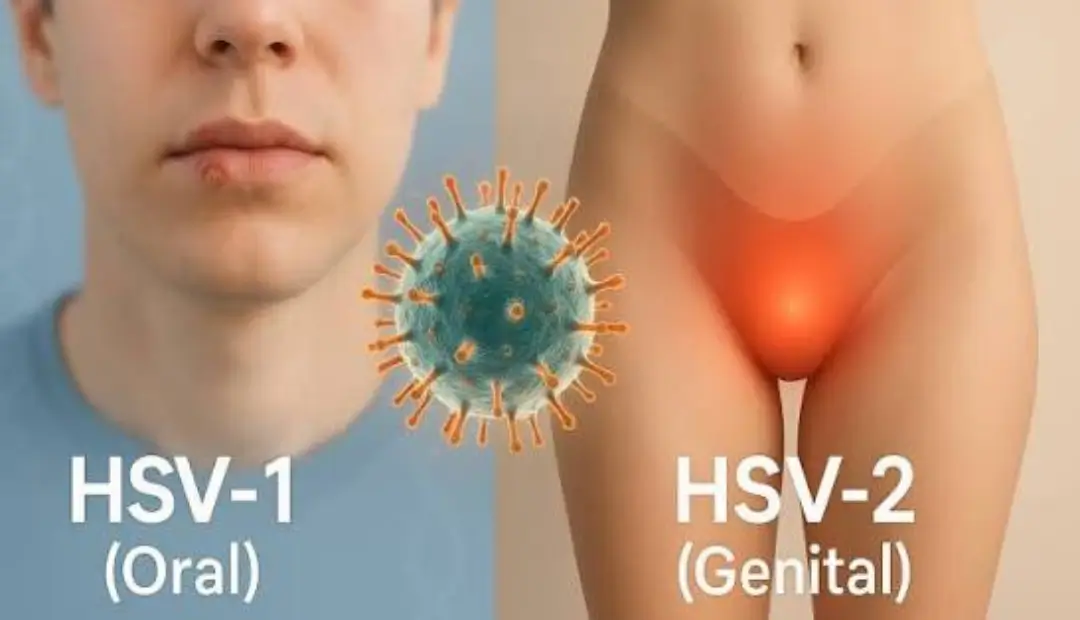
Daily antiviral treatment may further reduce transmission risk for people with symptomatic HSV-2. The CDC discusses these options in its genital herpes treatment guidelines. A healthcare professional can help couples decide which precautions fit their circumstances.
Worrying About Transmission During Everyday Life
One common challenge involves uncertainty about passing herpes to someone else. People may worry about sharing a bathroom, using household items, or touching ordinary surfaces. These fears can create unnecessary stress and restrictions.
Genital herpes primarily spreads through direct contact with an infected area during intimate skin-to-skin contact. It does not spread through toilet seats, swimming pools, or ordinary household surfaces. You do not need to isolate yourself from family members or avoid normal social contact.
Understanding how transmission happens can replace many unnecessary worries. It also helps you focus on precautions that actually matter. Accurate information is more useful than constantly trying to avoid everyday contact.
Your Emotional Well-Being Matters Too
Explore factors that may influence recurring outbreaks and discover an approach you may not have considered.
Understanding asymptomatic shedding
Herpes can sometimes spread when a person has no visible sores or noticeable symptoms. This happens because the virus may become active on the skin without producing obvious signs. Healthcare professionals call this process asymptomatic viral shedding.
This does not mean transmission happens every time you have sexual contact. It means the risk cannot be reduced to zero by waiting until sores disappear. Knowing this helps couples discuss realistic precautions rather than relying on appearance alone.
For people with symptomatic genital HSV-2, daily suppressive antiviral therapy can reduce recurrences and lower transmission risk. Condoms and avoiding sex during symptoms provide additional protection. No single measure offers complete protection, so combined precautions matter.
Managing Treatment Without Letting Herpes Take Over
Another everyday challenge involves deciding how much attention to give treatment. Some people only need medication when symptoms appear. Others experience frequent recurrences and prefer a daily treatment plan.
There is no single approach that suits everyone. The best option depends on outbreak frequency, symptom severity, medical history, and personal preferences. A healthcare professional can explain the benefits and limitations of each approach.
Episodic treatment for occasional outbreaks
Episodic treatment means taking antiviral medication when an outbreak begins. Common prescription medicines include acyclovir, valacyclovir, and famciclovir. Treatment generally works best when someone starts it early, often during the first warning symptoms.
These medicines can shorten outbreaks and help symptoms resolve sooner. They do not remove the virus from the body or guarantee that another outbreak will never happen. Your clinician can provide instructions based on your diagnosis and treatment needs.
Daily suppressive treatment for frequent recurrences
Suppressive therapy involves taking an antiviral medicine every day. It can reduce outbreak frequency for people who experience frequent genital HSV-2 recurrences. It may also lower transmission risk in certain circumstances.
Some people choose daily treatment because outbreaks cause significant physical or emotional distress. Others prefer episodic medication because their symptoms occur less often. Discuss both options with a healthcare professional before starting or changing medication.
The CDC overview of genital herpes explains that antiviral medicines can prevent or shorten outbreaks. It also clarifies that current medicines do not cure the infection. Treatment decisions should reflect your symptoms and individual circumstances.
Work, Travel, Exercise, and Other Daily Activities
Living with genital herpes should not require putting your life on hold. Most people can continue working, exercising, traveling, and enjoying their usual routines. Some adjustments may help when symptoms appear or discomfort increases.
You Deserve Confidence and Connection
Learn more about the challenges of living with genital herpes and a different way to think about managing them.
For example, friction may irritate sensitive skin during an outbreak. You might temporarily choose gentler exercise or postpone activities that cause discomfort. Returning to your normal routine can depend on how you feel and how your skin heals.
Travel may require a little planning if you experience frequent recurrences. Keep prescribed medication in its original packaging and follow storage instructions. If you expect a long trip, ask your clinician about managing symptoms away from home.
Handling stress without blaming yourself
Stress can be one factor associated with herpes recurrences. However, stress is not the only possible trigger, and avoiding it completely is unrealistic. You should not blame yourself when an outbreak follows a difficult period.
Regular sleep, manageable activity, and relaxing routines can support general wellbeing. Some people benefit from counseling, mindfulness, or gentle physical activity. These habits may improve how you cope, although they cannot guarantee outbreak prevention.
Try to focus on habits that make your life healthier and more comfortable. Avoid treating every stressful day as a warning that an outbreak must follow. Your health deserves attention, not constant monitoring or self-blame.
When Living With Genital Herpes Requires Medical Advice
Many people manage genital herpes with routine medical guidance. However, certain situations deserve prompt attention. New, severe, unusual, or persistent symptoms should not automatically be assumed to be another herpes outbreak.
Seek medical advice if you develop severe pain, difficulty urinating, fever, or extensive sores. A clinician can check whether herpes explains the symptoms or another condition needs treatment. Testing may also help confirm an uncertain diagnosis.
Pregnancy requires special attention because herpes can sometimes affect a newborn. Tell your obstetrician or midwife if you have genital herpes or develop symptoms during pregnancy. A first infection late in pregnancy needs particularly prompt medical assessment.
People with weakened immune systems may also experience more severe or prolonged symptoms. They should discuss new outbreaks with their healthcare team. Do not delay care when symptoms feel unusually severe or concerning.
Living With Genital Herpes Does Not Define Your Future
A genital herpes diagnosis can bring unexpected challenges. Outbreaks may interrupt routines, while worries about relationships and transmission can affect confidence. Yet these challenges do not have to become the center of your identity.
Understanding the virus helps you make informed decisions. Appropriate treatment can reduce symptoms, and practical precautions can lower transmission risk. Supportive relationships and honest conversations can also make daily life feel less complicated.
Living with genital herpes is not always effortless, but it is manageable for many people. You can still build relationships, enjoy intimacy, travel, and pursue the things that matter. The diagnosis is one part of your health story, not the whole story.
Could There Be More to Managing Herpes?
Living with genital herpes involves more than dealing with visible outbreaks or occasional discomfort.
Explore the possible factors behind recurring outbreaks and learn about an approach you may not have considered.