


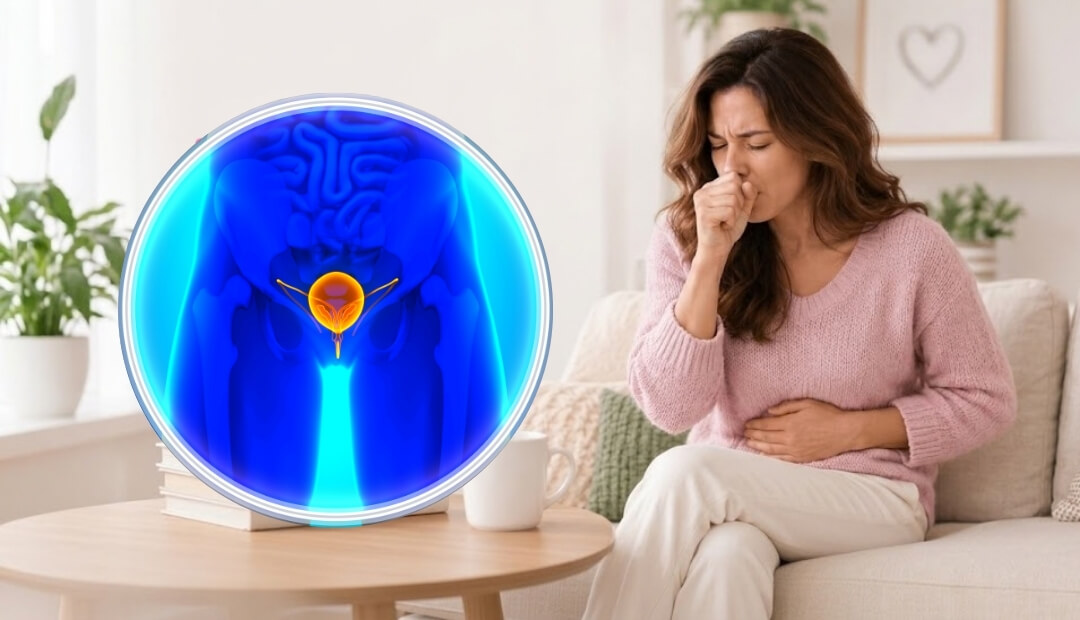
Have you ever sneezed, laughed, coughed, or stood up quickly and felt a few drops of urine escape? Urine leakage when sneezing can catch you off guard, especially when you thought your bladder was under control. Although this problem is common among women, many hesitate to discuss it or seek help.
You might start carrying spare underwear, planning bathroom stops, or avoiding exercise because another leak feels unpredictable.
These adjustments can gradually affect your comfort, confidence, and daily routine. The encouraging news is that several evidence-based approaches may help, depending on the cause.
What Causes Urine Leakage When Sneezing?
Your bladder stores urine until you are ready to empty it. The pelvic floor muscles and tissues surrounding the urethra help support the bladder and maintain urinary control. When you sneeze, cough, laugh, or lift something heavy, pressure inside your abdomen increases suddenly.
Normally, the muscles and supporting tissues help prevent urine from escaping during these movements. However, if they cannot manage the increased pressure effectively, a small amount of urine may leak. Doctors call this stress urinary incontinence, a condition that can affect women at different stages of life.
The Trigger May Be Only Part of the Story
Watch the video to explore bladder control, possible contributing factors, and an approach you may not have considered.
According to the National Institute of Diabetes and Digestive and Kidney Diseases (NIDDK), coughing, sneezing, and physical activity can trigger leakage when pelvic floor support is insufficient. However, not every urinary leak has the same cause, so identifying your symptoms matters.
Why Are Some Women More Likely to Experience Leakage?
Urine leakage when sneezing can develop for several reasons, and more than one factor may contribute. Pregnancy, childbirth, hormonal changes, and certain health conditions can affect the muscles and tissues involved in bladder control. Understanding these influences can help you discuss appropriate next steps with a healthcare professional.
Pregnancy and Childbirth
Pregnancy places additional pressure on the pelvic floor as the uterus grows. Vaginal childbirth can also stretch or injure muscles, nerves, and supporting tissues. Some women notice leakage shortly after delivery, while others develop symptoms months or years later.
These changes do not mean that urinary leakage is inevitable after pregnancy. Pelvic floor muscle training may help improve control, and a qualified professional can assess whether you need additional support. Persistent symptoms deserve attention rather than an assumption that recovery simply takes longer.
Menopause and Age-Related Changes
As women age, changes in muscle strength and connective tissue may affect bladder support. During menopause, declining estrogen levels can also influence vaginal and urinary tissues. These changes may contribute to urinary symptoms, although menopause does not automatically cause incontinence.
Younger women can experience stress urinary incontinence, too. Your medical history, childbirth experience, pelvic floor function, and other health factors all help explain individual differences. Age alone cannot determine the cause or the most suitable treatment.
Chronic Coughing, Constipation, and Body Weight
A persistent cough repeatedly increases pressure inside the abdomen. Constipation can create a similar problem when frequent straining places stress on pelvic support structures. Addressing these contributing issues may help reduce unnecessary pressure, although it may not resolve leakage by itself.
Higher body weight can also increase pressure on the bladder and pelvic floor. Some women experience fewer leaks after gradual, sustainable weight management. A clinician can help you determine whether weight, coughing, constipation, or another factor deserves attention.
The Emotional Impact of Unexpected Urine Leaks
A few drops of urine might seem like a minor physical problem, but the emotional effects can be significant. You may worry about leaking during a workout, laughing with friends, or sneezing in public. Even ordinary activities can begin to feel stressful when you cannot predict what will happen.
Some women carry spare clothes, wear protective pads, or avoid situations without convenient bathroom access. Others reduce exercise or social activities because they fear visible wet spots or unwanted odors. Over time, these precautions may affect confidence and make daily life feel more restricted.
Small Changes May Offer New Options
Discover more about everyday bladder leaks and watch the video for another perspective on managing unexpected urine loss.
Intimacy can become another source of concern when leakage creates embarrassment or anxiety. These feelings are understandable, but urinary incontinence is not a personal failure. It is a health concern that deserves respectful attention, and you do not need to wait until it becomes severe before asking for help.
What May Help Reduce Urine Leakage When Sneezing?
The best approach depends on your symptoms, their frequency, and the underlying cause. Many women begin with conservative treatments, while others benefit from supervised therapy or additional medical options. A healthcare professional can help you choose a plan that fits your circumstances.
1. Try Pelvic Floor Muscle Training
Pelvic floor exercises, commonly called Kegel exercises, strengthen the muscles that support the bladder and help control urine flow. Research supports pelvic floor muscle training as a treatment for stress urinary incontinence. However, results usually require regular practice over weeks or months.
To identify the correct muscles, imagine gently tightening the muscles you would use to prevent passing gas. You should feel an inward lift rather than a strong squeeze in your abdomen, thighs, or buttocks. Breathe normally, and fully relax the muscles between contractions.
The NIDDK guide to Kegel exercises explains how these exercises work and why correct technique matters. Avoid repeatedly stopping your urine stream to practice, because this is not a recommended exercise routine.
If you cannot identify the right muscles or notice no improvement, consider seeing a pelvic health physical therapist. A specialist can assess your technique and create an appropriate program. This support is especially useful when symptoms persist or exercises cause discomfort.
2. Track Your Bladder Habits
A simple bladder diary can reveal patterns that are difficult to notice during a busy day. Record when you urinate, what you drink, and when leakage occurs. Include whether a sneeze, cough, exercise, or sudden urge preceded each episode.
These notes can help you and your healthcare professional distinguish possible triggers from recurring symptoms. They may also reveal whether leakage happens only during physical pressure or alongside frequent, urgent bathroom trips. This distinction can influence the recommended treatment.
3. Review Caffeine and Fluid Intake
Caffeine can worsen urinary urgency or frequency in some people. If you drink several cups of coffee or tea daily, gradually reducing your intake may help you determine whether it affects your symptoms. However, caffeine reduction alone may not correct stress urinary incontinence.
Maintain adequate hydration rather than drastically limiting fluids to prevent accidents. Too little fluid can contribute to dehydration and concentrated urine. Ask your healthcare professional whether changes to your drinking habits make sense for your individual symptoms.
Your Bladder Symptoms May Have Clues
The video explores bladder control and introduces an idea to consider alongside established, evidence-based treatment options.
4. Address Constipation and Persistent Coughing
Frequent straining during bowel movements can place additional stress on the pelvic floor. Drinking adequate fluids, eating fiber-rich foods, and remaining physically active may help prevent constipation. Seek medical advice if constipation continues despite reasonable lifestyle changes.
If you have a persistent cough, discuss its cause with a healthcare professional. Treating the underlying respiratory problem may reduce repeated pressure on the pelvic floor. Avoid assuming that every cough or episode of leakage comes from the same condition.
5. Explore Additional Treatment Options
If urine leakage when sneezing continues despite conservative measures, you still have options. A clinician may recommend supervised pelvic floor therapy or a vaginal pessary, a device that supports pelvic structures. Some women may also benefit from procedures or surgery after an appropriate assessment.
Treatment depends on the type and severity of incontinence, your overall health, and your preferences. Medicines can help certain forms of urinary incontinence, particularly urgency-related symptoms, but they do not suit every type of leakage. The NIDDK treatment guide describes lifestyle changes, muscle training, medical devices, and other available approaches.
Do not assume that a supplement, quick routine, or advertised bladder reset can reliably fix the problem. Look for credible evidence and discuss unfamiliar treatments with a qualified professional. Be particularly cautious about promises of guaranteed results within seconds or days.
Is Leakage During Sneezing Always Stress Incontinence?
Leakage triggered directly by sneezing often fits the pattern of stress urinary incontinence. However, other forms of bladder control problems can produce overlapping symptoms. Urgency urinary incontinence, for example, involves leakage associated with a sudden, difficult-to-control need to urinate.
Some women experience both stress and urgency symptoms. Others develop temporary leakage alongside a urinary tract infection, constipation, medication effects, or another health issue. A clinician can review your symptoms and determine whether further evaluation is necessary.
This is why identifying the pattern matters more than simply trying random exercises or restricting fluids. A medical assessment can help clarify the likely cause and prevent you from overlooking a treatable condition.
When Should You See a Doctor?
Arrange an appointment if leakage happens repeatedly, becomes more frequent, or interferes with exercise, work, sleep, or social activities. You do not need to wait until accidents become severe. A primary care clinician, gynecologist, urologist, or pelvic health specialist may help evaluate your symptoms.
Your clinician may ask about pregnancy and childbirth, urinary habits, medications, constipation, and other health conditions. Depending on your symptoms, they may recommend a physical examination, urine testing, or a bladder diary. These steps can help guide an appropriate treatment plan.
Seek prompt medical advice if leakage occurs alongside blood in your urine, painful urination, fever, or pelvic pain. These symptoms may indicate an infection or another condition that needs assessment. Inability to urinate also requires urgent medical attention.
Understand Your Options Beyond Avoiding Sneezes
Watch the video to learn about the featured bladder-control approach, then consider how it compares with proven ways to manage leakage.
Seek emergency care if sudden bladder control loss occurs with severe back pain, new leg weakness, or numbness around the groin or saddle area. These symptoms can indicate a serious neurological problem. Do not wait for routine treatment if they appear suddenly.
A Practical Next Step Toward Better Bladder Control
Urine leakage when sneezing can disrupt your routine, but it does not have to remain an unspoken concern. Understanding the possible causes gives you a clearer starting point. Pelvic floor training, practical habit changes, and appropriate medical guidance may help you regain confidence.
Be patient with yourself as you explore your options. Improvements may take time, and the approach that helps one woman may not suit another. If symptoms continue, a professional assessment can help you avoid guesswork and identify the next reasonable step.
You may also encounter videos promoting quick bladder-control techniques or a so-called “7-second reset.” Treat such claims critically, because a headline alone cannot establish that a method is safe or effective. Use educational videos as a starting point for questions, not as a substitute for evidence-based care.
The most useful next step is understanding which strategies have credible support and which symptoms deserve further evaluation. With accurate information and the right guidance, you can make informed decisions about your bladder health without allowing embarrassment to determine your choices.
What If Sneezing Isn’t the Real Problem?
A few drops today may reveal a hidden bladder pattern worth understanding.
Discover why everyday leaks happen, what may help improve bladder control, and which overlooked habits could make a bigger difference than you expect.