






Urine leakage after childbirth can be a frustrating issue to deal with. You may find that you leak a little when laughing, sneezing, coughing or lifting your baby. Although it can take time to recover from childbirth, there are ways you can improve your bladder control.
You may have started to wear extra clothes or plan your journeys around toilets. You may also be avoiding exercise due to fears that you may leak when jumping, running or bending. Although small changes, these can impact your confidence, independence and enjoyment as a mum.
Many women will experience changes to their bladder control during pregnancy or after birth. There are several evidence based ways you can help improve your symptoms depending on what type and severity you are experiencing. Understanding why you may be experiencing symptoms can help you know when to seek support.
Urine Leakage After Childbirth
Imagine a new mum called Sarah. She is getting back into her routine and taking her baby for a walk, catching up with friends. However she sneezes and notices she has leaked a little urine.
This is a fictional example but demonstrates a common issue experienced after childbirth. Sarah now wears darker clothes and plans her journeys around toilets. Everyday activities now cause her to become more planned.
1
Some women will experience occasional leakage whilst others may leak more frequently or in larger amounts. Symptoms may occur during exercise, lifting a car seat or when getting out of bed. Pregnancy and childbirth are key factors associated with urinary incontinence (National Institute of Diabetes and Digestive and Kidney Diseases).
Discover Another Approach To Bladder Control
Explore what the “7-Second Bladder Reset Hack” claims to involve and what to consider when managing postpartum urine leakage.
Why Does Urine Leakage After Childbirth Happen?
Urine leakage after childbirth can be due to changes during pregnancy and physical stress during labour and birth. Throughout pregnancy your pelvic floor muscles will be working hard to support your growing uterus and changing abdominal load.
During labour your muscles and connective tissue may be stretched. Some women may also experience damage. The Royal College of Obstetricians and Gynaecologists explains how childbirth can affect these muscles and bladder control.
Whilst the type of birth can play a role, many women will experience leakage due to pregnancy itself. Some women may experience leakage after a caesarean.
Previous births, assisted births, long pushing stages, damage to the perineum and individual recovery can all play a role. It is impossible to know exactly who will experience ongoing symptoms.
Stress Incontinence or Urgency With Urine Leakage After Childbirth
During pregnancy extra pressure is placed on your pelvic floor. This is a group of muscles and connective tissue below your pelvis which supports your bladder and other pelvic organs. Pregnancy and childbirth can cause stretching and changes to this tissue.
During a vaginal birth your pelvic floor can be significantly stretched. However, symptoms can occur due to pregnancy itself. Other factors such as previous births, assisted birth and individual tissue differences can influence recovery.
2
If your muscles and supportive tissue aren’t able to cope with the pressure you may experience leaking when coughing, sneezing, laughing and lifting. This is known as stress urinary incontinence by doctors. However, there can be other bladder issues causing leakage after childbirth.
Understanding Stress Incontinence or Urgency After Birth
Stress incontinence causes leaking when pressure increases in your abdomen due to physical activity. This can be when laughing, exercising, bending or lifting your baby. You may not feel like you need to go to the toilet urgently.
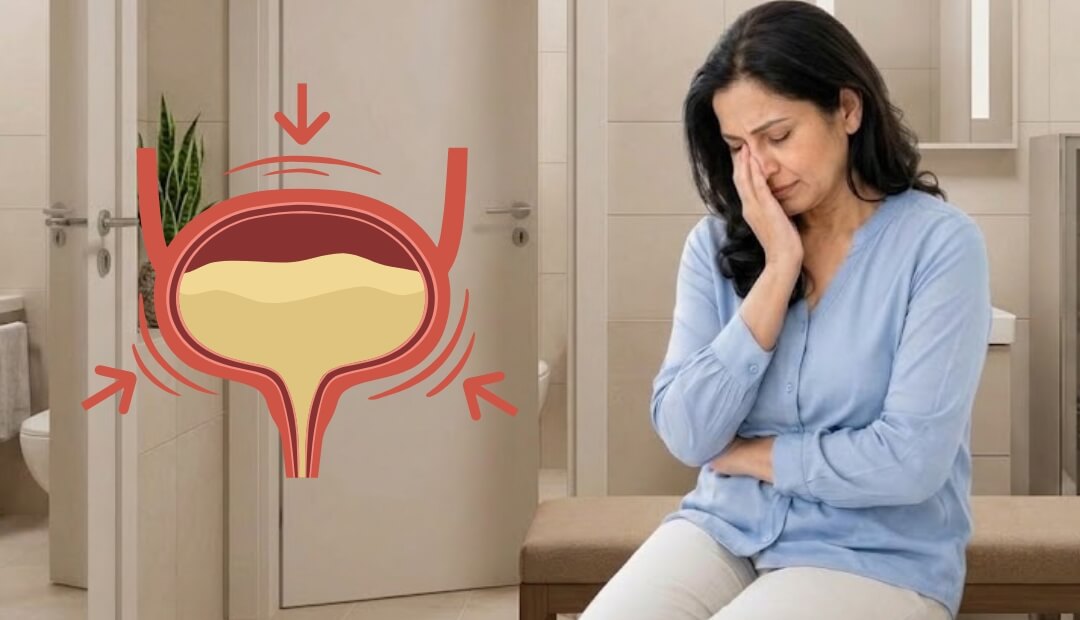
Urgency causes you to suddenly feel the need to go to the toilet. You may struggle to get to the toilet in time. Some women may also experience frequent urination. Some women may experience both types of symptoms known as mixed urinary incontinence.
Knowing the difference can help clinicians decide what treatment you may need. Stress incontinence often improves with pelvic floor muscle training. Urgency may improve with bladder training. There are different types of urinary incontinence and treatment options (American College of Obstetricians and Gynecologists).
Emotional Impact of Urine Leakage After Childbirth
After childbirth your body will be going through changes, lack of sleep and new demanding responsibilities. This can make unexpected leakage a frustrating issue. You may become worried about having an accident when caring for your baby or going out.
This can affect how you make decisions. You may avoid going to a fitness class, refuse to go out or avoid doing things you used to enjoy. Constantly worrying about your bladder control can make it difficult to relax.
Some women may feel uncomfortable with intimacy due to worries about leakage. Some women may not want to talk about their issue due to embarrassment or feeling it is a personal failing. However, postpartum bladder issues are health related and should be discussed.
You Can Be Grateful for Being a Mum But Need Support
You don’t need to neglect your own needs as a mum. It is completely reasonable to want to laugh, exercise, socialise and feel comfortable during intimate times. You deserve support which takes your recovery into consideration.
3
Telling your partner or a trusted healthcare professional what you are experiencing can be helpful. You don’t need to wait until your symptoms are severe to seek advice. Talking early can help you know what to do next.
How Your Recovery From Urine Leakage After Childbirth May Change
As your body settles down, tissues heal, you become more active and your pelvic floor muscles become more coordinated your bladder control may change. Some women will see improvements in the first few weeks after childbirth.
However others may need more time or professional support. There is no set time frame for everyone. The NHS post-pregnancy guidance also explains that physical problems after birth can need support from a healthcare professional.
It can be helpful to know whether your symptoms are improving, remaining the same or getting worse. If you are experiencing mild leakage which is becoming less frequent this may be part of your recovery.
However if your symptoms aren’t improving or getting worse it is worth talking about. Don’t assume after a certain number of weeks your symptoms will improve.
Your recovery may be affected by other factors. Constipation, chronic coughing, pain, tiredness and returning to high impact activities too soon can all impact how comfortable you are. Talking to a postpartum clinician or pelvic health physio can help you modify your activity.
Will Urine Leakage After Childbirth Improve?
Some women will notice gradual improvements as their bodies recover. However everyone will recover differently. How much you are leaking, injuries from childbirth, pelvic floor function and other health related factors can all influence how you recover.
4
If your symptoms are mild and improving it may be reasonable to give your body some time to recover. However if you are still leaking you shouldn’t just try to work around it. If your symptoms are affecting your everyday activities, exercise, sleep or intimacy it is worth talking to a healthcare professional.
The NHS advise that leakage can occur after having a baby. If your pelvic floor exercises aren’t helping then it is advised to seek help (Your body after childbirth).
Take A Fresh Look At Bladder Control
If urine leaks make outings stressful, watch to learn about a bladder-control method and the claims behind it.
Practical Ways to Help With Urine Leakage After Childbirth
Your recovery after childbirth should take into consideration healing, lack of sleep, feeding and how much time you have to look after yourself. It is more useful to have a realistic plan. Start with advice which is suitable to your type of birth and recovery. Gradually increase your activity.
The best way to help will depend on your symptoms, recovery and individual health needs. Many women will start with conservative management. A healthcare professional can help you decide what is suitable.
1. Try Pelvic Floor Muscle Training
Pelvic floor muscle training focuses on strengthening the muscles which support your bladder. These exercises (often referred to as Kegel exercises) involve gently contracting and releasing the correct muscles.
If you complete a regular routine correctly this may help reduce your leaking. This can be particularly helpful if your symptoms are due to stress incontinence. The National Institute for Health and Care Excellence recommends supervised pelvic floor muscle training for women with relevant symptoms.
It is important to complete the exercises correctly. Some women may struggle to identify and contract the correct muscles. Others may have tightness or pain in their pelvic floor muscles. A pelvic health physio can assess your muscle function and create a programme specific to your needs.
Improvements usually take time. If you are completing the exercises occasionally you may not gain much benefit. Clinical guidelines often recommend completing a structured programme for at least 3 months if you have stress or mixed incontinence. Avoid holding your urine mid stream regularly as this can cause issues with emptying your bladder.
2. See a Pelvic Health Physio
A pelvic health assessment after childbirth can help look at more than just your muscle strength. They may look at your breathing, abdominal coordination, scar sensitivity, pelvic floor relaxation, posture and how your symptoms present during everyday activities. This can be useful as leakage after childbirth isn’t always due to weak muscles.
A pelvic health physio can assess your muscle strength, coordination, relaxation and movement patterns. They can help teach you how to contract your muscles correctly and modify your exercises to suit your stage of recovery. This can be particularly useful if you are unsure if you are doing the exercises correctly.
5
They may also help with any underlying issues. This can include pelvic discomfort or muscle coordination during movement. Treatment will depend on your symptoms and findings from your examination. If you are experiencing pain, pressure or worsening symptoms whilst completing an exercise stop and ask your clinician for guidance.
Seeking professional support doesn’t mean you are not recovering. It means you can identify any issues which general advice may not fully address. NICE recommend individualised supervised pelvic floor training.
3. Modify Your Bladder Habits
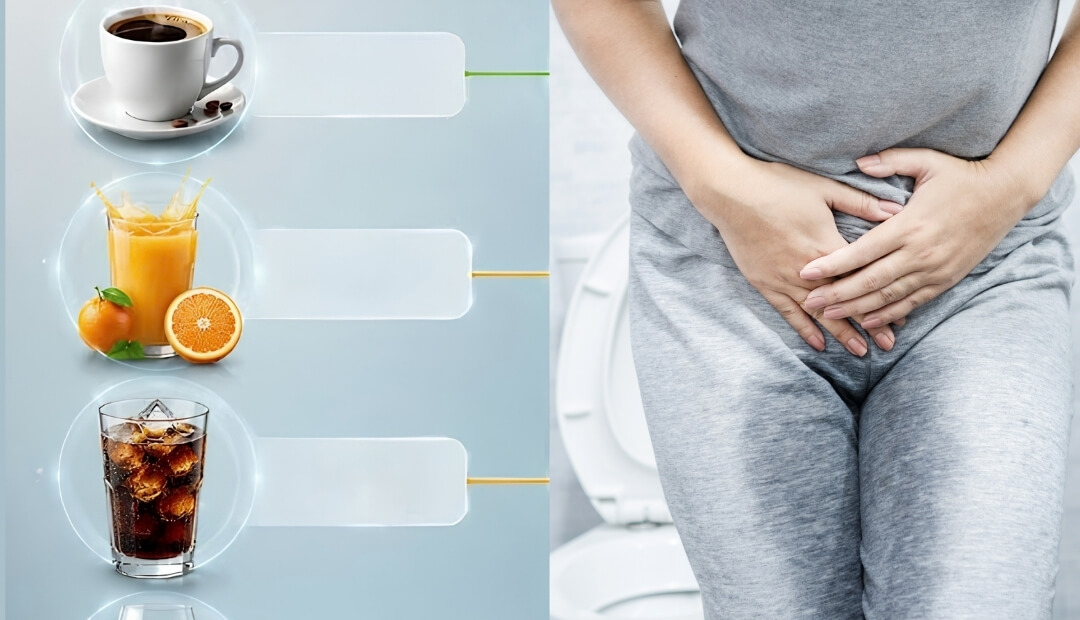
Your bladder habits throughout the day may be affecting how frequently you are going to the toilet and how urgently. Caffeine can increase urine production or cause urgency in some people. Keeping a diary of what you are drinking and your symptoms can help identify any patterns.
Don’t dramatically reduce your fluid intake as this can cause concentrated urine and constipation which can worsen some symptoms. Ensure you are drinking enough to stay hydrated. Ask your healthcare professional if modifying your intake can help.
Constipation can cause extra strain on your pelvic floor muscles. Eating fibre rich foods, drinking enough fluids and following appropriate advice for activity can help keep your bowels regular. If you are still experiencing constipation ask your clinician for safe ways to manage it whilst recovering.
4. Bladder Training
If you are experiencing urgency or frequent trips to the toilet bladder training may help. This involves gradually building up bladder control. This is often done with guidance from a healthcare professional.
This is different to pelvic floor training but may be recommended if your symptoms overlap. The NICE urinary incontinence guideline includes recommendations on bladder training for urgency and mixed urinary incontinence.
6
If possible keep a simple bladder diary. This can help identify any patterns. Don’t push yourself to hold on if it is causing you pain.
5. Use Absorbent Products
Using absorbent products can give you peace of mind whilst recovering. This can help you feel more comfortable when walking, exercising or caring for your baby. Ensure you are using products which fit well and change them regularly.
The NHS treatment guidance explains how absorbent products can help manage symptoms while someone is waiting for assessment or treatment.
This will help with the inconvenience but doesn’t treat the cause. You can use these alongside appropriate exercises/medical treatment. If you are experiencing any irritation to your skin consider changing products.
Explore More About Managing Urine Leaks
Discover what the featured bladder-reset method involves, while keeping evidence-based postpartum care at the center of your decisions.
When to Seek Further Assessment for Urine Leakage After Childbirth
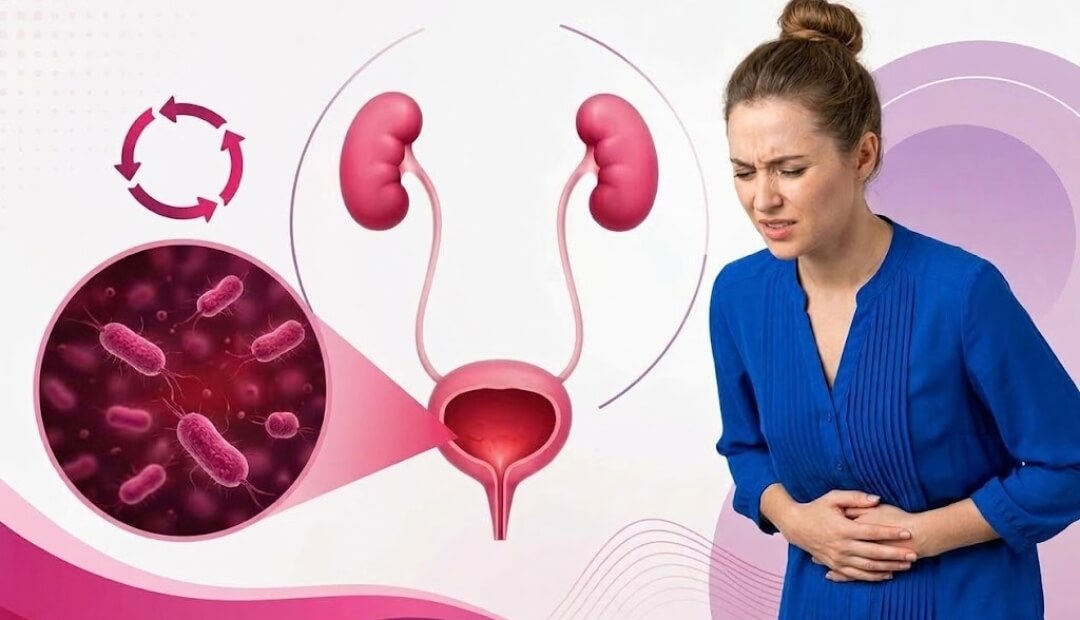
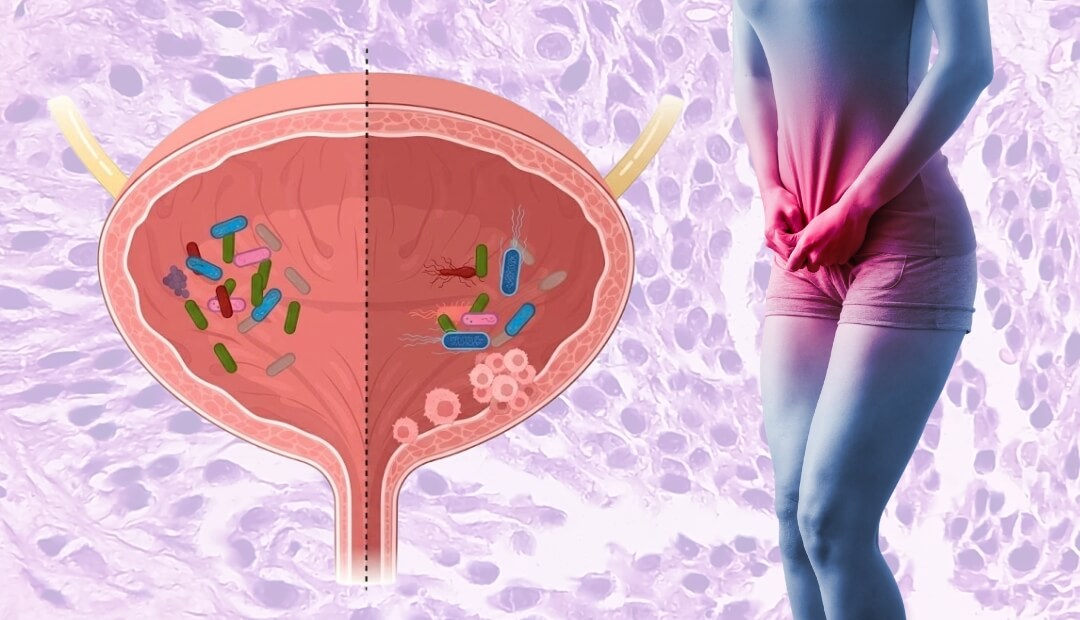
If your leaking isn’t improving a clinician may need to assess whether you are experiencing stress incontinence, urgency, mixed symptoms, incomplete emptying, infection or pelvic floor injury.
This may involve asking about your symptoms, urine tests, physical examination or referring you to a specialist. The NIDDK diagnostic guidance describes how healthcare professionals use medical history, examinations and bladder diaries to investigate urinary leakage.
If you had a large tear to your perineum, assisted birth, severe pelvic pain, feeling of pressure or bulging in your vagina or difficulty emptying your bladder let your clinician know. This can change what type of assessment you receive. Let them know if your leaking is only when you are active or if you are experiencing a sudden urge.
What if my Leaking isn’t Improving?
If your symptoms aren’t improving with conservative management a clinician can reassess the cause. You may be offered further treatment. This can include specialised physiotherapy, medication for your bladder or devices to help with bladder control.
Some women with ongoing stress incontinence may eventually be offered a procedure/surgery. Not all treatment will be suitable for everyone. Particularly in the early stages of recovery or if you are breastfeeding.
7
Your clinician should explain what benefits you are likely to gain, any potential side effects and how it will fit with your health goals. Surgery is generally something to be carefully considered and most women with new leaking won’t be offered this as a first step.
Be cautious of products or techniques which promise an instant or guaranteed fix. Something which is being promoted online may not have strong clinical evidence. Ensure you are making decisions based on your diagnosis and best medical advice.
When to See a Healthcare Professional for Leaking After Childbirth
If your leaking isn’t improving, is increasing or is affecting your everyday life contact your healthcare professional. You can discuss this at your postpartum appointment but don’t need to wait. A clinician may assess your symptoms, examine relevant areas and recommend further assessment.
If you are experiencing pain when passing urine, a temperature, blood in your urine or difficulty emptying your bladder seek prompt medical advice. This can be a sign of an infection or other issue which needs specific care. If you are experiencing new severe pain or a sudden significant change in your bladder function seek urgent assessment.
Before your appointment note when you are leaking, how much you are leaking, if you are experiencing urgency, frequent urination, pain or difficulty emptying. Mention if you had any complications during your birth and how your symptoms are affecting your sleep, movement or emotional wellbeing.
Self-care After Childbirth
Self-care after childbirth can be challenging as most of your focus will be on your new baby. Try to keep any bladder or pelvic floor plan simple.
Short practice sessions, gradually increasing activity and help with tasks which involve repeated heavy lifting may be more realistic. If you are feeling tired or in pain ask your care team how you can modify your plan.
8
Using temporary products can give you peace of mind whilst seeking care. However if your leaking isn’t improving you should seek care. This is a good time to mention your bladder symptoms. If it is affecting your everyday life you can ask for an earlier appointment.
Bladder Control After Childbirth
Although frustrating, there are many reasons why you may be leaking after childbirth. Many women can improve with the correct treatment. Don’t blame yourself and don’t plan your life around avoiding leaks.
If you are curious about the techniques being promoted you may have heard of the 7-Second Bladder Reset Hack. There is a video discussing how this can help women with pee leaks.
Knowing what this involves may help you ask informed questions. However quick fixes should be carefully considered. There are established treatments for postpartum leaking. Appropriate pelvic floor training, bladder training for specific symptoms and professional assessment. Choose what to do next based on reliable evidence.
Take Steps to Feel More Confident
Recovering after childbirth can be challenging. Whilst looking after your new baby it is important to look after your own health. If your leaking is affecting your comfort or confidence it is a sensible choice to seek help. Making small changes and using evidence based treatment can help you feel more in control of your everyday activities.
Be honest about your symptoms and ask what will be the best option for you. With the correct assessment and support you can explore your options. Don’t guess what to do. You deserve care which will help you feel more comfortable.
Could There Be Another Way to Manage Postpartum Leaks?
If urine leakage after childbirth is affecting your confidence, there may be more bladder-control strategies worth exploring.
Discover what the “7-Second Bladder Reset Hack” claims to involve and learn why realistic expectations matter.