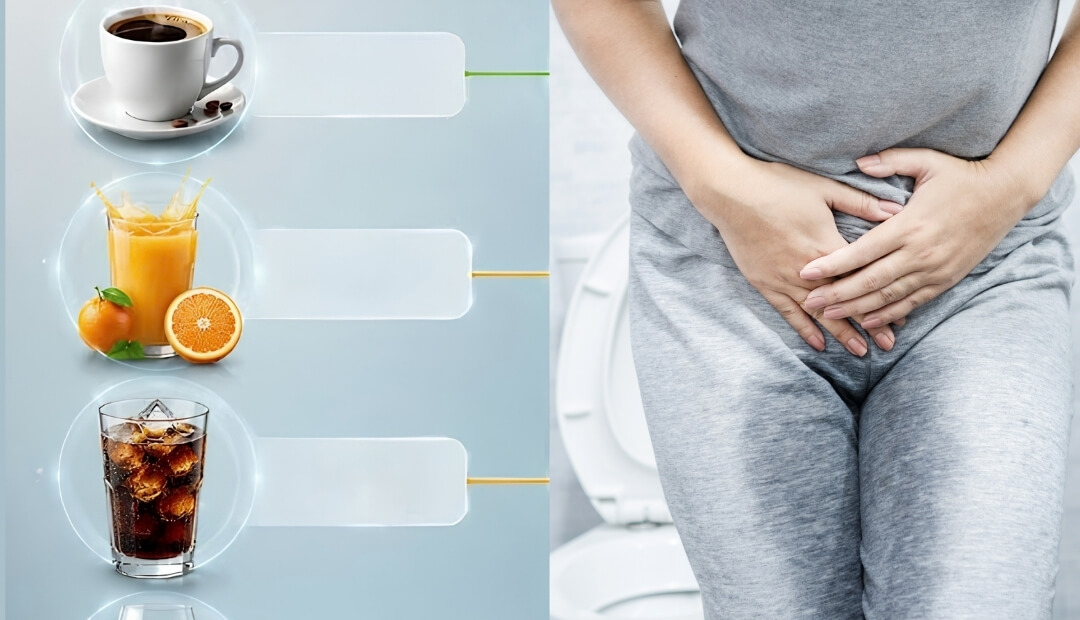
You may find that once you have finished your morning coffee you feel the need to empty your bladder again. When you are busy with errands, long journeys or socialising finding somewhere to go to the toilet can be a priority. Knowing which foods that irritate the bladder may be contributing to your symptoms can help you understand increased urgency, frequency or discomfort.
However, everyone’s triggers will be different. Something that causes one woman issues may not cause any issues for another. Knowing what causes your symptoms and what may be triggering them can help you make informed decisions whilst not unnecessarily limiting your diet.
When Bladder Urgency Becomes An Issue
Bladder urgency is when you suddenly feel the need to go to the toilet. This can occur even when your bladder isn’t very full. Some women may also feel the need to go frequently, have to go at night or experience leaking. The NIDDK describes these as common symptoms of bladder control problems.
This can cause stress when trying to do everyday tasks. You may find yourself choosing certain places to eat based on having a toilet nearby, avoiding long journeys or becoming stressed about going out for coffee with friends.
1
Eventually this can impact your sleep, confidence, travelling and socialising. It can cause frustration as your body feels unpredictable. Whilst certain foods and drinks may play a part, if symptoms are ongoing it is worth looking into.
Explore a Different Bladder Control Approach
Alongside tracking your triggers, discover what the 7-Second Bladder Reset Hack claims to offer and what to consider.
Common Bladder Irritants – What Foods That Irritate The Bladder Should I Avoid?
Certain drinks can cause an increase in urine production and irritation in those with a sensitive bladder. Certain foods can also cause discomfort, particularly those with bladder pain syndrome. However, there isn’t a one size fits all answer.
The National Institute of Diabetes and Digestive and Kidney Diseases (NIDDK) highlight some common foods and drinks that people may associate with causing bladder irritation.
2
This includes caffeine, alcohol, fizzy drinks, citrus, spicy foods and artificial sweeteners. The NIDDK also explains that individual food and drink triggers can vary among people with interstitial cystitis.
Whilst this can be a good starting point, your symptoms will help you understand if you should be paying more attention to certain ingredients.
1. Coffee, Tea and Caffeinated Drinks
Coffee is often one of the first drinks to look into if you are experiencing bladder urgency issues. Caffeine can increase urine production and cause symptoms to get worse in some people with bladder issues.
Tea, cola, energy drinks and some other drinks also contain caffeine, which may contribute to bladder irritation. While these are not technically foods that irritate the bladder, they can trigger similar symptoms in some people.
If you are having multiple cups throughout the day, you may notice a more frequent urge to go to the toilet. However, not everyone will experience bladder urgency due to caffeine.
If you regularly drink coffee try gradually reducing your intake. Perhaps have one cup less per day or swap to something with less caffeine. Monitor your symptoms to see if this makes a difference.
2. Alcohol
Alcohol can cause an increase in urine production causing you to have to go more frequently. Some women may find their bladder urgency increases after having wine, beer or spirits. The more they drink the more noticeable it can become.
Alcohol can also impact sleep causing you to have to go more frequently at night. If you regularly wake up needing the toilet after drinking note when and how much you are having. This can help you see if there is a pattern.
If you notice a clear link between your symptoms and alcohol reducing your intake may help. However, if you are still experiencing frequent bladder urgency it is worth looking into.
3. Fizzy Drinks
Some people may find they have bladder symptoms after drinking soda or other fizzy drinks. Some people may also find sparkling water causes issues. Many people can tolerate this well. Other ingredients may be playing a part.
For example, cola can contain caffeine and fizz. If you are experiencing symptoms after a particular drink it can be difficult to know what is causing the issue.
Try swapping one fizzy drink for still water for a few days and monitor how often you need to go to the toilet and if you have bladder urgency. If there is no change then the fizzy drinks may not be a major trigger.
3
4. Citrus Juices and Acidic Foods That May Irritate The Bladder
Orange juice, grapefruit juice, lemonade and other acidic drinks may cause symptoms to get worse. Some people may also experience issues after having tomato based foods. This seems to be particularly relevant to those with bladder pain syndrome.
However, not everyone with bladder urgency will have issues with acidic foods. You don’t need to cut out all fruit and tomatoes unless there is a clear reason. This can make it harder to eat a balanced diet.
Try to see if there is a pattern with one particular food. Swapping one of the foods you think may be causing an issue can help. If you are still experiencing bladder urgency no matter what you eat then there may be other causes.
5. Energy Drinks and Sugary Drinks
Energy drinks can contain high levels of caffeine and fizzy ingredients. This can make it tricky to identify what is causing your symptoms. Some women may also experience symptoms after drinking sugary drinks with artificial sweeteners.
There is no evidence to suggest all sweeteners cause bladder irritation. Everyone will react differently. Checking the labels can help you understand what is in your usual drinks.
Some people may experience their symptoms getting worse after eating spicy foods, chocolate or foods with artificial sweeteners. This may be particularly relevant if you are experiencing bladder discomfort.
The NIDDK provide some guidance on diet and interstitial cystitis. They highlight that some people may experience their symptoms flaring up after eating certain foods and drinks. This can include citrus, tomatoes, spicy foods, chocolate, coffee, tea and alcohol.
This guidance is particularly relevant to those with interstitial cystitis (bladder pain syndrome). Not everyone with frequent urination will have this condition. A healthcare professional can help you identify if your symptoms match a particular diagnosis.
Discover What the Bladder Reset Hack Claims
Watch the presentation to learn about this approach and consider how it fits alongside evidence-based guidance for urinary urgency.
Why Foods That Irritate The Bladder Affect Women Differently
Two women may have very different results after having the same coffee. This can be due to many factors including sensitive bladders, how much liquid you are having, medication and underlying health conditions. How much and how fast you are drinking can also play a part.
Overactive bladder can cause sudden urges and frequent urination. Urinary tract infections, constipation, menopause and certain medications can all play a part. Bladder pain syndrome can also cause bladder urgency along with discomfort in the bladder or pelvis. The NIDDK explains the symptoms and possible causes of this condition.
4
As these can overlap it is best not to assume food is the only cause. A clinician can help identify possible causes by looking at your symptoms and medical history. This is particularly important if your symptoms are sudden or getting worse.
Will Not Drinking Enough Make My Symptoms Worse?
Some women may intentionally not drink enough to avoid going to the toilet frequently. However, this can cause dehydration. Some people may also find concentrated urine irritates their bladder.
Try to have an appropriate amount of fluids based on your health, activity and environment. Often water is a good choice to start with. However, if you have certain heart or kidney conditions you may need individualised guidance.
The Mayo Clinic provide some guidance on bladder control. They highlight that caffeine, alcohol and how much you are drinking can all impact your symptoms. However, not drinking enough can cause issues. Their Mayo Clinic guidance also explains why drinking too much or too little may affect bladder symptoms.
How To Identify Your Triggers
You don’t need to cut out all the foods you think may be causing an issue. A structured approach can help you identify patterns without cutting out too many foods and keeping your diet balanced. Start with a simple bladder diary. Record your usual routine for a few days.
5
- Record what drinks you had. Include what type, how much and when.
- How often did you go to the toilet? Did you have any other symptoms? Leaking, discomfort, waking at night or pain?
- Did you have any potential triggers? Spicy foods, citrus, chocolate etc.
Look for patterns. It is important there is a pattern.
If you notice one drink is linked to your symptoms try reducing or swapping it. Keep your other habits reasonably consistent so you can easily see if it is helping.
You may want to introduce it later on. Don’t intentionally try foods that cause you severe pain. If you have a diagnosed bladder condition speak to your clinician for guidance.
Practical Tips To Help With Bladder Urgency
Once you have identified a likely trigger try to make practical changes. If you are regularly having issues after coffee or tea try reducing your caffeine intake gradually. Some people may find reducing the amount they are having helps.
Ensure you are having an appropriate amount of fluids unless you have been advised otherwise by your healthcare professional. Don’t have excessive amounts in a short space of time. If you are waking at night due to needing the toilet speak to your clinician about when you are having your fluids.
6
Depending on the cause bladder training may help you gradually build up better bladder habits. Pelvic floor exercises can also help some people with bladder issues.
A healthcare professional or pelvic health physio can explain what would be best for your symptoms. The American Urological Association includes bladder training and behavioural therapies among its recommendations for overactive bladder.
If you are still having bladder urgency don’t just focus on your diet. Depending on the cause you may need to treat an infection, review your medications, manage constipation or treat any underlying bladder condition.
When To See A Healthcare Professional
If you are still experiencing bladder urgency, it is getting worse, impacting your sleep or everyday activities then book an appointment with a healthcare professional. If you are feeling less confident due to frequent urination or leaking then seek advice. A clinician may look at your symptoms, perform an examination or ask for a urine sample.
If you are experiencing pain when passing urine, blood in your urine or new symptoms seek urgent advice. If you are having a temperature, chills or pain in your back or side this could be a sign of an infection and should be seen urgently. Don’t attempt to manage these symptoms with diet changes.
If you are unable to pass urine seek urgent care. The NHS provide guidance on urinary tract infections and state urgency, frequent urination, a burning sensation, blood in urine and temperature can all be symptoms.
A healthcare professional can help identify if you have an infection or other condition that may need treating. You can read the NHS guidance for more information about UTI symptoms and when to seek medical advice.
Bladder Control With More Knowledge About Foods That Irritate The Bladder
Knowing what foods can irritate your bladder can help you get started. Some people may find coffee, alcohol, fizzy drinks, citrus and spicy foods cause symptoms. However, it is important to know what is causing an issue for you.
Keeping a record of your symptoms, making gradual changes and ensuring you are having the right amount of fluids can all help. If you are still having symptoms seek medical advice. Knowing what may be causing your symptoms can help you make decisions that will help you feel comfortable.
7
The NIDDK treatment guidance also discusses fluid intake and lifestyle changes that may help manage bladder control problems.
If you are feeling less confident due to bladder urgency or occasional leaking you may be interested in some of the methods mentioned in popular bladder control videos.
This video explains the 7 Second Bladder Reset Hack and what it is claimed to do. Be cautious as this is a promotional video and doesn’t prove it will be effective medically.
Could Your Bladder Habits Hold an Important Clue?
Discover the “7-Second Bladder Reset Hack” and explore another perspective on managing urgency and bladder-control concerns.
Learn what the technique claims to involve and what to consider before relying on it. It is not a substitute for medical care.