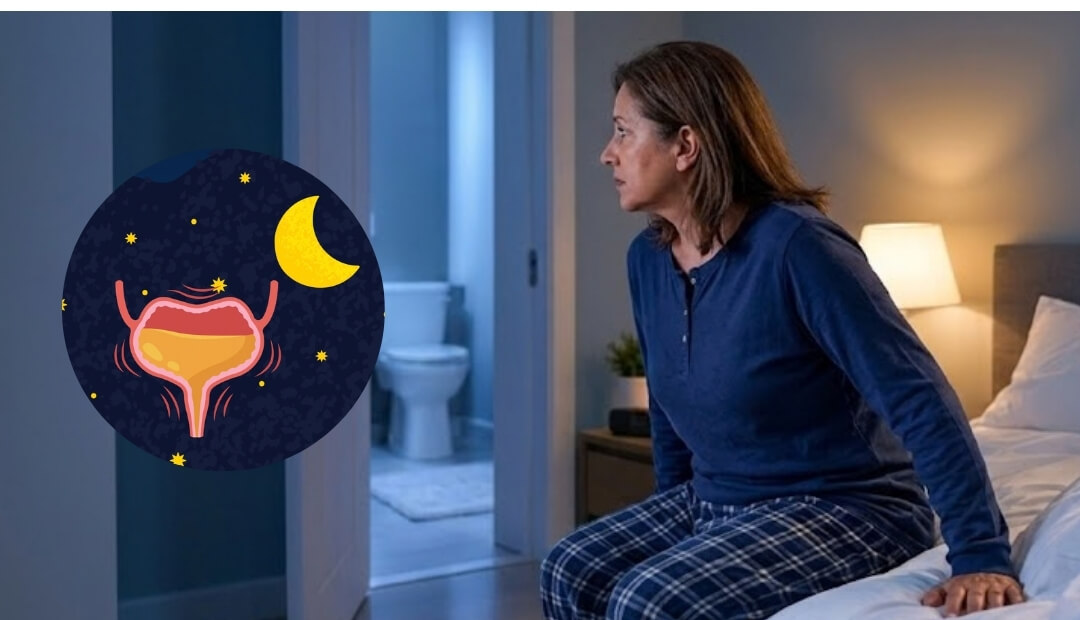
Waking to go to the toilet can often cause frustration when trying to get a good nights sleep. If you have an overactive bladder at night, you may struggle to get a good nights sleep, feel tired all the time and worry about when your next urge will hit. You can manage many of the reasons behind nighttime urination with the right approach.
You may think it is due to your tea, age or simply drinking too much water. However there can be many reasons why you are going to the toilet frequently. Knowing why can help you make changes to help your symptoms.
When Overactive Bladder at Night Becomes an Issue
You may be falling asleep easily but then waking up a couple of hours later with an urgent need to go to the toilet. Once you go back to sleep you may find that you are waking up again shortly after.
Some women may find that their symptoms begin occasionally but then become more regular. Others may find that they have an urgent need to go to the toilet throughout the day, frequent urination or leaking. This can make everyday tasks feel less predictable.
1
Medical professionals use the term nocturia to describe waking from sleep to urinate. Although an overactive bladder can cause nocturia, the two conditions are not the same. Symptoms of overactive bladder can include sudden urges, frequent urination and waking multiple times during the night (Mayo Clinic overview of overactive bladder).
Your Bladder May Be Sending Clues
Discover a different perspective on nighttime urgency and the overlooked factors that may keep interrupting your sleep.
What is an Overactive Bladder?
The bladder stores urine until you are ready to empty it. As your bladder fills, nerves send messages to your brain to help you coordinate urinating. This means that you can hold on until a convenient time.
In an overactive bladder, your bladder muscle may begin to contract on its own before your bladder has filled completely. This can cause a sudden urge to urinate. Some people may also leak urine if they cannot make it to the toilet in time.
However, frequent urination during the night does not necessarily mean you have an overactive bladder. It may be that your body is producing too much urine during the night, or you may have another health issue causing you to wake. It is important to know why you are waking.
Overactive Bladder at Night – Know Why You Are Waking
There can be multiple reasons why you are waking to go to the toilet. Some women may be waking due to a sudden urge from their bladder. Others may be producing more urine during the night.
Or you may be waking for another reason such as pain, noise or a sleep issue and decide to go to the toilet. The European Association of Urology also explains how bladder problems, increased nighttime urine production and sleep disorders can contribute to nocturia.
It can be useful to know whether you are waking due to an urge or if you are waking and finding that your bladder is full. This can be difficult to know initially but keeping a sleep and bladder diary can help. Also think about how much you are passing each time. If you are passing small amounts of urine with urgency this could suggest a different pattern.
This article is focused on symptoms that are affecting your sleep at night. However if you are experiencing sudden bladder spasms during the day and frequent urination due to urgency then you should mention this to your clinician.
Overactive Bladder at Night – Possible Causes
-
Sensitive Bladder
Your bladder may be sending urgent signals when it does not have much urine in. This can make you feel like you need to go to the toilet soon after your last toilet visit. This can be very disruptive when trying to get back to sleep.
Several issues can contribute to overactive bladder symptoms, including urinary tract infections, constipation, diabetes, some neurological issues and problems emptying your bladder completely. Sometimes it can be difficult to pinpoint one cause.
2
If you are experiencing urgency during the day as well as at night, make sure to mention this to your healthcare professional. This can help identify if it is an overactive bladder or another cause of frequent urination.
-
Drinks in the Evening
Drinking large amounts of fluid shortly before bed can cause your kidneys to produce more urine. Some people may find that their symptoms are made worse by drinking coffee, tea, cola or alcohol.
Caffeine can stimulate your bladder and may affect your sleep. Alcohol can cause your body to produce more urine, making you more likely to wake. Everyone reacts differently, so it can be helpful to track your own habits. The National Institute of Diabetes and Digestive and Kidney Diseases also discusses how caffeine, alcohol and fluid timing can affect bladder symptoms.
Try to have most of your fluids earlier in the day to ensure you are still getting enough. If you are regularly having coffee or strong tea late in the evening try to cut this down and see if your sleep improves. Do not become severely dehydrated.
-
Hormonal Changes
Some women experience changes in their urinary symptoms during menopause. During this time, the tissues in your vagina and urinary tract can change, causing discomfort, urgency or recurring issues.
Your sleep can also become affected by these changes. The Menopause Society explains that lower estrogen levels can contribute to urinary urgency, frequency and nighttime urination.
However this doesn’t mean that you will always be waking due to frequent urination. You may be experiencing symptoms due to a urinary infection, diabetes, medication or another issue. It is worth mentioning any ongoing changes.
3
Your clinician can assess your symptoms and discuss what would be the best option for you depending on your medical history. Some treatments may target the cause of your symptoms whilst others will target your bladder control or other menopause symptoms.
-
Increased Urine Production at Night & Sleep Issues
Sometimes your bladder may not be the main issue. Our bodies naturally produce varying amounts of urine throughout the day. However this can change as we age or with certain health issues. Diabetes can cause an increase in urine production. Kidney or heart issues may cause changes to your fluid balance. Swelling in your legs can also cause issues as fluid will return to your circulation when lying down.
Sleep apnoea can also contribute to nighttime urination. It causes frequent interruptions to your breathing and disrupts your sleep. Some medications can also change when your body releases fluids.
It is important to know why you are waking to know what would be the best option. Do not stop taking your medication or change the time you take it. Ask your healthcare professional if your medication times or another health issue could be causing your symptoms.
How to Know If It’s Your Bladder or Sleep Waking You
Knowing what is causing you to wake can be helpful. If you are waking due to a strong urge and passing small amounts of urine then urgency may be causing some of your symptoms.
If you are waking due to snoring, breathlessness, pain, hot flushes or something else and passing normal or large amounts of urine then your bladder may not be the reason you are waking.
4
This is not a self diagnosis. Many of these issues can overlap with each other. Some women will have multiple causes. However knowing the order of events can help your healthcare professional decide whether it is an issue with your bladder storage, increased urine production at night, sleep quality or a combination.
The Canadian Urological Association also recommends assessing fluid intake, sleep habits, medications and other health conditions when investigating nocturia.
Your clinician may ask about swelling in your legs, thirst, snoring, daytime sleepiness, medication times and how much urine you pass at night. Do not stop taking your diuretic or change the time you take it. Some medications require specific timing to help manage your fluid balance. Changing this without advice can cause other issues.
The Cause May Surprise You
Learn what may influence bladder control at night and why understanding your symptoms can change your next steps.
Emotional Impact of Frequent Night Time Toileting
Not getting a good nights sleep can affect your energy levels. After a few restless nights you may feel irritable, distracted and less patient with those around you. Simple tasks can become more difficult when you are constantly tired.
You may begin to plan your evenings around when you can go to the toilet. You may also be avoiding drinking enough water during the day due to fear of another difficult night. Or you may be worried about sharing a room, travelling or sleeping somewhere unfamiliar.
These are all understandable issues and there is nothing to be ashamed about. Bladder symptoms are very common and healthcare professionals regularly assess them. If your bladder is causing you to wake at night and affecting your sleep or quality of life then it is worth looking into.
Simple Ways to Manage Overactive Bladder at Night
It is important to know why you are waking to make the right changes. If your main issue is increased urine production at night then making changes to help your urgency may not help. Below are some simple ways to help.
Keep a Bladder & Sleep Diary
Keeping a simple diary can help you identify any patterns. Keep a note of when you are having drinks, what you are having and when you are going to the toilet. Also note how often you are waking at night and if you are experiencing any urgency or leaking.
Note if you are having caffeine, alcohol or fizzy drinks in the evening. If possible note if you are passing small or large amounts of urine each time you go to the toilet. Also note if you are waking due to an urge or if you are already awake. This can help your clinician identify if it looks like you are having urgency, increased urine production at night or sleep issues.
5
If your symptoms continue then bring your diary to your appointment. This can help keep your discussion focused.
Make Changes to Your Evening Routine
Try to have more of your usual drinks earlier in the day. Large amounts of fluid just before bed may worsen your symptoms, so consider reducing your intake at that time. However, do not become severely dehydrated.
Take note if your symptoms are made worse by caffeine, alcohol or fizzy drinks. Try changing one thing at a time to help identify any real patterns.
If your ankles are regularly swollen then mention this to your healthcare professional. They may want to assess why this is happening and make recommendations. Do not become dehydrated to help with your frequent urination at night.
Ask About Bladder Training
Bladder training can help you to gain more control over your urgency. Your healthcare professional can help you create a routine to help reduce your urgency. This will help you to have more control over your bladder without causing you significant discomfort.
Some people can benefit from pelvic floor muscle exercises. These muscles help to support your bladder control. Doing the correct exercises can help some people. A pelvic floor physiotherapist can help you identify which muscles to work on.
The National Institute of Diabetes and Digestive and Kidney Diseases provides more information on bladder training, pelvic floor exercises, lifestyle changes and medical options. Your clinician can help you decide which approach would work best for you.
Explore Another Bladder-Control Approach
See a different approach to bladder control and discover the questions worth asking before trying a new strategy.
Why Knowing the Cause is Important
Some women may benefit from medication to help relax their bladder. However if your increased urine production at night is due to another medical issue then this may not help. If you are having sleep apnoea or poorly controlled diabetes then changing your evening drinks may not make much of a difference. It is important to assess why you are waking.
If your clinician suspects nocturnal polyuria, they may review your bladder diary, medical history and fluid balance. Sleep symptoms may prompt further assessment for sleep apnoea. Frequent urgency and small amounts of urine may lead your clinician to check for overactive bladder or infection. Your treatment should depend on the pattern.
6
Depending on your symptoms your clinician may discuss medication options to help relax your bladder. Antimuscarinics and beta-3 agonists are two types of medication that clinicians use to treat overactive bladder.
All medications have potential benefits, side effects and precautions to consider. The American Urological Association provides clinical guidance on these medication options and other treatments for overactive bladder.
Some people with ongoing symptoms may qualify for nerve stimulation or botulinum toxin injections into the bladder. A healthcare professional will need to assess these options and discuss the risks with you. Not everyone needs these treatments, and clinicians usually consider simpler options first.
Depending on whether your bladder is causing the issue, your treatment may vary. If you have an infection, diabetes, sleep apnoea, medication or another issue causing your frequent urination at night then it may be important to address this. If you do not know the cause of your symptoms then your treatment may be delayed.
When to See a Healthcare Professional
If you are continuing to go to the toilet at night, increasing or regularly affecting your sleep then make an appointment. If your urgency is affecting your daily activities or you are leaking then seek advice. Do not wait until your symptoms are severe.
If you experience burning or pain when passing urine, cloudy urine or any changes to your urine, contact a healthcare professional. Seek medical assessment for any blood in your urine. If you also experience a fever, chills or pain in your side or back, you may have a more serious infection that requires urgent attention. The NHS guidance on UTIs also identifies these symptoms as possible signs of a urinary tract infection that may need medical assessment.
If you cannot pass urine and feel that your bladder is full, particularly if you have significant pain in your lower abdomen, seek urgent medical attention. Your clinician can decide whether you need tests, medication or other interventions. Early assessment can help identify treatable causes.
Would a Different Method of Bladder Control Help?
Having to go to the toilet frequently at night can make you look for a simple answer. However there can be many reasons why you are having an overactive bladder at night and there is no one size fits all solution. It is better to understand your symptoms.
If you look at a video or programme claiming to simply reset your bladder then make sure you understand what they are offering. Ensure they give clear information, realistic expectations and credible evidence. Avoid anything that guarantees results or tells you to stop your prescribed medication.
It can be useful to understand what different bladder control methods there are. Your healthcare professional can help you decide what would be the best next step depending on your symptoms, medical history and why you are waking.
Understanding Why You Are Waking
Having an overactive bladder at night can cause issues with your sleep, leaving you feeling less energetic during the day. However it may not necessarily be due to an overactive bladder. Your fluid intake, hormonal changes, medication, sleep issues and other health issues may also be contributing.
Start by keeping track of your symptoms and making sensible changes to your evening routine. If your symptoms continue then seek medical advice. Once you have a better understanding of why you are waking you can discuss options with your healthcare professional that will work for you.
What If Your Nighttime Urges Have an Overlooked Trigger?
Repeated bathroom trips may reveal more about your bladder habits than you realize.
Discover a different perspective on bladder control, the possible factors behind nighttime urgency, and what to consider before choosing your next step.