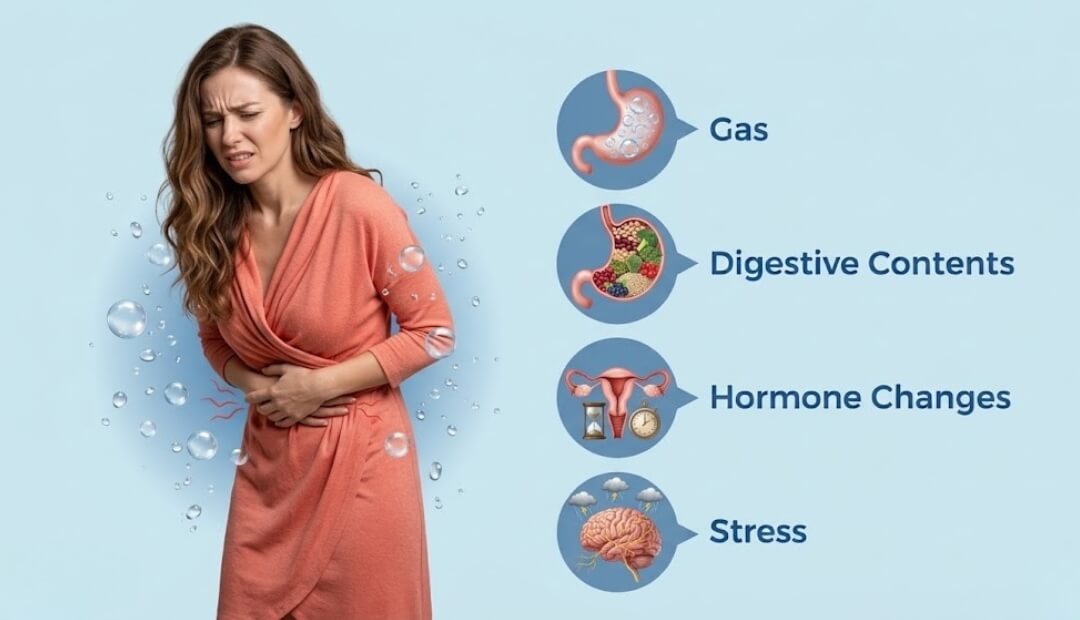










You may start the morning feeling perfectly comfortable, only to experience abdominal cramps, bloating, or an urgent need to use the bathroom later. On other days, constipation makes you feel full and uncomfortable, even after eating normally. When these symptoms repeatedly interrupt your routine, you may wonder whether irritable bowel syndrome could explain what is happening inside your digestive system.
Irritable bowel syndrome, commonly called IBS, affects how the digestive system functions and responds to everyday signals. It can cause recurring abdominal pain alongside changes in bowel movements, including constipation, diarrhea, or alternating between both. Although the symptoms can feel unpredictable, understanding how this condition works can help you recognize patterns and explore appropriate ways to manage them.
What Is Irritable Bowel Syndrome?
Irritable bowel syndrome is a chronic digestive condition involving recurring abdominal pain and changes in bowel habits. People with IBS may experience constipation, diarrhea, or periods when these problems alternate. Bloating, gas, and the feeling of incomplete bowel movements can also occur.
Your Symptoms May Be Connected
Discover another perspective on why abdominal pain, bloating, and changing bowel habits often occur together.
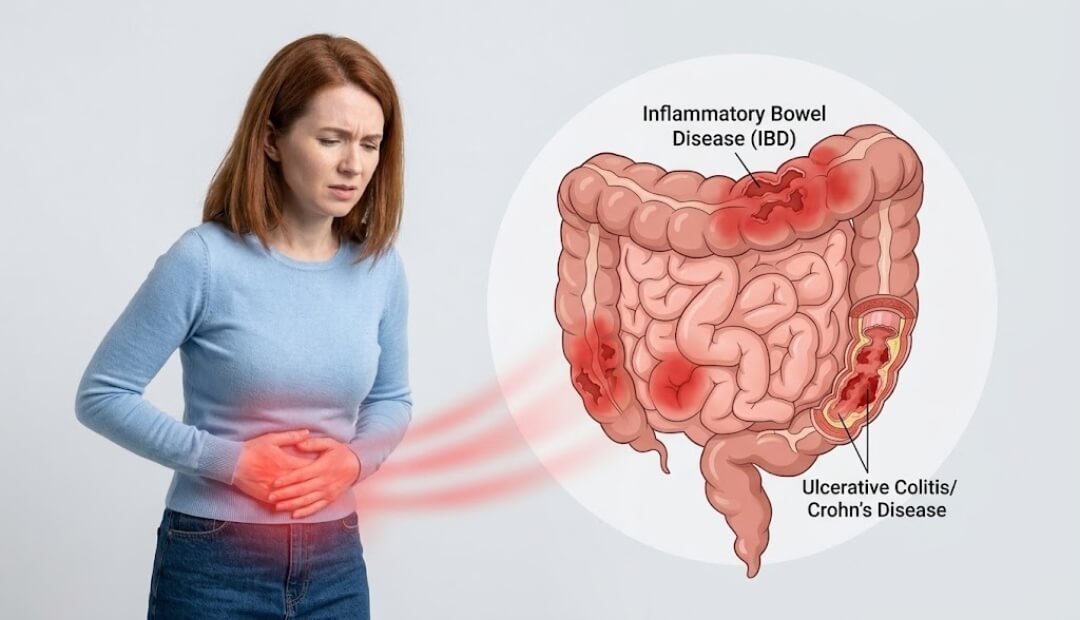
Unlike inflammatory bowel diseases, IBS does not cause visible damage to the digestive tract. It is considered a disorder of gut-brain interaction, meaning communication between the digestive system and brain does not work normally. This interaction can influence bowel movement patterns, sensitivity to digestive activity, and the way someone experiences abdominal discomfort.
The National Institute of Diabetes and Digestive and Kidney Diseases (NIDDK) describes IBS as a group of symptoms involving abdominal pain and changes in bowel movements. These symptoms can continue for years, although their intensity and frequency may change over time. Some people experience relatively comfortable periods between flare-ups, while others deal with symptoms more frequently.
IBS does not look exactly the same in everyone. One person may struggle mainly with constipation, while another experiences frequent loose stools and sudden urgency. Some people move between these patterns, making their digestive routine difficult to predict.
How Irritable Bowel Syndrome Affects Gut Function
Your digestive system constantly moves food, liquids, and waste through a coordinated series of muscular contractions. These movements help digest food, absorb nutrients, and eventually eliminate waste. In people with IBS, changes in gut movement and sensitivity can contribute to uncomfortable digestive symptoms.
Changes in Intestinal Movement
The muscles in your digestive tract contract and relax to move intestinal contents forward. When movement becomes unusually slow, stool may remain in the colon longer and become harder to pass. When movement becomes unusually fast, the digestive system may produce loose stools and sudden bowel urgency.
These differences help explain why IBS can involve constipation in some people and diarrhea in others. However, bowel movement speed is only one possible part of the condition. Different mechanisms may contribute to symptoms in different individuals.
Increased Gut Sensitivity
Another important feature involves sensitivity inside the digestive tract. Some people with IBS experience pain or pressure from normal amounts of gas or intestinal contents. Their digestive system may respond more strongly to sensations that other people barely notice.
This sensitivity can make ordinary digestive processes feel uncomfortable or even painful. Gas moving through the intestines may produce noticeable pressure, while normal intestinal contractions may trigger cramps. The discomfort is real, even when medical examinations do not reveal visible damage.
Communication Between the Brain and Gut
Your brain and digestive system communicate through nerves, hormones, and other signaling pathways. This relationship helps regulate digestion, intestinal movement, and responses to sensations inside the gut. Changes in this communication may contribute to IBS symptoms.
Stress, anxiety, and emotional strain can influence this interaction and sometimes worsen digestive discomfort. However, IBS is not simply a psychological problem, and symptoms are not imaginary. Biological processes within the digestive system also contribute to the condition.
Common Irritable Bowel Syndrome Symptoms
The most recognizable feature of irritable bowel syndrome is recurring abdominal pain associated with changes in bowel movements. Symptoms may appear after meals, improve after using the bathroom, or fluctuate without an obvious explanation. Their combination and severity differ from person to person.
Your Gut May Be Reacting Differently
Explore why constipation and diarrhea can alternate, making your digestive routine difficult to predict.
Abdominal Pain and Cramping
Abdominal pain can feel like squeezing, pressure, twisting, or uncomfortable cramps. Some people notice discomfort in the lower abdomen, while others experience pain in different areas. The pain may improve after a bowel movement, although this does not happen every time.
For some individuals, the discomfort appears unexpectedly during ordinary activities. A morning commute, work meeting, or family outing can become stressful when abdominal cramps suddenly begin. This unpredictability often becomes one of the most frustrating aspects of living with digestive symptoms.
Bloating and Excessive Gas
Bloating can make your abdomen feel unusually full, tight, or swollen. Some people notice visible abdominal distension, particularly as the day progresses. Gas may also cause rumbling sounds, frequent passing of wind, and uncomfortable pressure.
Bloating does not necessarily mean that your body produces excessive gas. Changes in intestinal sensitivity, movement, and the handling of digestive contents may contribute to the sensation. Certain foods can also increase symptoms in people who have particular digestive sensitivities.
Constipation and Difficult Bowel Movements
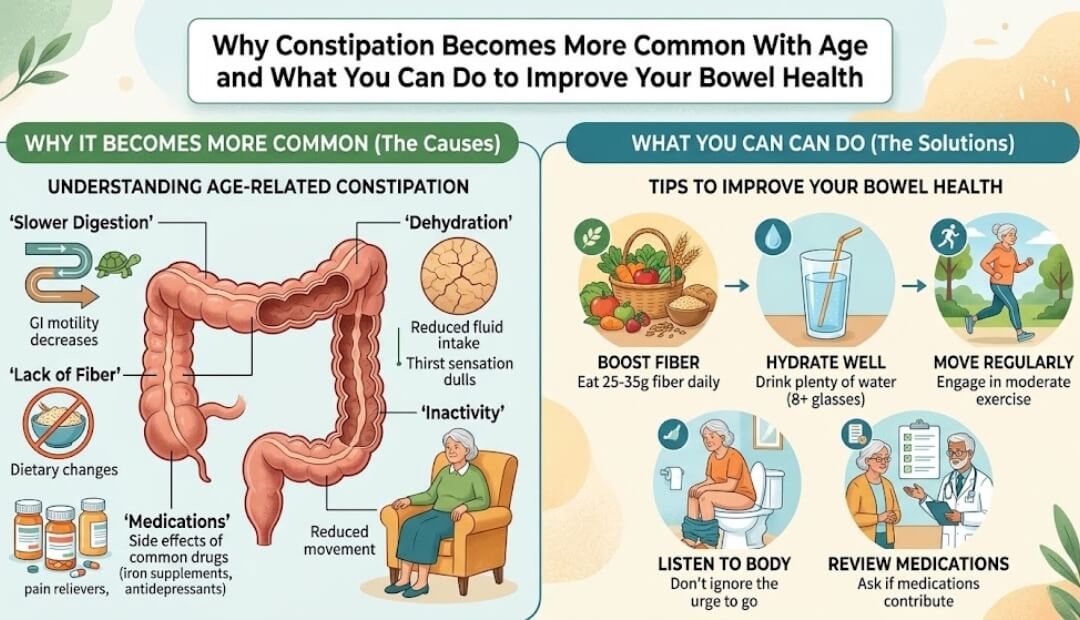
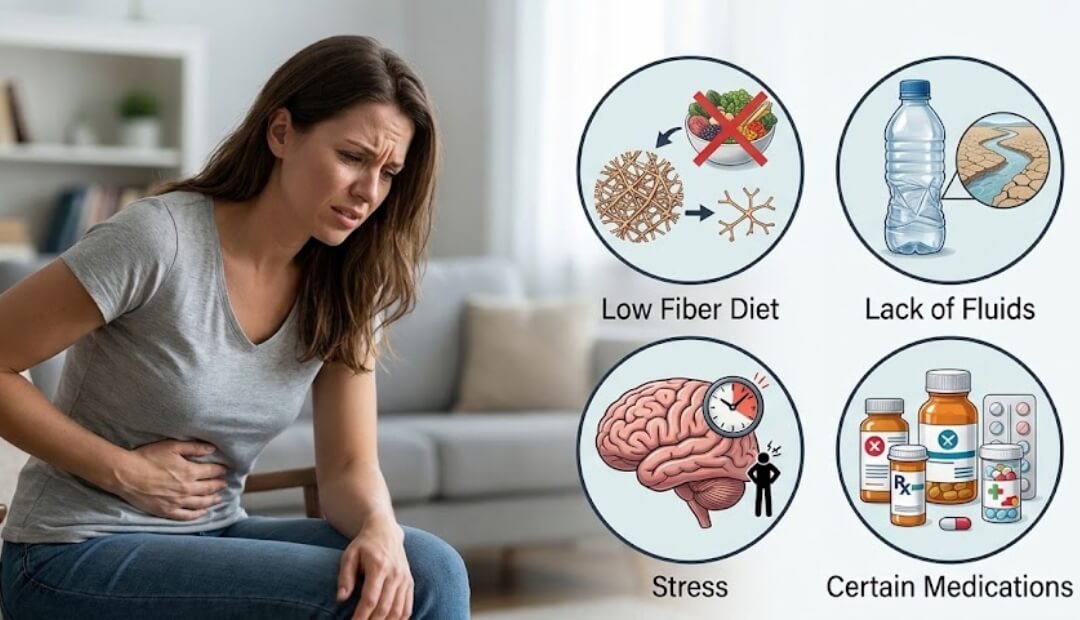
IBS with constipation can make bowel movements less frequent or harder to pass. You may strain, pass small or hard stools, or feel that your bowel movement remains incomplete. These symptoms can leave you feeling uncomfortable even after spending time in the bathroom.
Some people also experience abdominal pressure that improves temporarily after passing stool. However, persistent constipation can have several possible causes besides IBS. A healthcare professional can help determine whether the overall symptom pattern fits this condition.
Diarrhea and Sudden Urgency
IBS with diarrhea may cause loose or watery stools and an urgent need to use the bathroom. Some people experience repeated bowel movements shortly after waking or eating. The possibility of sudden urgency can make leaving home feel stressful.
In some cases, people experience constipation during certain periods and diarrhea during others. This pattern is sometimes called mixed-type IBS. The changing bowel habits can make it difficult to establish a predictable daily routine.
The Main Types of Irritable Bowel Syndrome
Healthcare professionals often classify IBS according to the person’s predominant bowel movement pattern. This classification helps guide treatment because constipation and diarrhea may require different approaches. The categories do not mean that every person experiences identical symptoms every day.
- IBS with constipation (IBS-C): Hard or lumpy stools occur more frequently than loose stools.
- IBS with diarrhea (IBS-D): Loose or watery stools occur more frequently than hard stools.
- Mixed IBS (IBS-M): Hard stools and loose stools both occur regularly.
- Unclassified IBS: Symptoms do not fit neatly into the other categories.
These categories help describe bowel habits, but they do not establish a diagnosis by themselves. A doctor considers the complete symptom history and may investigate other possible explanations. The pattern can also change over time.
What May Trigger Irritable Bowel Syndrome Flare-Ups?
IBS symptoms can become worse after certain meals, during stressful periods, or following changes in daily habits. A trigger for one person may cause no problems for someone else. Identifying personal patterns is therefore more useful than assuming every common trigger affects everyone.
Your Gut Sensitivity Matters
Learn how intestinal sensitivity and digestive activity may contribute to recurring bloating, pressure, and abdominal discomfort.
Food Choices and Digestive Sensitivity
Some people notice symptoms after eating fatty meals, spicy foods, or certain dairy products. Others experience discomfort after consuming onions, garlic, beans, or particular fruits. These foods may contain carbohydrates that some digestive systems absorb or process less comfortably.
Fermentable carbohydrates, commonly called FODMAPs, can contribute to gas and bloating in sensitive individuals. They occur naturally in many everyday foods, including some fruits, vegetables, grains, and dairy products. Their effects vary, so removing entire food groups without guidance may create unnecessary dietary restrictions.
The NIDDK guidance on IBS nutrition explains that dietary changes can help some people manage symptoms. Depending on the individual, a healthcare professional may recommend adjusting fiber intake or considering a low-FODMAP eating plan. Such changes should reflect personal symptoms and nutritional needs rather than following a restrictive diet without supervision.
Stress and Emotional Strain
Stress does not cause every case of IBS, but it can influence symptoms. The brain-gut connection helps explain why emotional pressure may affect intestinal movement and sensitivity. Some people notice more cramps, urgency, or bloating during demanding periods.
This relationship can create a frustrating cycle. Digestive symptoms cause worry about being away from a bathroom, while that worry may increase discomfort for some individuals. Learning to manage stress may help reduce this cycle, although it does not replace appropriate medical care.
Infections and Other Possible Factors
Some people develop IBS symptoms after a gastrointestinal infection involving diarrhea, vomiting, or intestinal inflammation. This pattern is sometimes called post-infectious IBS. Researchers continue to investigate how infections and changes in gut bacteria may contribute to symptoms.
Other factors may include family history, food sensitivities, and differences in intestinal function. No single explanation accounts for every case. A combination of biological and environmental influences may contribute to the condition.
Why IBS Can Affect Daily Life Beyond Digestion
The physical symptoms are only part of the experience. Repeated abdominal discomfort can affect concentration, sleep, work performance, and the willingness to participate in social activities. Even when symptoms are not severe, their unpredictability can make everyday planning difficult.
Someone with sudden diarrhea may worry about finding a bathroom while traveling. Another person with constipation and bloating may avoid social meals because eating often leads to discomfort. These concerns can gradually reduce confidence and make ordinary activities feel more complicated.
Some people begin avoiding foods, restaurants, or outings because they fear another flare-up. However, unnecessary restrictions can make eating stressful and may reduce dietary variety. A balanced management plan should aim to improve comfort without allowing digestive symptoms to control every decision.
How Doctors Diagnose Irritable Bowel Syndrome
There is no single blood test or scan that confirms every case of IBS. Doctors usually begin by discussing abdominal pain, bowel habits, symptom duration, and medical history. They may also ask about family history, medications, diet, and other health conditions.
They look for a recognizable pattern rather than relying on one isolated symptom. Under commonly used diagnostic criteria, IBS involves recurrent abdominal pain associated with changes in bowel movements or their frequency and appearance. The symptoms must follow a defined pattern over time.
Your doctor may recommend blood tests or stool tests when necessary. These investigations can help assess conditions that sometimes resemble IBS, including celiac disease or inflammatory bowel disease. The appropriate tests depend on your symptoms, medical history, age, and examination findings.
The American College of Gastroenterology clinical guideline supports a symptom-based diagnostic approach when the clinical picture fits and warning signs are absent. This approach can help patients receive appropriate care without automatically undergoing extensive testing. However, the doctor must still consider other possible conditions before making a diagnosis.
What May Help Manage IBS Symptoms?
There is no universal treatment that works for everyone with IBS. Management usually focuses on the symptoms that cause the greatest difficulty and the factors that appear to trigger them. Many people need to try different approaches with professional guidance before finding a useful combination.
There May Be More to Understand
Explore an overlooked perspective on gut function and discover what may influence recurring digestive symptoms.
Make Dietary Changes Gradually
A food and symptom diary can help identify patterns between meals and digestive discomfort. Record what you eat, when symptoms appear, and whether constipation, diarrhea, or bloating follows. This information can help a doctor or dietitian recommend practical adjustments.
Some people benefit from smaller, regular meals and eating more slowly. Others may need to adjust caffeine, fatty foods, or particular carbohydrates that repeatedly trigger symptoms. Avoid eliminating numerous foods at once because doing so makes it harder to identify the actual problem.
Fiber also deserves careful attention. Soluble fiber, found in foods such as oats, may help some people with constipation-predominant IBS. Increase fiber gradually because sudden increases can worsen gas and bloating.
Consider a Guided Low-FODMAP Approach
A low-FODMAP diet may help some people with IBS, particularly those experiencing recurring bloating and abdominal discomfort. It temporarily reduces certain fermentable carbohydrates that can trigger symptoms in sensitive individuals. The approach should not become a permanent list of forbidden foods.
After the initial restriction period, foods are gradually reintroduced to identify individual tolerances. Working with a qualified dietitian can help protect nutritional balance and prevent unnecessary restrictions. This is especially important when someone already avoids many foods.
Build Consistent Daily Habits
Regular physical activity may support digestive function and overall well-being. Walking, cycling, or another activity you enjoy can help establish a more consistent routine. You do not need an intense exercise program to begin making useful lifestyle changes.
Try to maintain regular meal times and avoid skipping meals unnecessarily. Adequate fluid intake can also support normal bowel function, particularly when constipation is present. Sleep routines and relaxation practices may help people whose symptoms worsen during stressful periods.
Discuss Medication Options With Your Doctor
Doctors may recommend different medications depending on whether constipation, diarrhea, or abdominal pain causes the greatest difficulty. Some treatments target bowel movement patterns, while others help reduce intestinal spasms or discomfort. The best choice depends on your symptoms and medical circumstances.
Some people may benefit from psychological therapies, including cognitive behavioral therapy or gut-directed approaches. These treatments address how the brain and digestive system interact and may help reduce symptom severity. They do not suggest that the symptoms are imaginary or that the problem exists only in the mind.
The NIDDK treatment overview describes dietary changes, lifestyle adjustments, medications, probiotics, and mental health therapies as possible management options. Not every option suits every patient, and some treatments have limited or mixed evidence. A healthcare professional can help choose an approach based on your particular symptoms.
When Should You See a Doctor?
Recurring abdominal pain and bowel changes deserve medical attention, especially when they continue for several weeks. Do not assume that persistent symptoms automatically mean you have IBS. A proper assessment can identify the cause and help you avoid inappropriate self-treatment.
Seek medical advice if symptoms repeatedly interfere with eating, sleeping, working, or normal activities. You should also discuss symptoms that change noticeably or fail to improve with reasonable lifestyle adjustments. A doctor can determine whether testing or specialist evaluation is appropriate.
Certain warning signs need prompt medical assessment because they may indicate a condition other than IBS. These include blood in the stool, unexplained weight loss, persistent fever, anemia, or a new abdominal lump. Severe or sudden abdominal pain, repeated vomiting, or an inability to pass stool or gas may require urgent medical attention.
A family history of colorectal cancer, inflammatory bowel disease, or celiac disease is also important to mention. New bowel symptoms later in life may deserve closer evaluation, depending on your age and medical history. Never dismiss warning signs as ordinary IBS symptoms without discussing them with a healthcare professional.
Understanding Your Gut Is the First Step Toward Better Management
Irritable bowel syndrome can make digestion feel unpredictable, particularly when abdominal pain, bloating, constipation, and diarrhea appear at different times. These symptoms can affect far more than bathroom habits because they influence confidence, social plans, and everyday comfort. Understanding the connection between gut movement, intestinal sensitivity, and brain-gut communication can make the condition less confusing.
Although IBS can be a long-term condition, many people find ways to manage their symptoms and improve their quality of life. The most useful approach usually combines an accurate diagnosis, practical dietary adjustments, suitable lifestyle habits, and treatment when needed. Rather than following every online recommendation, focus on identifying your own symptom patterns with help from a qualified healthcare professional.
What If Your IBS Symptoms Have Another Clue?
Discover why abdominal pain, bloating, and unpredictable bowel movements may be connected in ways you haven’t considered.
Watch now to explore an overlooked perspective on digestive function and learn what may be influencing your gut’s natural rhythm.