


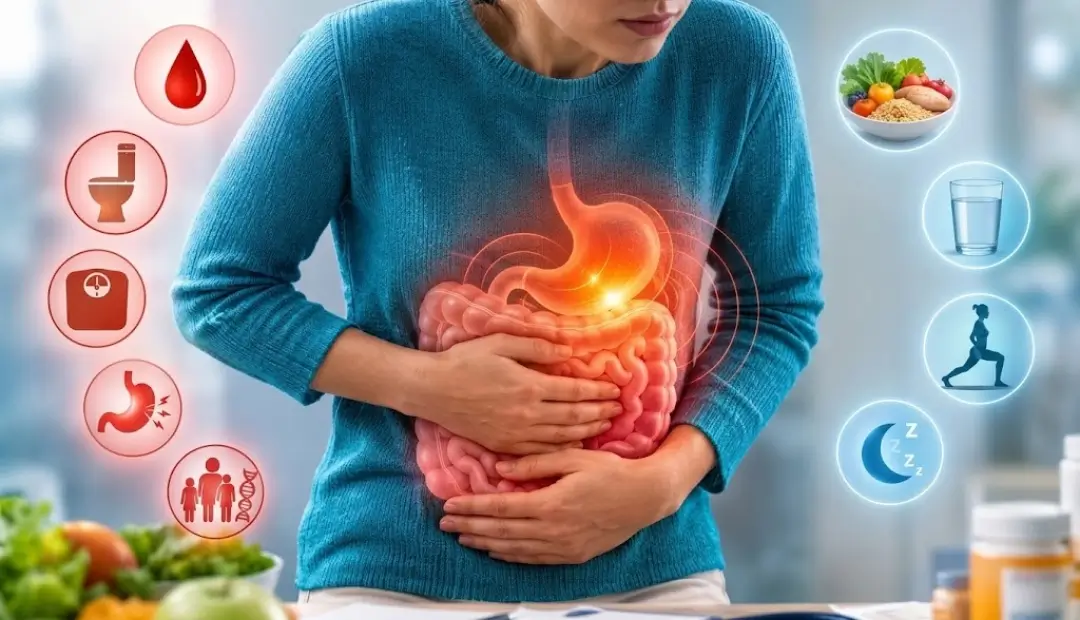
You finish a meal, loosen your waistband, and notice your abdomen feels unusually full. Later, you may struggle to pass stool or experience uncomfortable pressure that follows you throughout the day. When bloating and constipation happen together, the problem may involve more than the foods you recently ate.
This combination can affect everyday life in surprisingly personal ways. You might avoid eating before leaving home, feel uncomfortable in your favorite clothes, or worry about how your stomach looks. Even simple activities can become frustrating when abdominal pressure and unpredictable bowel movements keep returning.
Several digestive issues can contribute to these symptoms, including slow bowel movements, food intolerances, and conditions such as irritable bowel syndrome. Understanding how these problems overlap can help you recognize possible triggers. More importantly, it can help you choose practical next steps without unnecessarily restricting your diet.
Why Bloating and Constipation Often Occur Together
Bloating describes an uncomfortable feeling of fullness, pressure, or swelling in the abdomen. Constipation involves difficult or infrequent bowel movements, often accompanied by hard stools or incomplete evacuation. When both occur, digestive discomfort can become more noticeable after meals and throughout the day.
Your Digestive Problems May Be Connected
Discover another perspective on why constipation and abdominal pressure often appear together, even when you eat carefully.
One reason is that constipation can interfere with the normal movement of stool through the colon. When stool remains longer than usual, some people experience increased abdominal pressure, discomfort, and difficulty passing gas. This can make existing bloating feel worse.
However, constipation is not the only possible explanation. Food intolerances, changes in intestinal movement, and increased sensitivity within the digestive system can also contribute. The National Institute of Diabetes and Digestive and Kidney Diseases explains that gas symptoms can result from swallowed air and bacterial breakdown of undigested carbohydrates.
How Constipation Can Make Your Stomach Feel Bloated
Constipation does not always mean you stop having bowel movements completely. You may still go regularly but pass small, hard stools or feel that your bowel has not emptied fully. These symptoms can leave you feeling uncomfortable even after using the bathroom.
1. Stool Moves Too Slowly Through the Colon
Your colon absorbs water from waste as it moves toward the rectum. When movement slows, stool can become harder and more difficult to pass. This may contribute to abdominal discomfort, pressure, and a persistent feeling of fullness.
You might notice that your abdomen feels increasingly uncomfortable as the day progresses. Meals can add to that sensation, particularly when constipation already makes bowel movements difficult. The resulting pressure may affect your appetite and make ordinary portions feel unusually filling.
2. Incomplete Bowel Movements Can Maintain Discomfort
Some people experience a persistent feeling that they have not completely emptied their bowels. They may spend extra time in the bathroom, strain repeatedly, or return shortly afterward. This sensation can occur even when they pass some stool each time.
Incomplete evacuation can have several explanations, including constipation and problems coordinating the pelvic floor muscles. These muscles help control bowel movements and need to relax appropriately during evacuation. When they do not coordinate properly, passing stool can become difficult.
The NIDDK guide to constipation identifies hard stools, straining, and incomplete evacuation among its common symptoms. It also describes possible causes, including slow colon movement, certain medications, and pelvic floor disorders.
3. Constipation Can Change Your Daily Eating Habits
When your stomach already feels full, you may start eating smaller meals or skipping certain foods. You might also avoid eating before appointments because you fear additional discomfort. Over time, these adjustments can make it harder to maintain a balanced and comfortable eating routine.
Some people respond by suddenly increasing fiber intake. Although fiber supports bowel regularity, adding large amounts too quickly can increase gas and bloating. A gradual approach usually makes dietary changes easier to tolerate.
Can Food Intolerances Cause Bloating and Constipation?
Food intolerances can contribute to digestive symptoms when your body struggles to digest or absorb particular food components. Depending on the intolerance, symptoms may include gas, abdominal pain, bloating, and changes in bowel movements. The timing and severity can differ considerably between individuals.
1. Lactose Intolerance and Digestive Discomfort
Lactose is a natural sugar found in milk and many dairy products. Your small intestine produces an enzyme called lactase, which helps break lactose down for digestion. When lactase levels are insufficient, some lactose reaches the colon without proper digestion.
The Problem May Go Beyond Your Diet
Explore how food intolerances and overlooked digestive factors may contribute to recurring gas, pressure, and bloating.
Bacteria then break down the remaining lactose, potentially producing gas and other digestive symptoms. You may experience abdominal swelling, rumbling, cramps, or diarrhea after consuming milk or dairy products. Some people also experience constipation, although diarrhea and gas are common symptoms.
According to the NIDDK information on lactose intolerance, symptoms can vary according to the amount of lactose consumed and individual tolerance. Many people can tolerate some lactose, so complete dairy elimination is not always necessary.
2. Fructose and Other Fermentable Carbohydrates
Some fruits, vegetables, legumes, and sweeteners contain carbohydrates that certain people absorb poorly. These include fructose and several other fermentable carbohydrates. When these substances reach the large intestine, bacteria can ferment them and produce gas.
This process may cause abdominal pressure, bloating, and changes in bowel habits. Symptoms can become more noticeable after large portions or meals containing several fermentable ingredients. However, these foods remain nutritious, and most people do not need to avoid them.
Individual tolerance matters more than following a universal list of forbidden foods. You may tolerate a small serving of fruit but experience discomfort after eating several pieces. Identifying your own pattern is more useful than eliminating entire food groups without guidance.
3. Could Wheat or Gluten Be Involved?
Some people experience digestive symptoms after eating bread, pasta, or other wheat-based foods. However, gluten is not responsible for every reaction to wheat. Other components, including fermentable carbohydrates, may contribute to symptoms in some individuals.
Celiac disease is different because gluten triggers an immune response that damages the small intestine. Symptoms can include bloating, diarrhea, constipation, abdominal discomfort, and nutritional deficiencies. Some people experience subtle symptoms rather than obvious digestive problems.
If you suspect celiac disease, speak with a healthcare professional before removing gluten from your diet. Starting a gluten-free diet before testing can interfere with diagnostic accuracy. Proper evaluation helps distinguish celiac disease from other food-related problems.
Digestive Conditions That May Cause Bloating and Constipation
Sometimes, recurring bloating does not come from a single food or occasional constipation. An underlying digestive condition may influence how your intestines move, process food, or respond to normal amounts of gas. Recognizing these possibilities can help explain symptoms that persist despite dietary changes.
1. Irritable Bowel Syndrome With Constipation
Irritable bowel syndrome, commonly called IBS, is a disorder involving repeated abdominal pain and changes in bowel habits. Some people experience constipation, while others experience diarrhea or alternate between both. Bloating and abdominal swelling can accompany these symptoms.
People with IBS may have increased sensitivity to normal digestive activity. This means ordinary intestinal contractions or amounts of gas can feel unusually uncomfortable. Food choices, stress, and changes in routine may also influence symptom patterns.
The NIDDK overview of IBS explains that the condition involves recurring abdominal pain and changes in bowel movements. Doctors assess symptom patterns and may perform tests to rule out other conditions.
2. Functional Constipation
Functional constipation describes persistent difficulty passing stool without an identified structural explanation. It can involve infrequent bowel movements, hard stools, straining, and incomplete evacuation. Abdominal bloating may accompany these symptoms.
There May Be More Than One Cause
Learn why digestive movement, trapped gas, and intestinal sensitivity may contribute to increasing abdominal discomfort.
People sometimes assume that regular bowel movements automatically rule out constipation. However, stool consistency, straining, and the feeling of complete evacuation also matter. A healthcare professional can assess these symptoms and recommend appropriate treatment.
3. Pelvic Floor Dysfunction
Your pelvic floor muscles help coordinate bowel movements. Normally, these muscles relax while the rectum and abdominal muscles help move stool outward. If the muscles fail to coordinate properly, evacuation may become difficult.
You might experience prolonged straining, repeated bathroom visits, or a sensation of blockage. Some people also report abdominal pressure and bloating. Treatment may involve specialized pelvic floor therapy or biofeedback after appropriate assessment.
The American Gastroenterological Association’s clinical guidance discusses further testing when bloating appears related to constipation or difficult evacuation. It also describes biofeedback as a possible treatment when clinicians identify a pelvic floor disorder.
4. Other Conditions That Can Affect Digestion
Several medical conditions can influence bowel movements and abdominal comfort. Hypothyroidism, diabetes, celiac disease, and certain neurological conditions may contribute to constipation. Some medications and supplements can also slow bowel movements or change digestive symptoms.
Small intestinal bacterial overgrowth, known as SIBO, may cause bloating, gas, and other digestive complaints in some people. However, these symptoms overlap with many other conditions. A healthcare professional should determine whether testing is appropriate rather than relying on symptoms alone.
Why Bloating May Become Worse During the Day
Many people wake up with a relatively comfortable abdomen but notice increasing swelling as the day continues. Several meals, normal digestive activity, and accumulated gas can contribute to this pattern. Constipation may make the discomfort more noticeable when bowel movements remain incomplete.
There is another important detail: visible abdominal distension does not always mean your intestines contain excessive gas. Digestive sensitivity and changes in the coordination of abdominal and diaphragm muscles can also affect how your abdomen feels or looks. This helps explain why some people experience significant bloating without unusually large amounts of gas.
The American Gastroenterological Association recognizes several mechanisms behind bloating and abdominal distension. Its guidance discusses dietary factors, constipation, gut sensitivity, and behavioral approaches. This is why identifying the underlying pattern matters more than assuming every case has the same cause.
Practical Ways to Reduce Bloating and Constipation
Relief depends on what causes your symptoms. However, several everyday habits may support more comfortable digestion and regular bowel movements. Introduce changes gradually and observe how your body responds.
1. Increase Fiber Slowly
Fiber helps support bowel movements, but sudden increases can cause additional gas and bloating. Add fiber-rich foods gradually rather than changing your entire diet overnight. Suitable sources include oats, vegetables, fruits, beans, and whole grains.
If certain high-fiber foods repeatedly trigger discomfort, adjust their portions instead of removing all fiber. A healthcare professional or dietitian can help you find an appropriate balance. People with particular digestive conditions may need individualized dietary advice.
2. Drink Enough Fluids
Fluids help fiber work effectively and support normal stool consistency. When you do not drink enough, constipation may become harder to manage. Your individual fluid needs depend on your health, activity level, climate, and medical circumstances.
Try drinking regularly throughout the day rather than waiting until you feel very thirsty. If a healthcare professional has advised you to restrict fluids, follow that recommendation. Hydration should support your overall treatment plan.
Perhaps You’re Missing Another Clue
Discover an overlooked perspective on digestive health and what may be contributing to persistent bloating and constipation.
3. Establish a Regular Bathroom Routine
Ignoring the urge to have a bowel movement can make constipation more difficult to manage. Try allowing enough time for an unhurried bathroom visit, especially after breakfast. Eating can stimulate colon activity, which may make this timing helpful for some people.
A small footstool may also help position your knees slightly above your hips while sitting on the toilet. Avoid prolonged straining or repeatedly forcing a bowel movement. If evacuation remains difficult, ask a clinician whether pelvic floor problems need evaluation.
4. Move Your Body Regularly
Regular physical activity can support normal bowel function. Walking, gentle cycling, and other suitable activities may help reduce sedentary time. Even a short walk after meals can become a useful daily habit.
You do not need an intense exercise routine to get started. Choose activities that match your fitness level and physical abilities. Consistency matters more than pushing yourself beyond your limits.
5. Track Food, Symptoms, and Bowel Movements
A food and symptom diary can reveal patterns that are difficult to remember. Record what you eat, approximate portions, when bloating begins, and how your bowel movements change. Include stress, activity, and medication changes when relevant.
Look for repeated patterns rather than blaming one meal immediately. Symptoms may appear hours after eating, and several factors can contribute simultaneously. Share your notes with a healthcare professional if discomfort continues.
6. Avoid Unnecessary Food Restrictions
Removing dairy, wheat, legumes, and several vegetables at once can make it difficult to identify the actual trigger. It may also reduce important nutrients in your diet. A structured approach is safer and often more informative.
Some people with IBS benefit from a low-FODMAP diet under professional guidance. This approach generally involves a limited elimination phase followed by systematic food reintroduction. It is not intended as a permanent, highly restrictive diet for everyone.
When Should You See a Doctor About Bloating and Constipation?
Occasional bloating after a large meal is common. However, recurring symptoms that interfere with daily life deserve medical attention. This is especially important when constipation persists despite reasonable self-care measures.
Arrange an assessment if you notice ongoing changes in bowel habits, frequent abdominal discomfort, or unexplained weight loss. Blood in your stool, rectal bleeding, or a persistent abdominal lump also requires medical evaluation. Your clinician can review medications, dietary habits, medical history, and possible underlying conditions.
Seek urgent medical care if constipation occurs with severe or constant abdominal pain, vomiting, fever, or an inability to pass gas. These symptoms can indicate a problem that needs prompt attention. Do not assume that severe or rapidly worsening symptoms are ordinary bloating.
Understanding the Connection Can Help You Find Relief
Bloating and constipation often overlap, but they do not always share one simple cause. Slow bowel movements, food intolerances, IBS, and pelvic floor problems can each contribute. Sometimes, more than one factor affects your digestive comfort at the same time.
That is why repeatedly eliminating foods may not solve the problem. You may need to address constipation, identify a specific intolerance, or investigate an underlying digestive condition. The right approach depends on your symptoms and a proper assessment.
You deserve to enjoy meals without constantly worrying about abdominal pressure or unpredictable bowel movements. Start by observing your symptoms, making gradual changes, and seeking medical advice when needed. Understanding what happens inside your digestive system is an important first step toward feeling more comfortable throughout the day.
What If Constipation Isn’t the Whole Story?
Discover how food intolerances and overlooked digestive factors may contribute to persistent bloating and abdominal pressure.
Watch now to explore a different perspective on digestive health and learn what may be keeping your stomach swollen and uncomfortable.