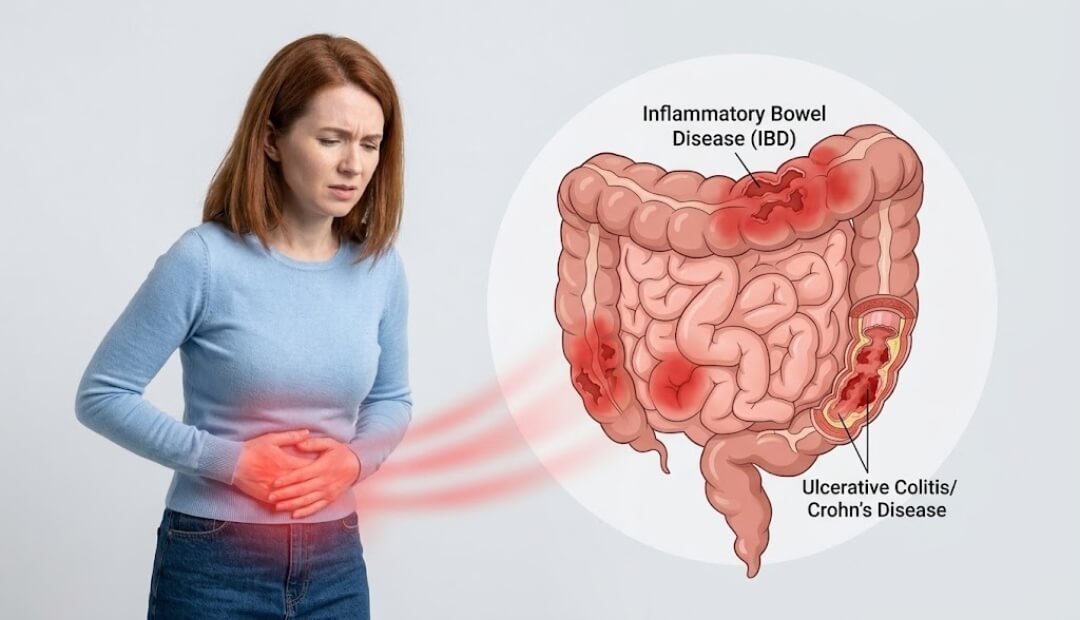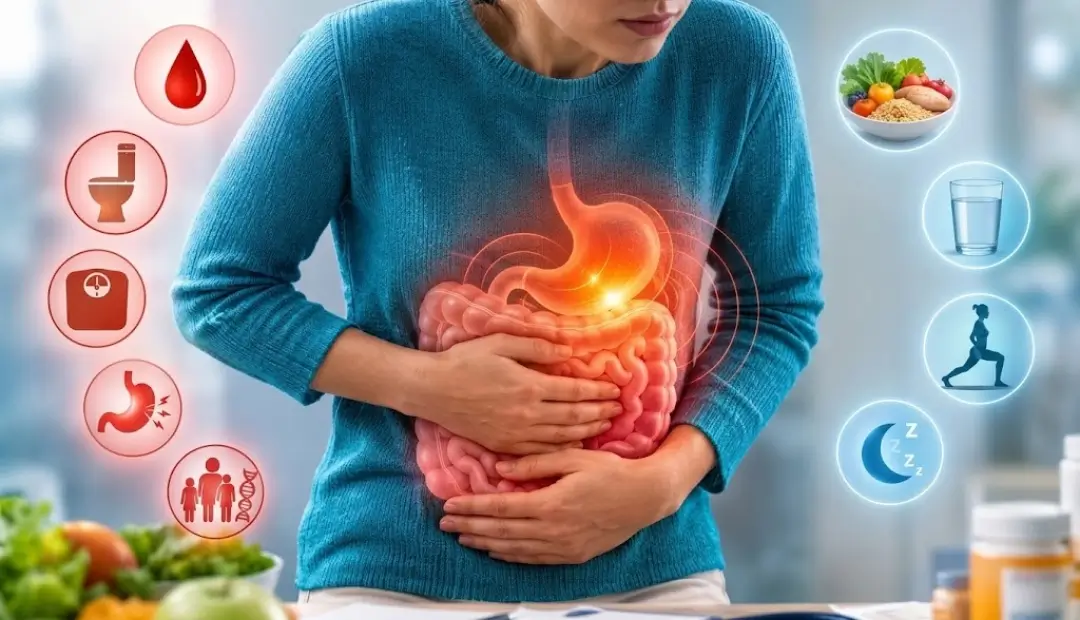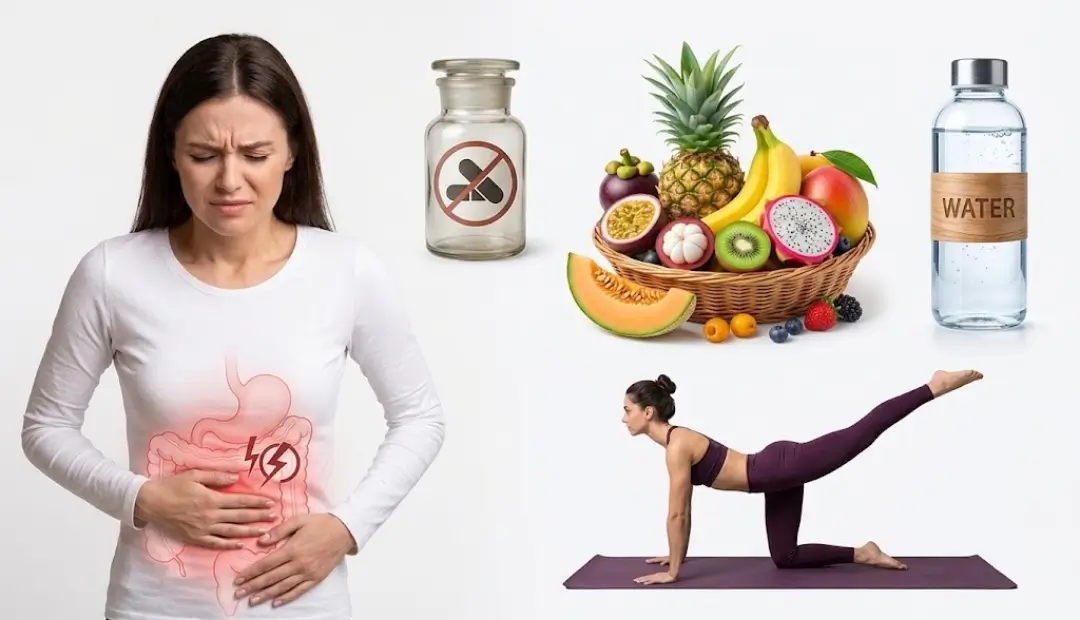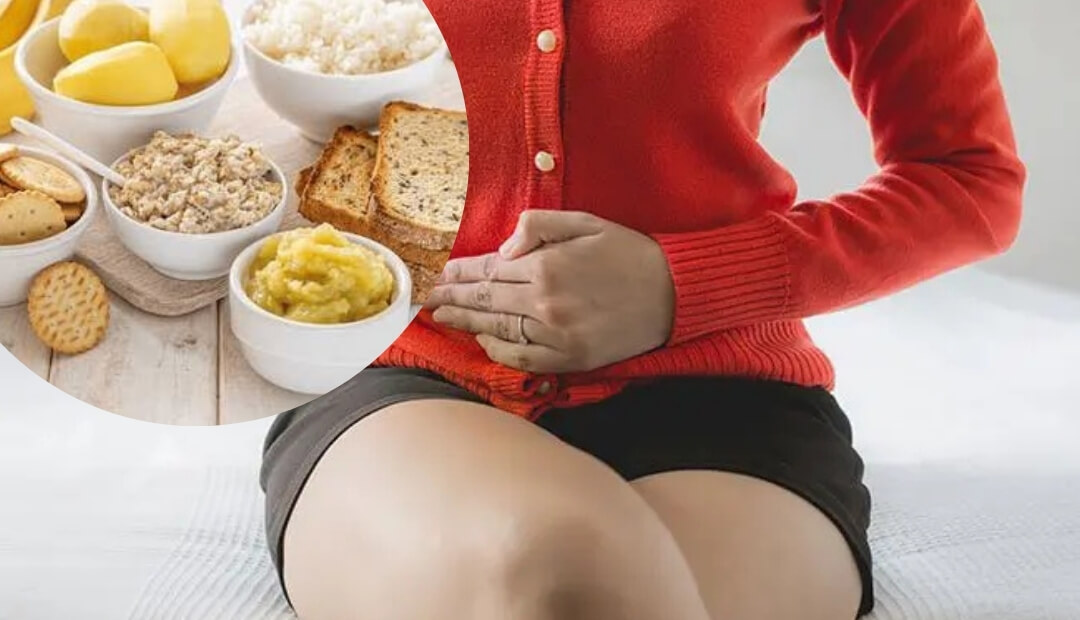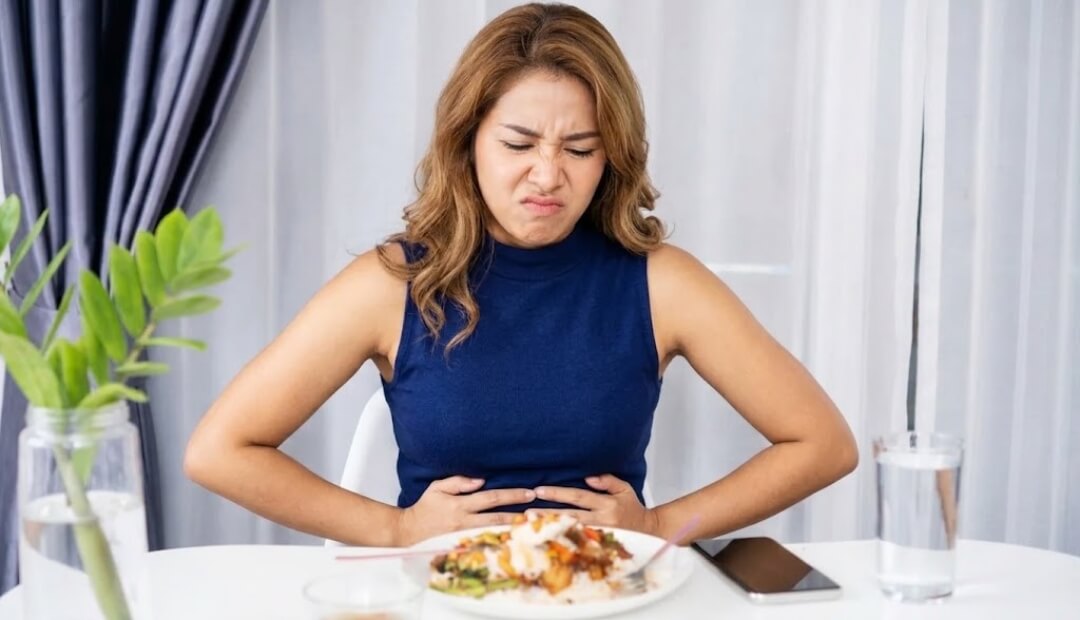






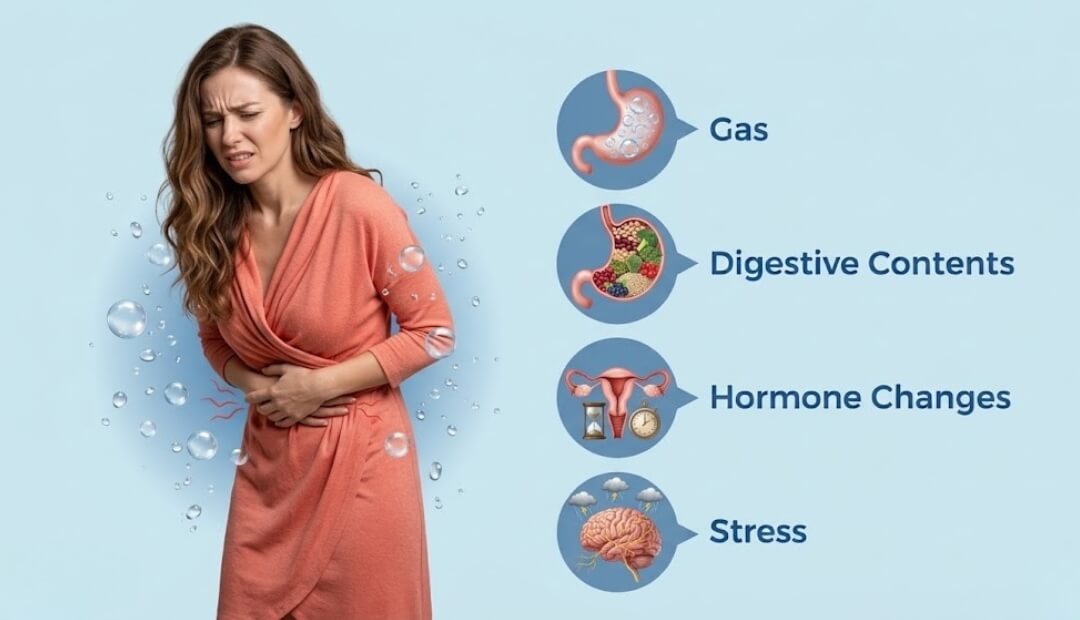
A bloated stomach after eating can turn an otherwise enjoyable meal into an uncomfortable experience. You finish lunch feeling satisfied, but soon your abdomen feels tight, swollen, or unusually full. Even your clothes may feel uncomfortable, leaving you wondering why your digestion seems to react to almost everything you eat.
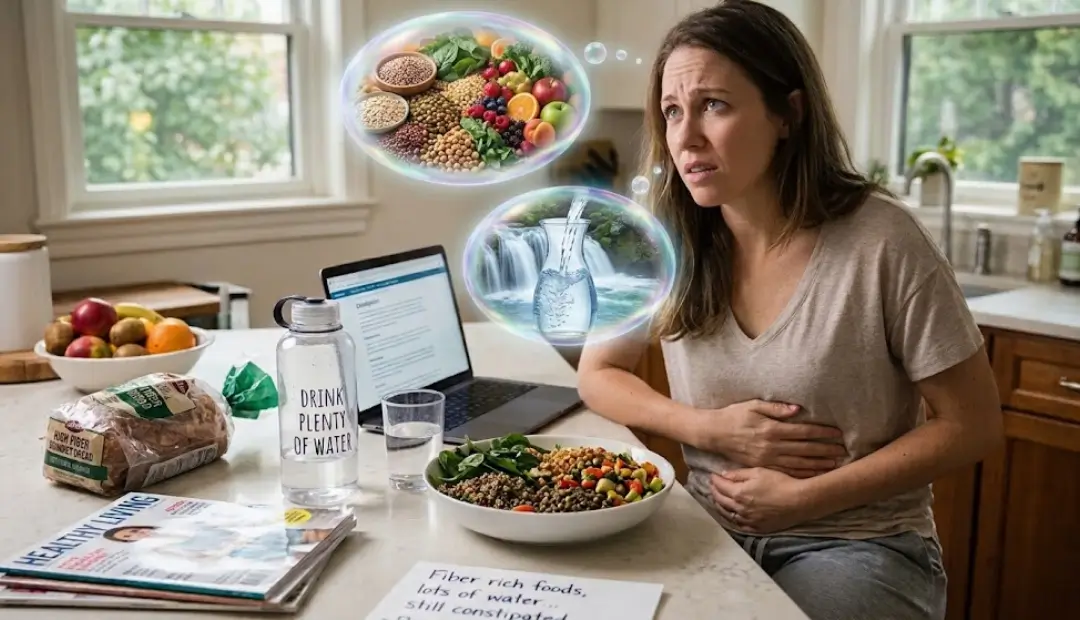
This problem becomes particularly frustrating when you already make an effort to eat healthy foods. You may choose fresh vegetables, whole grains, fruits, and balanced meals, yet still experience pressure after eating. Understanding the possible causes of bloating can help you recognize patterns and make changes without unnecessarily restricting your diet.
Occasional bloating is common and usually temporary. However, frequent symptoms may involve food intolerances, constipation, digestive conditions, or changes in how your gastrointestinal system processes food. The important first step is identifying what happens before, during, and after your symptoms appear.
What Does a Bloated Stomach After Eating Actually Feel Like?
Bloating describes an uncomfortable feeling of fullness, pressure, or trapped gas inside your abdomen. Sometimes your stomach also becomes visibly larger, although this does not happen to everyone. Medical professionals distinguish between bloating, which describes the sensation, and abdominal distension, which refers to visible enlargement.
Your Food Choices May Not Explain Everything
Discover why your stomach may swell after healthy meals and what other digestive factors could be involved.
For some people, discomfort begins shortly after finishing a meal. Others feel relatively comfortable at lunchtime but notice increasing abdominal pressure throughout the afternoon. The symptoms may become more noticeable after dinner, particularly when several meals have contributed to digestive discomfort.
A bloated stomach after eating can involve several sensations that overlap. You might experience frequent burping, excessive gas, abdominal rumbling, or mild cramping. Some people also experience early fullness, making it difficult to finish an ordinary portion.
These symptoms can affect everyday decisions in surprisingly personal ways. You might avoid fitted clothing, decline invitations involving meals, or feel uncomfortable sitting through a long meeting. Although bloating is often harmless, recurring discomfort deserves attention rather than becoming something you simply accept.
Why Does Your Stomach Become Bloated After Eating?
There is no single explanation for every case of post-meal bloating. Several digestive processes can produce similar symptoms, making it difficult to identify the cause through appearance alone. Understanding the most common possibilities can help you investigate your own eating patterns.
1. Certain Foods Produce More Intestinal Gas
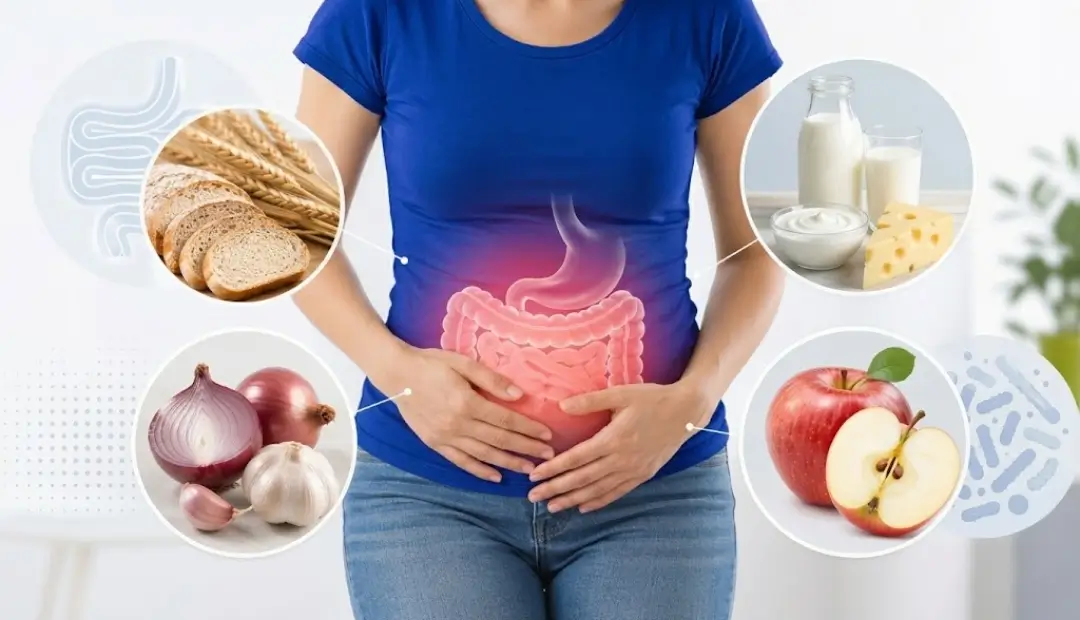
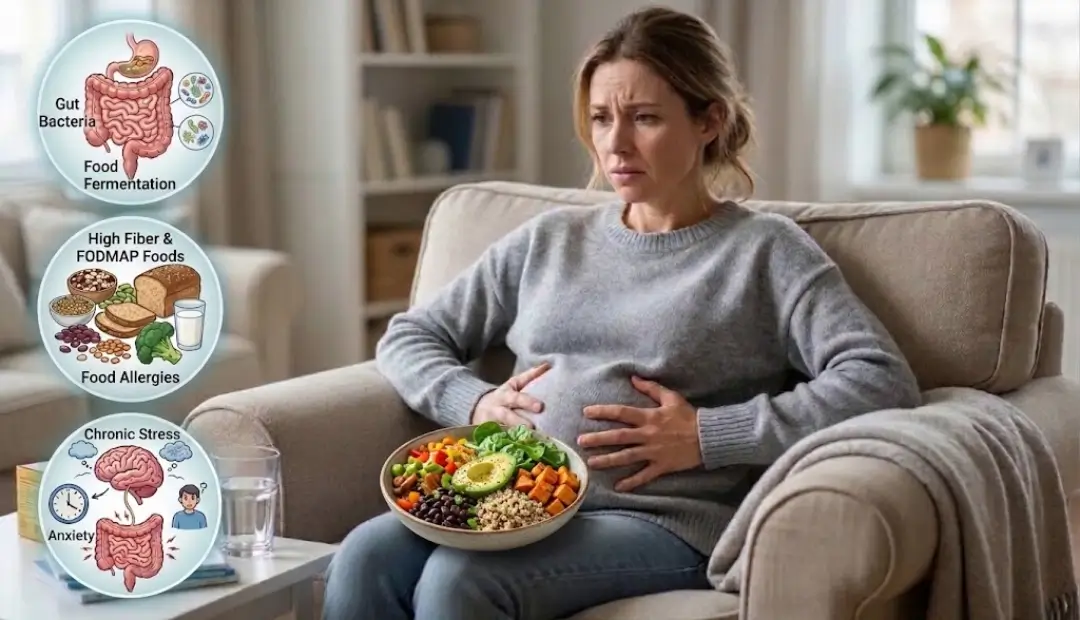
Some carbohydrates are difficult for the small intestine to digest completely. When they reach the large intestine, bacteria break them down through fermentation. This natural process produces gases that can increase abdominal pressure and discomfort.
Beans, lentils, onions, cabbage, and certain fruits contain carbohydrates that may contribute to gas production. Some people also experience symptoms after consuming foods containing lactose, fructose, or sugar alcohols. These reactions vary considerably, so a food that causes discomfort for one person may be perfectly manageable for another.
The National Institute of Diabetes and Digestive and Kidney Diseases explains how intestinal bacteria produce gas when they break down carbohydrates. This helps explain why certain nutritious foods can still contribute to bloating.
2. Eating Too Quickly Can Increase Swallowed Air
Your eating habits can influence how much air enters your digestive system. Eating quickly, talking while chewing, drinking through straws, and chewing gum can increase swallowed air. Some of this air eventually leaves through burping, while other gas may travel farther through the digestive tract.
Large meals can create another problem by stretching your stomach and increasing the sensation of fullness. Eating quickly also makes it easier to consume more food before recognizing that you feel satisfied. These habits can contribute to uncomfortable pressure even when the ingredients themselves are not unusual.
Try slowing down and giving yourself enough time to finish each meal comfortably. Chew thoroughly, avoid rushing between bites, and notice whether smaller portions produce fewer symptoms. These simple changes may reveal whether eating habits contribute to your discomfort.
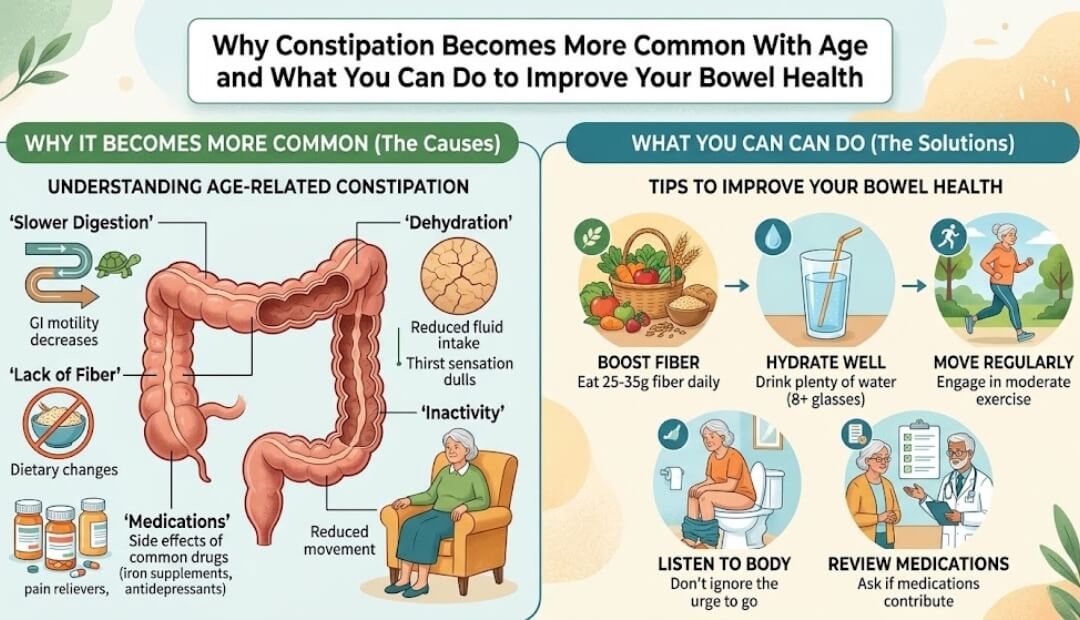
3. Constipation Can Make Post-Meal Bloating Worse
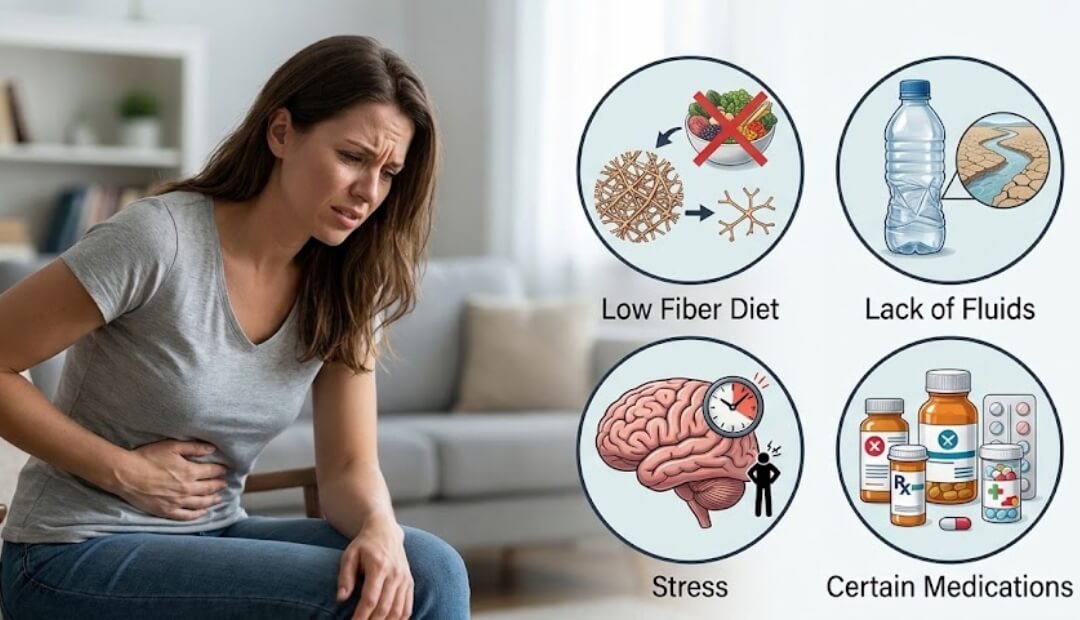
Constipation is another possible explanation for a bloated stomach after eating. When stool moves slowly through the colon, intestinal contents can accumulate and contribute to abdominal fullness. Gas may also become more uncomfortable when bowel movements are infrequent or difficult.
You might experience constipation even if you visit the bathroom regularly. Hard stools, excessive straining, or feeling that your bowel movement remains incomplete can also indicate a problem. Some people notice that bloating becomes worse after meals because their digestive system already feels uncomfortable.
According to the NIDDK guide to constipation, symptoms include difficult bowel movements, hard stools, and a feeling of incomplete evacuation. Addressing constipation may improve bloating when both problems occur together.
The Cause May Be Less Obvious
Explore another perspective on recurring bloating and why identifying individual food triggers may not tell the whole story.
4. Lactose Intolerance May Be Behind Your Symptoms
Lactose is a natural sugar found in milk and many dairy products. Your small intestine needs an enzyme called lactase to digest it properly. When your body produces insufficient lactase, undigested lactose can reach the colon and cause digestive symptoms.
These symptoms may include bloating, gas, abdominal cramps, and diarrhea. They often appear after consuming milk, ice cream, or other lactose-containing foods. Their severity depends partly on how much lactose you consume and how much your digestive system can tolerate.
If dairy products repeatedly cause discomfort, lactose intolerance may deserve consideration. However, you should not assume every reaction to milk confirms this condition. A healthcare professional can help distinguish lactose intolerance from other digestive problems and recommend appropriate testing when necessary.
5. Food Intolerances Can Be Difficult to Recognize
Lactose is not the only food component that can trigger digestive symptoms. Some people experience difficulty digesting particular carbohydrates, including fructose and certain fermentable sugars. These substances appear in various fruits, vegetables, grains, and processed foods.
Food intolerance can produce bloating, gas, abdominal discomfort, and changes in bowel habits. Symptoms may depend on portion size rather than requiring complete avoidance of a particular food. This explains why you might tolerate a small serving but experience discomfort after eating more.
Pay attention to repeated patterns instead of eliminating several food groups immediately. The NHS information about food intolerance explains common symptoms and why identifying the responsible food can take time. A dietitian can help you investigate suspected triggers while maintaining adequate nutrition.
6. Irritable Bowel Syndrome Can Cause Recurrent Bloating
Irritable bowel syndrome, commonly called IBS, is a digestive condition involving abdominal discomfort and changes in bowel habits. Some people experience constipation, others experience diarrhea, and some alternate between both. Bloating frequently accompanies these symptoms.
IBS involves interactions between the digestive tract, intestinal nerves, and the brain. People with IBS may experience increased sensitivity to normal intestinal activity or changes in how their gut moves. Consequently, ordinary amounts of gas can produce more noticeable discomfort.
Symptoms sometimes become worse after eating particular meals, during stressful periods, or following changes in routine. However, bloating alone does not establish an IBS diagnosis. A healthcare professional should assess recurring symptoms and consider other possible explanations.
7. Indigestion Can Create Fullness After Small Meals
Indigestion, also known as dyspepsia, can cause uncomfortable fullness during or after eating. You may feel satisfied after only a few bites, even when your meal is relatively small. Other symptoms can include upper abdominal discomfort, nausea, belching, and bloating.
Large or fatty meals, certain medications, and digestive conditions may contribute to indigestion. Some people experience persistent symptoms without an obvious structural problem, a condition doctors call functional dyspepsia. Its symptoms can overlap with other digestive disorders, making proper assessment important.
The NIDDK explanation of indigestion describes its common symptoms and possible causes. If you regularly feel uncomfortably full after small meals, discuss this pattern with your healthcare provider.
Why Does Bloating Sometimes Get Worse Throughout the Day?
You might wake up with a relatively flat abdomen and notice increasing fullness after breakfast. By afternoon, your waistband may feel tighter, even though your meals seemed reasonable. This pattern can occur because food, liquids, and gas gradually move through your digestive tract.
Each meal introduces additional material that your digestive system must process. Certain carbohydrates produce gas during fermentation, while constipation can contribute to the accumulation of intestinal contents. Eating several meals without identifying your triggers may make the discomfort more noticeable as the day progresses.
Digestion May Be Playing a Bigger Role
Find out what may contribute to persistent abdominal pressure, fullness, and bloating that becomes worse after meals.
Visible abdominal enlargement does not always mean that excessive gas has accumulated. Digestive sensitivity and changes in abdominal muscle coordination can also influence how bloating feels and appears. Research discussed in the American Gastroenterological Association clinical practice update describes several mechanisms involved in bloating and abdominal distension.
How to Identify What Triggers Your Bloated Stomach After Eating
Identifying your personal triggers requires more than guessing which foods cause problems. Two people can eat identical meals and experience completely different digestive reactions. Keeping track of your symptoms can help reveal patterns that are otherwise easy to overlook.
1. Keep a Food and Symptom Diary
Start by recording what you eat and drink throughout the day. Include approximate portions, meal times, snacks, and any digestive symptoms that follow. Note whether bloating begins immediately, several hours later, or gradually increases toward evening.
Also record accompanying symptoms such as constipation, diarrhea, burping, nausea, and abdominal pain. These details may help distinguish food-related gas from indigestion or other digestive problems. A consistent record provides more useful information than relying on memory during a medical appointment.
2. Pay Attention to Portion Sizes
A food may cause discomfort only when you consume a large portion. For example, you might tolerate a small serving of beans but experience significant gas after eating a much larger quantity. The same pattern can occur with dairy products, certain fruits, and high-fiber meals.
Notice whether smaller meals produce less pressure without changing every ingredient. If symptoms improve, portion size or meal volume may contribute to the problem. Avoid assuming that a nutritious food must always be harmless in unlimited quantities.
3. Observe How Quickly You Eat
Your eating speed can provide another useful clue. Compare meals when you eat slowly with meals consumed during a busy or stressful day. Notice whether rushed meals produce more burping, fullness, or abdominal discomfort.
Try sitting comfortably and allowing enough time for each meal. Avoid swallowing large bites or eating while distracted whenever possible. If these adjustments consistently improve symptoms, your eating habits may be part of the explanation.
4. Look for Patterns in Your Bowel Movements
Pay attention to how frequently you have bowel movements and whether passing stool feels comfortable. Hard stools, straining, and incomplete evacuation may indicate constipation. These details matter because constipation can contribute to bloating even when your diet appears balanced.
Notice whether abdominal pressure improves after a bowel movement. If it does, constipation may be contributing to your symptoms. Persistent difficulty passing stool deserves medical attention, especially when ordinary dietary changes provide little improvement.
5. Review Your Medications and Supplements
Some medications and supplements can influence digestion or contribute to constipation. Iron supplements, certain pain medicines, and other prescription treatments may affect bowel habits. Products containing particular sugars or sweeteners can also increase gas in some people.
Write down everything you take, including over-the-counter products and nutritional supplements. Ask your doctor or pharmacist whether any item could contribute to your symptoms. Never discontinue prescribed medication without discussing it with the prescribing professional.
Perhaps You’re Missing Another Clue
Before eliminating more foods, discover a different perspective on what may keep triggering bloating after eating.
Practical Ways to Reduce Bloating After Meals
Once you begin recognizing possible triggers, small adjustments may help reduce discomfort. The most effective approach depends on what causes your symptoms rather than following a universal digestive diet. Start with manageable changes and observe how your body responds.
Choose Smaller, More Frequent Meals
Large meals can increase stomach fullness and make existing digestive symptoms more noticeable. Consider eating smaller portions throughout the day instead of consuming very large meals. Give yourself enough time to eat without rushing or overeating.
Adjust High-Gas Foods Instead of Eliminating Everything
Beans, lentils, onions, cabbage, and some fruits can increase gas production in susceptible individuals. You do not necessarily need to remove all these nutritious foods from your diet. Experiment with portions and preparation methods while monitoring your symptoms.
If several foods appear responsible, ask a registered dietitian for guidance. A low-FODMAP diet may help certain people with IBS, but it involves temporary restrictions and structured food reintroduction. The AGA clinical practice guidance recommends professional dietary support when these modifications become necessary.
Drink Enough Water and Stay Physically Active
Drinking adequate water supports normal digestion and can help prevent constipation. Physical activity also supports bowel function and may help relieve some episodes of bloating. A gentle walk after meals can be a practical starting point if you feel comfortable exercising.
Increase dietary fiber gradually if your current intake is low. Adding large amounts of fiber suddenly can increase gas and discomfort. Soluble fiber sources, including oats, may be easier for some people to tolerate.
Reduce Carbonated Drinks and Chew Carefully
Carbonated drinks introduce additional gas into the digestive system. Reducing fizzy beverages may help if you regularly experience burping or abdominal pressure after drinking them. Eating slowly and chewing with your mouth closed can also reduce swallowed air.
When Should You See a Doctor About Post-Meal Bloating?
Occasional bloating after a large meal usually does not indicate a serious medical problem. However, persistent or frequently recurring symptoms deserve proper evaluation. This becomes particularly important when dietary adjustments fail to improve your discomfort.
Arrange a medical appointment if bloating regularly interferes with your daily activities. You should also seek advice when symptoms accompany unexplained weight loss, blood in your stool, or persistent changes in bowel habits. Your doctor can review your history, examine your abdomen, and recommend appropriate tests.
Seek urgent medical attention if you experience severe or sudden abdominal pain, repeated vomiting, or significant abdominal swelling. Inability to pass stool or gas alongside abdominal swelling also requires urgent assessment. Fever or other rapidly worsening symptoms should not be ignored.
Depending on your symptoms, a healthcare professional may investigate food intolerance, constipation, coeliac disease, IBS, or other digestive conditions. Testing might involve blood work, stool tests, or selected digestive investigations. The appropriate approach depends on your individual symptoms and medical history.
Finding the Real Reason Behind Your Bloated Stomach After Eating
A bloated stomach after eating can have several possible explanations, and the same symptoms do not always indicate the same condition. Food choices, portion sizes, eating speed, constipation, and digestive sensitivity can all contribute. Identifying the underlying pattern is more useful than immediately eliminating entire food groups.
Start by observing your meals, symptoms, bowel habits, and daily routines. Make one manageable change at a time so you can understand which adjustments actually help. If bloating continues or becomes more disruptive, seek medical advice rather than repeatedly experimenting without guidance.
You deserve to enjoy meals without constantly wondering how uncomfortable your abdomen might feel afterward. Understanding your digestive triggers can help you make informed choices and recognize when additional support is necessary. The goal is not to fear food, but to understand how your body responds to it.
What If Your Food Triggers Aren’t the Whole Story?
Discover why your stomach may keep bloating after meals, even when you carefully choose what you eat.
Watch now to explore an overlooked perspective on digestive function and learn what may be behind recurring bloating and abdominal pressure.