


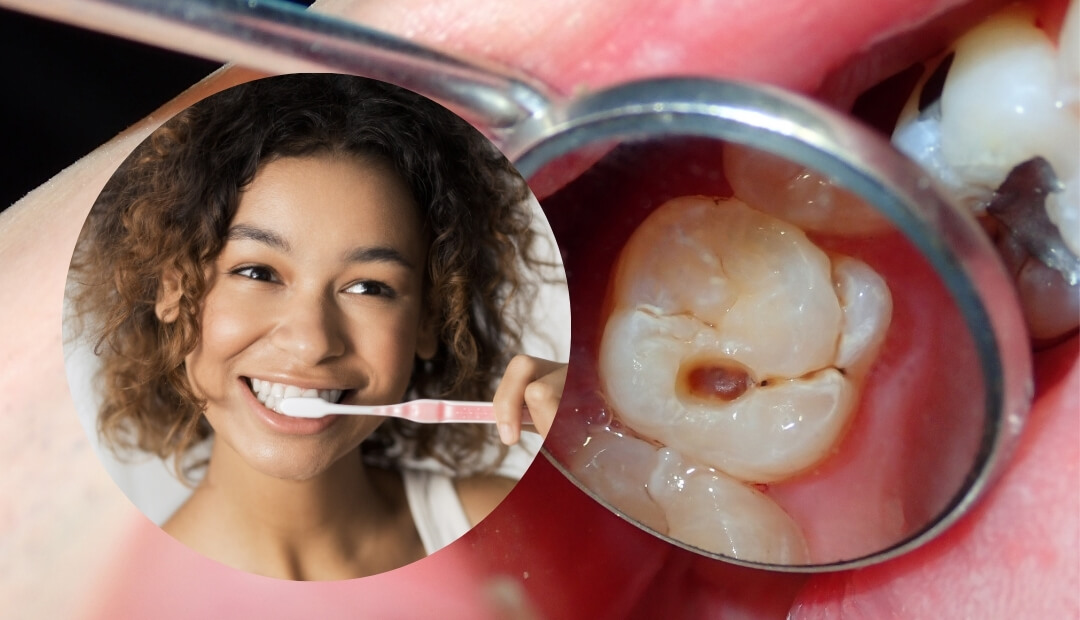
You brush your teeth every morning and night, yet another cavity appears at your next dental checkup. If this sounds familiar, you may wonder what your daily routine is missing. Dental plaque could be one important part of the explanation, alongside your diet, saliva, brushing technique, and enamel health.
Repeated cavities can feel discouraging, especially when you make a genuine effort to protect your smile. However, tooth decay does not always mean you have poor oral hygiene. Understanding how dental plaque contributes to decay can help you identify possible risk factors and make more informed decisions about prevention.
Why Do Cavities Keep Returning Despite Daily Brushing?
Tooth decay develops when certain bacteria in your mouth use sugars from food and drinks to produce acids. These acids gradually remove minerals from enamel, the hard outer surface that protects each tooth. Saliva and fluoride help replace lost minerals, but frequent acid attacks can overwhelm this natural repair process.
According to the National Institute of Dental and Craniofacial Research, early decay may stop or reverse before a cavity forms. Once decay creates a hole, however, a dentist usually needs to restore the damaged tooth.
Daily brushing helps control dental plaque, but it cannot reach every surface equally well. Plaque may remain between teeth, along the gumline, or inside deep grooves. Frequent sugar exposure and reduced saliva can increase the risk, even when brushing remains part of your routine.
Look Beyond Your Brushing Routine
Discover what the video explores about dental plaque, everyday oral care habits, and why cavities may keep returning.
What Is Dental Plaque, and Why Does It Matter?
Dental plaque is a sticky, usually colorless film containing bacteria and other substances. It forms naturally on tooth surfaces throughout the day, including after brushing. If you do not remove it regularly, plaque can contribute to tooth decay and gum disease.
The problem becomes more significant when plaque bacteria encounter sugars and certain carbohydrates. They produce acids that attack enamel and encourage mineral loss. When this process continues without enough recovery time, an initially weakened area may develop into a cavity.
Dental plaque can be difficult to recognize because it does not always look dirty. Your teeth might appear clean while bacteria remain along the gumline or between neighboring teeth. A smooth surface alone cannot confirm that you have removed every trace of plaque.
The NIDCR oral hygiene guide explains how plaque contributes to tooth decay and gum disease. It also describes practical ways to clean tooth surfaces and the spaces a toothbrush cannot reach.
5 Reasons Dental Plaque and Cavities May Remain a Problem
1. Dental Plaque Builds Up Between Your Teeth
A toothbrush cleans exposed surfaces, but its bristles cannot effectively reach every narrow space between teeth. Food debris and dental plaque may collect in these areas without becoming visible in a mirror. Over time, bacteria can contribute to decay between neighboring teeth.
Daily interdental cleaning helps address these hidden surfaces. Depending on the spaces between your teeth, floss or an appropriately sized interdental brush may work well. Your dentist can recommend a suitable method and demonstrate the correct technique.
2. Frequent Sugar Exposure Gives Bacteria More Opportunities
The frequency of sugar exposure matters, not just the total amount you consume. Each time plaque bacteria use available sugars, they can produce acids that attack enamel. Repeated snacking or sipping sweetened drinks throughout the day can therefore increase the number of acid attacks.
For example, slowly drinking sweetened coffee over several hours may expose your teeth repeatedly. Frequent sweets between meals can create a similar pattern. You can reduce these exposures by limiting sugary snacks, choosing water more often, and keeping sweet foods to mealtimes.
You do not need to eliminate every carbohydrate to protect your teeth. Instead, focus on practical habits that reduce frequent sugar exposure. A balanced diet and consistent oral hygiene can work together to lower your risk.
3. Your Toothpaste May Not Contain Fluoride
Fluoride helps strengthen enamel and supports the repair of early mineral loss. It also makes tooth surfaces more resistant to future acid attacks. If your toothpaste does not contain fluoride, you may miss an important, evidence-based method of cavity prevention.
Brush twice daily with fluoride toothpaste and follow the instructions on its packaging. After brushing, spit out the excess toothpaste rather than rinsing immediately with water. This allows more fluoride to remain on your teeth.
The NIDCR fluoride guide explains how fluoride helps prevent cavities and supports enamel remineralization. If you develop frequent cavities, ask your dentist whether additional fluoride treatment or prescription-strength toothpaste may suit your needs.
4. Dry Mouth Reduces an Important Natural Defense
Saliva does much more than keep your mouth comfortable. It helps wash away food particles, neutralize acids, and supply minerals that support enamel. When saliva production decreases, your teeth may lose some of this natural protection.
Several medications and health conditions can cause dry mouth. Dehydration and certain treatments may also affect saliva production. If you frequently wake up with a dry mouth or struggle to swallow dry foods, discuss these symptoms with a healthcare professional.
Do not stop prescribed medication without medical advice. Your clinician can review possible side effects and discuss suitable ways to manage dryness. Your dentist may also recommend additional preventive measures if dry mouth increases your cavity risk.
Explore What Your Teeth May Need
Watch the video to explore another perspective on dental health, mineral balance, and the factors that influence tooth decay.
5. Certain Tooth Surfaces Need Extra Protection
Some teeth have deep grooves that trap food and make thorough cleaning difficult. These areas may retain dental plaque even when you brush carefully. A dentist can assess whether protective dental sealants could help reduce decay risk on vulnerable chewing surfaces.
Gum recession creates another concern because it can expose tooth roots. Root surfaces lack the protective enamel that covers the crown, making them more vulnerable to decay. Previous fillings also deserve attention, particularly when they become damaged or develop rough edges.
These factors do not guarantee that cavities will develop. However, they can influence your individual risk and the preventive care you need. Regular dental examinations help identify vulnerable areas before problems become more advanced.
How Repeated Cavities Affect Confidence and Everyday Comfort
Finding another cavity can leave you frustrated, particularly when you brush consistently and try to follow dental advice. You may start questioning your habits or wondering whether your efforts make any difference. The uncertainty can make routine dental visits feel stressful rather than reassuring.
Treatment costs and concerns about discomfort can add another layer of pressure. You might also worry about sensitivity when drinking hot coffee or eating cold foods. Visible damage or repeated dental procedures may affect how comfortable you feel smiling around other people.
These feelings are understandable, but recurring cavities do not automatically mean you have neglected your teeth. Dental plaque is one factor among several, and some risks require more than brushing alone. Instead of blaming yourself, focus on finding the reasons behind the repeated decay.
A conversation with your dentist can help turn that uncertainty into a practical prevention plan. Understanding your specific risk factors may also make future appointments feel more manageable.
How to Control Dental Plaque and Reduce New Cavities
You cannot remove every risk factor, but consistent habits can improve your protection. Start with the following measures and adjust your routine according to your dentist’s advice.
- Brush twice daily: Spend about two minutes cleaning every tooth surface with fluoride toothpaste.
- Clean between teeth: Use floss or an appropriate interdental cleaner once daily.
- Improve your technique: Gently clean the inner, outer, and chewing surfaces, including the gumline.
- Reduce frequent sugar exposure: Limit sugary drinks and snacks, especially between meals.
- Support healthy saliva: Drink water regularly and discuss persistent dry mouth with a professional.
- Attend dental checkups: Routine examinations can identify early decay before obvious symptoms appear.
The NHS guide to keeping teeth clean recommends brushing twice daily with fluoride toothpaste. It also advises cleaning between teeth and spitting out excess toothpaste without immediately rinsing.
If you struggle to see where dental plaque remains, plaque-disclosing tablets may help. These products temporarily color plaque so you can identify areas your routine may miss. Ask your dentist or pharmacist how to use them appropriately.
Understand the Bigger Picture
If cavities keep appearing despite your efforts, the video offers another perspective on oral health and daily habits.
Which Treatments Help Manage Dental Plaque and Tooth Decay?
The right treatment depends on whether your dentist finds plaque buildup, early mineral loss, an established cavity, or gum disease. These problems can overlap, but they require different approaches. Removing plaque helps prevention, while existing tooth damage may need additional treatment.
Fluoride Treatments for Early Decay
When decay has not yet created a hole, a dentist may recommend fluoride varnish or another suitable fluoride treatment. These measures can help strengthen enamel and stop or reverse some early lesions. The dentist must assess the affected area before recommending an approach.
However, remineralization cannot restore the structure of a tooth after a cavity has formed. A developed cavity generally requires restorative treatment rather than fluoride alone. This distinction matters when evaluating claims about products that promise to rebuild damaged teeth.
Professional Cleaning and Restorative Treatment
When plaque hardens into tartar, brushing and flossing cannot remove it completely. A dental professional must remove the hardened deposits with appropriate instruments. Professional cleaning can help manage plaque-related gum problems and support your home care routine.
If decay creates a cavity, a dentist usually removes the damaged tissue and restores the tooth with a filling. Larger areas of damage may require a crown or another procedure. When decay reaches the tooth’s pulp, root canal treatment may become necessary.
The NIDCR tooth decay resource describes how dentists identify and treat decay at different stages. Your treatment depends on the extent of damage, the tooth’s condition, and your individual needs.
Discover a Different Dental Health Perspective
Before you finish, watch the video to learn about the approach it discusses and consider how it fits with established dental advice.
A Prevention Plan for People With Frequent Cavities
If cavities keep returning, ask your dentist to review your personal risk factors. Your plan may include more frequent checkups, additional fluoride, dietary changes, or strategies for managing dry mouth. Sealants may also help protect certain chewing surfaces when appropriate.
Tell your dentist about medications, sensitivity, dry mouth, and any difficulties with brushing or flossing. These details can help identify contributing factors that might otherwise go unnoticed. A tailored plan is often more useful than simply brushing harder or changing products repeatedly.
When Should You See a Dentist About Dental Plaque and Cavities?
Do not wait for severe pain before arranging an examination. Early tooth decay may cause no noticeable symptoms, so a tooth can deteriorate before you recognize a problem. Regular checkups help dentists identify changes and recommend appropriate care.
Arrange an appointment if you notice new sensitivity, persistent toothache, visible holes, or unusual white, brown, or black spots. Your dentist may examine the affected teeth and recommend X-rays when necessary. Bleeding or swollen gums also deserve attention because they may indicate gum inflammation.
Seek urgent dental care for severe or worsening pain, facial swelling, or suspected infection. Facial swelling accompanied by difficulty breathing or swallowing requires emergency medical attention. Prompt assessment can help prevent complications and clarify which treatment you need.
Could Mineral Balance Be Another Part of the Conversation?
Your enamel constantly loses and regains minerals throughout the day. Dental plaque bacteria and frequent sugar exposure can encourage mineral loss, while saliva and fluoride support repair. The balance between these processes helps determine whether early damage progresses.
Understanding this process can help you assess oral health advice more carefully. Supporting normal remineralization is not the same as rebuilding a tooth after substantial structural damage. Claims about restoring enamel or gum tissue deserve careful evaluation against reliable evidence.
If you explore a mineral-based oral health approach, consider what the specific claims mean and what evidence supports them. Discuss new products or changes to your dental routine with your dentist, especially if cavities keep returning. No single product replaces effective plaque removal, fluoride use, dietary habits, and professional care.
The Takeaway: Look Beyond Brushing Alone
Repeated cavities can feel discouraging, but they do not necessarily mean your daily efforts have failed. Dental plaque, sugar exposure, saliva, fluoride use, and tooth anatomy can all influence your risk. Identifying the relevant factors gives you a clearer starting point for prevention.
Keep brushing carefully, clean between your teeth, and attend regular dental examinations. If decay continues despite these habits, ask your dentist for an individualized assessment. A better understanding of the cause can help you choose practical steps that protect your teeth over time.
Why Do Cavities Keep Returning Despite Brushing?
Discover what dental plaque, mineral balance, and your daily oral care routine may reveal about the reason cavities keep coming back.
Explore the mineral-based approach discussed in the video, its claims about teeth and gums, and the evidence worth considering.