


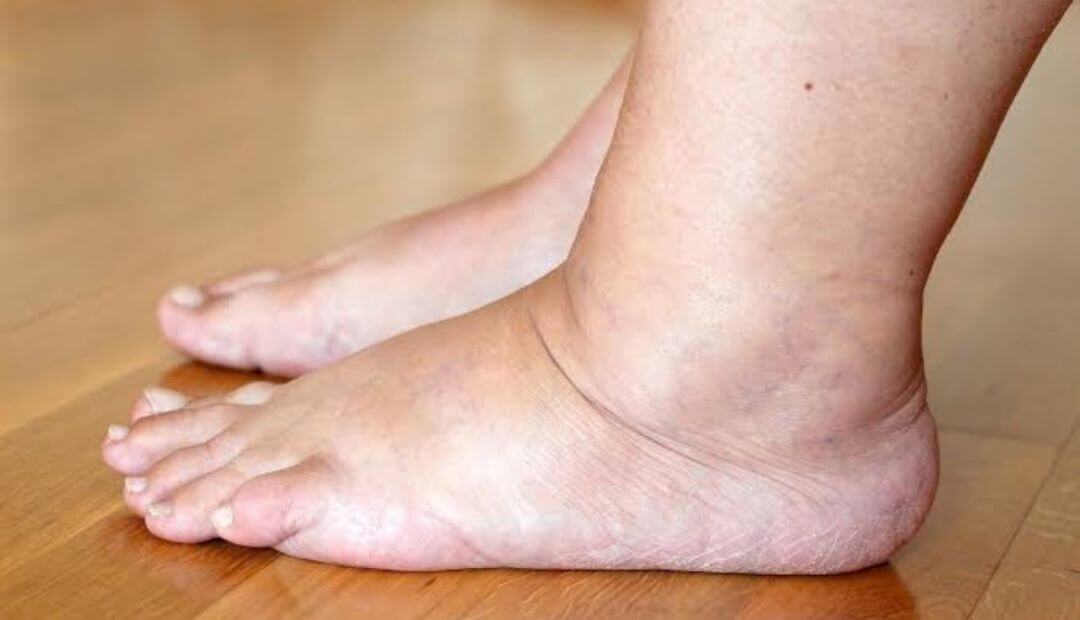
Have you ever noticed that the scales have crept up recently? You may be noticing that your fingers are puffy, your rings are tight or your ankles are swollen. This could be due to water retention, however there are many reasons why this can happen.
Fluid retention can cause a variety of symptoms throughout the day which may leave your clothes feeling uncomfortable or cause you to wonder if you have gained weight. Knowing what causes fluid retention can help you stay calm and know when to seek medical advice for swelling.
What is Water Retention?
Water retention refers to having an increase in fluid in your body. This can cause fluid to build up between cells and in the tissues of your skin. If this causes visible swelling it is often referred to by healthcare professionals as edema.
What Could Be Behind Your Water Retention?
Discover another perspective on fluid buildup and explore factors that may affect how your body manages excess fluid.
Fluid and mineral levels in your body are constantly balanced by your kidneys, blood vessels, hormones and lymphatic system. This can cause areas of your body to swell.
While fluid retention is not always a cause for concern, it can cause temporary swelling. This can be caused by eating salty foods, sitting for long periods of time, hot weather or hormonal changes. However, if you experience swelling regularly or it is unexplained, it can be a sign of an underlying issue.
According to Mayo Clinic’s overview of edema, Fluid retention can occur due to everyday situations, some medication, pregnancy or medical issues relating to your heart, kidney or liver
Common Signs of Water Retention
Fluid retention can present in different ways. Some people may notice fluid retention in their feet whilst others may notice swelling in their face or hands. Picking up on any patterns will help to accurately describe your symptoms.
1. Swollen Feet, Ankles or Legs
You may find your shoes feel tighter later in the day. You may also find your ankles swell up after standing for several hours or during a long journey. Your legs can also feel heavy, tight and uncomfortable.
Fluid tends to pool in the lower part of your body due to gravity. If you are staying in one position for long periods of time this can cause the swelling. If your swelling is due to sitting or standing for long periods of time gentle movement can help. If you have persistent pain or swelling in your legs this should be assessed by a medical professional.
2. Puffy Fingers and Tight Rings
Have you found that your rings are suddenly tight? Do your fingers feel stiff and slightly bigger when you wake up? This could be due to temporary fluid shifts. However there are other causes of swollen fingers.
Swelling can be caused by heat, salty foods, hormonal changes and some medication. If your symptoms are better during the day or come and go, you should see a healthcare professional if your fingers become swollen, sore or if you have difficulty moving your fingers.
Is Water Retention Affecting Your Weight?
Before blaming body fat for sudden changes, watch this video to explore fluid balance and the role of your lymphatic system.
3. Puffy Face/ Puffy Eyes
Some people will experience puffiness around their face, particularly their eyes, in the mornings. This can get better throughout the day. Your sleep patterns, allergies and other factors can cause swelling in your face.
Just because you are experiencing puffiness in the mornings does not mean there is an issue. However if you are experiencing constant or increasing swelling then it is worth looking into. If you are experiencing sudden swelling in your lips, tongue or throat it could be a sign of a severe allergic reaction and needs emergency treatment.
4. Skin Tautness/ Pitting
If there is fluid retention under the skin you may see a taut and shiny area. Some swellings can leave a temporary dent when gently pressed. This is known as pitting oedema.
Not all swellings will cause a dent. However if you are experiencing any new or persistent swelling then it is worth getting examined by a clinician to see if they need any investigations.
5. Weight Fluctuations
The weight on the scales can fluctuate over a short period of time. This can be caused by fluid retention, digestion, hormonal changes and recently eaten foods. If you are experiencing sudden weight gain along with visible swelling then it may be due to fluid retention.
However you will not be able to tell what is causing it from the scales. If you are experiencing repeated weight gain, particularly if your swelling is getting worse or you are experiencing shortness of breath then it is not just water retention.
A medical professional can help figure out if it is just temporary weight fluctuations or if there is something more significant going on.
What Causes Water Retention?
It can be helpful to understand what might cause each episode. There can be many different causes. Some causes are temporary and due to lifestyle factors. Some are due to medication, blood flow, hormone levels or medical issues.
1. Eating Too Much Sodium
Sodium can help to regulate fluids in our body, however too much sodium can cause fluid retention. Many people eat lots of sodium in their diets through pre-prepared meals, processed meats, salty snacks, sauces and eating out.
If you notice you are getting puffy after eating very salty foods, looking at your usual eating habits can help. Look at the nutritional information on your foods and try to pick lower sodium options. The American Heart Association provides good information on sodium intake and how to reduce it.
However, not all swollen ankles and puffy faces are due to salt. If you are experiencing ongoing symptoms you may have another cause. Try not to be too strict with your diet unless advised by a health professional.
2. Sitting or Standing for Long Periods
Standing in one position for long periods of time can cause fluid to collect in your lower legs. This can occur if you are sitting at a desk, on a long flight, driving for a long period of time or if your job requires you to stand. You may notice swelling more in warmer weather.
To help reduce swelling, try to change your position regularly. If possible take short walks. Try doing some gentle exercises with your ankles whilst sitting down. If your swelling is not improving or keeps coming back don’t assume it is due to lack of activity.
3. Hormonal Changes
Some women can experience bloating and swelling just before their period starts. Hormone changes can affect the amount of fluid in your body causing you some discomfort and changes in your clothing. You may notice your symptoms follow a pattern.
Swelling can occur during pregnancy, often in your feet and ankles. If you suddenly start swelling during pregnancy, especially with severe headaches, changes to your vision and pain in your upper abdomen then you should seek urgent medical attention. Contact your maternity team as soon as possible.
4. Medication & Medical Conditions
Some medications can cause swelling. This can include some blood pressure medication, corticosteroids, anti-inflammatories and hormone treatments. Do not stop taking any medication that has been prescribed to you. Contact your prescriber to discuss your symptoms. They can check if it could be a side effect and find the right alternatives for you.
Swelling can also occur with conditions affecting your heart, kidneys, liver, veins and lymphatic system. It is often more important to treat the cause of the swelling rather than the swelling itself.
Common causes of edema include high sodium, pregnancy, certain medications and issues with major organs (MedlinePlus). This is why it is important to pay attention to any ongoing swelling.
What Helps Your Body Manage Fluid?
Everyday habits matter, but there is more to fluid movement than salt and hydration. Explore this additional perspective in the video.
Water Retention vs. Body Fat: How Are They Different?
Weight can fluctuate quite quickly and can make you feel disappointed and wonder why your healthy habits aren’t working or if your body has changed. However, take into consideration if you are gaining weight due to water retention.
Water retention can cause weight to increase quite quickly (sometimes over a few days). It can cause puffiness in certain areas, such as the ankles, fingers and face. Fat gain generally happens slower.
It can be hard to tell what the cause is based on how you look or what the scales say. There could also be some bloating in your stomach due to digestion issues. Taking note of when the weight has increased, where it has increased, any symptoms it has caused and how long it has lasted can help.
If you have gained weight quickly with no obvious reason, especially if you are experiencing any swelling then contact a healthcare professional to see if there could be any water retention, effects from medications or another health issue. Do not try to cause rapid weight loss/gain by becoming dehydrated or using un-prescribed water loss products.
What May Help Reduce Mild Water Retention?
Simple lifestyle changes can be helpful for mild swelling caused by an identifiable cause. The best lifestyle changes will vary based on your health, medication and site of swelling. If you have unexplained and/or worrying symptoms you must still see a medical professional.
Stay Active
Light exercise can help to improve circulation and move fluid out of your legs. Have short walks, stand up regularly or do some gentle ankle exercises. Be sure to do what works for you and do not do anything that makes your pain or swelling worse.
Raise Your Legs
If your ankles/feet are swollen, try raising your legs on some pillows. When you can comfortably raise them above the level of your heart for short periods of time. Stop and seek medical advice if you become breathless or uncomfortable.
Check Your Salt Intake
Some people can benefit from reducing salt intake. Check the amount of salt in pre-packed foods and compare similar items. Try to choose more fresh foods where possible. However, follow any individual advice given by your healthcare professional.
Could Your Lymphatic System Matter?
Learn how the lymphatic system supports fluid balance and discover why understanding this process may offer a useful new perspective.
Choose Comfortable Clothing and Footwear
Tight socks, shoes, or clothing may add discomfort when an area becomes swollen. Roomier footwear can make walking easier when your feet feel puffy. Protect swollen skin from rubbing, cuts, and irritation because damaged skin can become more vulnerable to infection.
Drink Water Normally and Avoid Unproven Remedies
Don’t try to deliberately dehydrate yourself to reduce puffiness. How much fluid you should have will depend on your general health, the environment you are in and your level of activity. If you have a heart or kidney condition you may need personal advice.
Be wary of using detox teas, herbal diuretics and supplements to help get rid of excess fluid. They can cause side effects and can interact with medication. Sometimes prescription diuretics can be appropriate but you should ask a clinician if you need them.
Treatment of edema can include exercise, raising your legs, wearing compression clothing and taking medication where appropriate (Mayo Clinic). The best option will depend on why you have the edema and your individual medical needs.
When Should You See a Doctor About Water Retention?
Occasional mild swelling can sometimes be resolved by changing your position or if there is an obvious cause. However, if you have any persistent, worsening or unexplained swelling then you should seek medical advice. If you are regularly noticing swollen limbs, stretched skin or unexplained weight gain then you should seek an assessment.
If you have sudden, severe or painful swelling, especially just one leg, redness, heat, fever or swelling following an injury then you should seek urgent advice. Do not attempt to massage a new painful swollen leg.
If you have any chest pain, difficulty breathing, dizziness or severe shortness of breath along with swelling then you should seek emergency help. This can be a sign of something serious such as a blood clot or fluid build up in your lungs.
Your clinician may ask you questions about when your swelling began, and whether it gets worse throughout the day. They may ask about your medication, medical history and any other symptoms. They may perform some bloods, urinalysis or imaging depending on what they find.
Bottom Line
Water retention can cause your fingers, face, ankles or overall body to feel different. Everyday factors such as salt laden food, hormonal changes and long periods of sitting can cause temporary fluid retention. However, similar symptoms may be caused by medication or underlying medical conditions.
Try to look for patterns. If you are experiencing mild swelling then gentle exercise, sensible sodium intake and finding a comfortable position may help. Avoid going on restrictive diets, becoming dehydrated and using unproven products that promise quick results.
Most importantly, if you are experiencing ongoing, unexplained or sudden swelling then do not ignore it. If you know what the warning signs are and seek medical advice at the right time then you will be able to understand what your body needs. This will help you not only look less swollen but keep you comfortable and looking after your overall health.
Could Water Retention Be Hiding the Real Reason You Feel Puffy?
Discover a different perspective on fluid buildup and the overlooked factors that may influence how your body feels.
Watch the next video to explore how your lymphatic system helps move fluid and why this process matters.