


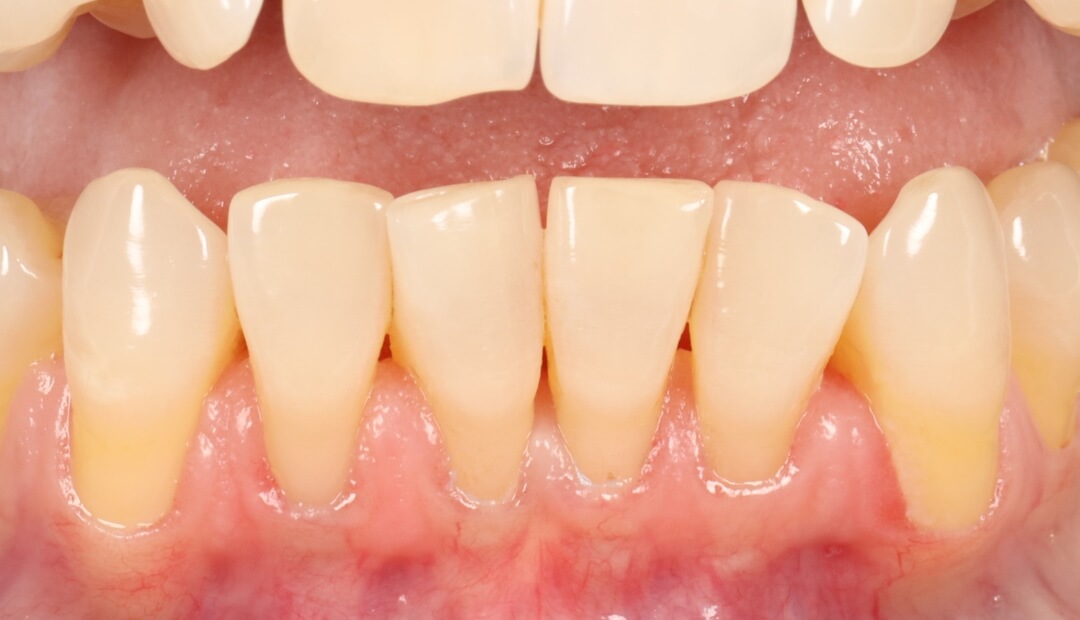
Have you noticed your teeth looking longer in the mirror, or your smile appearing different in recent photographs? You might also experience sharp sensitivity when drinking cold water or brushing near your gums. These changes may point to gum recession, a condition that gradually exposes more of your tooth roots.
Noticing a changing gumline can feel unsettling, especially when you care about your smile. You may wonder whether you have brushed incorrectly or allowed a dental problem to develop. However, gum recession has several possible causes, and understanding them can help you take the next step.
Although receding gums do not usually grow back naturally, appropriate care can help protect your teeth. Some cases need only monitoring and improved cleaning techniques, while others require professional treatment. Recognizing the warning signs early can help you protect your oral health and confidence.
Understand Your Changing Gumline
Discover what may cause gum recession and explore a proposed mineral-based approach to supporting your teeth and gums.
What Is Gum Recession, and Why Do Teeth Look Longer?
Your gums form a protective seal around the base of your teeth. Healthy gum tissue helps shield the roots and supports the surrounding structures. When this tissue moves away from the tooth crown, more of the tooth becomes visible.
This change can make your teeth appear longer, even though their actual length has not changed. The exposed area may include the root, which lacks the hard enamel covering the visible crown. Consequently, gum recession can increase sensitivity and leave the root more vulnerable to decay.
Gum recession may affect one tooth, several teeth, or larger areas of your mouth. Some people notice obvious changes, while others experience few symptoms. The Cleveland Clinic’s guide to gum recession explains its causes, symptoms, and available treatments.
What Are the Early Signs of Gum Recession?
Gum recession often develops gradually, making the earliest changes difficult to recognize. You might notice one front tooth looking longer than its neighbor. Your gumline may also appear uneven when you smile or compare recent photographs.
Physical symptoms can provide additional clues about your gum health. Cold drinks, sweet foods, or brushing near the gumline may trigger brief discomfort. Some people also notice exposed root surfaces, tenderness, or spaces that appear larger between their teeth.
These signs do not automatically confirm gum recession. Tooth wear, cavities, inflammation, and other dental conditions can produce similar symptoms. A dentist can examine your gums and determine whether recession or another problem explains the changes.
How Gum Recession Can Affect Your Confidence and Daily Comfort
Your smile can influence how comfortable you feel during conversations, photographs, and social occasions. When your teeth begin looking different, you might find yourself checking the mirror more frequently. You may also become more conscious of your smile when laughing or speaking.
Look Beyond Brushing Habits
Learn why gum recession can have several causes and discover what to consider when exploring additional approaches to oral health.
Sensitivity can make everyday experiences less enjoyable, too. You might avoid cold drinks, hesitate before eating certain foods, or worry about brushing sensitive areas. These small adjustments can gradually become frustrating when you cannot identify the underlying cause.
It is understandable to feel concerned about changes in your appearance. However, gum recession does not mean you have neglected your teeth or caused irreversible damage through one mistake. Several factors can contribute, and identifying them is more helpful than blaming yourself.
What Causes Gum Recession? Five Factors to Understand
1. Gum Disease and Dental Plaque Buildup
Dental plaque is a sticky film containing bacteria that constantly forms on your teeth. If you do not remove it regularly, plaque can harden into tartar along the gumline. Bacterial buildup can irritate your gums and contribute to periodontal disease.
Advanced periodontal disease damages the tissues supporting your teeth, including the surrounding bone. As these structures deteriorate, your gums may recede, and your teeth may become loose. Bleeding, swelling, persistent bad breath, and gum tenderness can also indicate gum disease.
The National Institute of Dental and Craniofacial Research explains how plaque contributes to gum disease and supporting-tissue damage. Professional treatment can help control the disease and reduce the risk of further deterioration.
2. Brushing Too Hard or Using the Wrong Technique
Brushing harder does not necessarily remove more plaque or produce cleaner teeth. Excessive pressure, particularly near the gumline, can irritate tissues and contribute to recession. A hard-bristled toothbrush may increase unnecessary abrasion in some circumstances.
Try using a soft-bristled toothbrush and gentle, controlled movements. Clean each tooth surface carefully without scrubbing forcefully from side to side. Your dentist can assess your technique and recommend adjustments that suit your teeth and gums.
Good oral hygiene remains essential, even when your gums have started to recede. Avoiding an affected area can allow plaque to accumulate and increase inflammation. Instead, ask your dentist how to clean the area comfortably and effectively.
3. Genetics and Naturally Thin Gum Tissue
Some people naturally have thinner gum tissue than others. This anatomical difference can make certain areas more vulnerable to recession. As a result, gum changes may occur even when someone maintains a consistent oral hygiene routine.
Family history can provide useful context, but it cannot determine your individual risk by itself. Your dentist may consider your gum thickness, tooth position, and existing recession during an examination. These factors help explain why similar brushing habits can affect people differently.
Understanding your natural gum structure can also prevent unnecessary self-blame. You cannot change your genetics, but you can manage contributing factors and monitor vulnerable areas. Your dentist can recommend a preventive routine based on your individual needs.
4. Tooth Position, Orthodontics, and Oral Piercings
Teeth that sit outside the usual dental arch may have less protective gum tissue around them. In some cases, orthodontic movement can influence the gumline, particularly when the surrounding tissues are thin. Previous dental treatment does not automatically cause recession, however.
Lip and tongue piercings may also irritate nearby gum tissue through repeated friction. Injuries or pressure against the gums can contribute to localized changes. Your dental history can help identify whether any of these factors deserve attention.
If you notice recession during orthodontic treatment, discuss the change with your orthodontist or dentist. Do not adjust braces or stop prescribed treatment independently. A professional can assess your gum health and determine whether your treatment plan needs review.
5. Tobacco Use, Health Conditions, and Other Risks
Tobacco use increases the risk of periodontal disease and can interfere with healing. Diabetes can also increase the risk of gum problems, particularly when blood glucose remains poorly controlled. Hormonal changes and certain medications may influence gum health in some individuals.
These factors do not cause the same effects in everyone. Their importance depends on your medical history, oral hygiene, and other individual circumstances. Your dentist may ask about medications, smoking, health conditions, and previous gum problems.
Share relevant medical information during your dental appointment. This helps your dentist assess potential contributors and recommend appropriate care. If you use tobacco, ask about support for quitting and its potential benefits for your gums.
Why Exposed Tooth Roots Need Special Attention
Enamel protects the visible crown, while cementum covers the root surface. Cementum does not offer the same protection as enamel, making exposed roots more vulnerable. You may therefore notice sensitivity when eating sweet foods or drinking hot and cold beverages.
Exposed roots can also develop root-surface cavities. These cavities sometimes appear near the gumline and may remain difficult to spot during everyday brushing. Regular dental examinations can help detect changes before they cause more extensive damage.
Recession does not always produce pain, so the absence of sensitivity offers little reassurance. A dentist can assess the exposed surfaces and examine the tissues supporting your teeth. Early evaluation can help establish whether you need treatment or continued monitoring.
How Dentists Diagnose Gum Recession
Your dentist will begin by examining your teeth and gums for visible changes. They may use a periodontal probe to measure the gumline and spaces around your teeth. These measurements help assess recession and identify possible signs of periodontal disease.
Your dentist may also ask about bleeding, sensitivity, brushing habits, tobacco use, and previous treatment. Depending on the findings, dental X-rays may help identify bone loss around affected teeth. Not every patient needs imaging, and the decision depends on your examination.
Understand What Exposed Roots Need
Explore the connection between gum recession and sensitive roots, then discover what a proposed mineral-based approach involves.
This assessment helps distinguish gum recession from other causes of a changing smile. It also allows your dentist to identify contributing problems, such as inflammation or tooth misalignment. The results guide decisions about treatment, prevention, and follow-up appointments.
What Treatments Can Help Manage Gum Recession?
Treatment depends on the cause, severity, and location of the recession. The main goals are to control contributing problems, protect exposed roots, and reduce discomfort. Some treatments improve comfort without restoring the original gumline.
Professional Cleaning and Periodontal Treatment
If plaque and tartar contribute to gum inflammation, professional cleaning can remove hardened deposits. When periodontal disease affects deeper tissues, your dentist may recommend scaling and root planing. This procedure removes deposits from below the gumline and cleans the tooth roots.
Some patients need additional periodontal treatment or referral to a gum specialist. Your dentist may recommend medication in selected cases, depending on the diagnosis. Antibiotics are not necessary for every patient and should only be used when clinically indicated.
Controlling periodontal disease can help protect the remaining supporting tissues. However, treatment does not guarantee that lost gum tissue will return. Your ongoing cleaning routine and recommended dental visits remain important for maintaining results.
Treating Sensitivity and Protecting Exposed Roots
Desensitizing toothpaste may reduce discomfort when exposed roots react to temperature changes. Your dentist may also apply fluoride varnish or another protective product. These options can help manage sensitivity, although individual results vary.
If a root surface develops decay, a filling or another restoration may become necessary. Dental bonding can cover exposed areas in selected cases and improve their appearance. However, bonding does not replace missing gum tissue or treat every cause of recession.
Discuss persistent discomfort rather than relying solely on products designed for sensitive teeth. If sensitivity continues, your dentist may need to investigate another problem. Choosing treatment based on the diagnosis helps avoid unnecessary products and delays.
Gum Grafting Surgery
A periodontist may recommend gum grafting when recession exposes vulnerable roots or creates specific functional concerns. During the procedure, the specialist adds tissue to the affected area. The tissue may come from another part of your mouth or an appropriate donor source.
Grafting can cover exposed roots in selected cases and may improve the appearance of your gumline. Results depend on the location, tissue condition, and extent of recession. Your specialist will explain expected benefits, limitations, recovery, and possible complications.
Not everyone with gum recession needs surgery. Some cases require only monitoring, improved brushing technique, or treatment for gum disease. Your dentist or periodontist can help you compare options based on your individual condition.
Discover What Minerals May Offer
Find out what to consider about minerals, tooth protection, and the difference between supporting oral health and restoring lost gum tissue.
What You Can Do at Home to Protect Your Gums
Daily care can help control plaque and reduce your risk of gum disease. Brush twice daily with fluoride toothpaste and a soft-bristled toothbrush. Clean between your teeth every day using floss or suitable interdental brushes.
Avoid aggressive brushing and home remedies that promise to regrow receded gums. If an area feels sensitive, ask your dentist how to clean it safely. Do not stop cleaning around the gumline without professional advice.
Regular dental checkups can help identify changes before they progress. Your dentist may recommend more frequent visits if you have periodontal disease or other risk factors. If you smoke, quitting can also improve your gum health and treatment outcomes.
When Should You See a Dentist About Gum Recession?
Arrange an appointment if your teeth appear longer or your roots become more visible. Increased sensitivity, bleeding gums, persistent bad breath, or swelling also deserve attention. A dental examination can identify the cause and determine whether treatment is necessary.
Seek prompt dental care if a tooth becomes loose or your gums become very painful and swollen. These symptoms can indicate advanced disease or another problem requiring timely evaluation. Do not wait for severe pain before seeking advice about a changing gumline.
The NHS guide to gum disease describes common warning signs and explains when professional assessment matters. Early evaluation can help prevent complications and clarify which treatments may help.
Can Minerals Help Support Your Teeth and Gums?
Minerals such as calcium and phosphate help maintain tooth structure. Fluoride strengthens enamel and supports its resistance to acid attacks. These processes contribute to tooth protection, but they do not rebuild gum tissue that has already receded.
It is important to distinguish enamel protection from gum repair. A product that supports tooth mineralization does not necessarily treat periodontal disease or cover exposed roots. Claims about regrowing gum tissue require evidence specifically supporting that outcome.
If you explore new approaches to oral health, examine what each product or method actually claims. Look for reliable evidence and discuss unfamiliar treatments with your dentist. Do not replace established periodontal care with an approach that lacks adequate clinical support.
Understanding Gum Recession Is the First Step Toward Protecting Your Smile
Gum recession can change your smile, increase sensitivity, and expose vulnerable tooth roots. Periodontal disease, brushing habits, genetics, tooth position, and other factors may contribute. Identifying the cause helps you understand which options may realistically protect your teeth.
Start with gentle daily cleaning and arrange a dental examination if you notice changes. Follow your dentist’s recommendations and address contributing conditions rather than focusing only on appearance. Although lost gum tissue rarely returns naturally, appropriate treatment can help manage the condition and protect your oral health.
You do not need to guess what your changing gumline means. A professional assessment can help you understand the problem, compare realistic options, and make informed decisions about your smile.
Could This Help Explain Why Your Teeth Look Longer?
Discover what may be contributing to gum recession and why some approaches protect exposed roots while others cannot restore lost gum tissue.
Explore the proposed mineral-based approach, what it may offer, and how to distinguish promising ideas from proven dental treatments.