


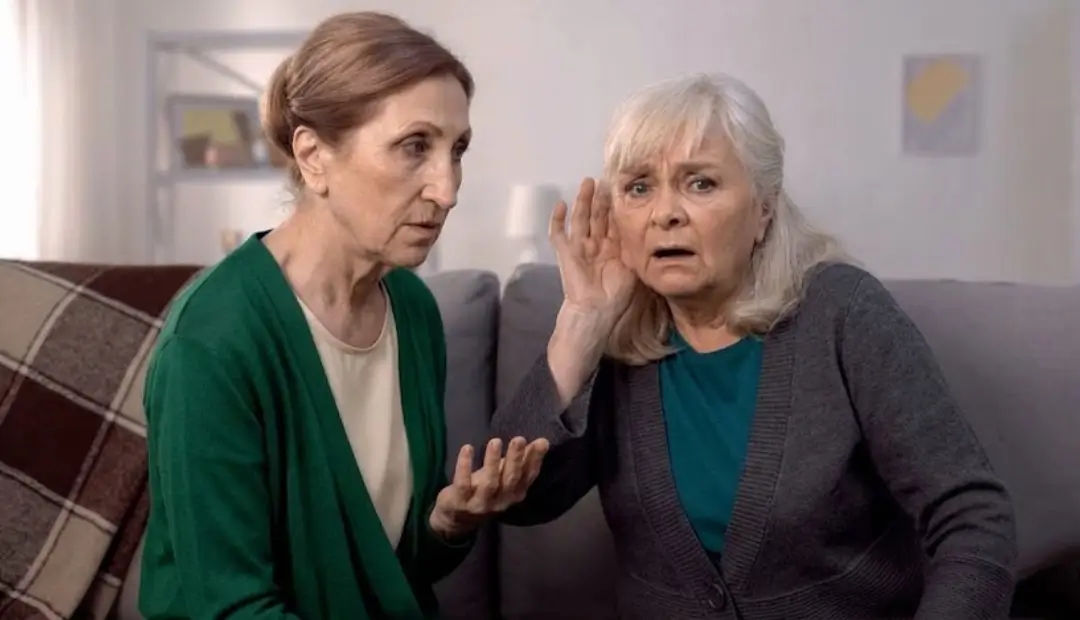
Recognizing the early signs of hearing damage can be harder than many people expect. Conversations may become difficult, familiar voices may sound unclear, and everyday sounds may gradually lose their sharpness. Because these changes often happen slowly, many adults mistake them for normal aging or temporary distractions.
You might notice the problem during family dinners or phone calls. Perhaps you ask people to repeat themselves more often than before. Over time, these small moments can affect confidence, relationships, and social activities.
Hearing changes deserve attention, especially after age 50. Some changes relate to aging, while others involve noise exposure, medications, or medical conditions. Understanding the warning signs can help you seek appropriate care before communication becomes more difficult.
Why Early Signs of Hearing Damage Often Go Unnoticed
Hearing loss does not always begin with complete difficulty hearing. Instead, certain sounds may become less clear or harder to distinguish. Your brain may compensate by relying on context, facial expressions, and familiar routines.
This compensation can hide gradual changes for months or even years. You may follow conversations successfully when one person speaks slowly. However, background noise can expose difficulties that remain unnoticed at home.
Small Changes Can Reveal More
Discover why struggling to follow familiar conversations may signal hearing changes worth understanding before they progress.
Age-related hearing loss, known medically as presbycusis, often develops gradually. It commonly affects the ability to hear higher-frequency sounds. These frequencies help distinguish consonants, making speech sound less clear even when voices remain audible.
The National Institute on Deafness and Other Communication Disorders explains how age-related hearing changes can affect communication. Recognizing these changes early allows people to discuss testing and support options. It also helps distinguish gradual hearing loss from potentially urgent conditions.
7 Early Signs of Hearing Damage You Shouldn’t Ignore
1. You Frequently Ask People to Repeat Themselves
One of the most recognizable signs of hearing damage involves repeated requests for clarification. You hear someone speaking, but certain words seem missing or unclear. As a result, you frequently say, “What?” or “Could you repeat that?”
This may happen more often when someone speaks from another room. You might also struggle when people speak softly or quickly. Although occasional misunderstandings happen to everyone, a growing pattern deserves attention.
Pay attention to whether family members notice this change. They may recognize your difficulty before you do. A hearing assessment can help determine whether reduced hearing contributes to the problem.
2. Conversations Become Difficult in Noisy Places
Restaurants, family gatherings, and crowded rooms can become surprisingly exhausting. You may hear several voices without identifying the person speaking. Background music, traffic, and other conversations make understanding even harder.
This difficulty can indicate problems with hearing sensitivity or speech clarity. Age-related hearing loss often affects higher frequencies first. Those frequencies carry important details that separate similar-sounding words.
You may find yourself choosing quieter tables or avoiding group conversations. This response can reduce frustration temporarily. However, persistent difficulty deserves professional evaluation rather than simple acceptance.
3. People Say You Keep Turning the Television Louder
Another possible sign involves gradually increasing television or radio volume. The setting may sound comfortable to you but uncomfortably loud to others. Family members might repeatedly ask you to turn it down.
This difference can happen because your hearing needs have changed. Certain speech sounds may become harder to recognize at ordinary volume. Increasing the volume may make voices louder without restoring their clarity.
Notice whether this happens with several devices and listening situations. A single television setting does not diagnose hearing loss. However, a consistent change can justify arranging a hearing test.
The Missing Details Matter
Explore why you may hear people speaking but struggle to distinguish their words, especially in noisy places.
4. High-Pitched Sounds Become Harder to Hear
Some early signs of hearing damage involve specific sounds rather than speech. You might stop noticing birds singing or electronic beeps. Children’s voices may also seem less distinct than they once did.
High-frequency hearing often changes with age and long-term noise exposure. These changes can affect consonants such as “s,” “f,” and “th.” Consequently, someone may sound as though they are mumbling.
Missing certain sounds does not automatically mean permanent hearing damage. Earwax, infections, and other conditions can also affect hearing. An examination can help identify the underlying explanation.
5. Phone Conversations Become Increasingly Frustrating
Phone calls remove visual information that normally supports understanding. You cannot easily read facial expressions or watch someone’s lips. Therefore, even mild hearing difficulties may become more noticeable.
You might misunderstand familiar voices or repeatedly request clarification. Calls from unfamiliar numbers may feel especially challenging. Poor connections can contribute, but recurring problems across different calls deserve attention.
Try noticing whether face-to-face conversations feel easier than phone conversations. This difference can provide useful information during a hearing assessment. It does not replace formal testing, but it helps describe your experience.
6. You Feel Tired After Listening or Following Conversations
Listening requires attention, especially when speech sounds unclear. You may concentrate harder to fill gaps and understand missing words. After long conversations, this effort can leave you mentally exhausted.
Some people become quieter during meetings or family gatherings. Others feel frustrated because following conversations takes more effort. This listening fatigue can affect participation, although it has several possible causes.
Hearing difficulties may contribute to social withdrawal over time. The World Health Organization describes the broader impact of hearing loss on communication and daily life. Discussing listening fatigue with a hearing professional can help clarify whether hearing changes play a role.
7. You Notice Ringing, Buzzing, or Other Sounds in Your Ears
Some people experience ringing, buzzing, hissing, or humming without an external sound. This experience is called tinnitus. It may occur alongside hearing loss, although tinnitus does not always indicate hearing damage.
Tinnitus can become more noticeable in quiet surroundings. It may interfere with concentration, relaxation, or sleep. Some people experience it temporarily, while others notice persistent or recurring sounds.
Noise exposure, age-related hearing changes, and certain medications can contribute to tinnitus. The NIDCD tinnitus resource explains common causes and available management approaches. New or persistent tinnitus deserves medical discussion, particularly when hearing also changes.
Understand the Hidden Effort
Learn why following everyday conversations can become exhausting and discover another perspective on declining hearing ability.
What Causes Hearing Ability to Decline?
Several factors can affect the ears and the pathways responsible for hearing. Age-related changes are common, but age is not the only explanation. Identifying the cause matters because some hearing problems have treatable components.
Age-Related Hearing Changes
Presbycusis usually develops gradually as people grow older. Changes can affect the inner ear, auditory nerve, or related structures. Both ears often experience similar changes, although individual patterns vary.
Family history, general health, and lifetime noise exposure may influence hearing. Conditions affecting blood vessels or metabolism can also contribute. A clinician can assess these factors alongside hearing test results.
Long-Term Exposure to Loud Noise
Repeated exposure to loud sounds can damage delicate structures inside the inner ear. Workplaces, power tools, firearms, and loud music can create harmful exposure. Risk depends on sound intensity, exposure duration, and hearing protection.
Noise-related damage may develop gradually without obvious pain. Some people notice temporary muffled hearing after loud events. Repeated exposure can increase the risk of lasting hearing changes.
The CDC’s guidance on occupational noise explains how excessive sound exposure can threaten hearing. Practical protection includes reducing volume and limiting exposure time. Properly fitted hearing protection also matters in noisy environments.
Earwax, Infections, and Other Medical Conditions
Not every hearing problem results from permanent inner-ear damage. Earwax buildup can block sound from reaching the eardrum. Middle-ear infections or fluid can also cause temporary hearing difficulties.
Other possible causes include eardrum problems and certain inner-ear disorders. Some medications can affect hearing or contribute to tinnitus. Never stop prescribed medication without discussing concerns with your healthcare professional.
A medical examination can identify problems that require specific treatment. Avoid inserting cotton swabs or objects deep inside your ears. Improper cleaning can push wax further inward or injure the ear canal.
How Hearing Loss Can Affect Everyday Life
Hearing difficulties affect more than the ability to detect sounds. They can make ordinary interactions feel stressful and unpredictable. Misunderstood conversations may gradually reduce confidence and independence.
You might stop joining group discussions because following them feels difficult. Family members may mistake missed words for inattention. These misunderstandings can create tension even when nobody intends harm.
Some people begin avoiding social events altogether. Reduced participation can affect emotional well-being and relationships. Addressing hearing concerns early may help preserve communication and social connection.
What Should You Do If You Notice Signs of Hearing Damage?
The first useful step is arranging a hearing evaluation. An audiologist or qualified hearing professional can assess your hearing ability. Testing usually identifies which frequencies you hear clearly and where difficulties occur.
Look Beyond Turning Up Volume
Discover an overlooked angle on hearing health and explore ways to better understand changes affecting everyday communication.
Your healthcare professional may also examine your ears. This can reveal wax buildup, infection, or other visible problems. Your medical history and symptoms help guide the next steps.
Understand the Available Hearing Support Options
The right approach depends on the cause and severity of hearing loss. Treatment may involve removing impacted earwax or addressing an infection. Other conditions may require medical care or specialist assessment.
For permanent hearing loss, hearing aids may improve access to everyday sounds. Modern devices offer different features and levels of adjustment. An audiologist can help identify suitable options based on individual needs.
Some people benefit from assistive listening devices or communication strategies. Captions, quieter environments, and face-to-face conversations can help. These adjustments may improve communication alongside professional hearing care.
Protect the Hearing You Still Have
Reducing exposure to loud noise is an important preventive step. Lower the volume when using headphones or personal audio devices. Take listening breaks and move away from excessively loud environments.
Use suitable ear protection around machinery, power tools, and loud events. Follow workplace hearing-safety recommendations when noise exposure is part of your job. Regular hearing checks can also help identify changes over time.
When Should You Seek Medical Attention?
Arrange a hearing assessment if conversations become increasingly difficult. Do the same when you frequently increase device volume or miss everyday sounds. Persistent tinnitus or one-sided hearing changes also deserve medical attention.
Sudden hearing loss requires urgent medical assessment. Do not assume sudden muffled hearing will resolve without treatment. Seek immediate care, especially when hearing changes develop over hours or days.
Hearing loss accompanied by severe dizziness, facial weakness, or other neurological symptoms also needs urgent evaluation. Ear pain, discharge, or fever may indicate an infection. A healthcare professional can determine the appropriate response.
Recognizing the Signs Early Can Make a Difference
Gradual hearing changes can be easy to dismiss. You may blame background noise, tiredness, or other people’s speaking habits. However, recurring communication difficulties deserve more attention.
Recognizing the signs of hearing damage gives you a reason to investigate. A hearing test can clarify what is happening and identify possible causes. Early guidance may also help you explore suitable support and protect your remaining hearing.
You do not need to wait until conversations become impossible. If familiar voices increasingly sound unclear, consider arranging an assessment. Understanding your hearing is a practical step toward staying connected with the people around you.
What If Your Hearing Is Changing More Than You Realize?
Discover an overlooked connection between declining hearing, unclear conversations, and a factor many adults rarely consider.
Learn about a different approach to understanding hearing changes, supporting auditory health, and staying connected with everyday conversations.