


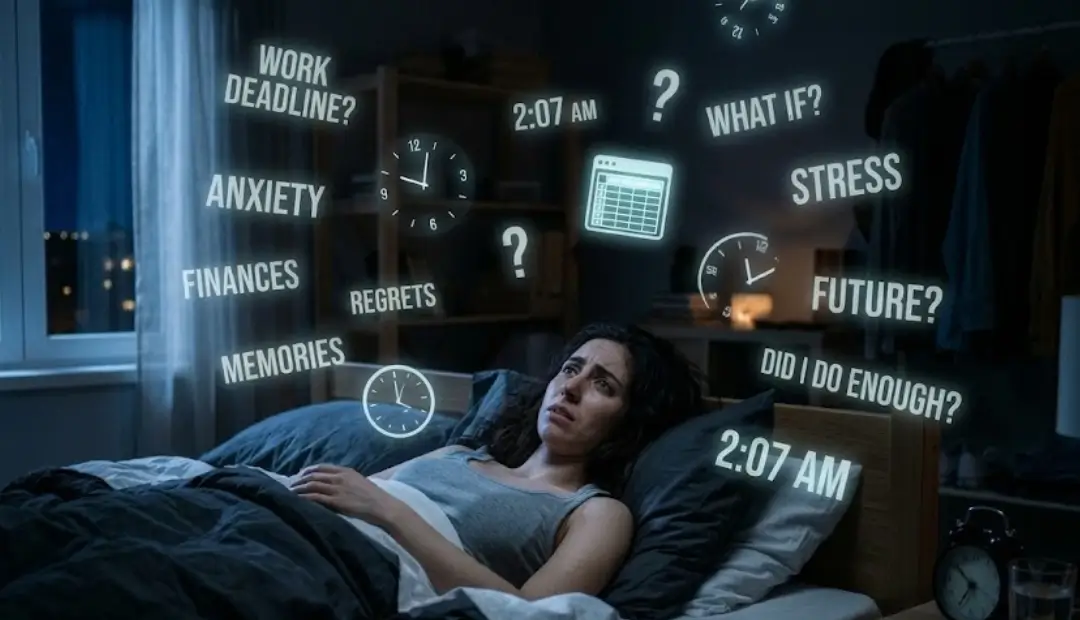
Lack of sleep from stress can leave you exhausted long before your day begins. Your body feels ready for rest, but your mind keeps reviewing worries, responsibilities, and unfinished conversations. Instead of falling asleep peacefully, you remain alert while the hours slowly disappear.
Perhaps you spend the evening looking forward to finally getting some rest. Yet, when your head touches the pillow, tomorrow’s problems suddenly feel impossible to ignore. You may replay difficult moments, anticipate uncomfortable situations, or worry about things beyond your control.
This experience can affect more than your energy the following morning. Repeated restless nights may influence your concentration, patience, emotional balance, and daily confidence. Understanding how stress affects your mind and body can help you approach bedtime differently.
Why Lack of Sleep From Stress Happens at Night
Stress is your body’s natural response to challenging or demanding situations. It involves coordinated changes that help you recognize potential threats and respond to them. However, these same responses can interfere with the transition toward sleep.
When you face pressure, your brain activates systems involved in the fight-or-flight response. Your heart rate may increase, your breathing may become faster, and your muscles may tighten. These changes prepare you to respond rather than settle into restful sleep.
Understand Your Body’s Stress Response
Discover how stress signals keep your brain alert when your body needs rest, and what may help change that pattern.
The National Center for Complementary and Integrative Health explains this physical stress response. It describes how stress affects heart rate, breathing, blood pressure, and muscle tension. Long-term stress may also contribute to sleep disorders and other health problems.
How Your Brain Responds to Stress Before Bedtime
Your brain continuously evaluates information from your surroundings and your internal experiences. During stressful periods, it may remain focused on possible problems and unresolved concerns. This increased mental activity can make it difficult to shift into a relaxed state.
For example, you might remember an uncomfortable conversation from earlier that day. Your thoughts may then move toward tomorrow’s responsibilities and everything you still need to accomplish. One concern leads to another, creating a seemingly endless chain of mental activity.
This pattern does not necessarily mean something is seriously wrong. Your brain may simply be responding to demands that remain emotionally important. However, repeated nighttime thinking can gradually turn bedtime into a stressful experience.
Why Your Body Remains Physically Alert
Stress does not happen only inside your thoughts. Your body also responds through changes in its nervous system and hormone activity. These responses can make relaxation feel difficult even when you are physically exhausted.
Adrenaline can increase alertness during an immediate stress response. Cortisol also plays a role in regulating the body’s response to stress. Their activity interacts with other processes involved in maintaining your normal sleep-wake rhythm.
This does not mean stress hormones remain unusually high throughout every sleepless night. Their patterns vary depending on the situation, individual health, and timing. Persistent stress can nevertheless make it harder to establish a comfortable bedtime routine.
The Connection Between Mental Stress and Physical Sleep Problems
Your mind and body influence each other throughout the day and night. Emotional tension can produce physical discomfort, while physical discomfort can increase worry. This interaction sometimes creates a cycle that makes sleep increasingly difficult.
You may notice tight shoulders, clenched teeth, headaches, or an uncomfortable feeling in your stomach. Some people experience a racing heartbeat or restlessness when they finally lie down. These sensations can make falling asleep feel like another demanding task.
When you become concerned about these symptoms, your attention may focus on them even more. You might repeatedly check your heartbeat or wonder why your body feels unsettled. That additional worry can increase your awareness of physical sensations.
How Stress Affects Your Natural Sleep-Wake Rhythm
Your body follows an internal timing system that helps regulate sleep and wakefulness. This system responds to environmental signals, especially light and darkness. Stress, irregular schedules, and changing routines can make healthy sleep patterns harder to maintain.
When you experience ongoing pressure, your usual bedtime habits may also change. You might work later, spend more time on screens, or consume extra caffeine. These behaviors can add further obstacles to an already difficult sleep pattern.
Stress is not the only possible explanation for disrupted sleep. Medical conditions, medications, hormonal changes, and environmental disturbances can contribute too. Understanding the full picture matters when sleep problems continue.
How Lack of Sleep From Stress Affects Your Daily Life
A difficult night can make the following morning feel unexpectedly challenging. You may wake up tired, impatient, or mentally slower than usual. Even familiar tasks can require more effort when you have not rested properly.
Concentration may become difficult during conversations, meetings, or routine responsibilities. You might forget small details or struggle to make straightforward decisions. These experiences can become frustrating when you are already managing significant daily pressure.
Explore the Mind-Body Sleep Connection
Learn why physical exhaustion doesn’t always quiet racing thoughts, and explore what helps your mind prepare for sleep.
The emotional effects can be equally difficult. You may feel less patient with family members or more sensitive to ordinary problems. Activities that normally feel manageable can suddenly seem overwhelming.
The Emotional Cycle of Stress and Poor Sleep
When sleep problems continue, frustration about bedtime may become another source of stress. You might begin worrying about whether tonight will be another restless night. That expectation can make you feel tense before you even enter your bedroom.
You may also start avoiding social activities because you feel constantly exhausted. Some people lose confidence in their ability to manage normal responsibilities. Others become discouraged because their efforts to improve sleep seem unsuccessful.
This cycle deserves attention, but it does not mean your sleep is permanently damaged. Stress-related sleep difficulties can improve when their contributing factors receive appropriate attention. The first step is recognizing the pattern without blaming yourself.
Common Reasons Stress Keeps You Awake at Night
Different people experience nighttime stress for different reasons. Your sleep difficulties may reflect one major concern or several smaller pressures. Identifying your triggers can help you choose more useful strategies.
1. Unfinished Responsibilities and Daily Pressure
Work deadlines, financial concerns, and family responsibilities can occupy your thoughts long after the day ends. During busy hours, you may have little opportunity to process these concerns. Once distractions disappear, your mind may return to everything unfinished.
You might mentally organize tomorrow’s schedule or rehearse an important conversation. Sometimes, you repeatedly imagine situations that may never happen. This mental preparation can feel productive, but it rarely solves problems during the night.
2. Anxiety and Fear About the Future
Anxiety often involves anticipating possible difficulties and imagining unwanted outcomes. You may worry about your health, relationships, employment, or family responsibilities. These concerns can become especially noticeable when your surroundings grow quiet.
Some people experience physical anxiety symptoms alongside repetitive thoughts. These may include restlessness, muscle tension, sweating, or a racing heartbeat. Persistent symptoms deserve professional attention, particularly when they interfere with everyday activities.
3. Unhealthy Evening Habits
Some evening habits can make stress-related sleep difficulties worse. Late caffeine, nicotine, alcohol, and stimulating activities may interfere with sleep. Bright screens and work messages can also keep your attention engaged.
Alcohol deserves particular attention because it can create a misleading sense of relaxation. Although it may initially make you sleepy, it can disrupt sleep later. Relying on alcohol regularly can therefore make sleep problems more complicated.
Uncover the Hidden Stress-Sleep Cycle
Explore how nighttime tension and worry can reinforce each other, making restful sleep harder to achieve.
The Centers for Disease Control and Prevention recommends consistent sleep schedules and relaxing bedroom environments. It also advises limiting evening caffeine and turning off electronic devices before bedtime. These habits can support healthier sleep patterns.
How to Help Your Mind and Body Relax Before Sleep
Improving sleep during stressful periods usually requires patience and consistency. You do not need to change every habit at once. Start with manageable adjustments that reduce stimulation and create a calmer evening.
1. Give Your Worries a Place Outside the Bedroom
Choose a time earlier in the evening to write down your concerns. Separate problems you can address tomorrow from situations outside your control. This exercise may help organize thoughts that repeatedly interrupt your relaxation.
For practical concerns, write one small action you can take the next day. You might prepare a document, schedule an appointment, or make a reminder. This gives your mind a plan without requiring immediate solutions.
Once you finish, allow yourself to stop working on those problems for the night. When a familiar thought returns, remind yourself that you have already recorded it. You can revisit your notes when you are better rested.
2. Establish a Predictable Evening Routine
A consistent routine can help your body recognize when the day is ending. Choose quiet activities that feel comfortable and repeatable. Reading, gentle stretching, or listening to calming music may help you unwind.
Try to keep your bedtime and wake-up time reasonably consistent. Reduce work-related activities and emotionally demanding conversations before bed. Avoid turning your evening routine into another demanding checklist.
The National Heart, Lung, and Blood Institute recommends habits that support relaxation before bedtime. These include consistent schedules and reducing substances that interfere with sleep. Your healthcare professional can help adapt recommendations to your circumstances.
3. Use Breathing and Muscle Relaxation
Slow, comfortable breathing can give your attention a simple focus. Breathe naturally and allow your exhalation to become gentle and unhurried. Avoid forcing deep breaths or creating discomfort while practicing.
Progressive muscle relaxation offers another practical approach. Briefly tense a comfortable muscle group, then release it and notice the difference. Gradually move through your shoulders, hands, legs, and other areas.
These methods may help reduce physical tension for some people. However, relaxation exercises alone are not established cures for chronic insomnia. Choose another calming activity if inward attention makes your anxiety worse.
4. Stop Forcing Yourself to Fall Asleep
Trying harder to sleep can sometimes increase frustration and mental pressure. You may begin calculating the hours remaining before your alarm. That attention keeps bedtime connected with worry rather than rest.
If you remain awake and increasingly frustrated, leave your bed briefly. Sit somewhere comfortable and choose a quiet activity under dim lighting. Return when you begin feeling sleepy again.
Discover a Calmer Path to Sleep
Watch to learn how stress affects nighttime recovery and explore practical ways to support a more relaxing bedtime.
This approach is part of stimulus control, a technique used in insomnia treatment. It helps strengthen the association between your bed and sleep. A trained professional can explain how to use it appropriately.
5. Support Better Sleep During the Day
Your daytime routine can influence how easily you settle at night. Try to get natural daylight, especially earlier in the day. Regular physical activity may also support sleep and emotional well-being.
Limit caffeine later in the day and avoid using alcohol as a sleep aid. Keep your bedroom quiet, dark, and comfortably cool. These practical changes can support other strategies for managing stress.
Remember that healthy habits may not resolve every sleep problem. Persistent anxiety, chronic pain, breathing problems, and other conditions may require treatment. Do not assume lifestyle changes can replace an appropriate medical assessment.
When Lack of Sleep From Stress Needs Medical Attention
Occasional sleepless nights can happen during demanding periods. However, recurring sleep difficulties deserve attention when they begin affecting your health or daily life. You should not feel that exhaustion is something you must simply tolerate.
Speak with a healthcare professional if sleep problems persist or repeatedly return. Seek advice sooner when anxiety, low mood, or daytime fatigue becomes difficult to manage. Your symptoms and medical history can help guide the assessment.
Also discuss loud snoring, gasping, or pauses in breathing during sleep. Persistent pain, uncomfortable leg sensations, and frequent nighttime urination deserve evaluation too. These symptoms may indicate conditions that need specific treatment.
Could Cognitive Behavioral Therapy for Insomnia Help?
Cognitive behavioral therapy for insomnia, known as CBT-I, is an established treatment. It addresses thoughts and behaviors that contribute to persistent sleep difficulties. Treatment may include cognitive strategies, stimulus control, and sleep scheduling.
CBT-I can also help reduce anxiety surrounding bedtime and sleeplessness. It usually involves a structured plan adapted to individual needs. A trained healthcare professional can determine whether this approach is appropriate.
The NCCIH overview of sleep approaches identifies CBT-I as a strongly recommended insomnia treatment. It also explains that relaxation techniques may form part of treatment. Relaxation alone has less convincing evidence for chronic insomnia.
A simple sleep diary may also help during your assessment. Record bedtime, wake time, awakenings, caffeine use, and daytime tiredness. These details can help your healthcare professional identify useful patterns.
Understanding the Link Between Stress and Restful Sleep
Lack of sleep from stress is not simply a problem of having too many thoughts. It involves interactions between emotional pressure, physical alertness, daily habits, and sleep regulation. Recognizing these connections can make the problem feel less confusing.
Your goal should not be to eliminate every worry before bedtime. Instead, work toward reducing unnecessary stimulation and creating predictable opportunities for rest. Small, consistent changes may gradually make evenings feel more manageable.
If sleep difficulties continue, professional support can help identify what keeps the cycle going. You deserve more than another night spent worrying about tomorrow. Understanding your mind and body’s response to stress is a meaningful first step toward better sleep.
What Happens When Stress Follows You to Bed?
Discover the surprising connection between your body’s stress response, racing thoughts, and the struggle to fall asleep.
Explore how nighttime stress affects your mind and body, and learn about overlooked ways to support deeper, more restful sleep.