


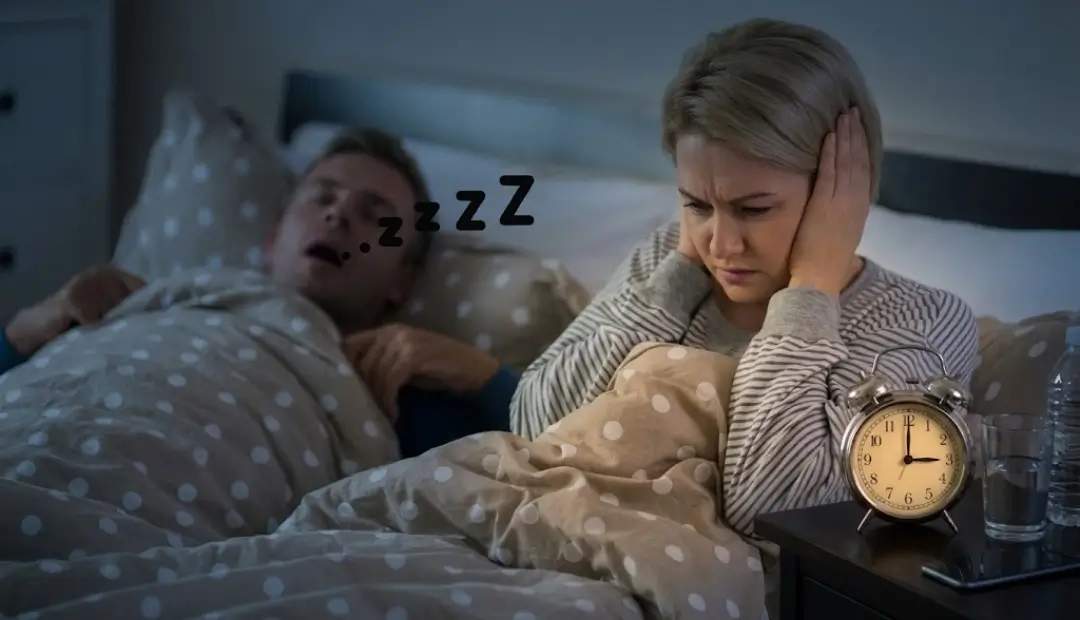
Loud snoring can turn an ordinary night into a frustrating experience for you and anyone sharing your bedroom. You may sleep for eight hours yet wake feeling exhausted, irritable, or mentally foggy. Sometimes, loud snoring also signals a nighttime breathing problem that deserves medical attention.
Perhaps your partner notices long pauses between your snores. Maybe you suddenly wake up gasping, choking, or struggling to breathe. These experiences can feel unsettling, especially when you cannot remember what happened during sleep.
Snoring does not always indicate a serious condition. However, persistent, disruptive snoring deserves attention when other symptoms appear. Understanding its possible causes can help you choose the right next step.
What Causes Loud Snoring During Sleep?
Snoring happens when air moves through a narrowed airway during sleep. Relaxed tissues in your throat, mouth, or nose may vibrate as air passes. Those vibrations create the familiar sound that can range from gentle to extremely loud.
Recognize Hidden Breathing Warning Signs
Learn why gasping, choking, and interrupted breathing may reveal more than ordinary nighttime snoring.
During sleep, the muscles supporting your upper airway naturally relax. In some people, this relaxation makes the airway narrower than usual. Air then moves through the smaller opening, creating stronger tissue vibrations.
Several factors can make this narrowing more likely. Some involve sleeping habits, while others relate to anatomy or underlying health conditions. Identifying the likely cause is important because different causes need different approaches.
Common Factors That Can Make Snoring Worse
Sleeping on your back: This position allows your tongue and soft tissues to move backward. That movement can narrow the airway and increase vibrations. Side sleeping may reduce snoring for some people.
Excess weight: Extra tissue around the neck and throat can contribute to airway narrowing. This does not mean every person who snores has excess weight. People at different body sizes can experience snoring and sleep apnea.
Alcohol and sedatives: Alcohol can relax throat muscles and make snoring more likely. Certain sedating medicines may also affect muscle tone during sleep. Discuss medication concerns with your healthcare professional rather than stopping prescribed treatment yourself.
Nasal congestion: Allergies, colds, and structural nasal problems can restrict airflow. A blocked nose may encourage mouth breathing during sleep. This can contribute to noisy breathing and worsen existing snoring.
Sleep deprivation: Insufficient sleep can increase muscle relaxation during subsequent sleep. That may make snoring more noticeable in some people. Maintaining a regular sleep schedule supports healthier sleep habits.
When Loud Snoring May Signal Sleep Apnea
One important cause of loud snoring is obstructive sleep apnea, often called OSA. This condition occurs when the upper airway repeatedly becomes blocked during sleep. Breathing may stop briefly or become unusually shallow before restarting.
The brain may briefly interrupt sleep to restore normal breathing. These repeated disruptions can prevent the body from getting consistently restful sleep. Some people experience oxygen level changes during these episodes.
Not everyone who snores has obstructive sleep apnea. Equally, some people with sleep apnea do not produce obvious snoring sounds. The combination of symptoms matters more than snoring alone.
The National Heart, Lung, and Blood Institute lists frequent loud snoring, breathing pauses, and gasping among possible symptoms. It also describes daytime tiredness, headaches, and concentration difficulties. These signs deserve discussion with a healthcare professional.
Recognize Hidden Breathing Warning Signs
Learn why gasping, choking, and interrupted breathing may reveal more than ordinary nighttime snoring.
Warning Signs You Should Not Ignore
Some nighttime symptoms may suggest that breathing becomes disrupted during sleep. A bed partner may notice them before you do. Pay attention if you experience any of the following:
- Repeated pauses in breathing noticed by another person.
- Gasping, choking, or snorting sounds during sleep.
- Frequent awakenings without an obvious explanation.
- Waking with a dry mouth or morning headache.
- Feeling unusually sleepy despite spending enough time in bed.
- Difficulty concentrating, remembering details, or staying alert during the day.
These symptoms do not confirm sleep apnea by themselves. However, they make a medical assessment especially important. Avoid dismissing repeated choking or witnessed breathing pauses as ordinary snoring.
How Loud Snoring Can Affect Your Daily Life
The effects of loud snoring often extend beyond the bedroom. Repeated sleep disruptions can leave you feeling tired before the day even begins. Simple tasks may require more effort when your sleep feels unrefreshing.
You might struggle to concentrate during work or conversations. Some people also notice irritability, low motivation, or changes in mood. These difficulties can affect relationships and confidence over time.
Snoring can also place pressure on a relationship. One partner may lose sleep while the other feels embarrassed or blamed. Separate sleeping arrangements may seem like the only practical solution.
However, the sound itself is not always the central problem. When sleep apnea causes repeated breathing interruptions, the underlying condition needs attention. Treating the actual cause can matter more than simply making the bedroom quieter.
How Doctors Identify the Cause of Loud Snoring
A healthcare professional usually begins by reviewing your symptoms and medical history. They may ask when snoring started and how often it happens. Information from someone who observes your sleep can also be valuable.
Your clinician may examine your nose, mouth, throat, and neck. They may look for congestion, enlarged tissues, or features that narrow the airway. Your symptoms and examination help determine whether further testing is necessary.
If obstructive sleep apnea is suspected, your doctor may recommend a sleep study. This test measures breathing patterns and other body signals during sleep. Depending on your circumstances, testing may happen in a sleep laboratory or at home.
The NHLBI sleep apnea guide explains how clinicians evaluate this condition. A sleep study helps identify breathing interruptions and assess their frequency. Your clinician uses the results to guide treatment decisions.
A recording from a phone app may help document snoring sounds. However, recordings cannot reliably diagnose or rule out sleep apnea. Do not use an app as a substitute for medical testing when symptoms suggest a breathing disorder.
What May Help Reduce Loud Snoring?
The most useful approach depends on what causes your snoring. Simple changes may help when sleeping position or nasal congestion contributes. Persistent snoring with breathing symptoms requires a more thorough assessment.
1. Try Sleeping on Your Side
Back sleeping can allow the tongue and soft tissues to move toward the throat. This may narrow the airway and increase vibrations. Sleeping on your side may reduce positional snoring.
Some people use specially designed pillows to support side sleeping. Others find positional devices helpful when they repeatedly roll onto their backs. Choose a comfortable approach that does not restrict normal movement or breathing.
Explore the Snoring-Sleep Connection
Find out how repeated nighttime breathing disruptions may affect sleep quality, morning energy, and daytime concentration.
2. Address Nasal Congestion
Allergies and nasal inflammation can make breathing through your nose difficult. Identifying and managing the underlying problem may improve airflow. A clinician can recommend suitable treatment based on your symptoms.
Nasal saline products may help some people manage congestion. Nasal strips may also improve airflow through the nostrils in selected cases. However, these products do not treat obstructive sleep apnea.
3. Review Alcohol and Medication Use
Alcohol close to bedtime may worsen throat muscle relaxation. Reducing evening alcohol intake may help some people experience less snoring. Avoid combining alcohol with sedating medicines unless your doctor specifically approves it.
Some prescription medicines can influence sleep or breathing. Never stop or change a prescribed medicine without professional advice. Ask your clinician whether your medication could contribute to nighttime symptoms.
4. Consider Weight Management When Appropriate
For some people, excess tissue around the neck contributes to airway narrowing. Gradual weight management may reduce snoring and improve sleep apnea symptoms. The potential benefit varies between individuals and depends on the underlying cause.
Weight is only one factor among several. Jaw structure, nasal anatomy, age, and muscle tone can also influence breathing during sleep. Avoid assuming weight loss alone will resolve persistent loud snoring.
5. Maintain Healthy Sleep Habits
Try to follow a consistent sleep and wake schedule. Give yourself enough time to sleep and avoid repeated sleep deprivation. A comfortable sleeping environment may also support more restful nights.
These habits can improve sleep quality, but they cannot correct every airway problem. If snoring continues despite reasonable changes, seek medical advice. Persistent symptoms deserve assessment rather than endless experimentation with home remedies.
Medical Treatments for Snoring and Sleep Apnea
When a medical condition causes snoring, treatment should address that condition. Your doctor may recommend different options depending on examination findings and sleep study results. No single treatment works for everyone.
CPAP Therapy for Obstructive Sleep Apnea
Continuous positive airway pressure, commonly called CPAP, is a standard treatment for many people with obstructive sleep apnea. The device delivers pressurized air through a mask during sleep. This airflow helps keep the upper airway open.
Some people need time to adjust to the mask and equipment. Proper fitting and follow-up support can improve comfort and consistent use. Your sleep specialist can help address problems with pressure, dryness, or mask fit.
Oral Appliances
Some patients may benefit from a custom oral appliance. These devices usually reposition the lower jaw to help keep the airway open. A qualified dental professional should assess and fit the appliance.
Discover What May Reduce Snoring
Explore the factors behind loud snoring and learn which approaches may support better breathing and more restful sleep.
Oral appliances may help selected people with snoring or obstructive sleep apnea. They are not suitable for every patient or every level of disease. Follow-up testing may help determine whether the device works effectively.
Other Medical Options
Treatment may also involve managing nasal obstruction or other contributing conditions. In selected cases, a specialist may discuss surgery. The appropriate procedure depends on the location and nature of the airway problem.
Surgery is not a guaranteed solution for snoring. Snoring may continue or return after an operation. Discuss potential benefits, limitations, and risks before making a decision.
The Mayo Clinic treatment overview describes lifestyle measures, oral appliances, and other treatment options. It emphasizes choosing treatment according to the cause. A medical assessment can help avoid unsuitable devices or unnecessary procedures.
When Should You See a Doctor About Loud Snoring?
Consider arranging an appointment when loud snoring happens frequently or disrupts your household. Medical advice is particularly important when someone notices breathing pauses. The same applies if you wake up gasping or choking.
Do not ignore persistent daytime sleepiness or morning headaches. These symptoms may have several causes, including sleep apnea. A clinician can help determine whether sleep testing is appropriate.
Seek prompt medical advice if sleepiness affects your ability to drive or operate machinery. Avoid driving when you feel dangerously drowsy. Your safety and the safety of others come first.
Before your appointment, write down your main symptoms and when they occur. Ask your partner to describe any observed pauses, gasping, or unusual breathing. Bring a list of medicines and supplements you use.
You can also ask about the need for a sleep study. Discuss treatment options and how success will be monitored. Clear information helps you take part in decisions about your care.
Do Not Treat Loud Snoring as Just a Noise
Loud snoring can result from relatively simple factors, such as sleeping position or nasal congestion. In other cases, it may accompany obstructive sleep apnea. The difference matters because untreated breathing problems can affect health and daily functioning.
Pay attention to patterns, especially gasping, choking, and witnessed pauses in breathing. Practical lifestyle changes may help, but they cannot replace diagnosis when warning signs appear. A conversation with a healthcare professional can help identify the right path toward safer, more restful sleep.
What Is Your Loud Snoring Trying to Tell You?
Discover the surprising connection between nighttime snoring, restricted airflow, and the breathing interruptions you may never notice.
Learn what may be happening while you sleep and explore overlooked ways to support quieter, more restful nights.