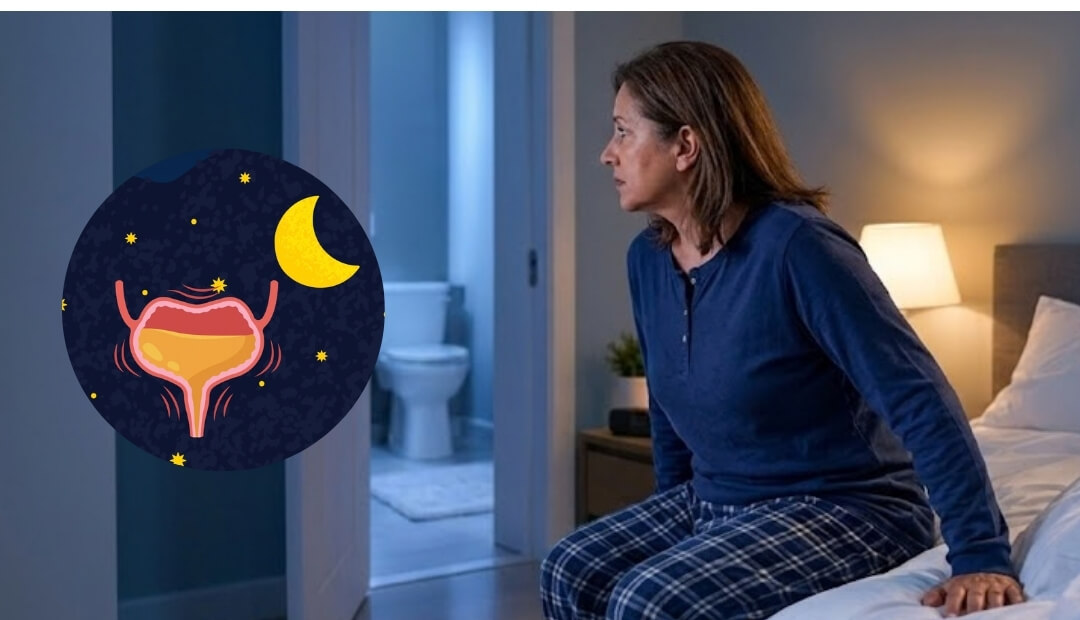
Do you find yourself searching for a bathroom before leaving home, during errands, or several times each night? A weak bladder in males can describe frequent urination, sudden urgency, urine leakage, or difficulty emptying the bladder. These symptoms can disrupt everyday routines, but understanding their possible causes is the first step toward getting appropriate help.
For some men, the problem involves an overactive bladder, an enlarged prostate, or another urinary condition. The symptoms may feel similar, even when the underlying causes differ. Knowing what to look for can help you discuss your concerns with a healthcare professional and explore suitable options.
What Does a Weak Bladder in Males Actually Mean?
Weak bladder in males is a common description rather than a specific medical diagnosis. It may refer to difficulty holding urine, frequent bathroom visits, a sudden need to urinate, or an incomplete feeling after using the toilet. Some men experience several of these symptoms together, while others notice only one.
Frequent Urination May Reveal More
Discover why repeated bathroom visits may involve prostate changes and which symptoms deserve closer attention.
Bladder control depends on coordinated signals between the brain, nerves, bladder muscles, and urinary sphincters. The bladder stores urine until the body signals that it is time to empty. Problems can develop when these muscles or nerves do not work together properly, or when another condition interferes with urine flow.
It is also important to distinguish urgency from leakage. Urinary urgency means feeling a sudden, compelling need to urinate, while urinary incontinence means urine escapes unintentionally. A man can experience urgency without leakage, so these symptoms do not always occur together.
Frequent Urination in Men: Signs That Deserve Attention
Frequent urination in men can become frustrating when it interrupts work, travel, exercise, or social activities. You might visit the bathroom repeatedly despite drinking your usual amount of fluid. You may also feel the need to urinate again shortly after finishing.
Other symptoms can provide important clues about what is happening. These include a weak urine stream, difficulty starting, dribbling, or waking repeatedly during the night. Some men also notice that they need to strain or wait before urine begins flowing.
A constant urge to urinate can have several explanations. Sometimes, the bladder becomes unusually sensitive or contracts before it is full. In other cases, the bladder cannot empty properly, leaving urine behind and creating the sensation that another bathroom visit is necessary.
Why Do I Pee So Often Even When I Drink Less?
If you regularly wonder, “why do I pee so often?”, consider more than your fluid intake. Caffeine, alcohol, certain medications, urinary infections, diabetes, and bladder conditions can all contribute to increased urination. Reducing fluids excessively may cause dehydration without addressing the underlying problem.
Keeping a simple bladder diary can help identify patterns. Record when you drink, what you drink, how often you urinate, and whether urgency or leakage occurs. Include nighttime bathroom visits and any discomfort, because these details can help your clinician evaluate the symptoms.
Could an Enlarged Prostate Explain Your Symptoms?
The prostate is a gland located beneath the bladder that surrounds part of the urethra, the tube carrying urine out of the body. As some men age, the prostate enlarges through a noncancerous process called benign prostatic hyperplasia, or BPH. When the enlarged tissue narrows the urethra, urine may have difficulty passing through.
This narrowing can make the bladder work harder to empty. Over time, some men develop storage symptoms, emptying difficulties, or both. The National Institute of Diabetes and Digestive and Kidney Diseases explains these mechanisms in its guide to enlarged prostate and BPH.
Common BPH Symptoms and Enlarged Prostate Symptoms
BPH symptoms can include a weak or interrupted urine stream, difficulty starting urination, and dribbling at the end. Men may also experience urinary urgency, frequent urination, or repeated nighttime bathroom visits. Feeling that the bladder has not emptied completely is another common complaint.
However, symptoms alone cannot confirm an enlarged prostate. Other conditions can produce similar changes, and prostate size does not always predict symptom severity. A relatively small enlargement may cause significant obstruction, while a larger prostate may cause few noticeable problems.
These distinctions matter because frequent urination does not automatically mean that BPH is responsible. A clinician may need to investigate bladder function, infection, medication effects, diabetes, or other urinary conditions. Proper assessment helps identify the cause rather than treating an assumption.
Overactive Bladder in Men: When Urgency Takes Over
Overactive bladder in men describes a group of symptoms centered on urgency, often accompanied by frequent urination and waking at night. Some men also experience urge incontinence, which happens when urine leaks before they reach a toilet. The condition can occur with or without an enlarged prostate.
In an overactive bladder, the bladder muscle may contract at inappropriate times, creating an urgent sensation before the bladder is full. Other medical conditions can also produce urgency, so a healthcare professional should assess persistent or disruptive symptoms. The NIDDK guide to bladder control problems explains several possible causes and warning signs.
Recognize These Prostate Warning Signs
Learn how changes in urine flow and bladder habits may point to an underlying prostate issue.
Consider a man who avoids long meetings because he worries about finding a bathroom quickly. His symptoms may involve an overactive bladder, incomplete emptying, or another condition. A medical assessment can help distinguish these possibilities and guide the next steps.
The Emotional Impact of Living With Bladder Problems
Urinary symptoms affect more than physical comfort. Constantly planning bathroom stops can make travel, shopping, exercise, and social gatherings feel stressful. Some men begin declining invitations or sitting near exits because they fear sudden urgency.
Nighttime urination can also interrupt sleep and leave a person tired the following day. Repeated sleep disruption may affect concentration, patience, and daily productivity. Worry about leakage or an unpleasant smell can further undermine confidence and intimacy.
These concerns are legitimate reasons to seek help, even without severe pain. Men sometimes delay appointments because they feel embarrassed or assume the symptoms are an unavoidable part of aging. In reality, urinary changes deserve assessment, and several treatment options may improve symptoms or quality of life.
What May Help Improve Bladder Control?
The right approach depends on the cause, symptom severity, medical history, and the medicines you already take. Some men benefit from practical habit changes, while others need prescription treatment or a procedure. No single strategy works for every cause of weak bladder in males.
1. Adjust Fluid Intake Without Becoming Dehydrated
Notice whether caffeine, alcohol, or large drinks close to bedtime worsen your symptoms. You may benefit from reducing these triggers and spreading fluid intake more evenly throughout the day. Avoid severe fluid restriction, especially during hot weather or physical activity.
If nighttime urination is a major concern, discuss your evening drinking habits and medication schedule with your clinician. Some medicines increase urine production, while others can worsen urinary difficulties. Never stop or change prescribed medication without professional advice.
2. Consider Bladder Training and Pelvic Floor Support
Bladder training can help some people gradually improve their ability to manage urgency. A clinician may recommend scheduled bathroom visits, gradual adjustments to urination intervals, and techniques for responding calmly to sudden urges. The plan should match your symptoms and medical circumstances.
Pelvic floor exercises may help certain men, particularly those who experience urine leakage. Correct technique matters, and a trained pelvic floor therapist can provide guidance when needed. These exercises do not treat every cause of urgency or urinary obstruction.
Discover More About Prostate Health
Watch to explore the prostate connection behind urinary changes and learn what to discuss with your healthcare professional.
The NIDDK overview of bladder control treatments describes behavioral approaches, pelvic floor exercises, and medical options. These methods can support symptom management, but persistent symptoms still warrant evaluation.
3. Explore Medical Treatment for BPH or Overactive Bladder
When BPH causes troublesome symptoms, clinicians may recommend monitoring, medication, or a procedure. Alpha blockers relax muscles around the prostate and bladder neck, which can improve urine flow. Other medicines may reduce prostate growth over time, depending on the treatment plan.
Men with overactive bladder may benefit from medicines that help relax the bladder or reduce inappropriate contractions. However, treatment choices require care when a man also has difficulty emptying his bladder. A clinician should consider possible urinary retention and other risks before selecting medication.
Some men with persistent BPH symptoms may benefit from minimally invasive procedures or surgery. The decision depends on symptom burden, complications, prostate anatomy, overall health, and personal preferences. A healthcare professional can explain expected benefits, possible side effects, and alternatives.
How Doctors Investigate Weak Bladder Symptoms
An appointment usually begins with questions about symptom patterns, fluid intake, medications, medical history, and how the problem affects daily life. Your clinician may perform a physical examination and recommend a urine test to check for infection or blood. Depending on your symptoms, additional tests may help assess urine flow or the amount left in the bladder after urination.
Some men may need blood tests or further prostate evaluation. A prostate-specific antigen test, often called a PSA test, may be appropriate in selected circumstances after discussing its benefits and limitations. Not every man needs every test, and the evaluation should reflect his individual symptoms and risk factors.
Understand What May Be Causing Urgency
Explore why similar urinary symptoms can have different causes and what may help you understand the difference.
Before your appointment, write down when the problem started and whether it has changed. Note any weak stream, pain, leakage, fever, excessive thirst, or nighttime waking. This information can help your clinician choose suitable investigations and avoid overlooking important details.
When Should You Seek Medical Attention?
Arrange a medical appointment if frequent urination persists, disrupts sleep, affects daily activities, or occurs alongside difficulty emptying your bladder. New urinary symptoms deserve attention even when they seem mild. Blood in the urine, painful urination, or recurrent symptoms also require prompt assessment.
Seek urgent medical care if you cannot urinate at all, especially when your lower abdomen becomes painful or swollen. Fever or chills accompanied by urinary urgency or pain also require urgent assessment. These symptoms can indicate conditions that need immediate treatment.
For additional guidance, see the Mayo Clinic advice on when frequent urination needs medical attention. Do not assume that severe or rapidly worsening symptoms are simply part of getting older.
What to Remember About Weak Bladder in Males
A weak bladder in males can involve urgency, frequent urination, leakage, or difficulty emptying the bladder. An enlarged prostate is one possible explanation, but overactive bladder, infection, diabetes, medication effects, and other conditions can cause similar symptoms. The pattern of symptoms offers clues, but a proper assessment is needed to identify the cause.
Start by tracking your symptoms, reviewing possible triggers, and arranging medical advice when the problem persists. Avoid restricting fluids excessively or trying treatments without understanding their risks. The goal is not simply to visit the bathroom less often, but to identify what is driving the problem and choose an appropriate response.
Want to Explore the Prostate Connection Further?
If you are wondering how prostate changes may affect urinary habits, the next video offers another opportunity to explore the subject. Watch it as additional information, and discuss any persistent symptoms or treatment questions with a qualified healthcare professional. Continue to the next video…
Could Your Prostate Be Behind Frequent Urination?
Discover how prostate changes may affect bladder control and which overlooked symptoms could reveal what’s happening.
Explore the connection between prostate health and urinary habits, and learn what questions may be worth discussing with your doctor.
This article is for educational purposes only and does not replace individualized medical advice, diagnosis, or treatment.