If your socks leave lines on your ankles and your rings are tight in the evening, then you are likely to begin noticing water retention symptoms. You might also notice your face looks puffy in the mirror and your trousers are digging into your waist. As good news, there are patterns to each sign.
This article will show you the most common signs of water retention by different areas of the body. We’ll also show you what typical signs of normal water retention are, and which ones should cause you to seek medical advice.
There is also a simple test you can do at home, and what you can do to help. This article will give you information, not a diagnosis.
Why Water Retention Symptoms Can be Misleading
You often won’t get any obvious signs of water retention. You might just notice that your clothes feel tight, you feel heavy or that your face looks ‘off’. Many women will feel like they are gaining weight and make dietary changes.
This can cause extra stress and feelings of guilt. On days where you’re suffering from water retention you may not want to look in the mirror, wear your favourite clothes or even cancel plans. Although you might feel like this is personal to you it is actually just a normal chemical reaction in your body.
Fluid build up in the tissues is called edema. It is common to have mild edema however knowing what to look out for will help you know when it is a temporary pattern. The MedlinePlus medical guide explains that edema occurs when excess fluid collects in the body’s tissues.
Common Water Retention Symptoms
On Your Face and Eyes
Puffiness is often the first thing noticed. You might have puffiness around your eyes and cheekbones. It might look worse after waking up as there is a shift in fluid while lying down. Many women will notice their faces are rounder after eating a salty meal.
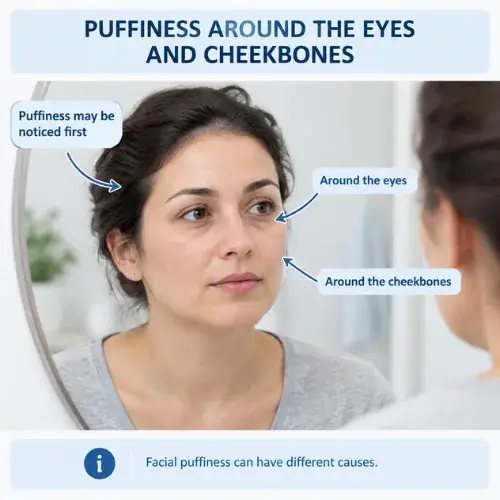
Mild puffiness that goes down during the day is likely to be normal water retention. However if it is persistent, sudden or accompanied with a rash it will not be. If you have sudden puffiness in your lips or tongue and trouble breathing this is an emergency.
What Could Be Behind Your Water Retention?
Discover another perspective on fluid buildup and explore factors that may affect how your body manages excess fluid.
On Your Hands and Fingers
Your fingers might look sausage shaped and rings tight. You may feel stiffness when making a fist. This is often worst after hot salty days.
Numbness or tingling means there could be something else going on, such as nerve pressure in your wrist. If you have joint pain or redness it could be arthritis. Be sure to mention anything extra to your doctor.
In Your Legs, Ankles and Feet
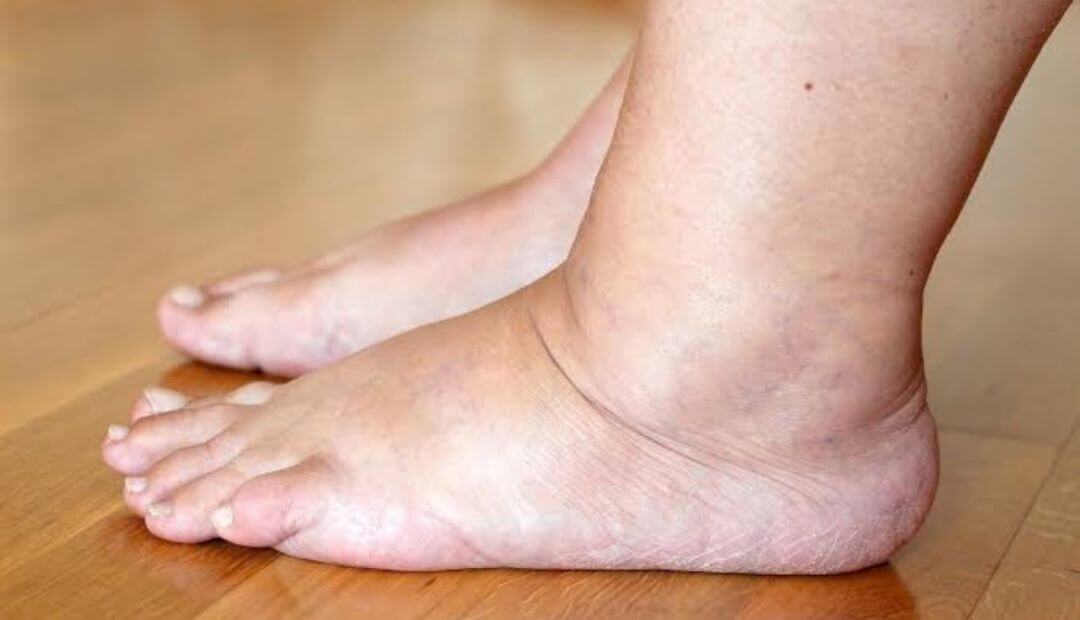
Fluid will pool in your legs and feet due to gravity. Common signs include lines from your socks, tight shoes in the evening and feeling heavy and sore in your calves. Your ankles may also lose their shape.
Doctors will often check for pitting edema. To do this gently press your thumb into your shin or top of your foot for a couple of seconds. If there is a dimple left it is likely there is fluid build up.
If you have swelling in one leg, especially if it is painful, warm or red this needs urgent medical advice. It could indicate a blood clot. The Centers for Disease Control and Prevention lists swelling, pain, warmth and redness among the possible signs of deep vein thrombosis. If both legs are swollen and getting worse over a few days this should also be considered. Don’t massage one leg if it is swollen.
In Your Abdomen
Many women will notice their stomach feels tight and bloated, and their waistband digs in. Their clothes may not fit the same. Often your stomach will feel tight and stretched. Hormonal changes, salty foods and digestion can all be a factor.
If your stomach is consistently swollen or getting worse you should take a closer look. Fluid build up in the abdomen is known as ascites by doctors. This can be linked to problems with your liver, heart or kidneys. The Cleveland Clinic explains that ascites can cause abdominal swelling and may also be associated with rapid weight gain. If your stomach is growing quickly, you are short of breath or have yellow skin/eyes seek prompt medical advice.
Overall Water Retention
Fluid can cause you to gain and lose a pound or two in weight throughout the day. You may feel stiff, bloated or heavy. Your body can feel like it has changed overnight. Your skin might look stretched and glossy over swollen areas.
Overall signs often come and go depending on your cycle, food and day. If you are consistently gaining weight over a few days this is more important. If your symptoms are consistently getting worse seek medical advice.
How Water Retention Change Throughout the Day
One of the best indicators of what is going on in your body is timing. Many people will notice puffiness in their face and hands in the mornings. This is due to lying down and fluid shifting. In the afternoon and evenings gravity will cause swelling in your ankles, feet and calves.
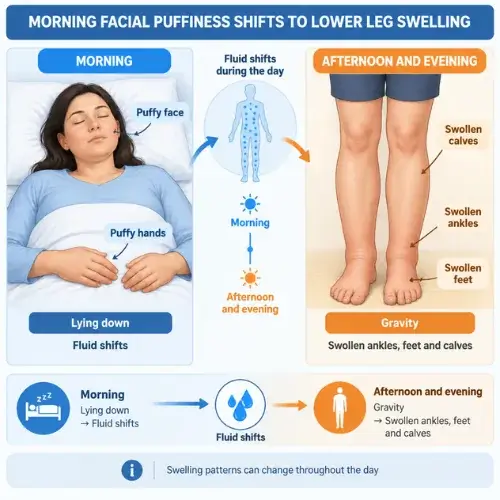
Symptoms following this pattern will often be due to normal water retention. However if the swelling isn’t settling after a good nights sleep mention it to your doctor as it will be different. If you are consistently puffy in the mornings mention it to your doctor.
Throughout the week you might notice a pattern. Salt over the weekend, long flights or hot days can leave you with a mark for a few days. Knowing this will help you not blame yourself.
Water Retention Before or Throughout Your Period
Many women will notice water retention before their period starts. This is often in the week leading up to your bleed. Common signs include a puffy stomach, tender breasts, swollen fingers and tight rings/shoes. You may also feel moody and tired.
This is often due to hormonal changes affecting how your body deals with salt and water. Often symptoms will improve within a few days of your bleed starting. It can be helpful to track your symptoms on a calendar for 2-3 cycles to see if there is a pattern. The American College of Obstetricians and Gynecologists also recommends tracking symptoms over several cycles to help identify a premenstrual pattern.
If you are experiencing severe swelling, severe mood changes or pain that is affecting your life have a chat to your doctor. PMS symptoms are very real. Many women can manage them well.
Who Is Most Likely to Notice Water Retention Symptoms
Water retention can affect almost everyone however some people are more likely to notice symptoms. Women often notice symptoms around their period, pregnancy and menopause. This is due to hormonal changes affecting how your body deals with salt and water.
People who sit/stand for long periods of time, travel frequently or eat lots of processed foods often experience more swelling. Certain medications can increase your risk. Heart, kidney, liver and thyroid problems can also increase your risk. This doesn’t mean there is anything wrong but your body may be more likely to experience fluid shifts. The NHS guidance on oedema describes several of these everyday triggers and underlying medical causes.
What Helps Your Body Manage Fluid?
Everyday habits matter, but there is more to fluid movement than salt and hydration. Explore this additional perspective in the next article.
As we age our veins and skin lose some of their elasticity. Older adults may notice more swelling in their ankles towards the end of the day. If you notice a new or worsening pattern at any age have a chat to your doctor.
Simple Home Test for Water Retention Symptoms
Take a few minutes to do a simple test. Try to do this at the same time each day. Ideally in the evening as fluid will pool throughout the day.
- Look at your ankles and feet for lines from your socks.
- Gently press into your shin for a couple of seconds and look for a dimple.
- Are your rings, shoes or waistband tight?
- Does the puffiness settle after a good nights sleep?
- Do you feel short of breath, chest discomfort or pain in one leg?
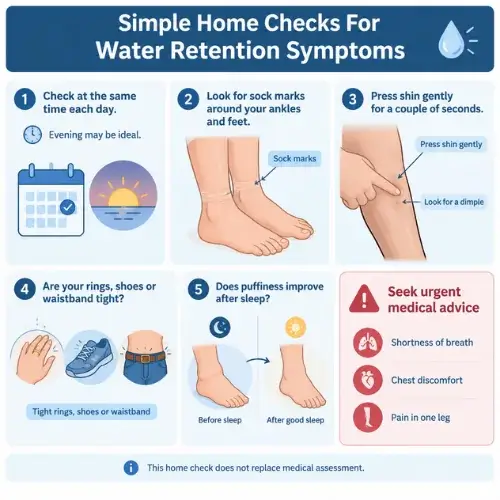
Write this down for a week or two. This will help your doctor massively as they can see patterns. This will help you describe your symptoms but won’t give you a diagnosis.
Possible Causes of Water Retention
Most mild cases will be caused by everyday things. Eating salty foods, sitting/standing for long periods of time, hot weather or hormonal changes. Certain medications can also cause fluid build up.
Persistent water retention can indicate vein problems, thyroid issues or heart, kidney or liver problems. Usually you will have multiple areas affected. Your doctor can work out what is causing it with a simple examination and tests. The Mayo Clinic’s overview of edema describes how medications and conditions affecting the heart, kidneys, liver and veins can contribute to swelling.
Common Myths About Water Retention
There are a few myths which can put you off the right track. One common myth is to reduce how much you drink to reduce swelling. This can actually cause your body to retain fluid. Unless your doctor tells you otherwise drink when you feel thirsty.
Another myth is that swelling is always harmless. Often mild swelling is harmless but if it is sudden, one sided or you are short of breath it isn’t. Detox teas and laxatives will promise quick results but can cause dehydration and mineral issues.
Many people think the scales will give you the whole picture. Fluid can cause things to be hidden or exaggerated. Pay attention to how your clothes fit, how your ankles look and how you are feeling.
Simple Ways to Help with Water Retention Symptoms
Simple lifestyle changes can help with mild symptoms. Regular exercise, taking breaks from sitting and elevating your legs for a short time can help fluid move back towards your heart.
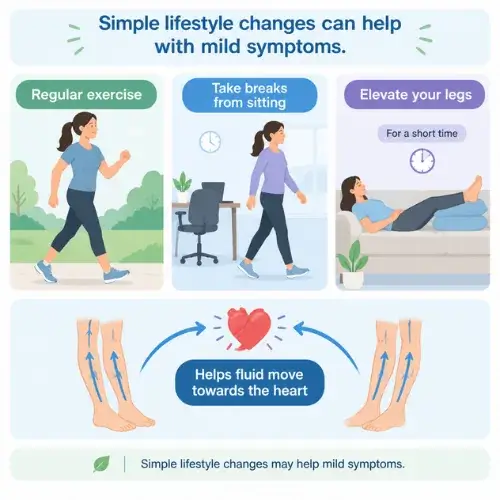
Eating a healthy, less salty diet can help your body stay in balance. The National Cancer Institute also describes leg elevation and properly fitted compression garments as measures that may help manage some types of swelling.
Some women like to wear loose fitting clothes and comfy shoes whilst experiencing swelling. Compression socks can help some people however speak to your doctor first. Especially if you suffer from heart or circulation issues. Don’t take water tablets unless prescribed by a doctor as they can cause issues with your salt balance.
These will help you feel more comfortable but aren’t treating the underlying issue. If your symptoms are lasting longer than a couple of weeks or consistently coming back seek medical advice. Treatments work best when targeting the real cause.
When to Seek Medical Advice for Water Retention
Most mild swelling is harmless however if you experience any of the below seek prompt medical advice. Trust your gut.
- Swelling in one leg (painful, warm or red)
- Shortness of breath, chest pain or difficulty breathing when lying down.
- Sudden swelling in your face, lips or tongue.
- Sudden swelling in your hands or face (especially if you are pregnant). If you have a bad headache or changes in your vision.
- Rapidly growing stomach or consistently worsening swelling.
- Yellow skin/eyes or very dark urine.
Your doctor may check your blood pressure, examine your skin and do some blood/urine tests. This will help them see how your heart, kidneys, liver and thyroid are. Take a note of your symptoms and medications.
Understanding Your Water Retention
Water retention symptoms can be confusing however often there is a pattern. Your face, hands, legs and stomach will all give you some indication. Your cycle, foods and day can also help.
Most of the time there will be a mild cause. If your symptoms are persistent, one sided or accompanied with other worrying signs seek medical advice. You deserve to feel comfortable in your own body.
Could Water Retention Be Hiding the Real Reason You Feel Puffy?
Discover a different perspective on fluid buildup and the overlooked factors that may influence how your body feels.
Watch the next video to explore how your lymphatic system helps move fluid and why this process matters.