






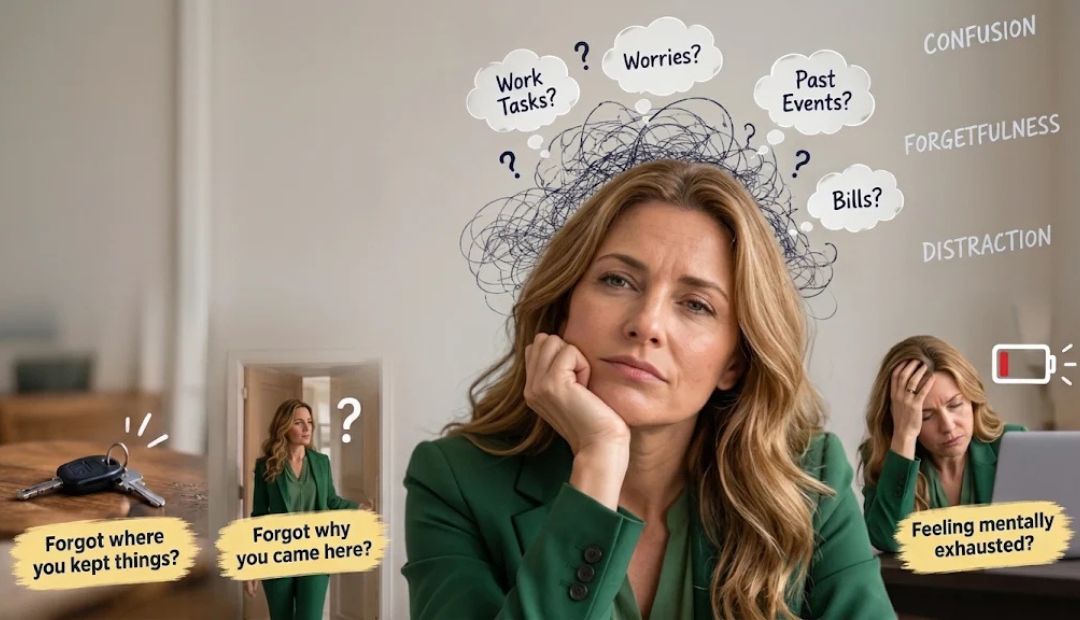




Do you remember a holiday from your childhood, but forget what you said yesterday? You might recognize familiar faces but struggle to remember where you put your glasses, why you walked into a room, or what someone just told you. These experiences may leave you wondering about short term memory loss symptoms and whether occasional forgetfulness is something to worry about.
Memory problems can be frustrating, particularly when they interfere with everyday activities. You may find yourself forgetting appointments, losing track of conversations, repeating questions, or struggling to remember information you just learned.
Although these experiences can sometimes happen because of stress, fatigue, or distractions, persistent changes deserve attention. According to MedlinePlus, memory involves storing and retrieving information, and different types of memory serve different purposes.
Understanding how short-term memory works, what common symptoms look like, and what may contribute to memory difficulties can help you respond more confidently. It also makes it easier to recognize when forgetfulness is relatively harmless and when it may be time to speak with a healthcare professional.
What Is Short-Term Memory And How Does It Work?
Short-term memory temporarily holds information your brain needs during the moment. It allows you to remember a phone number long enough to dial it, follow a conversation, or keep track of a few instructions while completing a task.
This type of memory has limited capacity. Information may remain available for seconds or minutes, depending on your attention, circumstances, and how you use it. If you become distracted, the information may disappear before you have an opportunity to remember it later.
According to Cleveland Clinic, short-term memory temporarily holds information that your brain uses in the immediate moment. It plays an important role in everyday activities, including conversations, decision-making, and learning.
Long-term memory works differently. It stores information, experiences, knowledge, and skills over extended periods. It helps you remember childhood experiences, familiar places, important events, and how to perform activities you have practiced repeatedly.
Working memory is closely related to short-term memory, but it also involves actively processing information. For example, calculating a bill mentally, comparing different choices, or following several instructions requires working memory.
Research discussed in PubMed Central explores the relationship between working memory, attention, and cognitive processing. These memory systems work together.
However, difficulties with short-term memory may become noticeable when the brain struggles to absorb, retain, or retrieve recently acquired information.
Short Term Memory Loss Symptoms: What Should You Notice?
Short term memory loss symptoms generally involve difficulty remembering information that was recently learned, discussed, or experienced. The symptoms may be subtle at first, particularly when they occur during busy or stressful periods.
The National Institute on Aging describes several memory-related changes that can become concerning when they interfere with daily activities.
Some people notice occasional mistakes, while others experience memory difficulties that gradually interfere with everyday responsibilities.
The symptoms alone cannot establish a diagnosis, but recognizing recurring patterns can help you understand what is happening when evaluating short term memory loss symptoms.
1. Forgetting Recently Discussed Information
One common symptom involves forgetting conversations that happened recently. You might forget what someone asked you, lose track of instructions, or struggle to recall important details from a discussion you had earlier that day. These experiences can be among the noticeable short term memory loss symptoms.
For example, a family member may tell you about an upcoming appointment, but you forget the date or time shortly afterward. You might also ask someone to repeat information because you cannot remember what they already explained.
Occasional forgetfulness can happen to anyone. However, repeatedly forgetting important conversations, particularly when the information was clearly understood at the time, may be worth monitoring. The Alzheimer’s Association describes how memory changes that disrupt everyday life can differ from occasional forgetfulness.
2. Asking The Same Questions Repeatedly
Repeated questions can sometimes indicate difficulty retaining recently acquired information. You may ask about a meeting, family event, appointment, or household responsibility without realizing that you already received the answer. Repeated questioning can sometimes be one of the short term memory loss symptoms worth monitoring.
People experiencing this difficulty may not remember asking the same question earlier. Family members or friends might notice the repetition before the person experiencing the memory problem recognizes it.
Repeated questions are not necessarily evidence of a serious condition. Distractions, stress, fatigue, and other circumstances can contribute. Nevertheless, frequent repetition that becomes more noticeable over time deserves attention.
3. Forgetting Why You Entered A Room
Walking into a room and forgetting why you went there is a familiar experience. You may enter the kitchen to get something, become distracted by another activity, and suddenly lose track of your original intention.
This can happen when attention shifts before the brain has adequately registered the original purpose. The experience becomes more frustrating when it happens frequently or interferes with completing everyday tasks.
Occasional episodes are common and do not necessarily indicate memory impairment. However, frequent episodes accompanied by other difficulties may help identify a broader pattern of forgetfulness.
4. Losing Track Of Everyday Tasks
You might forget whether you completed a routine task, such as making a phone call, paying a bill, or preparing something for an appointment. Sometimes, you may begin an activity but struggle to remember what you intended to do next.
These problems can become particularly noticeable when several responsibilities require attention at the same time. Everyday tasks that previously felt automatic may begin requiring more effort and reminders.
If these difficulties occur regularly, keeping a simple record can help you determine whether the problem is occasional or becoming more persistent.
5. Frequently Misplacing Everyday Items
Misplacing keys, glasses, wallets, phones, or other belongings is common. However, repeatedly losing essential items and struggling to retrace your steps can become frustrating.
Sometimes, the problem begins because you were distracted while putting an item down. You may not remember the location because your brain never fully registered the action.
Occasional misplaced belongings are usually not concerning by themselves. But when these incidents become more frequent and involve difficulty remembering familiar routines, they may deserve closer attention.
6. Difficulty Following Instructions
Another possible symptom involves struggling to remember instructions, particularly when someone provides several steps at once. You might remember the first part of a task but forget what comes next.
This can happen while cooking, completing paperwork, following directions, organizing activities, or learning something new. You may need to ask for clarification more often than before.
Breaking instructions into smaller steps and writing them down can help. If the difficulty continues despite using practical reminders, consider discussing it with a healthcare professional.
7. Forgetting Names, Words, Or Important Details
Sometimes, you may recognize a person but struggle to remember their name. You might also forget specific details about an event, lose track of what you intended to say, or struggle to recall a recently mentioned word.
Occasionally forgetting a name or word is common, especially when you are tired, distracted, or under pressure. The word may eventually come back to you after a few minutes.
However, increasingly frequent difficulties with names, conversations, or recently learned information may be worth discussing with your doctor, particularly when they occur alongside other memory changes.
Why Short-Term Memory Problems May Occur
Memory difficulties do not always indicate a neurological disease. Several everyday circumstances and health conditions can affect attention, learning, and the ability to remember information. The Alzheimer’s Society discusses different health conditions and circumstances that may contribute to memory problems.
Stress And Mental Overload
Stress can make it harder to concentrate, process information, and remember details. When your mind is occupied with worries, responsibilities, or emotional concerns, you may struggle to pay attention to what is happening around you.
You might forget what someone was saying, lose track of a task, or struggle to remember information that would normally be easy to recall. Mental overload can make these experiences more noticeable during particularly demanding periods.
The National Institute of Mental Health explains that anxiety disorders can interfere with everyday activities and affect overall mental well-being.
Reducing unnecessary interruptions, organizing responsibilities, and taking regular breaks may help. If stress or anxiety is affecting your daily functioning, consider seeking professional support.
Insufficient Sleep And Fatigue
Sleep plays an important role in learning, attention, and memory. When you do not sleep well, your brain may have difficulty processing new information and maintaining concentration during the day.
You might forget conversations, struggle to follow instructions, or feel mentally slower than usual. These difficulties can become more noticeable after several nights of insufficient sleep.
The National Heart, Lung, and Blood Institute explains the importance of sleep for overall health. Maintaining a regular sleep schedule and addressing persistent sleep difficulties may support better daytime functioning.
Multitasking And Distractions
Dividing your attention between multiple activities can make it harder to remember information accurately. Phone notifications, background conversations, household responsibilities, and interruptions can compete for your attention. Research published in Nature examined how attention lapses and media multitasking were associated with memory performance.
When your brain does not fully process information during the initial experience, remembering it later becomes more difficult. This may explain why you occasionally forget where you placed something or what someone told you.
Try completing one task at a time whenever possible. Reducing background noise, silencing unnecessary notifications, and concentrating on important conversations may help improve attention.
Age-Related Memory Changes
Some memory changes become more noticeable as people grow older. You may take longer to learn new information, recall names, or remember where you placed an object.
These changes do not necessarily indicate dementia or another neurological condition. Normal aging can affect certain aspects of memory without significantly interfering with independence or everyday functioning.
The National Institute on Aging explains the difference between some normal memory changes and problems that may require medical evaluation.
However, persistent or worsening forgetfulness should not automatically be attributed to aging. A healthcare professional can help investigate possible causes and determine whether further evaluation is appropriate.
Medications And Underlying Health Conditions
Some medications may affect memory, attention, or alertness. Certain health conditions can also contribute to memory difficulties, including depression, thyroid disorders, vitamin B12 deficiency, and sleep-related problems.
The Mayo Clinic discusses several potentially treatable causes of memory loss, including medication effects and certain medical conditions.
Medication combinations may sometimes contribute to confusion or difficulties concentrating. This is particularly important when symptoms appear after starting a medication or changing a dosage.
Never discontinue prescribed medication without consulting your healthcare professional. Instead, discuss your symptoms and ask whether your medications or underlying health conditions could be contributing.
How Short-Term Memory Problems Affect Everyday Life
Memory difficulties can affect more than the ability to remember information. They may also influence confidence, independence, relationships, and emotional well-being.
You might worry about forgetting important appointments, missing deadlines, or making mistakes at work. These concerns can make everyday activities feel more stressful than they previously did.
Some people begin checking things repeatedly, relying heavily on family members, or avoiding activities that require remembering several details. Others may feel embarrassed about their forgetfulness and hesitate to discuss it.
These reactions are understandable. However, persistent memory difficulties should not be viewed as a personal failure or something you must manage alone.
Practical systems can help reduce the impact of forgetfulness while you investigate possible causes. Using reminders, calendars, written instructions, and consistent routines may make everyday responsibilities easier to manage.
Recognizing the pattern of your memory difficulties is also important. If the symptoms continue, become more noticeable, or interfere with activities you previously managed comfortably, professional evaluation may help clarify what is happening.
Practical Ways To Support Your Short-Term Memory
1. Pay Attention Before Trying To Remember
Concentrate on important information when someone is speaking or when you are completing a task. Avoid checking your phone or switching between activities whenever possible.
Repeating information in your own words can help you understand and retain it. If instructions are unclear, ask questions before moving on to the next step.
2. Use Notes And External Reminders
Write down appointments, important conversations, responsibilities, and instructions as soon as possible. A calendar, notebook, or digital reminder system can help you organize information without relying entirely on memory.
Review your reminders regularly, particularly at the beginning and end of each day. Establishing a consistent system can make everyday responsibilities easier to manage.
Keep frequently used belongings in designated places. Putting your keys, glasses, wallet, and phone in the same location can reduce unnecessary searching.
3. Break Information Into Smaller Parts
Large amounts of information can be difficult to remember at once. Breaking tasks into smaller steps may make them easier to understand and complete.
For example, instead of remembering an entire shopping list, organize items into categories. When learning something new, focus on one step before moving to the next.
Connecting unfamiliar information to something you already know may also help. Meaningful associations can make information easier to remember later.
4. Maintain Healthy Sleep Habits
Try to maintain a regular sleep and wake schedule. Create a comfortable sleeping environment and reduce activities that interfere with your ability to relax before bedtime.
Regular physical activity, balanced nutrition, and appropriate stress management may also support overall brain health. If sleep problems persist, discuss them with a healthcare professional.
5. Stay Mentally And Socially Active
Engaging in activities that interest you can support mental stimulation and overall well-being. Reading, learning new skills, participating in hobbies, and spending time with friends may help keep you mentally engaged.
Social interaction also provides opportunities to practice listening, remembering information, and participating in conversations.
These activities are not guaranteed to prevent memory problems or reverse an underlying condition. However, maintaining healthy routines and meaningful activities can support overall well-being.
When Should You See A Doctor About Short Term Memory Loss Symptoms?
Consider scheduling an appointment if memory difficulties continue, become more frequent, or interfere with your normal responsibilities. Persistent short term memory loss symptoms deserve attention, especially when they represent a noticeable change from your usual abilities.
Some signs that may justify medical evaluation include repeatedly forgetting recent conversations, struggling to follow familiar instructions, missing important appointments, or having difficulty managing everyday responsibilities.
You should also seek advice if family members notice changes in your memory that you have not recognized yourself. Their observations may help your healthcare professional understand when the difficulties began and how they have changed.
The NHS memory loss guide provides information about memory problems and when professional support may be appropriate.
During an appointment, your doctor may ask about your symptoms, medical history, medications, sleep patterns, and mood. Depending on your situation, they may recommend cognitive assessments, blood tests or additional investigations.
The Mayo Clinic’s guidance also describes questions and assessments that may help healthcare professionals investigate memory difficulties.
Some causes of memory difficulties may improve when the underlying problem is addressed. For example, managing certain medical conditions, reviewing medications, or addressing sleep difficulties may help improve symptoms.
Getting evaluated does not automatically mean you have dementia or another serious neurological condition. It simply provides an opportunity to identify possible causes and determine what support may be helpful.
Be Aware Of Sudden Memory Changes And Confusion
Sudden confusion or an abrupt change in your ability to remember, understand, or communicate requires urgent medical attention. These symptoms may indicate a serious medical problem that needs immediate assessment.
Seek emergency help if sudden confusion occurs alongside difficulty speaking, facial drooping, weakness, changes in vision, or other concerning neurological symptoms.
These signs may indicate a stroke or another emergency. The Centers for Disease Control and Prevention explains the warning signs of stroke and the importance of responding quickly.
The NHS guide to confusion explains why sudden confusion requires urgent medical attention.
Do not wait for sudden symptoms to disappear before seeking help. Contact your local emergency service immediately if you suspect a medical emergency.
Understanding Short Term Memory Loss Symptoms Can Help You Respond
Short-term memory helps you manage conversations, remember instructions, complete everyday tasks, and process information. When it becomes difficult to retain recently acquired information, the experience can be frustrating and sometimes worrying.
However, occasional forgetfulness does not necessarily indicate a serious problem. Stress, insufficient sleep, distractions, medications, and certain health conditions can all contribute to memory difficulties.
Recognizing common short term memory loss symptoms can help you identify patterns, make practical adjustments, and decide when professional evaluation may be appropriate.
Pay attention to changes in your memory, use helpful reminders, and maintain healthy routines. If difficulties persist, worsen, or interfere with your independence, talk to a healthcare professional.
Understanding what is happening is often the first step toward addressing memory difficulties with greater confidence and less unnecessary worry.
Why Do Recent Memories Fade While Older Ones Stay?
Forgetting a recent conversation but recalling events from years ago can seem confusing. What makes these memory systems work differently?
Affiliate Disclosure: This post contains affiliate links, if you make a purchase through one of these links, we may earn a commission at no additional cost to you. This helps support our website and allows us to continue providing helpful content.
Medical Disclaimer: This article is for educational purposes only and should not replace professional medical advice, diagnosis, or treatment. Consult a qualified healthcare professional before making changes to prescribed medications or treatment. Never delay seeking medical advice because of information in this article.