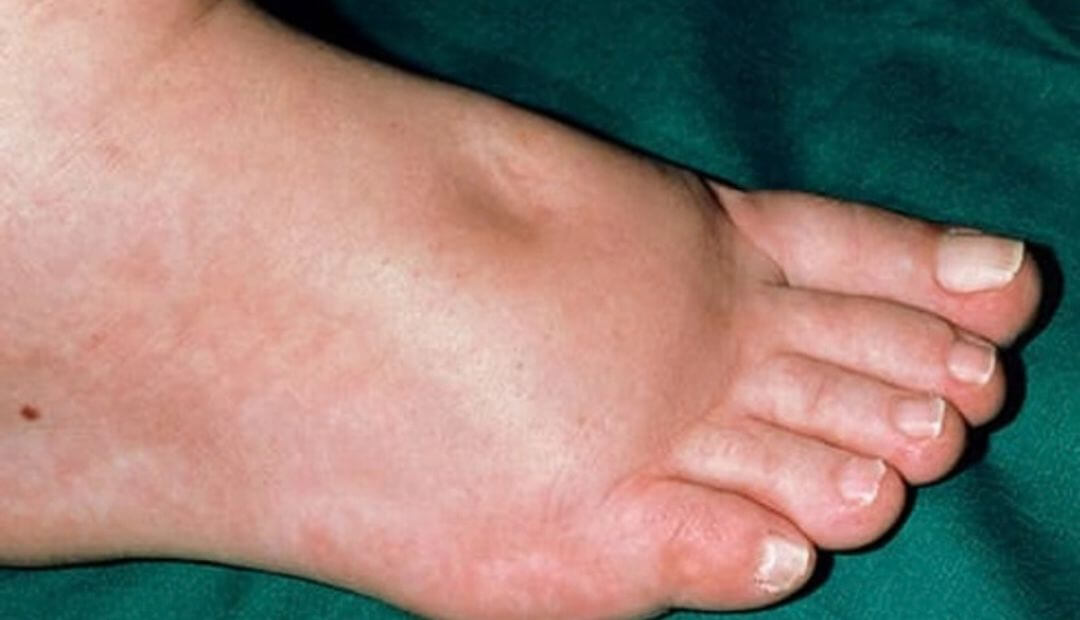
Your feet are uncomfortable in your perfectly fitting shoes from last month. By the evening your ankles look larger and your feet feel tight and warm. Puffy feet during pregnancy are one of the most common complaints and can be uncomfortable and concerning.
This article will tell you why this happens, how to help reduce the swelling and when to contact your team.It will give you some practical tips to help reduce the discomfort and what to avoid.
This is general information and is not a substitute for your midwife/doctor who know your medical history. If you are ever unsure, it is always okay to give them a quick call.
When Your Feet Stop Fitting and You Are Worried About Puffy Feet During Pregnancy
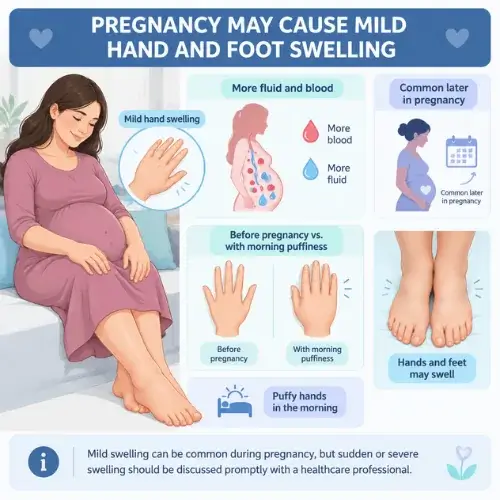
Pregnancy can put a lot of strain on your body and swollen feet can feel like another thing to deal with. Your shoes will feel uncomfortable, your rings will feel tighter and you will feel like you just want to collapse on the sofa. Some ladies feel guilty about complaining but others can feel very anxious.
You are getting ready for work and trying on a few pairs of shoes. You choose the stretchy ones. However, by lunchtime your feet are throbbing and you are wondering if this is normal?
Mild swelling is very common and will usually go down after birth. However, there are some symptoms that need to be acted on quickly. Below will help you to identify them. The NHS pregnancy guidance also explains when swelling is usually normal and when it needs urgent attention.
Why Do You Get Puffy Feet During Pregnancy?
During pregnancy your body produces more blood and fluid to help your baby. Some of this extra fluid will go to your lower legs. Hormones such as progesterone will cause the walls of your blood vessels to relax making it harder for your blood to return from your legs.
As your uterus grows, it puts pressure on the large veins in your pelvis. This will happen more if you are lying on your back or standing for long periods of time.
This will make it harder for your blood to return from your legs causing fluid to build up around your ankles and feet. The Mayo Clinic explains why fluid buildup can cause ankle and foot swelling during pregnancy.
Heat, standing for long periods of time and eating salty foods will make this worse. This is why your feet can often look worse in the evenings and during the summer. Usually this is a normal response.
There May Be More to It
Discover what may contribute to fluid buildup and why understanding the underlying cause matters.
When Do Puffy Feet During Pregnancy Usually Start?
Most ladies will notice their feet swelling in the second half of pregnancy. Often this will be worst in the third trimester. Some ladies may notice earlier if they have twins, in the heat or on busy days. Everyone is different so it is rarely helpful to compare with others.
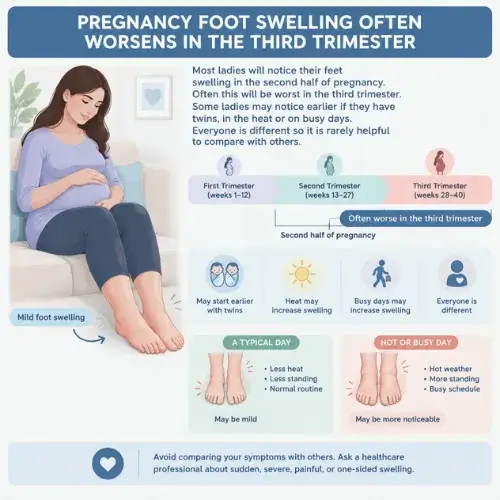
Typically your feet will swell evenly in both feet and ankles. It will build throughout the day and will improve after a good nights rest or elevating your legs. Pressing on the skin may leave a slight indentation that quickly goes back.
Once you have had your baby, your body will gradually get rid of the extra fluid through your urine and sweat. Many ladies will notice their swelling reduce within a few days to a couple of weeks. If your swelling gets worse after you have had your baby or comes with a headache or breathlessness, seek prompt medical advice.
How to Reduce Puffy Feet During Pregnancy
Simple lifestyle changes can often help to reduce the swelling. Most are free to do. Choose a few that work for you and try to do them regularly. If you are ever unsure, ask your midwife/doctor.
Elevate Your Feet and Lie on Your Side
Try to elevate your feet above your heart for 15-30 minutes a few times a day. Many providers will recommend lying on your left side when lying down to help improve the blood flow from your legs and lower body. Use some pillows under your calves or between your knees to make it more comfortable.
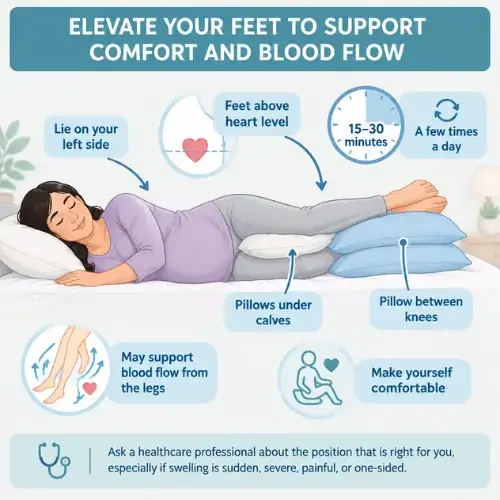
Avoid lying flat on your back for long periods of time in later pregnancy. This can cause pressure on the large veins and reduce your circulation. If you wake up on your back just roll onto your side.
Gentle Exercise
Walking, pregnancy yoga and gentle stretching will help your calf muscles to push the fluid up. If you are sitting for long periods of time, get up and move every hour. Try ankle circles and flexing your feet. The American College of Obstetricians and Gynecologists provides guidance on safe physical activity during pregnancy.
Swimming or exercising in the water can be very comfortable as the pressure of the water will help your legs. Many ladies will notice their swelling reduce after a swim. Always check with your provider before starting any new exercise.
Wear Comfortable and Supportive Shoes
Wear shoes that support your feet and have a little extra width. Try them on in the evening as your feet will be largest. Avoid wearing heels and tight straps. Choose Shoes with adjustable fastenings so they can adapt to your swelling.
Wear socks with loose tops. Tight elastic can cause your legs to feel uncomfortable and reduce your circulation. Try wearing seamless and breathable socks. Take your shoes off whenever you can.
Compression Stockings for Puffy Feet During Pregnancy
Wearing maternity compression stockings can help reduce the feeling of heavy feet and help prevent swelling for some ladies. Wear them in the mornings before your feet swell. Ask your midwife/doctor for advice on the right strength and fit.
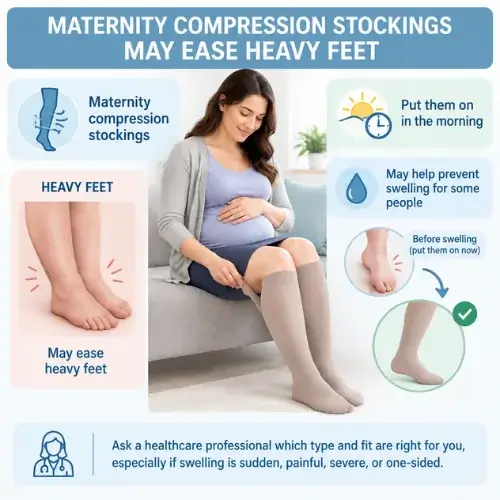
They will not be suitable for everyone. Some ladies with circulation problems may not be able to wear them. If you feel numbness, pain or changes in colour stop wearing them. Do not wear stockings that roll.
Cool Your Feet
Cool water can help to soothe your swollen feet. Try soaking your feet in a basin of cool water for 10 minutes or place them on a cool damp towel. Avoid using very cold or icy water.
Try to keep your home and workplace as cool as you can during the warmer months. Wear light and loose clothing. A little fan at your desk can also help with long days.
Stay Hydrated and Limit Salt
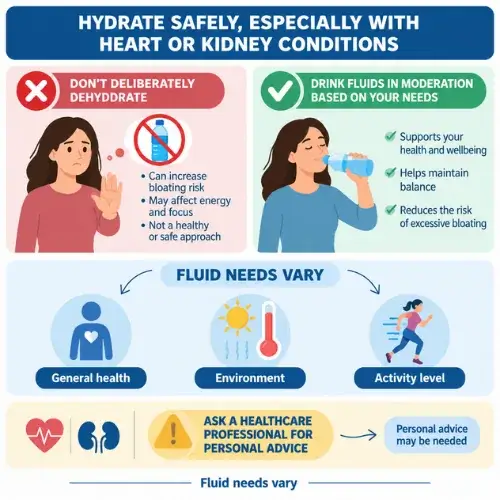
Try to drink plenty of water. Dehydration can cause your body to retain fluid. Avoid limiting your fluids as this will not reduce the swelling and can be harmful to you and your baby. Try to drink when thirsty (unless advised otherwise).
You do not need to avoid salt completely. However, try to limit highly processed and salty foods. Try to cook from fresh and flavour with herbs and lemon.
Simple Daily Tips to Help with Puffy Feet During Pregnancy
Start your day with a glass of water and wearing supportive shoes. After lunch take a short walk. Get up from your desk every hour.
In the evenings elevate your feet for 20 minutes whilst reading or watching something relaxing. At night lie on your left side with some pillows. Notice how your feet feel in the mornings.
Some days will be harder than others. Heat, travelling and busy days will all affect your swelling. Try to keep things calm and consistent.
See What Happens Beneath the Surface
Watch the video to learn more about fluid movement, common causes of puffiness, and ways to support healthy circulation.
What to Avoid
Some common tricks can do more harm than good. Always ask your midwife/doctor before trying anything new. These are the most common things to avoid:
- Taking any water tablets, herbal diuretics or detox teas (unless prescribed by your provider).
- Taking any painkillers or medication to reduce swelling (unless approved by your provider).
- Limiting your water intake or skipping meals.
- Standing or sitting for long periods of time.
- Hot baths, hot tubs or saunas. These can cause you to overheat and cause your blood vessels to widen.
- Tight socks, elastic bands and tight shoes.
- Deeply massaging a swollen leg (especially if it is painful or only one leg is swollen).
All of these can cause issues with your fluid balance and can mask an issue. Try to keep things gentle. If you are ever unsure, contact your team. The NHS guidance on oedema also covers practical steps that may help ease swelling and things to avoid.
Swollen Soles
Some ladies will notice their soles feeling swollen, tight and sore. The swelling can cause the skin on your soles to stretch. As your posture changes during pregnancy, pressure will be on your arches and heels. Pregnancy hormones can cause your ligaments to loosen meaning your arches may flatten and your feet may be slightly larger.
Wearing supportive shoes, soaking your feet in cool water and gently rolling your feet over a soft ball can help with soreness. If your heels are painful ask your provider about arch supports.
If you have pain in one of your calves with warmth, redness or swelling seek urgent care. The CDC’s pregnancy blood clot guidance describes these symptoms and explains why they need prompt medical attention.
Swollen Feet and Diabetes
If you have diabetes or gestational diabetes you should pay a little more attention to your swelling. Diabetes can increase your risk of high blood pressure issues in pregnancy. Some ladies with long term diabetes may have kidney or nerve issues affecting their feet.
Check your feet every day for any cuts, blisters or changes in colour. Due to reduced sensation any injuries may not be noticed. Keep your blood sugar targets and appointments. If you have any new or sudden swelling let your provider know.
When to Seek Urgent Care for Puffy Feet During Pregnancy
Most swelling is harmless. However there are a few symptoms that should never be ignored. Preeclampsia is a condition that can occur in pregnancy causing high blood pressure and can affect your organs. This usually occurs after 20 weeks.
Blood clots are also more likely during pregnancy. The Royal College of Obstetricians and Gynaecologists explains the warning signs of pre-eclampsia and why they need immediate medical attention.
If you have any of the below symptoms contact your midwife/doctor or maternity unit the same day. If you have sudden breathlessness or chest pain contact emergency services. Trust your instincts as you know your body best.
- Sudden swelling of your face/hands.
- Severe headache that will not go away.
- Blurry vision, flashing lights or spots.
- Pain in upper right of your abdomen or just below your ribs.
- Swelling in one leg with pain, warmth or redness.
- Sudden weight gain over a few days with swelling.
- Breathlessness, chest pain or a rapid heartbeat.
- Fewer movements from your baby.
Your team will check your blood pressure and urine and may do some blood tests. This is a routine check and is usually quick. This will ensure you and your baby receive the safest care possible.
Common Questions
Are Puffy Feet During Pregnancy Normal?
It is common to have mild swelling in the evenings that improves with rest. If your feet are suddenly swollen, severe, only one foot or with other symptoms this is not usual. Mention any changes at your next appointment.
Will my feet return to normal after birth?
Most ladies will notice their swelling reduce within a few days to weeks. Some may find their feet are slightly larger due to pregnancy flattening your arches. Wearing comfortable shoes will help.
Can I still wear my rings and shoes?
You may need to take your rings off if your fingers are swollen. If your ring gets stuck this can become an emergency. Wear shoes with extra room. If you are concerned about your fingers swelling ask your provider.
Keeping Comfortable, Confident and Calm
Swollen feet in pregnancy are common and usually reduce after birth. Taking rests, gentle exercise, wearing supportive shoes and eating a balanced diet will help reduce the swelling. Knowing the warning signs will help keep you calm.
Be kind to yourself as your body is working hard. If something doesn’t feel right give your team a call. You deserve to feel comfortable and your baby will benefit from you feeling supported.
Could Your Swelling Be Telling You More?
There may be another piece of the puzzle behind persistent puffiness that many people overlook.
Watch the next video to explore how fluid movement works and what may help support it.