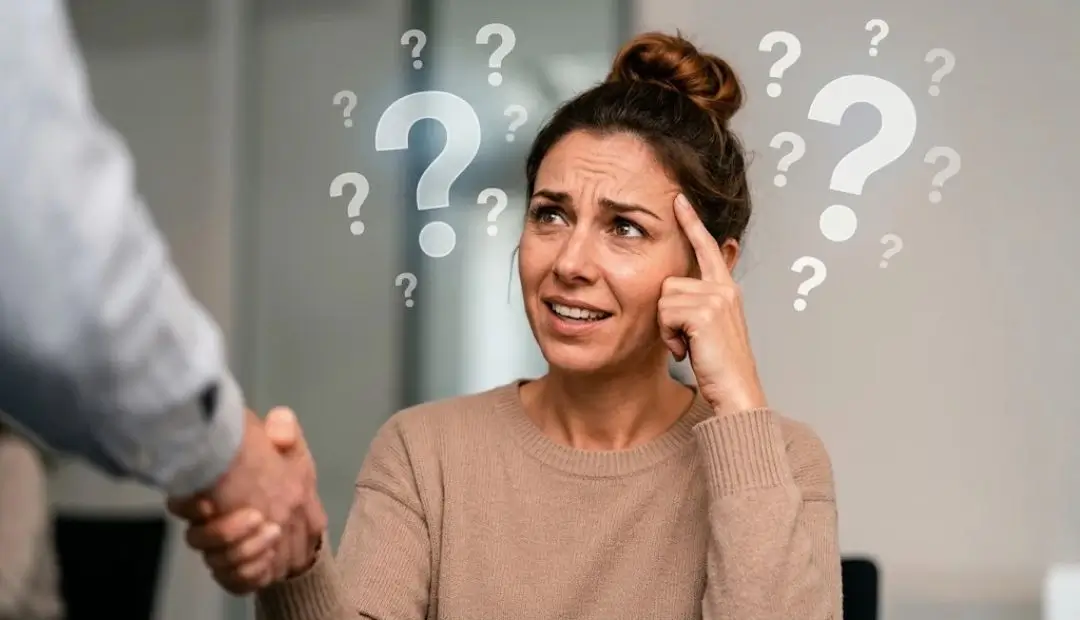
You may also notice that one arm or leg feels tight in the sleeve or looks slightly swollen. Pressing on the area and seeing it slowly bounce back makes you feel slightly concerned.
Many women will look for symptoms of poor lymphatic drainage and this guide will help you understand what symptoms to look out for, what they can mean and how to support your lymphatic system safely.
You will learn about your lymphatic system, 9 symptoms to look out for, how doctors will differentiate between lymphatic swelling and other types of swelling. This guide will give you general information.
Meet Your Lymphatic System
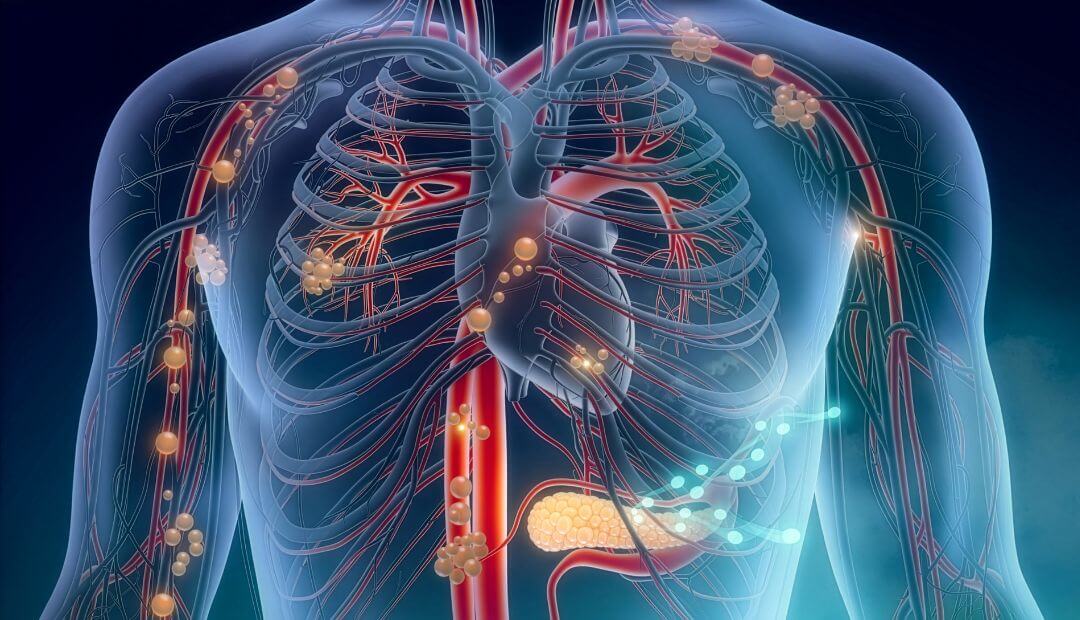
Your lymphatic system is made up of vessels, nodes and organs. Small amounts of fluid can leak out of your blood vessels into your tissues. This fluid is collected by the lymph vessels, filtered by the lymph nodes and returned to your bloodstream.
Your lymphatic system acts as a drainage system to support your immune system, as explained by the Cleveland Clinic. Unlike blood, there is no pumping action from your lymphatic system. Instead, it is moved mainly by muscle movement, breathing and small contractions of the vessel wall.
If your system is damaged, blocked or overloaded, fluid can build up in your tissues. This is known as lymphedema by doctors if it is persistent and caused by protein rich lymph fluid.
Small Habits Can Make A Difference
Explore practical ways to support movement, protect your skin and understand when professional care is needed.
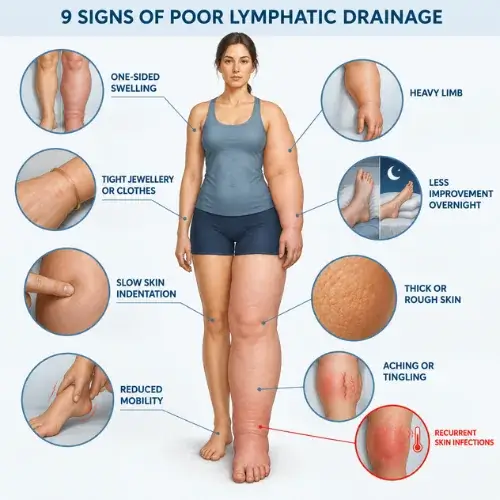
9 Symptoms Of Poor Lymphatic Drainage
Symptoms can develop slowly and can be quite subtle. If you are noticing any symptoms on one side then you should look out for:
- Persistent swelling in one limb – One arm/leg/hand/foot/finger/toe looks larger. Often lymphatic swelling in the legs can start at the bottom of the foot or ankle and move up.
- A heavy feeling – The limb feels heavy and full. This can often get worse as the day goes on.
- Tight jewellery or clothes – Rings, watches, sleeves or socks are tight and leave a deep crease. This is often on one side.
- Doesn’t improve much at night – Swelling doesn’t improve much when elevated. Everyday fluid retention will often improve more.
- Slow indentations – Early on you may notice indentations when pressing on the skin. Over time the tissue can feel firmer and the indentations aren’t as noticeable.
- Thick or rough skin – Skin can feel tight and firm. It can feel like an orange peel. Skin can feel dry, brown or bumpy.
- Loss of mobility – Swelling can cause stiffness in the wrist/ankle/knee. It can feel difficult to grip, kneel or bend.
- Aching, discomfort or tingling – Many people will feel a dull ache or pressure. Not everyone will feel pain.
- Frequent skin infections – Red, warm and painful skin with a fever can indicate an infection called cellulitis. This is more common in swollen limbs. If you are getting frequent infections then you should get this looked at.
These symptoms are also described in the NHS overview of lymphoedema. However, just because you have one of these symptoms doesn’t mean you have a problem with your lymphatic system.
If you are noticing symptoms on one side, slowly developing, persistent and associated with surgery, radiotherapy, infection or injury then you should see a doctor to find out the cause.
Other Symptoms That May Not Indicate Poor Lymphatic Drainage
Many online sources will list fatigue, brain fog or frequent colds as symptoms of poor lymphatic drainage. However, these are very common symptoms and can be caused by many things.
There is no research to show that they are a reliable sign of a lymphatic issue. Therefore, if you are concerned then ask your doctor to look for more common causes such as sleep issues, thyroid problems or anemia.
Lymphatic Fluid In The Legs Versus Everyday Swelling
Many women will be concerned about lymphatic fluid in their legs. If both ankles are swollen in the evenings this is usually due to gravity, heat, salt or weak veins. This often improves at night. In contrast, lymphatic issues are more likely to be one sided and develop slowly.
The National Cancer Institute also explains that doctors consider other possible causes of limb swelling, including blood clots, infection and cancer. Therefore, the table below can help you to describe what you are noticing.
This is a guide and not a rule as there can be overlap with many different conditions. Ultimately, the only reliable way to differentiate will be by seeing a doctor.
| Features | Everyday Fluid Retention | Vein Related Swelling | Lymphatic Swelling |
|---|---|---|---|
| Sides | Usually both legs | Often both sides or uneven | Often one limb |
| At night | Often improves | Partly improves | Improves little |
| Skin | Usually normal | Brown stains, varicose veins | Thick, firm and orange peel |
| Common cause | Salt, heat and prolonged sitting | Weak vein valves | Surgery, radiotherapy, infection, injury or unknown cause |
| Pinch test | Easy to pinch skin | Easy to pinch skin | Skin at the base of the toes or fingers can be firm to pinch |
Who Will Notice Symptoms Of Poor Lymphatic Drainage
Some people are more likely to have lymphatic swelling. For example, one of the most common causes is surgery to remove lymph nodes such as breast cancer, melanoma or pelvic cancers. Additionally, radiotherapy to the same area can increase your risk.
Injuries, severe infections and chronic vein disease can cause stress on the lymph vessels. Similarly, some people will have lymph vessels that don’t drain as well from birth and may notice swelling in their teen years or adult years. If there is a family history of swelling then mention this to your doctor.
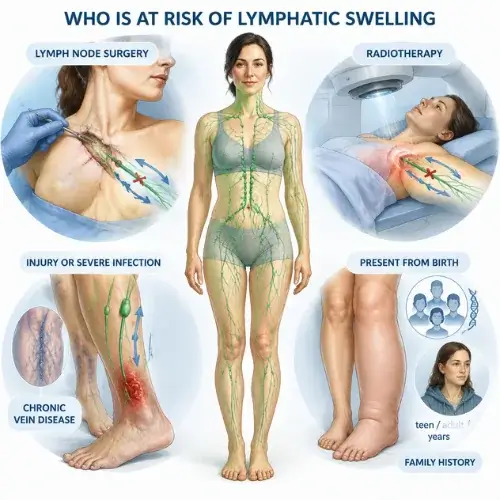
If you are part of one of these groups then knowing the early signs and reporting them quickly can often prevent swelling. Therefore, your care team can advise you on what to look out for.
Why Symptoms Of Poor Lymphatic Drainage Occur
Primary And Secondary Causes Of Poor Lymphatic Drainage
Lymphedema can be primary meaning it is caused by how the lymph vessels have developed. More commonly it is secondary meaning something has caused damage to your lymphatic system. For example, the most well known causes are surgery to remove lymph nodes, radiotherapy, infections, injuries and some cancers.
Chronic vein issues, obesity and prolonged lack of activity can cause stress on the system. Globally a parasitic infection called filariasis is a leading cause. However, sometimes there may be no obvious cause.
As there are many causes there will be different treatments. Therefore, trying to guess or using detox products can be a waste of time. Instead, a correct diagnosis will open the door to effective treatments.
Simple Ways To Support Your Lymphatic System
There are many Simple Ways to support your lymphatic system and protect your skin. In general, these are great for general health and mild swelling.
Daily Habits That May Support Lymphatic Drainage
- Move your muscles – Walking, swimming, cycling and gentle stretching will help to squeeze your lymph vessels.
- Deep breathing – Taking slow breaths from your tummy can help to create pressure changes in your chest and tummy to help move the lymph upwards.
- Elevate – Elevating the swollen limb above your heart can help.
- Protect your skin – Moisturising, treating cuts quickly, using sun cream and wearing gloves whilst gardening. Infections are the biggest risk to a sluggish lymphatic system.
- Avoid tight items – Wear loose jewellery, sleeves and socks. Avoid elastic that leaves a deep indentation.
- Maintain a steady healthy weight – Extra weight can cause stress on your lymphatic system. Making gentle changes can help.
- Drink water and eat a balanced diet – Eating well will help your skin and general health. No foods will flush your lymphatic system.
- Compression – Wearing the correct compression can help control swelling. This should be prescribed by a doctor/therapist.

These will help to keep you comfortable and healthy but will not treat lymphedema. The CDC guidance on lymphedema also discusses exercise, compression and other ways to manage swelling. Therefore, if you think you have a lymphatic issue then ask to be referred to a lymphedema specialist. Early treatment will give you the best outcome.
What Treatment Will Be Offered If You Have Lymphedema
How Doctors Diagnose Lymphedema
Doctors will diagnose lymphedema based on your history and examination. Sometimes imaging such as ultrasound or lymphoscintigraphy will be used. In addition, vein issues will also be checked for along with heart, kidney and thyroid issues that can cause similar swelling. This is important as treatments will differ.
Treatment Options For Poor Lymphatic Drainage
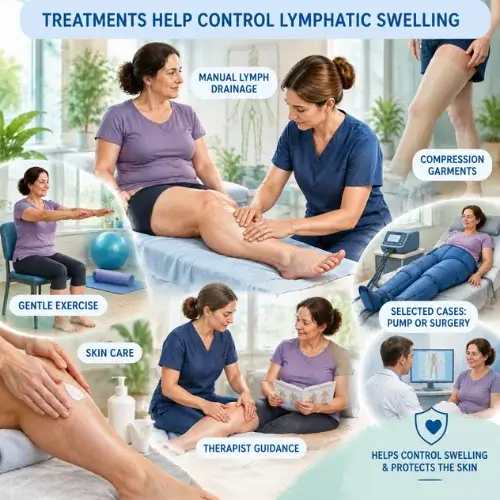
Treatment will often include a combination of treatments known as complex decongestive therapy. This will include specialist manual lymph drainage, compression bandages or garments, exercise and skin care.
You will be taught how to continue by trained therapists. The NHS treatment guidance describes these as key parts of decongestive lymphatic therapy.
Some people will benefit from other treatments such as pneumatic pumps or in select cases surgery. However, your team will choose what is best for you. This will not cure your issue but can help to control your swelling and protect your skin.
Know What Your Body Is Telling You
Discover why persistent swelling may happen and which overlooked signs deserve closer attention.
When Lymph Swelling Can Affect You
Emotional And Practical Effects Of Poor Lymphatic Drainage

Poor lymphatic drainage can cause issues with your clothes not fitting well, tight sleeves and avoidance of summer clothes or swimming. As a result, many women will feel self conscious or become tired of explaining.
These feelings are completely valid and very common. Fortunately, support groups, lymphedema therapists and counsellors will understand how you are feeling. Talking about your experiences can often help.
Practical support can also help to boost your confidence. For example, there are many colours and styles of properly fitted compression garments. Therapists can advise on what to wear to fit comfortably. You deserve to feel confident in your body.
Myths About Poor Lymphatic Drainage
Myth 1: Detox teas/cleanses will flush your lymphatic system
You don’t need to use any cleansing products for your lymphatic system. In fact, there is no evidence to show that any teas or juices will help to flush your lymphatic fluid. Spend your money on having a proper assessment.
Myth 2: Dry brushing will help lymphatic swelling
Dry brushing may make you feel refreshed but there is no good evidence to show it will help with swelling. Moreover, brushing harshly can irritate or damage the skin. This will increase your risk of infection.
Myth 3: Any massage will help lymphatic swelling
Deep or vigorous massages can make some swelling worse. In contrast, manual lymph drainage is a gentle, specific massage performed by trained therapists.
This should not be performed if you have an active infection, clot or untreated heart failure. The Mayo Clinic treatment guide also notes that manual lymph drainage may not be suitable in certain situations, including skin infection or blood clots.
Myth 4: Swollen glands = poor drainage
Swollen lymph nodes usually means your body is fighting an infection. In other words, this means your immune system is working. However, if they are persisting for weeks, firm or associated with weight loss or night sweats then see a doctor.

When To Seek Prompt Help
Warning Signs That Need Medical Attention
Some symptoms may need prompt attention as infections can develop quickly. Therefore, if you have any of the following symptoms seek help today.
- Red, hot, painful or feverish swollen arm/leg.
- One leg suddenly swollen with pain in the calf. This can indicate a clot.
- Sudden shortness of breath or chest pain. This requires emergency attention.
- New swelling after surgery or cancer treatment.
- Swelling with fast weight gain, tight stomach or shortness of breath when lying down.
- Swollen lymph nodes for longer than a few weeks, firm or associated with night sweats or unexplained weight loss.
The NHS cellulitis guidance explains why painful, hot and swollen skin needs urgent medical attention. Additionally, it will help your doctor if you can tell them when the swelling started, if it is on one side and what treatments you have had. If the swelling changes throughout the day then take some pictures. This will make your short appointment much more helpful.
Conclusion
Poor lymphatic drainage symptoms can sound daunting but knowing what they are can give you power. The main clues to look out for are one sided, persistent swelling, heaviness, skin changes and frequent infections. If you are noticing any of these then a specialist can help.
Most swollen legs and hands will have a simpler cause. Don’t panic. Instead, get moving, protect your skin and ask questions early. Your lymphatic system works quietly throughout the day and with the correct support can continue to do so.
What Your Lymphatic System May Be Trying to Tell You
Discover why everyday puffiness happens and what it could reveal about your body’s hidden fluid-balancing network.
Learn what may influence lymphatic flow, which habits can help, and when swelling deserves closer attention.