

You’ve woken up feeling bloated, your jeans are tight and your scale are showing a number you don’t recognise! Many women will search ‘how to lose water weight’ in the hopes of finding a quick fix. However, this usually can be achieved by making small changes to your daily routine.
In this article we will provide you with 9 simple tips to help your body naturally Get Rid of any extra water weight. We’ll also cover what to avoid, what to expect with your period and when to seek medical advice. All of this will help your body naturally find balance.
Why Quick Fixes for water weight can backfire
Water weight can feel like an urgent issue to deal with, with many people opting for water tablets, laxatives, sauna suits and skipping meals to help get rid of the weight.
Whilst you may notice a quick drop on the scales, this can leave you feeling tired, dizzy and often bloated. The NHS guidance on laxatives also explains that excessive use can lead to dehydration and low potassium levels.
Your body will try and prevent you becoming dehydrated so it will cling onto the water more. Using small changes will help your body work with this.
Trying to achieve a quick fix can lead to feelings of guilt, anxiety and create an unhealthy relationship with food. By using kind methods you’ll feel better and they will tend to be sustainable.
What is Water Weight?
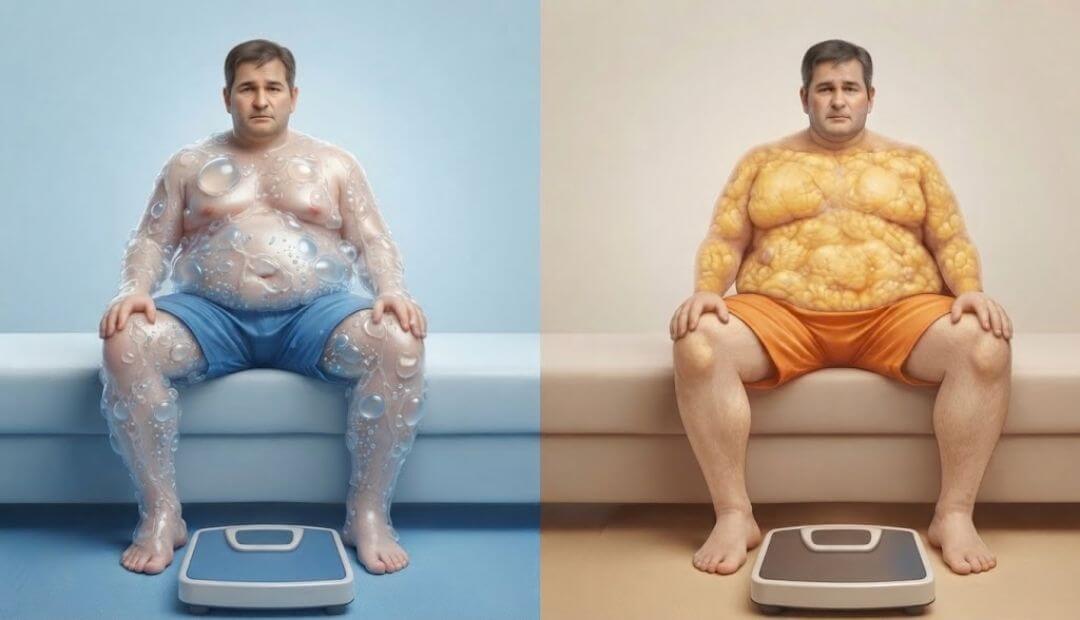
Water weight refers to extra water being retained in your tissues. This can cause you to gain a few pounds on the scales. Unlike body fat, this doesn’t build up and reduce slowly. As it relates to water, you can see changes in a few days. MedlinePlus explains that edema is swelling caused by excess fluid collecting in body tissues.
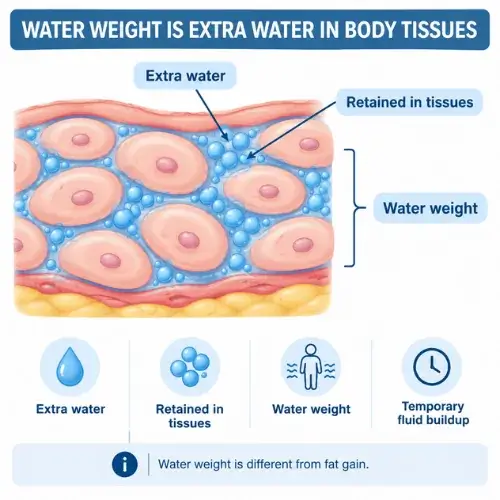
However, don’t expect huge changes overnight. Your body needs to find balance with sodium, hormones and circulation. Most people will notice gradual improvements in a few days if the water weight was caused by something simple like a salty meal.
What Could Be Behind Your Water Retention?
Discover another perspective on fluid buildup and explore factors that may affect how your body manages excess fluid.
If you’re experiencing ongoing swelling, then it’s best to consult your doctor. The following 9 tips can be used for everyday fluctuations in water weight.
9 Simple Ways To Lose Water Weight Naturally
1. Balance Your Sodium
Sodium is an important mineral to have in our bodies. However, having too much can cause your body to retain water. Many packaged foods such as bread, tinned soups, sauces, deli meats and meals from restaurants can contain more than you expect. Try reading labels for a few days to see just how much you are consuming. The CDC’s sodium guidance explains why packaged and restaurant foods are important sources to watch.
Try not to cut out salt completely. Instead, cook more meals from home and use herbs, lemon and spices to flavour your meals. Rinse tinned beans. Making gradual changes will ensure your meals are still enjoyable and your body remains balanced.
2. Drink Plenty of Water Throughout the Day
This may seem counter-intuitive, but staying hydrated is a subtle way to help lose water weight. Drinking enough water will encourage your body to release water. If you’re not drinking enough your body will try to protect its water reserves and cause you to retain more. Sipping throughout the day will help your kidneys flush out any extra sodium.
Try to drink when thirsty and aim for pale yellow urine. Herbal teas and foods high in water will count towards your intake. If your doctor has advised you to limit your fluids, then follow their advice.
3. Stay Active
Physical activity will encourage water to leave your legs and return to your heart. A brisk walk, gentle cycle or short strength session will all improve circulation. You may also sweat which will help you to release some water.
Even doing short activities throughout the day will help. Try standing up every hour, ankle rolls and a 10 minute walk after meals.
4. Keep Your Carbohydrate Intake Balanced
Carbohydrate is stored in your body as glycogen which retains water. If you have a large increase in refined carbohydrates then this can cause you to retain water. However, if you cut out carbs then this can cause you to rapidly lose water weight. This will mainly be water and often return once you start eating normally.
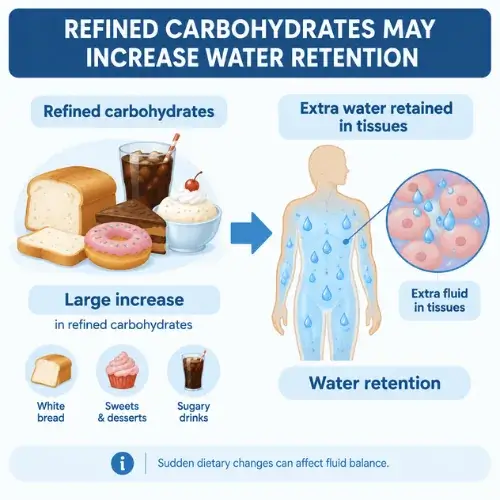
Instead of cutting out carbs completely, try to have balanced portions of wholegrain foods, fruits, beans and vegetables. Eating fibre will help your digestion and give you a calmer tummy.
5. Eat Foods That Help Reduce Water Weight
Whilst nothing will cause you to flush out water overnight, there are some foods that will help your body stay balanced. Potassium will help your body balance out sodium. Magnesium plays a part in many processes in your body including water. Both of these can easily be found in everyday foods.
- Banana, potatoes, sweet potatoes and avocado are good sources of potassium.
- Spinach, beans, lentils and yogurt are good sources of potassium and magnesium.
- Cucumber, watermelon, celery and berries will help with water and fibre.
- Nuts, seeds and wholegrains will help with magnesium.
If you have kidney disease or are taking certain blood pressure medications then please talk to your doctor before increasing your potassium levels. Too much can be harmful. The National Institute of Diabetes and Digestive and Kidney Diseases explains that kidney disease and some medicines can affect how your body handles potassium. It’s usually best to get these from food.
6. Get a Good Nights Sleep
Getting a good nights sleep will help to balance out your hormones related to hunger, stress and salt. If you haven’t slept well then you may find you have cravings for salty or sugary foods. You may also feel more bloated.
Try to go to bed at the same time each night. Turn your screens to a low brightness and keep your room cool and dark. These small changes will help your body to stay calm when balancing out water. Adults often aim for 7+ hours, as recommended by the CDC’s sleep guidance.
7. Reduce Stress
When you’re stressed your body releases cortisol which can cause you to retain sodium and water. It can also make you crave salty snacks and discourage you from being active. This can cause your tummy to feel tight and you to gain weight.
Having short breaks throughout the day will help more than trying to have perfect routines occasionally. Try deep breathing, a calm walk, some stretches or a few minutes journaling. If you’re feeling stressed most days then speak to your doctor or counsellor.
8. Limit Alcohol and Ultra Processed Foods
Alcohol will dehydrate you and your body may cause you to retain water. Many people will notice they feel bloated the day after drinking, especially around their face. Cutting down or alternating with water will often help.
Ultra processed foods can contain lots of hidden sodium and refined carbohydrates. Try swapping a few of these for fresh or minimally processed foods. You don’t need to be perfect, just make gradual changes.
9. Elevate Your Legs
Due to gravity, your legs can become swollen throughout the day. Having your legs elevated above your heart for 10-15 minutes whilst resting can help water drain. Many people find this calming at the end of a long day. The NHS advice on oedema also recommends raising swollen legs and getting gentle exercise to help ease swelling.
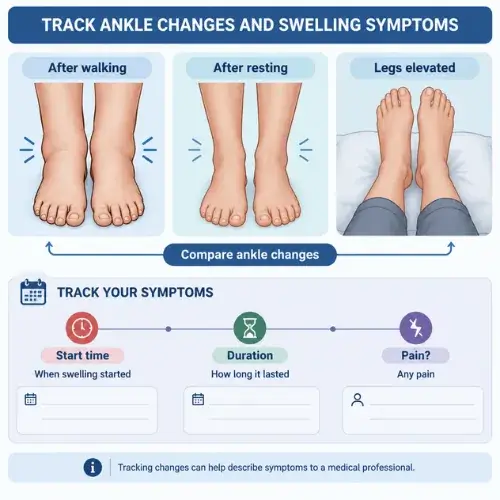
Avoid sitting with your legs crossed for long periods of time. Wear comfortable shoes. Some people find compression socks helpful. However, if you have any heart or circulation issues then please speak to your doctor first. If one leg is swelling more than the other then please seek medical advice.
A Realistic Day to Reduce Water Weight
To help Reduce Water Weight without causing stress, have a glass of water with your breakfast. Have a healthy breakfast such as oats, banana and yogurt. Add a walk to your lunchtime. Have a light dinner with little salty sauces.
Throughout the afternoon have some water or herbal tea. Stand up every hour. In the evening have your legs elevated for a few minutes. Avoid screens before bed. Nothing is complicated and everything will work together.
This is just a general guideline. Some days you will eat salty foods, be stressed and not sleep well. This is totally normal. Rarely will one day of inconsistency undo a week of consistency.
How to Lose Water Weight During your period
Hormonal changes can cause your body to retain extra water. Many women will notice their tummy feels bloated, fingers are swollen and they gain weight on the scales in the days leading up to their period.
This type of water weight during your period will usually settle quickly once your period starts. The American College of Obstetricians and Gynecologists lists bloating, weight gain and swelling of the hands or feet among possible PMS symptoms.
What Could Be Behind Your Water Retention?
Learn why there is more to your fluid balance than you think and understand how your lymphatic system impacts fluid movement.
Try starting the above tips a week before your period. Keep your sodium intake moderate, get gentle exercise and try to get a good nights sleep. Some women find it helpful to track their symptoms to see if there’s a pattern.
If you’re feeling your water weight and mood are severe then please speak to your doctor. Premenstrual symptoms are common and there are treatments available. You shouldn’t be suffering from severe discomfort.
Things to Avoid to Lose Water Weight Quickly
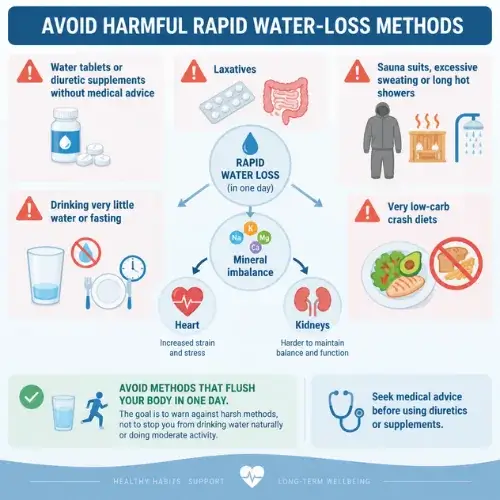
Some popular methods can actually be detrimental. Avoid anything that will cause you to flush your body out in one day. This can cause issues with your minerals and put strain on your heart and kidneys.
- Water tablets or diuretic supplements (without medical advice)
- Laxatives
- Sauna suits, excessive sweating or long hot showers
- Drinking very little water or fasting
- Very low carb crash diets
These can cause some people to feel dizzy, crampy or have an irregular heartbeat. Whilst you may see a quick drop on the scales, the water will usually return. Try to stick with sustainable habits.
When to See a Doctor About Water Weight
Normal water weight will fluctuate depending on your habits and cycle. If you are noticing any of the following then please contact your doctor.
- Swelling has been going on for longer than a couple of weeks or getting worse.
- Swelling in one leg (especially if painful, warm or red).
- Feeling breathless, chest pains or gaining weight quickly in a few days.
- Swelling in face or hands during pregnancy (especially if you’re suffering from a headache or changes in your vision).
- Swelling with yellow skin, very dark urine or a tight growing tummy.
Fluid retention can be caused by many things including heart, kidney, liver and thyroid issues. Some medications can also cause this. Your doctor can check your blood pressure, run some bloods and urine tests and review your medications. Please don’t stop any prescriptions.
Frequently Asked Questions About Losing Water Weight.
How Long Will It Take to Lose Water Weight?
This depends on the cause. Water from a salty meal will often settle within a few days. Hormonal water will often settle once your period starts. If you’re experiencing swelling for longer than a couple of weeks then please see your doctor.
Will Coffee or Tea Help?
Coffee contains a mild diuretic effect. However regular consumers will become accustomed to this. Most people will be fine having 1-2 cups. Herbal teas can also be a nice way to stay hydrated. Too much caffeine can cause issues with your sleep.
Can I Lose Water Weight Overnight?
You may notice a slight drop after a nights rest, less salt and proper hydration. Usually anything drastic will be due to dehydration. Try to keep things consistent over a few days.
How to Lose Water Weight Without Stressing
Water weight is a natural part of living in a body that reacts to food, hormones and stress. By being mindful of your salt intake, staying hydrated, being active, sleeping well and using kind methods you can help your body find its balance. You don’t need to be perfect.
Give yourself a few days to see any results. Focus on how you are feeling. If something doesn’t seem right then seek medical advice. Knowing how to lose water weight safely means respecting your body and helping it.
Could There Be an Underlying Cause to Your Water Retention?
Understand another way to look at Persistent Puffiness, unexpected weight changes and understand what may be impacting your fluid balance.
Watch the next video to understand how your lymphatic system helps fluid move and what you may not know.