









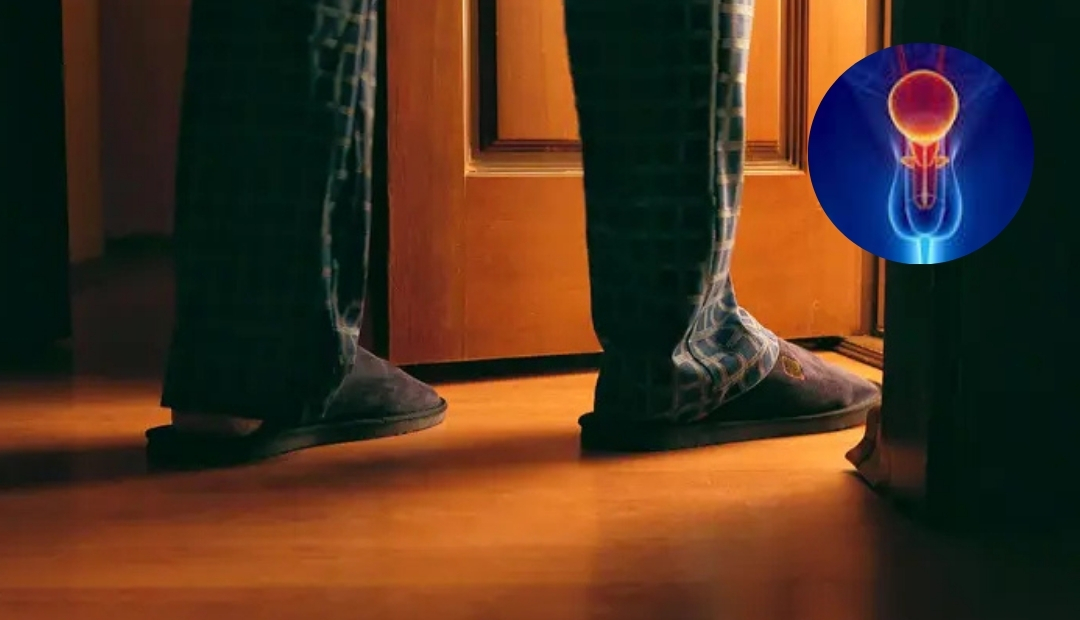
Have you ever gone to the bathroom, then returned to your normal routine, only to feel the urge to go back to the bathroom again minutes later? This pattern of frequent urination in men may make it hard to do normal things.
In some men the issue is an enlarged prostate but there are a number of other conditions that can lead to the symptoms. Or, you know, you could always not drink before you leave the house. Or start looking for bathrooms everyplace you go.
Driving at nite can interfere with your sleep, and unexpected needs can lead to stressful meetings, shopping and long journeys. Knowing the reason for this can help you find the possible causes and when to seek medical help.
The important question is not how often you urinate. It is determined by how fast you need to get to the bathroom, if your bladder empties right, and if you have any other symptoms. These details can help distinguish between prostate problems and other urinary problems.
Why Does the Need to Go Back to the Bathroom Come So Soon?
When your bladder gets big enough it tells your brain you have to go to the bathroom. Nerves connect to your brain and the muscles of your bladder to regulate how much urine you store and how much you pass.
Most of the time, these signals allow you to delay going to the bathroom until a more convenient time. The NIDDK explanation of bladder control describes how nerves carry signals between the brain and bladder muscles.
A few things that could go wrong with this process. It’s possible to feel like you have to go even when your bladder doesn’t have a lot of urine in it . Something could be preventing it from emptying completely . In contrast, your body could be making an abnormal amount of urine, and that will make you want to go to the bathroom a lot.
These differences are important because different treatments may help with the same symptoms. A man who passes small amounts over and over might have a different problem than a man who passes large amounts at one time. From the timing and volume, and any symptoms which accompany it, a doctor can work out what is wrong.
Signs of Frequent Urination in Men to Look For
Frequent urination in men is a condition when men have to use the bathroom more often than they normally would. There is no one frequency that is a problem for everyone. Everyone drinks, takes medications, has different habits. But if you wake up a lot to go to the bathroom or it interferes with doing normal things I’d look into it.
Urinary urgency is a sudden and strong need to urinate that some men experience. Some people feel the need to use the bathroom all the time even after they have gone to the bathroom. These feelings may occur with leakage, pain or trouble with bowel or bladder function, depending on the underlying condition.
Watch to see if you’re passing a normal amount or just a few drops. Watch for a weak stream, for it starting and stopping, or taking a while to begin. These findings can help us understand how bladders fill and empty.”
Why Does Frequent Urination in Men Happen?
So if you ever think, “Why do I pee so often?” you might want to consider both making urine and emptying your bladder. You will need to visit the bathroom more often if you drink a lot of water, caffeine or alcohol.
Some drugs, like diuretics, will also increase the amount of times you pee. The Mayo Clinic overview also identifies several possible causes of frequent urination.
Other causes include urinary tract infections, diabetes, an overactive bladder and enlarged prostate. Sometimes the bladder holds urine after you have emptied it so you feel like you have to go again. Your doctor can sort out the choices by looking at your medical history, doing a physical exam and ordering the right tests.
Frequent trips to the bathroom don’t necessarily mean you have prostate disease. Don’t ignore symptoms that don’t go away just because you don’t drink much. It is more important to look at the pattern rather than any one symptom itself.
Is Frequent Urination in Men Caused by Symptoms of BPH?
One possible culprit might be benign prostatic hyperplasia, or BPH. This is a noncancerous enlargement of the prostate (a gland that surrounds part of the urethra). The urethra is a tube that transports urine from the bladder out of the body through the penis.
As the prostate grows , it can press on the urethra . This may make it hard to urinate . If the passage is blocked, the bladder has to work harder to push urine through it. In some men, the process causes urinary symptoms and an inability to completely empty the bladder.
The National Institute of Diabetes and Digestive and Kidney Diseases has a guide to BPH that covers these signs and problems. It also says that bladder problems can be caused by other conditions.
Symptoms of Enlarged Prostate May Accompany Frequent Urination in Men
Common symptoms of an enlarged prostate include weak stream of urine, difficulty starting and dribbling after urination. Also, men may find it difficult to completely empty their bladders, or wake up many times during the nite. These problems may also occur with urinary urgency and frequency at the same time.
Say a guy goes to the bathroom and washes his hands and then feels like he needs to go right away. The second time he may only pass a little. One reason may be incomplete emptying, but symptoms alone do not prove the fact.
The size of the prostate is not always directly related to the severity of the symptoms. Some men with an enlarged prostate have no problems at all. Others have a lot of trouble going to the bathroom. A medical examination can help you figure out whether BPH or something else is causing the symptoms.
Frequent Urination in Men: When the Bladder Sends Out Signals Too Soon
Men with an overactive bladder often feel the need to get to a bathroom quickly. They also have to go to the bathroom a lot during the nite. Men can also get urge incontinence, which is when they leak urine before they can get to the bathroom.
It can contract when it shouldn’t. Even when there’s not that much urine in it. This is not the same as a physical blockage due to a larger prostate. But the symptoms can be a bit harder to understand because the two problems can exist at the same time.
Urgency alone cannot tell you if the problem is with the prostate, the muscles in the bladder or something else. The American Urological Association guideline discusses how overactive bladder symptoms should be evaluated and managed.
The NIDDK’s explanation of bladder control symptoms and causes includes a number of possible causes. Some of them are nerve problems, infections, diabetes, some medications and problems with the prostate.
Other Reasons for Frequent Urination in Men
But that’s not the only reason you might have a big prostate and an overactive bladder. UTIs can make you feel like you have to use the bathroom more often. They can make it hurt or burn when you go.
Pain in the back or side, fever or chills may be signs of a more serious infection that needs prompt attention. The Centers for Disease Control and Prevention describes these symptoms and explains when a urinary tract infection may involve the kidneys.
High blood sugar can make you pee more, and diabetes can do the same thing. Some men get thirstier and have to run to the bathroom more, sometimes with lots of urine. If you have these symptoms at the same time, you might want to see a doctor to help you decide if you need blood glucose testing.
Also, medication side effects, too much caffeine, and alcohol can play a role. Sometimes neurological conditions can interfere with signals that tell the bladder what to do. “Many causes can be the same, and persistent symptoms should be looked at rather than left to guesswork.
The Effect of Frequent Urination in Men on Daily Life
Frequent trips to the bathroom can slowly change a man’s plans for the day. He could pick seats near the bathroom, skip social events or forgo long trips. It can be tiring to always be planning, even when the symptoms don’t hurt.
Another problem is that you have to get up at nite to urinate. Waking up a lot can leave you feeling tired, cranky or less patient during the day. Stress about that can be a factor as well. Sudden needs can make things feel unpredictable at work and in social situations, too.
Some men are a little shy about talking about urinary problems, especially if they think they might have a prostate problem. Embarrassment may lead you to miss an appointment and stay in pain longer than you need to.
Bear in mind that urinary symptoms are common medical problems that are checked out by doctors all the time. The NIDDK overview of bladder control also explains how these problems can affect everyday activities and quality of life.
What Could Men Do to Manage Frequent Urination in Men?
How you manage it is contingent upon why you have it, how severe it is and how healthy you are overall. Making these changes may help some men feel better, but they can’t replace treatment of infections, major blockages or other health problems. A clinician can help you sort out which choices might work best for you.
-
Identify Foods and Drinks That Worsen Your Symptoms.
Keep a diary for a few days of what you drink, how often you go to the bathroom, and your symptoms. And notice if coffee, tea, energy drinks or alcohol seem to make things feel more urgent. Record nighttime trips and whether each one results in a small or large volume of urine.
If caffeine or alcohol makes your symptoms worse, try cutting back. “You don’t have to drink lots of water all at once, you can spread it out over the day. Don’t restrict your fluid intake too much as this can cause dehydration without correcting the underlying problem.
-
Talk to Your Doctor or Nurse About Your Medicines.
Some medicines make you urinate more . Some cold medicines may make it worse for men with BPH who have trouble with their urine flow. Do not stop taking your medication on your own. Instead, speak to your doctor or pharmacist about whether your medicines could be making the symptoms worse.
A bladder diary can also help the doctor recognize patterns. Note when symptoms start, how often they occur and if they hurt or make it hard to start. This information may be useful for test and exam selection.
-
Discuss Treatment for an Enlarged Prostate or Overactive Bladder.
If BPH causes bothersome symptoms, a doctor may recommend watchful waiting, medications or surgery. Alpha blockers work by relaxing the muscles around the prostate and the neck of the bladder, so urine can flow more easily.
There are other medicines that can slow prostate growth in some patients, but they have different risks and benefits. For people with overactive bladder, doctors may suggest behavioral changes or medicines that stop the bladder from contracting when it doesn’t need to.
Some medicines should not be taken by a person who already has trouble emptying his or her bladder. Therefore, treatment should consider the possibility of retention and other medical conditions. The NIDDK treatment guide describes lifestyle changes, bladder training and medical options for bladder control problems.
If symptoms worsen or complications develop, a procedure may help some men. Which is best for each person depends on the diagnosis, the anatomy of the prostate, the person’s overall health and his own preferences. Treatment cannot promise results that will be the same for every man.
When Do You Have to See the Doctor?
If you find you’re urinating more frequently than usual, waking up during the nite to use the bathroom or it’s interfering with your daily life, make an appointment. “If you notice a weak stream, trouble starting, incomplete emptying, or a constant sense of urgency, you should get it checked out.” Your doctor may order tests of your urine, check your medications, do a physical exam or other tests.
If you are unable to reach a bathroom, get medical help immediately, particularly if you feel pain or swelling in your lower abdomen. If you see blood in your urine, have painful urination or a fever and feel the need to go to the bathroom a lot, see a doctor immediately.
Also, you should see a doctor immediately if you have severe pain in your side, back or lower abdomen. The NIDDK urinary retention guidance identifies inability to urinate and severe lower abdominal pain as reasons to seek immediate medical attention.
Mayo Clinic explains when you should see a doctor for going to the bathroom a lot of times. If you notice the onset or worsening of urinary problems, don’t just write them off as normal parts of aging.
First, Know What Causes It. This Will Help You to Control Your Bladder Better.
You might have to go to the bathroom right after for a variety of reasons. Frequent urination in men may be associated with an enlarged prostate, overactive bladder, infection, diabetes, medication side effects, or incomplete bladder emptying. Symptoms can overlap but the right way to treat them depends on finding the underlying cause.
Start by looking for patterns in your symptoms and considering what might be causing them. If it persists, seek medical attention. Your doctor or nurse can help you to find out if your bladder empties properly and whether changes in your prostate are the cause.
The NIDDK diagnostic guide explains how a medical history, physical examination, bladder diary and tests can help identify the cause. The right assessment allows you to make intelligent choices about your management options.”
Why Do You Need to Pee Again So Soon?
Discover how prostate changes may contribute to repeated bathroom trips, sudden urgency, and incomplete bladder emptying.
Watch the video
Affiliate Disclosure: This post contains affiliate links, if you make a purchase through one of these links, we may earn a commission at no additional cost to you. This helps support our website and allows us to continue providing helpful content.
Affiliate Disclosure: This post contains affiliate links, if you make a purchase through one of these links, we may earn a commission at no additional cost to you. This helps support our website and allows us to continue providing helpful content.
Medical Disclaimer: This article is for educational purposes only and should not replace professional medical advice, diagnosis, or treatment. Consult a qualified healthcare professional before making changes to prescribed medications or treatment. Never delay seeking medical advice because of information in this article.