










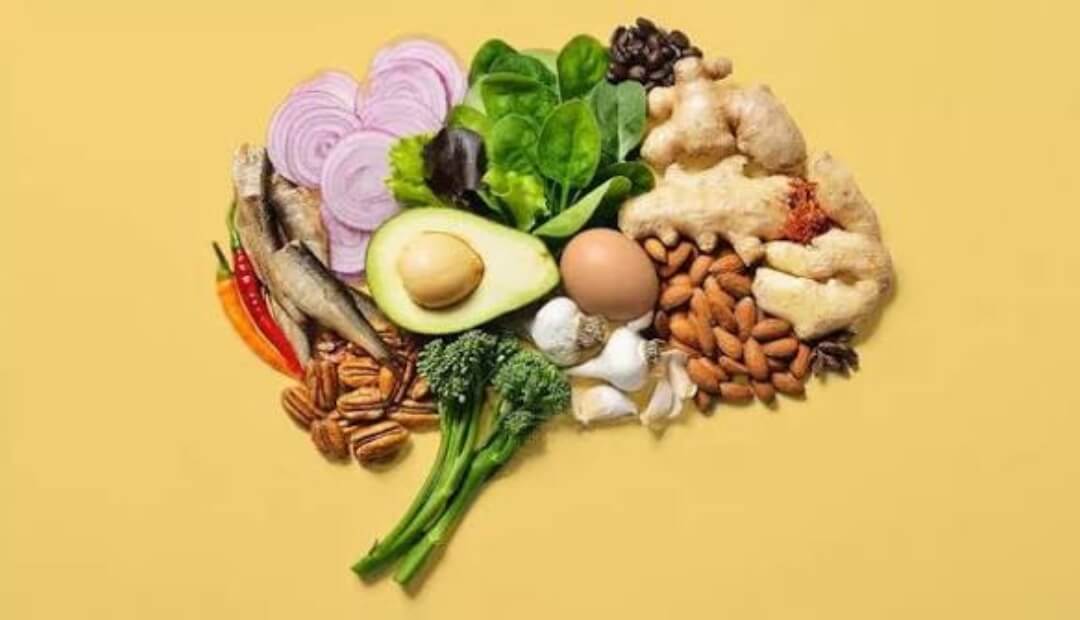
You read the same email repeatedly, have trouble concentrating, or forget things you know. These experiences can be frustrating, particularly when your mind feels less sharp than usual. Choosing food for brain health may help with overall well-being but nutrition is only one part of cognitive health. Understanding how food for brain health fits into your daily diet can help you make realistic choices.
Your brain needs energy and nutrients to help nerve cells communicate with one another. Sleep, physical activity, stress, and existing health conditions can also affect mental performance. Knowing how food can help you will allow you to make practical choices without expecting miracles.
Scientists also look at oxidative stress and inflammation, since both may be involved in changes with brain aging. But biological explanations don’t automatically prove that specific foods can prevent memory loss. A balanced approach emphasizes realistic expectations and proven nutritional benefits.
Why Food for Brain Health Is Important
Your brain requires a constant supply of energy and a variety of vital nutrients. These nutrients support cell membranes, chemical signaling and other normal nervous system functions. Eating different foods gives your body the materials it needs. Choosing suitable food for brain health can help provide these essential nutrients.
The food choices you make can also affect cardiovascular health, blood pressure and metabolic health. These are important factors because healthy blood vessels help to transport oxygen and nutrients to the brain. So a nutritious eating pattern supports more than just memory.
Harvard Health’s guide to brain-supportive foods is based on overall dietary patterns. It recommends a variety of plant foods, whole grains, healthy fats and appropriate protein sources. No single ingredient can promise you sharper thinking or stave off cognitive decline.
Oxidative Stress, Inflammation and Brain Aging
How Oxidative Stress Is Linked to Brain Health
Cells routinely make reactive molecules as part of their normal metabolism. Antioxidant defenses help to balance these molecules and minimize excess damage. When this balance is disturbed, oxidative stress arises. This is one reason researchers continue to explore the relationship between food for brain health and normal cellular processes.
Oxidative stress is studied by researchers because it can cause damage to cells. Brain tissue depends on intricate energy processes and is vulnerable to a variety of biological stresses. Scientists continue to study the connection of these mechanisms to cognitive aging, as discussed in a scientific review published in Antioxidants.
Many antioxidant compounds are found in vegetables, fruits, nuts and legumes. But consuming antioxidant-rich foods does not translate into antioxidants directly entering damaged neurons. Their biological effects are complex processes that researchers continue to study.
Inflammation May Affect Cognitive Function
Inflammation is part of the body’s normal response to immune stimulation. Problems may arise when inflammatory activity is prolonged or poorly controlled. Researchers study these processes in a range of conditions that affect the aging brain.
Some plant compounds can be manipulated in the lab to affect inflammatory pathways. But human studies don’t show the same effects every time. Scientists can’t point to one food that decreases brain inflammation enough to prevent memory problems.
The National Institute on Aging’s review of nutrition talks about these possible mechanisms. It also stresses that no particular food has been proven to prevent Alzheimer’s disease. This separation helps distinguish between promising biology and proven clinical outcomes.
Best Food for Brain Health: Six Practical Choices
-
Leafy Greens
Leafy greens are a source of folate and several important nutrients, such as spinach, kale, and lettuce. They also provide carotenoids and other plant compounds. Regular inclusion helps to establish a varied, nutrient-rich eating pattern. These vegetables are useful options when choosing food for brain health.
You could add spinach to eggs or have greens for lunch. If fresh produce is more expensive, frozen vegetables can be a convenient substitute. Variety is more important than finding the one perfect vegetable.
-
Berries and Other Colorful Fruits
Vitamins and plant compounds are found in blueberries, strawberries, oranges and other fruits. Berries contain polyphenols that scientists are studying for possible biological effects. These compounds may target oxidative stress and inflammation related pathways.
There’s no evidence in the lab that berries prevent dementia in people. Whole fruits still contain fiber and useful nutrients in balanced meals. Add fresh or frozen berries to oatmeal, yogurt or an everyday snack. They can also add variety to a food for brain health eating pattern.
-
Fatty Fish and Other Sources of Protein
Fish such as salmon, sardines and trout contain protein and omega-3 fatty acids. Some omega-3 fats are used in the brain as building blocks of cell membranes . Researchers are still studying the link between seafood consumption and cognitive health.
Some studies have linked fish consumption with better cognitive outcomes. However, trials using omega-3 supplements have been mixed. So eating fish as part of a well-rounded diet is not the same as expecting supplements to prevent memory loss.
Beans, lentils and eggs are other suitable proteins that add nutritional variety. Select the options that match your style, budget and medical requirements. A varied diet can provide useful nutrients if fish is not on the menu.
-
Nuts, Seeds and Healthy Fats
Sources of unsaturated fats and other nutrients are walnuts, almonds, seeds and peanuts. Nuts also offer protein, fiber and minerals. These foods can be part of a pattern of eating that supports heart health and provides useful choices for food for brain health.
Some fats higher in saturated fat can be replaced by olive oil. Use it in salads, vegetable dishes or in everyday cooking. Oils and nuts are very energy dense, so portion sizes are still important.
-
Grains and Legumes
Oats, brown rice, whole-grain bread, beans and lentils all have fiber. These foods can help support your digestive health and make meals more filling. Legumes also provide plant protein, minerals and a number of B vitamins.
Choose whole grains more often than heavily refined grains. Pair with veggies and protein for balanced meals. These combos support overall health, not an instant boost in focus.
-
Foods That Supply Vital Vitamins
Eggs, dairy, seafood and legumes are all sources of various vital nutrients. Vitamin B12 contributes to normal functioning of the nervous system and red blood cell formation. Folate also helps with normal cellular functions in the body.
Cognitive symptoms can sometimes be related to vitamin deficiencies. But if you’re getting enough of the nutrients you need, extra vitamins won’t necessarily boost your memory. A clinician can test for suspected deficiencies and suggest proper treatment.
For additional guidance on these food choices, the Cleveland Clinic discusses foods that provide nutrients being studied for their possible role in cognitive health.
Why the Overall Eating Pattern Is More Important Than a Single Food
Studies tend to look at dietary patterns rather than individual ingredients. Mediterranean-style eating is based on vegetables, fruits, legumes, whole grains, nuts, olive oil, and fish.
The MIND diet combines the Mediterranean and DASH eating plans with a focus on certain foods. These patterns offer a broader approach to food for brain health than relying on one ingredient.
Observational studies have associated these patterns with some cognitive benefits. These studies can’t prove that diet alone caused the differences. Results may be influenced by health behaviors, income, medical conditions and other factors.
Crucially, the MIND diet was tested in a randomized trial over three years in the New England Journal of Medicine. The researchers found no cognitive benefit compared to the diet used as a comparison. This result highlights the need for careful testing of promising associations.
Reconsider These Foods and Habits
A brain-supportive diet is also about what shows up often on your plate. Vegetables, whole grains and other nutrient-rich foods can be displaced by highly processed foods.
Too much sodium and added sugars can make it harder to take care of heart health. The World Health Organization also recommends a varied diet built around nutritious foods while limiting excess salt and free sugars.
You don’t have to eliminate every sweet or favorite convenience food. Make healthy foods the norm and unhealthy foods the exception. It is more practical to form sustainable habits than to impose strict constraints that are short-lived.
Alcohol deserves special attention, because it can affect sleep and brain functioning. The risks involved depend on how much you are taking, how often you take it, what type of medication it is and your own health situation. Talk to a healthcare professional if you have any medical concerns relevant to alcohol.
How to Add More Food for Brain Health to Your Daily Meals
Begin With Changes You Can Sustain
Start by adding one fruit or vegetable to meals you already love. Substitute some refined grains with oats, brown rice or whole-grain bread. Add beans, nuts or another appropriate protein more often. Harvard’s Healthy Eating Plate offers a practical guide to building balanced meals with vegetables, whole grains and healthy protein sources.
- Breakfast: Yogurt. Berries. Oatmeal.
- For lunch, mix veggies, beans and whole grains with olive oil.
- Dinner: Fish or lentils, with vegetables and an appropriate grain.
The examples below are flexible, not a prescribed medical diet. Modify ingredients to accommodate allergies, diabetes, kidney disease or other dietary needs. When multiple health conditions affect food choices, a registered dietitian can help.
Support Nutrition Through Other Healthy Habits
Nutrition is one of them, along with other choices that influence cognitive health. In addition to keeping up socially, regular movement and adequate sleep are important for general well-being. Keeping your blood pressure, diabetes and other medical conditions under control also counts.
Make small changes and see how your energy and daily routine respond. Don’t expect a single meal to alter memory or concentration. “What matters is sustainable eating patterns, not chasing dramatic short term effects.
Are Food for Brain Health Supplements More Effective?
Supplements contain ingredients marketed for memory, focus, or protection against oxidative stress. But biological plausibility isn’t proof that a supplement wards off cognitive decline. The quality of evidence varies widely among products and ingredients.
The National Institute on Aging says there is no vitamin or supplement that is recommended to specifically prevent Alzheimer’s disease. Some studies suggest possible benefits, but others show limited or inconsistent effects.
The National Center for Complementary and Integrative Health also explains that direct evidence supporting supplements for preventing Alzheimer’s disease or other forms of dementia is lacking. Supplements can also have interactions with medicines or cause side effects.
Read the evidence review on diet and Alzheimer’s prevention before you believe the bold claims. Talk to your clinician about supplements, especially if you are taking prescribed medication. Taking megadoses for no specific reason is not the same thing as treating a documented deficiency.
When to Get Medical Help for Memory or Concentration Problems
Occasional distraction is not automatically a sign of a neurological condition. However, if memory problems persist or worsen, you should seek professional help.
If symptoms interfere with your work, relationships, or routine daily activities, seek evaluation. The NHS advises seeing a doctor when memory problems continue or affect everyday life.
A clinician may review sleep, stress, medications, nutrition and other health factors. They can order tests if the findings suggest an underlying condition that can be treated. Dietary changes should be a supplement to appropriate assessment, not a substitute for it.
Get evaluated as an emergency if you have sudden confusion, trouble speaking, facial droop, or sudden weakness. Don’t blame your diet for sudden changes in cognition. If you have these symptoms, call your local emergency service.
Build a Realistic Food Plan for Brain Health
Choosing food for brain health means focusing on regular, balanced eating patterns. Vegetables, fruits, whole grains, legumes, nuts and fish are good sources of helpful nutrients.
Research is ongoing regarding the function of these foods in oxidative stress, inflammation and cognitive aging. The American Heart Association also emphasizes an overall healthy eating pattern rather than relying on individual foods.
There is currently no evidence for promises from one food to prevent dementia. A varied diet can still be a good source of cardiovascular health and general well-being. Combine good nutrition with sleep, exercise, and proper medical care.
Could Your Everyday Food Choices Support a Sharper Mind?
Berries, leafy greens, and fish provide nutrients researchers are studying—but how strong is the evidence for brain health?
Affiliate Disclosure: This post contains affiliate links, if you make a purchase through one of these links, we may earn a commission at no additional cost to you. This helps support our website and allows us to continue providing helpful content.
Medical Disclaimer: This article is for educational purposes only and should not replace professional medical advice, diagnosis, or treatment. Consult a qualified healthcare professional before making changes to prescribed medications or treatment. Never delay seeking medical advice because of information in this article.