


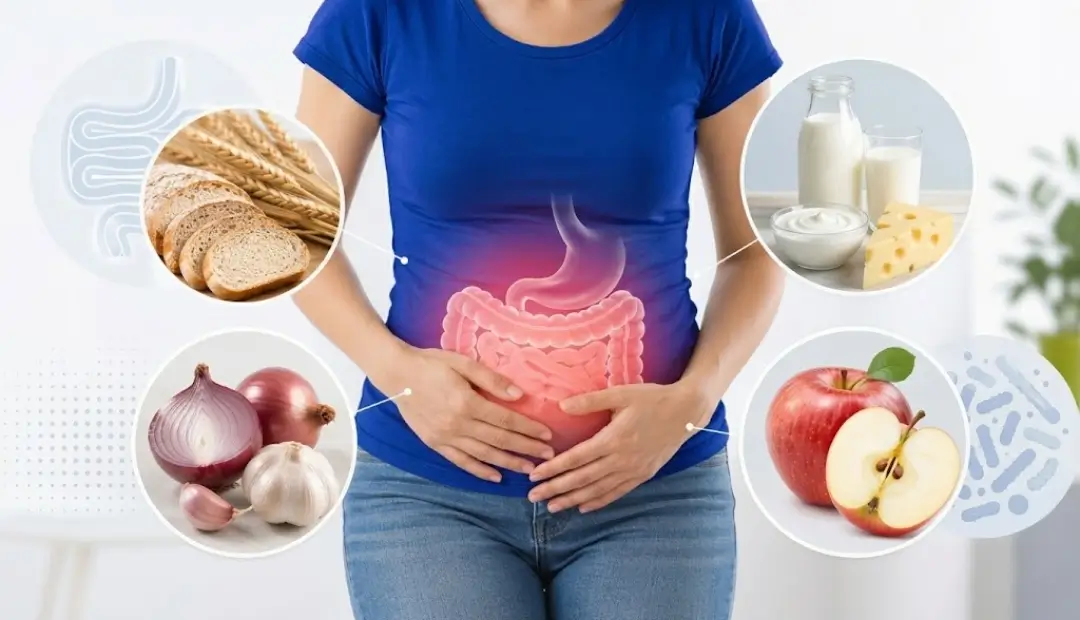
You choose fresh vegetables, whole grains, beans, and fruit because you want to feel healthier. Yet, a few hours after eating, your stomach feels tight, uncomfortable, and noticeably larger than usual. If you regularly experience a stomach swollen and bloated after nutritious meals, your food choices may deserve a closer look.
This experience can feel especially frustrating when you are trying to improve your health. You may start avoiding social meals, loosening your clothes, or questioning whether your healthy eating habits are actually helping. The good news is that certain foods can cause digestive discomfort without being unhealthy or necessarily harmful.
Understanding how your digestive system responds to different foods can help you identify possible triggers. You may not need to abandon healthy eating or remove entire food groups from your diet. Often, the amount you eat, how quickly you increase fiber, and your individual digestive sensitivity make a meaningful difference.
Why Can Healthy Foods Make Your Stomach Swollen and Bloated?
Many nutritious foods contain fiber and carbohydrates that your digestive system does not completely break down in the small intestine. These substances travel into the large intestine, where naturally occurring bacteria help break them down. This fermentation process produces gas, which can contribute to bloating, pressure, and abdominal discomfort.
Your Food Choices May Not Explain Everything
Discover an overlooked perspective on why nutritious foods can leave your stomach feeling swollen and uncomfortable.
This process is normal and does not automatically indicate a digestive disorder. However, some people produce more noticeable symptoms after eating certain fermentable carbohydrates. The National Institute of Diabetes and Digestive and Kidney Diseases (NIDDK) explains how particular carbohydrates can increase gas when intestinal bacteria break them down.
Your digestive system also responds to portion sizes, eating habits, bowel movements, and individual food tolerance. A meal that feels comfortable for one person may cause significant pressure for someone else. That difference does not mean either person is eating incorrectly.
Healthy Foods That May Trigger Bloating and Gas
Some foods have excellent nutritional value but contain carbohydrates that can produce more gas during digestion. Their effects depend on the amount consumed and how sensitive your digestive system is. Recognizing common triggers can help you make adjustments without unnecessarily restricting your diet.
1. Beans, Lentils, and Chickpeas
Beans, lentils, and chickpeas provide plant-based protein, fiber, minerals, and other valuable nutrients. However, they also contain certain carbohydrates that the small intestine cannot fully digest. Gut bacteria ferment these carbohydrates, sometimes producing enough gas to make your abdomen feel tight or swollen.
This can become particularly noticeable when you suddenly increase your intake of legumes. A large serving of lentils or chickpeas may cause more discomfort than a smaller portion. You can try smaller servings, increase them gradually, and rinse canned beans thoroughly before eating.
2. Broccoli, Cauliflower, and Cabbage
Cruciferous vegetables are rich in fiber and contain beneficial plant compounds. Broccoli, cauliflower, Brussels sprouts, and cabbage can also contribute to gas in some people. Their fermentable carbohydrates may become more noticeable when you eat large portions or combine several of these vegetables in one meal.
You do not necessarily need to eliminate these vegetables from your diet. Try smaller portions and see whether cooked vegetables feel more comfortable than large servings of raw vegetables. Individual responses vary, so your own symptoms provide useful clues.
3. Apples, Pears, and Certain Other Fruits
Fresh fruit offers vitamins, minerals, antioxidants, and dietary fiber. However, apples and pears contain fructose and other fermentable carbohydrates that may trigger symptoms in sensitive individuals. Eating several pieces of fruit in a short period can increase the amount your digestive system needs to process.
Dried fruit may also cause problems because its natural sugars and carbohydrates become concentrated in smaller portions. You might tolerate a small serving of fresh fruit better than a handful of dried fruit. Keeping portions moderate can help you enjoy fruit while identifying your personal tolerance.
4. Whole Grains and High-Fiber Cereals
Whole-wheat bread, bran cereals, oats, and other whole grains can support digestive health. Their fiber content helps bowel movements, but a sudden increase can temporarily produce more gas. This may leave your stomach swollen and bloated, particularly if your previous diet contained relatively little fiber.
Some people also experience symptoms after eating wheat-based foods because of specific carbohydrate sensitivities or underlying digestive conditions. Gluten itself is not the cause of every reaction to wheat. If symptoms repeatedly follow wheat consumption, a healthcare professional can help determine whether testing or dietary adjustments are appropriate.
There May Be Another Piece Missing
Explore why fiber-rich foods sometimes increase digestive discomfort and what your gut may be responding to.
5. Onions and Garlic
Onions and garlic add flavor to many healthy meals. They also contain fructans, a type of fermentable carbohydrate that can cause gas and bloating in some people. Even relatively small amounts may trigger symptoms in individuals with greater sensitivity.
Pay attention to sauces, soups, marinades, and prepared meals because they often contain onion or garlic. You may not notice these ingredients when they appear in several different foods throughout the day. Identifying repeated exposure can help explain symptoms that otherwise seem unpredictable.
6. Dairy Products and Certain Yogurts
Milk and yogurt provide protein, calcium, and other nutrients. However, people who have difficulty digesting lactose may experience gas, abdominal discomfort, and bloating after consuming dairy products. Symptoms can vary depending on the amount of lactose and the individual’s ability to digest it.
Some people tolerate hard cheeses or lactose-free milk better than regular milk. Others may find that certain yogurt products cause discomfort despite their reputation for supporting gut health. If dairy consistently triggers symptoms, discuss appropriate alternatives with a healthcare professional.
Why Your Stomach May Become More Bloated Throughout the Day
Have you noticed that your abdomen looks relatively flat in the morning but becomes larger by the evening? This pattern can happen as food, fluids, and gas move through your digestive tract during the day. Repeated meals may also introduce additional fermentable carbohydrates, increasing the feeling of fullness and pressure.
Constipation can make this pattern more noticeable. When stool moves slowly through the colon, gas and intestinal contents may contribute to discomfort and abdominal distension. If your bowel movements are infrequent or difficult, constipation may be part of the problem rather than the specific foods you eat.
Eating quickly can add another factor by increasing the amount of air you swallow. Large meals, fizzy drinks, and frequent chewing gum can also contribute to gas symptoms. The NIDDK’s dietary guidance for digestive gas discusses practical eating and drinking habits that may help reduce these symptoms.
Could Food Sensitivity Explain Why Your Stomach Feels Swollen?
If you repeatedly experience bloating after particular meals, food intolerance may be worth discussing with a healthcare professional. Lactose intolerance is one example, but some people also have difficulty absorbing certain carbohydrates. These reactions can produce gas, abdominal pain, and changes in bowel habits.
Some fermentable carbohydrates belong to a group called FODMAPs. The term refers to fermentable oligosaccharides, disaccharides, monosaccharides, and polyols. These carbohydrates can draw water into the intestine and undergo fermentation, potentially increasing symptoms in susceptible people.
People with irritable bowel syndrome (IBS) may experience greater sensitivity to these digestive changes. They can feel significant pain or pressure even when the amount of gas is not unusually high. However, bloating alone cannot establish an IBS diagnosis.
A low-FODMAP diet may help some people with IBS, but it involves more than simply avoiding healthy foods. It usually includes a structured restriction period followed by gradual food reintroduction to identify personal triggers. The American Gastroenterological Association’s clinical guidance recommends professional guidance when dietary modifications are needed.
Your Daily Digestive Pattern Matters
Learn about an often-overlooked factor that may help explain recurring pressure, fullness, and abdominal swelling.
How to Reduce Bloating Without Giving Up Healthy Foods
The goal is not to remove every food that might produce gas. Instead, aim to discover which foods, portions, and eating habits contribute to your symptoms. A few gradual adjustments can help you maintain a varied diet while making meals more comfortable.
1. Increase Fiber Gradually
Fiber supports regular bowel movements and contributes to overall digestive health. However, increasing your intake too quickly can overwhelm your digestive system’s current tolerance. Add high-fiber foods gradually rather than changing your entire diet overnight.
For example, start with a smaller serving of beans or whole grains. Give your body time to adjust before increasing the amount. Drinking enough fluids also helps fiber perform its role in supporting bowel movements.
2. Pay Attention to Portion Sizes
Even nutritious foods can cause discomfort when you eat large amounts at once. A large bowl of lentils, several servings of fruit, and a generous portion of raw vegetables may create a substantial digestive workload. Smaller portions spread across meals may feel more comfortable.
You can also avoid combining several foods that commonly trigger your symptoms in one sitting. For example, a meal containing beans, onions, cauliflower, and a large whole-grain serving may be difficult for some people to tolerate. Try adjusting one component at a time so you can recognize meaningful differences.
3. Eat Slowly and Chew Thoroughly
Eating too quickly can cause you to swallow more air. This may contribute to burping, gas, and abdominal discomfort after meals. Slowing down gives you more time to chew food and recognize when you feel comfortably satisfied.
Try sitting down during meals rather than eating while rushing between activities. Avoid talking continuously while chewing, and limit frequent gum chewing if it seems to worsen your symptoms. These simple habits may reduce unnecessary air swallowing.
4. Cook Vegetables and Adjust Their Preparation
Some people find cooked vegetables easier to tolerate than large portions of raw vegetables. Steaming, roasting, or boiling can change their texture and make them easier to chew. However, cooking does not remove every fermentable carbohydrate, so individual responses still matter.
Start with vegetables you already tolerate well. Introduce other varieties in smaller portions and observe how you feel afterward. This approach helps preserve nutritional variety without forcing you to eat foods that repeatedly cause discomfort.
5. Keep a Food and Symptom Diary
When your stomach feels swollen and bloated, it can be tempting to blame whatever you ate most recently. However, digestive symptoms may develop several hours after a meal. A food diary can help reveal patterns that are difficult to recognize from memory alone.
Record your meals, approximate portions, symptoms, and bowel movements for a couple of weeks. Note when the discomfort begins and how long it lasts. Share these observations with a healthcare professional if the pattern continues.
Perhaps You’re Missing Another Clue
Discover another way to look at persistent bloating and explore what may be affecting your digestive comfort.
6. Stay Hydrated and Move Regularly
Drinking enough water supports normal digestion and helps fiber work effectively. Regular physical activity can also support bowel movements and may ease some bloating symptoms. Even a comfortable walk after eating may help you feel less sluggish.
You do not need an intense exercise routine to benefit from regular movement. Try walking consistently and avoid remaining seated for long periods when possible. Choose an activity that fits your health, mobility, and daily schedule.
When Does a Stomach Swollen and Bloated Need Medical Attention?
Occasional bloating after a large or fiber-rich meal is common. However, persistent or recurring symptoms deserve attention, especially when dietary adjustments do not improve them. A healthcare professional can review your symptoms and determine whether further evaluation is appropriate.
Possible causes include constipation, food intolerance, IBS, and celiac disease. Other digestive conditions can also produce abdominal swelling or discomfort. Your symptoms, medical history, examination, and sometimes specific tests help guide the evaluation.
Do not start a strict gluten-free diet before discussing testing if celiac disease is a possibility. Removing gluten can affect the accuracy of certain diagnostic tests. A clinician can advise you about the correct testing process.
Arrange a medical assessment if bloating occurs frequently, does not go away, or comes with unexplained weight loss or blood in your stool. Persistent changes in bowel habits also deserve attention. The NHS guidance on bloating explains when to seek medical advice and lists symptoms that require urgent assessment.
Seek urgent medical care if abdominal swelling occurs with severe or sudden pain, repeated vomiting, fever, or an inability to pass stool or gas. These symptoms may indicate a problem that needs prompt evaluation. Do not assume that severe or rapidly worsening symptoms come from ordinary food-related gas.
Healthy Eating Should Not Mean Living With Constant Bloating
Choosing nutritious foods is an important part of supporting your long-term health. But a healthy diet should also work with your digestive system rather than leave you uncomfortable after every meal. If your stomach feels swollen and bloated regularly, your individual food tolerance deserves attention.
You may discover that smaller portions, gradual fiber increases, or different food combinations make a noticeable difference. You may also identify an intolerance or digestive condition that requires professional guidance. The most useful approach is to investigate patterns instead of eliminating foods without a clear reason.
Remember that bloating does not automatically mean you are eating badly or that healthy foods are harming your body. It is a symptom with several possible explanations, and the right response depends on its cause. With careful observation and appropriate support, you can work toward meals that nourish you without causing unnecessary discomfort.
What If Healthy Foods Aren’t the Only Trigger?
Discover why your stomach can stay swollen and bloated, even when you carefully choose nutritious foods.
Watch now to explore an overlooked factor behind recurring bloating and learn what may be disrupting your natural digestive balance.