


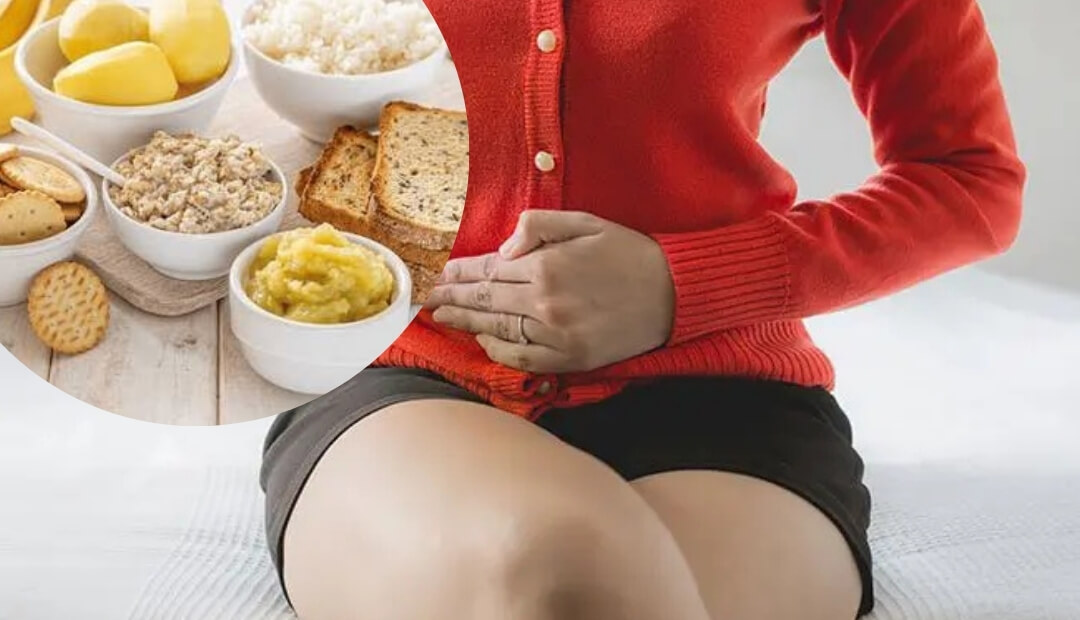
You eat reasonably well, drink water, and try to stay active, yet your bathroom routine feels increasingly unpredictable. When bowel movements become difficult, knowing which foods that make you poop may help you understand where to start. But food is only one part of the picture, especially when constipation keeps returning.
Perhaps you sit on the toilet longer than you used to, strain without much success, or leave feeling that your bowels have not emptied completely. These experiences can make ordinary mornings stressful and leave you uncomfortable throughout the day. You may even start planning errands, trips, and social activities around the possibility of needing a bathroom.
Constipation becomes particularly frustrating when simple advice does not seem to work. Eating more vegetables or drinking another glass of water may help some people, but persistent symptoms can have several causes. Understanding how food, intestinal movement, medications, and daily habits work together can help you choose a more useful approach.
What Does It Mean When Your Bowel Movements Slow Down?
Constipation is not simply the absence of a bowel movement every single day. It can involve fewer than three bowel movements per week, hard or lumpy stools, painful passing, or a feeling that evacuation remains incomplete. Some people also experience bloating, abdominal discomfort, or excessive straining.
The Missing Piece May Surprise You
Learn why even fiber-rich foods may not solve persistent constipation and what else could influence your bowel movements.
There is no single bowel schedule that suits everyone. Some healthy people naturally go less frequently, while others have daily bowel movements. What matters is your usual pattern, stool consistency, and whether passing stool has become difficult or uncomfortable.
According to the National Institute of Diabetes and Digestive and Kidney Diseases, constipation includes several symptoms beyond infrequent bowel movements. Recognizing these symptoms can help you describe the problem more clearly to a healthcare professional.
Foods That Make You Poop: Why Fiber Matters
Fiber is one of the most important dietary factors affecting bowel regularity. Unlike many other food components, fiber is not completely broken down during digestion. Certain types help hold water in stool, while others add bulk and support movement through the digestive tract.
When your diet contains too little fiber, stools may become harder and more difficult to pass. Increasing fiber intake can help improve regularity, although results depend on your overall health and the cause of constipation. Adding more fiber gradually is usually more comfortable than making a sudden dramatic change.
The NIDDK dietary guidance recommends approximately 22 to 34 grams of fiber daily for adults, depending on age and sex. Your individual needs may differ, so a dietitian can help you choose a suitable target.
9 Foods That May Help You Have More Regular Bowel Movements
Several everyday foods provide fiber or other components that may support bowel regularity. They are not instant cures, and no single food works for everyone. However, including suitable choices consistently can improve the overall quality of your diet.
1. Prunes: A Popular Food for Constipation
Prunes are dried plums that provide dietary fiber and naturally occurring sorbitol. Sorbitol is a sugar alcohol that can draw water into the intestines, potentially helping soften stool. This combination makes prunes one of the better-known foods used to support bowel regularity.
Some clinical research has compared prunes with psyllium, a commonly used fiber supplement. Findings suggest that prunes can help improve certain constipation-related outcomes, although they do not guarantee relief for everyone. Start with a modest serving because larger amounts may cause gas, bloating, or loose stools.
Prune juice is another option, although it may contain less fiber than whole prunes. Check the label because products differ in their ingredients and added sugars. If you have diabetes or need to monitor carbohydrate intake, consider portion size as part of your overall meal plan.
2. Kiwi: A Fruit Worth Considering
Kiwi provides fiber and contains water, making it a useful addition to a balanced diet. Research has investigated its potential benefits for people with chronic constipation. Some findings suggest that eating kiwi regularly may improve bowel frequency and certain digestive symptoms.
A 2023 systematic review examined several foods and drinks for chronic constipation in adults. It found that fruit, particularly kiwi, may improve stool frequency, although the available studies were limited. More recent dietary guidance also discusses kiwi as a possible option for people experiencing constipation.
Some evidence-based dietary recommendations suggest trying two to three kiwifruits daily for at least four weeks. This is not a guaranteed treatment or a requirement for everyone. If kiwi causes discomfort or you have an allergy, choose another suitable fiber source.
3. Apples: Keep the Skin When You Can
Apples offer a combination of soluble and insoluble fiber. Their soluble fiber includes pectin, while the skin contributes additional insoluble fiber. Eating a whole apple can therefore provide more fiber than drinking filtered apple juice.
Apples are convenient because they require little preparation and fit easily into snacks or meals. You can slice one into oatmeal, combine it with plain yogurt, or eat it between meals. Choose whole fruit more often than juice when your goal is to increase dietary fiber.
However, apples may trigger bloating in some people, particularly those sensitive to certain fermentable carbohydrates. If you notice discomfort after eating them, reduce the portion or try another fruit. The best food choice is one that supports your bowel habits without creating additional symptoms.
4. Pears: Fiber and Natural Sorbitol
Pears contain dietary fiber and naturally occurring sorbitol. These components may help support softer stools and more comfortable bowel movements. Eating the fruit with its skin provides additional fiber compared with peeling it.
A fresh pear can work as a snack or an addition to breakfast. You can also combine chopped pear with oats or other fiber-rich foods. As with other fruits, increase your intake gradually if your current diet contains little fiber.
People who experience frequent gas or bloating may find that pears do not suit them in large portions. Try a smaller serving and observe how your digestive system responds. There is no need to force a particular fruit if another option feels more comfortable.
5. Oatmeal: An Easy Way to Add Soluble Fiber
Oats contain beta-glucan, a type of soluble fiber that absorbs water and forms a gel-like substance. Including oatmeal in breakfast can help increase your daily fiber intake. It also provides a convenient alternative to many low-fiber breakfast pastries and refined cereals.
Prepare oats with milk or water and add fruit, nuts, or seeds. This combination can provide several types of fiber in one meal. Choose plain oats when possible, since some flavored instant products contain substantial added sugar.
Oatmeal is not a laxative, and its effect depends on your overall diet. If you are not accustomed to eating much fiber, begin with a smaller serving. Increase the amount gradually while maintaining adequate fluid intake.
6. Beans and Lentils: Powerful Sources of Dietary Fiber
Beans, chickpeas, and lentils provide substantial amounts of fiber. They also supply plant-based protein and several important nutrients. Adding them to meals can help increase fiber intake without relying entirely on fruit or supplements.
Try lentil soup, chickpea salad, or beans alongside vegetables and whole grains. Canned beans can also be convenient, especially when rinsed before use. If legumes cause gas, start with smaller portions and increase them as tolerated.
Some people experience more bloating when they suddenly increase their intake of beans. This does not mean legumes are unhealthy or unsuitable for everyone. Gradual changes and careful portion sizes may improve tolerance.
Look Beyond What You Eat
Explore an overlooked explanation for recurring constipation and discover why identifying the underlying cause matters.
7. Broccoli and Other Vegetables
Broccoli, carrots, green peas, and leafy vegetables contribute fiber to everyday meals. They also provide vitamins, minerals, and other beneficial plant compounds. Eating a variety of vegetables can make it easier to meet your daily fiber needs.
You do not need to eat large bowls of raw vegetables to benefit. Cooked vegetables may be easier to tolerate if raw foods make you feel bloated. Add them to soups, stews, omelets, or main meals.
Pay attention to how your body responds to different vegetables. Some may increase gas, particularly when portions become large. A varied diet gives you alternatives without forcing foods that consistently cause discomfort.
8. Chia Seeds and Flaxseeds
Chia seeds and flaxseeds contain fiber that can absorb water. When mixed with liquid, chia seeds develop a gel-like texture. Ground flaxseed can also be added to oatmeal, yogurt, or smoothies.
Start with a small amount and increase it gradually. Drink adequate fluids when adding concentrated fiber sources to your meals. Eating large quantities suddenly may lead to bloating or abdominal discomfort.
Choose ground flaxseed when possible because grinding makes its nutrients easier to access. Store it according to package instructions to maintain freshness. If you have swallowing difficulties or a digestive condition, ask a healthcare professional before using concentrated fiber products.
9. Whole-Grain Bread and Rye
Whole-grain bread generally contains more fiber than bread made with refined white flour. Rye bread has also been studied for its potential effects on bowel function. Choosing whole grains more often can improve the fiber content of your daily meals.
Look for products that list whole grains near the beginning of the ingredient list. Compare nutrition labels because not every brown-looking loaf contains substantial fiber. You can also rotate whole-grain bread with oats, barley, and other suitable grains.
Research on rye bread suggests possible benefits for certain constipation-related outcomes, but the evidence remains limited. It should be viewed as one useful dietary option rather than a stand-alone treatment. Variety is more practical than depending on one specific grain.
Why Foods That Make You Poop May Not Solve Everything
Eating more fiber can help, but persistent constipation does not always come from a low-fiber diet. Your colon moves stool through coordinated muscular contractions, and problems with this movement can slow bowel transit. Certain medications and medical conditions can also interfere with normal bowel function.
Another possibility involves the pelvic floor muscles. These muscles need to relax in a coordinated way when you pass stool. If they do not work together properly, you may strain or feel blocked even when stool has reached the rectum.
This explains why some people continue struggling despite eating foods that make you poop. Simply adding more fiber may not correct a coordination problem or a medication-related side effect. If symptoms continue, a medical assessment can help identify the reason.
Other Reasons Your Bowel Movements May Be Slowing Down
Not Drinking Enough Fluids
Fluids help fiber work effectively and support softer stool. When you become dehydrated, constipation may become more likely, particularly if your diet also lacks fiber. However, drinking excessive amounts of water will not necessarily fix constipation when hydration is already adequate.
Understand Your Constipation More Deeply
Watch to explore what may contribute to persistent constipation and learn about an approach beyond simply adding more fiber.
Too Much Sitting and Too Little Movement
Long periods of inactivity may contribute to irregular bowel habits. Regular physical activity supports general health and may help relieve constipation symptoms. Walking, swimming, or other activities suited to your ability can be useful starting points.
Ignoring the Urge to Use the Bathroom
Repeatedly postponing bowel movements can interfere with your normal bathroom routine. Busy schedules, travel, and uncomfortable public restrooms may encourage this habit. Try responding to the urge when it appears and allow yourself enough time without excessive straining.
Medications and Health Conditions
Some pain medicines, iron supplements, antidepressants, and other medications can contribute to constipation. Conditions such as diabetes, hypothyroidism, and certain neurological disorders may also affect bowel function. Review possible side effects with your doctor or pharmacist rather than stopping prescribed medication yourself.
How to Use Foods That Make You Poop More Effectively
Start by reviewing what you currently eat rather than changing everything at once. If your diet contains little fiber, introduce fruits, vegetables, legumes, and whole grains gradually. This approach can help your digestive system adjust and make it easier to identify foods that suit you.
Drink enough fluids to support your fiber intake, especially when increasing whole grains or using fiber supplements. Adults generally need around 22 to 34 grams of fiber daily, although individual requirements vary. Your healthcare professional can help determine a suitable target based on your health and dietary needs.
Build a consistent bathroom routine and avoid repeatedly ignoring natural urges. Some people find it helpful to sit on the toilet after breakfast, when eating can stimulate bowel activity. A small footstool may also help create a more comfortable position during bowel movements.
Keep track of your symptoms, food choices, and bowel patterns for a short period. Notice whether certain foods improve stool consistency or cause uncomfortable bloating. This simple record can also help your healthcare professional understand what you have already tried.
When Should You See a Doctor About Constipation?
Occasional constipation may improve with dietary and lifestyle adjustments. However, persistent symptoms deserve attention, especially when they interfere with daily activities or do not respond to reasonable self-care. A doctor can review your symptoms, medications, medical history, and possible underlying causes.
Seek medical advice if you notice blood in your stool, rectal bleeding, unexplained weight loss, or ongoing abdominal pain. A persistent or sudden change in bowel habits also deserves evaluation. These symptoms do not automatically mean something serious, but they should not be ignored.
Get urgent medical help if constipation occurs with severe abdominal pain, vomiting, fever, or an inability to pass gas. These symptoms may indicate a problem that requires prompt assessment. Do not try to manage severe symptoms by simply adding more fiber or taking laxatives.
A Better Approach to More Comfortable Bowel Movements
Struggling to poop regularly can affect much more than your time in the bathroom. It can leave you uncomfortable, distracted, and frustrated when ordinary habits become difficult. The important thing is to understand that constipation has several possible causes, not just a shortage of water or vegetables.
Foods that make you poop, including prunes, kiwi, pears, oats, beans, and whole grains, can support bowel regularity. Their benefits depend on your overall diet, individual tolerance, and the reason your bowel movements have slowed down. No single food can guarantee daily bowel movements or replace appropriate medical treatment.
Start with gradual dietary improvements, adequate fluids, regular movement, and a consistent bathroom routine. If constipation keeps returning, do not assume you simply need to try harder or eat more fiber. Finding the underlying cause can help you move toward a more comfortable and sustainable solution.
What If Food Isn’t the Whole Answer?
Discover why some people remain constipated despite eating fiber-rich foods, and what may be slowing their bowel movements.
Watch now to explore a different perspective on digestive health and learn about an approach you may not have considered.