


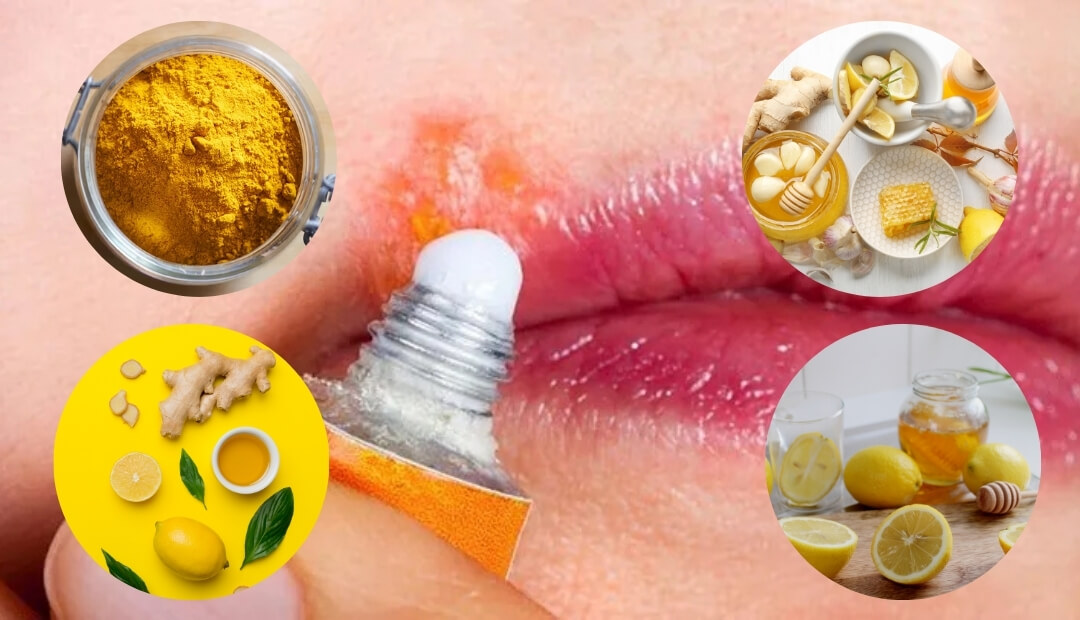
A cold sore can make even the simplest daily activities uncomfortable. Smiling, eating, talking, and applying lipstick may suddenly cause burning or pulling around your lips. Fortunately, several home remedies for cold sores can help soothe irritation while your skin heals.
The discomfort often feels worse when the blister becomes dry or develops a tight crust. You may worry about accidentally reopening it or making the surrounding skin more irritated. Understanding what helps, what to avoid, and when medical treatment matters can make this experience easier.
Why Cold Sores Make Your Lips So Painful and Irritated
Cold sores usually develop because of the herpes simplex virus, most commonly HSV-1. After the first infection, the virus remains inactive inside nearby nerve cells and can reactivate later. When it does, you may notice tingling, itching, burning, or tenderness before a blister appears.
The blister may eventually break, release fluid, and form a crust as it heals. During this stage, the skin around your mouth can feel dry, sensitive, and uncomfortable. Even normal movements can stretch the affected area and make the irritation more noticeable.
Common triggers include sunlight, stress, illness, fatigue, hormonal changes, and injuries around the lips. However, triggers differ between individuals, and some outbreaks appear without an obvious explanation. The American Academy of Dermatology explains common cold sore triggers.
There May Be More to the Discomfort
Discover another perspective on the factors behind cold sore discomfort and what may be worth understanding beyond surface relief.
Home Remedies for Cold Sores That Can Soothe Discomfort
Home care cannot remove the herpes virus or guarantee that an outbreak will heal faster. However, gentle measures can reduce discomfort and protect sensitive skin while healing takes place. The following home remedies for cold sores focus on comfort, moisture, and avoiding further irritation.
1. Apply a Cool, Damp Compress
A cool compress can temporarily soothe burning, tenderness, and swelling around a cold sore. Wet a clean, soft washcloth with cool water and gently place it against the affected area. Leave it there briefly, then remove it without rubbing or scrubbing your skin.
You can repeat this several times throughout the day whenever discomfort becomes distracting. Always use a clean cloth and avoid sharing towels or washcloths with other people. Never apply ice directly to your lips because extreme cold may irritate sensitive skin.
A cool compress offers temporary comfort rather than antiviral treatment. It also helps you avoid repeatedly touching the blister when you feel tempted to scratch or pick at it. If the area becomes more painful after cooling, stop and allow your skin to rest.
2. Protect Dry Lips With Petroleum Jelly
Dryness can make an already painful cold sore feel even more uncomfortable. When the surface becomes tight, ordinary movements may pull at the crust and surrounding skin. A thin layer of plain petroleum jelly can help protect the area and reduce moisture loss.
Apply it gently with a clean cotton swab rather than rubbing the affected skin. Avoid dipping a used swab back into the container because this may contaminate the product. Choose a simple, fragrance-free option without unnecessary ingredients that could irritate your lips.
Petroleum jelly does not kill HSV or cure an active outbreak. Its purpose is to protect the skin and reduce dryness while your body heals. The American Academy of Dermatology recommends keeping lips moisturized as part of cold sore self-care.
3. Avoid Picking or Removing the Crust
The crust that forms over a cold sore may look dry, uneven, or unattractive. You might feel tempted to remove it because it catches your attention whenever you look in the mirror. However, picking at the crust can cause bleeding, additional irritation, and delayed healing.
Allow the affected skin to heal naturally instead of trying to speed up the process manually. Keep the area gently protected with petroleum jelly if dryness causes discomfort. If the crust cracks, avoid pulling at loose skin or forcing it to separate.
Remember that a cold sore remains contagious until it has completely healed. Touching the blister can transfer the virus to your fingers or other areas of your body. Wash your hands whenever you accidentally touch the affected area.
4. Use a Cold Sore Patch Carefully
Cold sore patches can cover the affected area and reduce direct contact with the blister. Some people find them helpful because they make accidental touching less likely. They may also provide a protective barrier against everyday friction.
Follow the manufacturer’s instructions and apply the patch with clean hands. Avoid repeatedly removing and replacing it because unnecessary handling may irritate the surrounding skin. Stop using the product if you notice increasing redness, itching, or discomfort.
A patch does not eliminate the virus or guarantee faster healing. It also does not make kissing or close skin contact safe during an outbreak. Consider it a practical protective option rather than a substitute for medical treatment.
Look Beyond Dry, Cracked Skin
Watch to explore ideas about recurring cold sores, everyday triggers, and factors that may deserve more attention.
5. Choose Gentle Foods and Stay Hydrated
Eating can become surprisingly uncomfortable when a cold sore affects the edge of your mouth. Salty, spicy, or acidic foods may sting when they touch broken or sensitive skin. You may find softer, mild foods easier to manage until the area feels better.
Try foods such as oatmeal, eggs, yogurt, or other options that do not irritate your lips. Drink enough water throughout the day, especially if discomfort makes eating and drinking difficult. Avoid very hot drinks if heat increases the burning sensation.
There is no special diet proven to cure cold sores or eliminate HSV. You do not need to follow restrictive food rules during an outbreak. Simply notice which foods cause discomfort and temporarily choose alternatives.
6. Protect Your Lips From Sun Exposure
Sun exposure can trigger cold sores in some people, particularly those who experience recurring outbreaks. Ultraviolet light may contribute to viral reactivation in susceptible individuals. Protecting your lips outdoors can therefore be a useful preventive habit.
Choose a broad-spectrum lip balm with SPF 30 or higher. Reapply it according to the product instructions, especially after eating, drinking, or swimming. A wide-brimmed hat and shade can provide additional protection during strong sunlight.
During an active outbreak, avoid sharing lip balm with anyone else. Consider using a disposable applicator to prevent contaminating the product. The AAD’s cold sore treatment guidance also discusses sun protection and antiviral options.
7. Give Your Lips a Break From Irritating Products
When your lips feel sore, ordinary cosmetics can become another source of irritation. Lipstick, fragranced balms, exfoliating scrubs, and flavored products may cause stinging. Applying several products can also make it difficult to identify what is irritating your skin.
Keep your routine simple until the outbreak has healed. Avoid exfoliating, scrubbing, or applying harsh products to the affected area. If a product causes burning or redness, stop using it and rinse gently with water.
It is also sensible to avoid sharing lipstick, lip gloss, towels, cups, and eating utensils during an outbreak. These precautions reduce opportunities for the virus to spread through direct contact or contaminated items. Replace lip products that directly touched an active cold sore after the outbreak resolves.
What Home Remedies for Cold Sores Cannot Do
It is important to understand the difference between soothing symptoms and treating the underlying infection. Cool compresses, moisturizers, and protective patches may make your lips feel more comfortable. However, none of these measures can remove HSV from the body or guarantee that another outbreak will not occur.
You may encounter online suggestions involving toothpaste, rubbing alcohol, lemon juice, garlic, or undiluted essential oils. These substances can irritate delicate skin and may make painful areas feel worse. Avoid applying harsh household ingredients to blisters or broken skin.
Some supplements and natural products also receive attention as possible cold sore remedies. However, evidence varies, and many popular claims have not been established through strong clinical research. Discuss supplements with a healthcare professional, especially if you take medication or have an ongoing health condition.
When Antiviral Treatment May Help More Than Home Care
Sometimes, home care does not provide enough relief from a painful outbreak. Antiviral medicines can help shorten an episode, particularly when treatment begins early. Depending on your situation, a clinician may recommend acyclovir, valacyclovir, or another appropriate antiviral medicine.
Some antiviral creams are available without a prescription in certain countries. Oral antiviral tablets may be more appropriate for severe, frequent, or particularly uncomfortable outbreaks. Your doctor or pharmacist can help determine which option suits your symptoms and medical history.
The Bigger Picture May Surprise You
Explore a different perspective on HSV, recurring symptoms, and the everyday factors discussed in the video.
Early treatment matters because cold sores often begin with tingling or burning before blisters become visible. If you experience recurring outbreaks, ask your healthcare professional about a plan for starting treatment promptly. The Mayo Clinic explains cold sore treatments and self-care options.
How to Prevent Cold Sores From Disrupting Your Routine
Once an outbreak heals, you may want to reduce the chances of experiencing another uncomfortable episode. Although prevention is not always possible, recognizing personal triggers can help you make practical adjustments. Start by noticing whether outbreaks follow periods of stress, illness, poor sleep, or strong sunlight.
Keep a simple record of outbreaks and possible triggers. Include details such as sleep patterns, outdoor activities, illness, and changes in your routine. Over time, these notes may help you identify patterns that are relevant to your situation.
Protecting your lips from dryness and sunlight may also support healthier skin. Maintain a regular sleep schedule and use realistic ways to manage everyday stress. These habits support general well-being, although they cannot guarantee protection from future outbreaks.
How to Avoid Spreading a Cold Sore While It Heals
Cold sores can spread through direct contact with an active sore or nearby affected skin. Transmission can begin when you first notice tingling and continue until the area completely heals. Taking a few precautions can help protect the people around you.
Avoid kissing and oral sex while symptoms are present. Do not share lip balm, lipstick, drinking glasses, towels, razors, or eating utensils. Wash your hands before and after applying any product to the affected area.
Be especially careful around newborn babies because herpes infections can be dangerous for them. Never kiss a baby while you have an active cold sore or warning symptoms. If you are unsure about protecting someone vulnerable, ask a healthcare professional for guidance.
When Should You See a Doctor About a Cold Sore?
Most uncomplicated cold sores improve without medical treatment. However, certain symptoms deserve professional attention rather than continued home care. Contact a healthcare professional if the sore becomes unusually painful, spreads, or does not begin healing as expected.
Seek prompt medical advice if a cold sore appears near your eye or you develop eye pain, redness, light sensitivity, or blurred vision. Herpes infections involving the eye can threaten eyesight without appropriate treatment. Do not wait for home remedies to improve these symptoms.
You should also seek advice if outbreaks happen frequently or interfere with eating, drinking, or everyday activities. People with weakened immune systems may face a greater risk of severe or widespread infection. Medical guidance is particularly important during pregnancy or when a newborn may have been exposed.
If you are unsure whether the problem is actually a cold sore, arrange an assessment. Other conditions can cause painful blisters, cracks, or irritation around the mouth. A healthcare professional can examine the area and recommend testing or treatment when needed.
Making Cold Sore Recovery More Comfortable
Dealing with painful, dry, and irritated lips can affect more than your physical comfort. You may feel self-conscious during conversations, avoid photographs, or worry that others will notice the sore. These feelings are understandable, but a cold sore is a common viral condition and nothing to feel ashamed about.
The most helpful home remedies for cold sores are often simple measures that protect irritated skin. Cool compresses, plain petroleum jelly, gentle foods, and sun protection can make the healing period more manageable. Avoid picking at blisters, sharing personal products, or applying harsh ingredients that may worsen irritation.
Remember that home care supports comfort rather than replacing antiviral treatment when you need it. If symptoms are severe, frequent, unusual, or close to your eyes, seek medical advice. With gentle care and appropriate treatment, you can manage discomfort while giving your lips time to heal.
Could There Be More to Cold Sore Relief?
Soothing painful, dry lips is only part of the picture. Discover another perspective on what may influence recurring cold sores.
Explore the approach presented in the video, including overlooked factors, everyday habits, and ideas worth understanding about recurring outbreaks.