


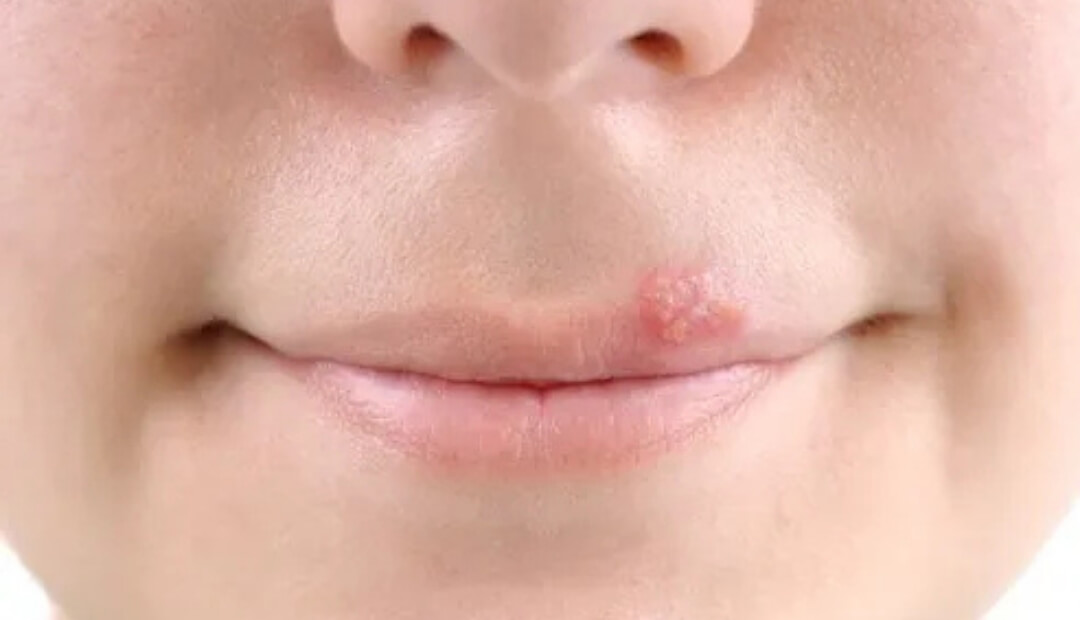
A herpes cold sore on lip can appear just before an important meeting, family gathering, or special occasion. You may suddenly notice tingling, redness, or a small blister near your mouth. What seems like a minor skin problem can quickly become an uncomfortable social experience.
Perhaps you start wondering whether everyone will notice it. You might avoid photographs, conversations, or meeting someone new. Even ordinary activities can feel stressful when you are worried about your appearance.
Cold sores are common, but that knowledge does not always remove the embarrassment. Fortunately, understanding the infection can help you respond calmly and protect others. There are also practical ways to manage symptoms while your skin heals.
Why a Herpes Cold Sore on Lip Can Feel So Embarrassing
Cold sores usually appear on or around the lips. Their visible location makes them difficult to ignore, especially during conversations. Unlike many health concerns, you cannot easily keep the affected area private.
You may become unusually aware of your mouth when speaking or smiling. You might wonder whether people are staring or silently judging you. These thoughts can make a temporary outbreak feel much more significant.
A Cold Sore Can Affect More Than Your Appearance
Discover possible outbreak triggers and explore a different perspective on handling unexpected cold sores.
When an Outbreak Interrupts Your Plans
Imagine preparing for a birthday dinner or an important work presentation. You notice a familiar tingling sensation near your lip that morning. By evening, a small blister has appeared in a very visible place.
Suddenly, you may reconsider your plans or feel uncomfortable meeting people. You might reach for makeup, lipstick, or concealer to hide the spot. However, covering an active cold sore requires care because unnecessary contact can irritate it.
It is understandable to feel disappointed when an outbreak arrives at an inconvenient time. Still, a cold sore does not define your appearance or your worth. It is a common viral condition, not a reflection of personal hygiene or character.
The Emotional Impact of a Visible Cold Sore
Some people feel self-conscious even around friends and relatives. Others worry that people might misunderstand how cold sores spread. These concerns can lead to unnecessary isolation or avoidance.
You may also feel frustrated because outbreaks can return unexpectedly. That uncertainty can make social events feel less predictable. Learning your personal triggers and treatment options may help restore a sense of control.
What Causes a Herpes Cold Sore on Lip?
Cold sores are usually caused by herpes simplex virus type 1, commonly called HSV-1. Less commonly, herpes simplex virus type 2 can also cause oral infections. The virus spreads mainly through direct contact with infected skin or saliva.
After the initial infection, HSV remains in the body. It can stay inactive in nearby nerve cells for long periods. Sometimes, it becomes active again and causes another outbreak.
The Mayo Clinic cold sore overview explains the infection, common triggers, and symptoms. It also describes how oral herpes can spread through close contact. Understanding the virus helps separate medical facts from common misconceptions.
Common Triggers That May Contribute to Outbreaks
Several factors may contribute to cold sore recurrences. These include illness, fever, emotional stress, fatigue, and hormonal changes. Sun exposure and skin irritation can also trigger outbreaks in some people.
However, triggers vary from person to person. Something that precedes your outbreaks may not affect someone else. Keeping a simple symptom diary can help you notice possible patterns.
For example, you might notice outbreaks after long periods outdoors. Another person may experience them during stressful or exhausting weeks. Identifying personal patterns can help you discuss prevention with a healthcare professional.
Recognizing the Early Signs Before the Blister Appears
A cold sore often begins with sensations around the affected area. You may notice tingling, itching, burning, stinging, or tenderness. These warning signs can appear before a visible blister develops.
Within the following days, one or more small fluid-filled blisters may appear. They can become painful before breaking and forming a crust. The area then gradually heals as the skin recovers.
The American Academy of Dermatology symptom guide describes these typical stages. It also explains why early treatment can make a difference. Recognizing familiar warning signs may help you act sooner.
How Long Does a Cold Sore Usually Last?
Most cold sores improve without treatment. The healing period varies, but many resolve within approximately one to two weeks. Some may take longer, particularly during a first episode.
Initially, the blister may look swollen or shiny. After breaking, it can form a crust that gradually becomes smaller. Avoid picking the scab because this may irritate the skin and delay healing.
Remember that appearance alone cannot determine exactly how quickly your cold sore will heal. Treatment timing, individual health, and outbreak severity can all matter. Seek medical advice if the lesion persists or becomes unusually painful.
How to Handle a Cold Sore When You Are in Public
You do not necessarily need to cancel every social activity because of a cold sore. However, you should take precautions to reduce the risk of spreading the virus. A little planning can help you feel more comfortable while protecting others.
1. Avoid Touching or Picking the Cold Sore
It can be tempting to touch the blister or check whether it has changed. Repeated touching may irritate the affected skin. It can also transfer the virus to your fingers or other body areas.
If you accidentally touch the sore, wash your hands with soap and water. Avoid touching your eyes or other sensitive areas afterward. Use a clean cotton swab when applying medication if the product instructions allow it.
Feel More Prepared for Unexpected Outbreaks
Watch to discover another perspective on recurring cold sores and the factors that may influence them.
2. Be Careful With Makeup and Lip Products
You may want to conceal a visible cold sore before leaving home. However, applying cosmetics directly over an active lesion may irritate it. Sharing lipstick, lip balm, or makeup can also spread the virus.
Cold sore patches may provide a protective covering for some people. Ask a pharmacist whether a suitable patch fits your situation. Follow its instructions and avoid applying products that worsen irritation.
Do not share lip products during an outbreak. Replace or clean products that directly contacted the affected area when appropriate. The AAD cold sore self-care advice includes practical hygiene and prevention recommendations.
3. Protect Other People Without Isolating Yourself
Cold sores spread through direct contact, especially kissing and intimate oral contact. Avoid kissing while you experience warning symptoms or have an active sore. Also avoid oral sex until the cold sore has completely healed.
Do not share drinks, utensils, towels, razors, or lip products during an outbreak. Wash your hands after touching the affected area. Take extra care around newborn babies and people with weakened immune systems.
Ordinary conversation or sitting in the same room does not usually spread cold sores. You do not need to treat every social interaction as dangerous. Focus on avoiding direct contact and sharing items that touch your mouth.
4. Prepare a Simple Outbreak Kit
A small personal kit can make unexpected outbreaks easier to manage. Consider keeping your recommended treatment and a clean cotton swab available. You may also include a personal lip balm with sun protection.
Having these items nearby can reduce the urge to improvise. You will know what to use when familiar warning signs appear. This preparation may also help you feel less anxious before social occasions.
What Treatments Can Help a Cold Sore Heal?
There is no treatment that removes herpes simplex virus from the body. However, antiviral medicines can help manage cold sore outbreaks. Some treatments may shorten healing time or reduce symptom severity.
Options include topical antiviral creams and prescription oral antiviral medicines. Examples include acyclovir, valacyclovir, and famciclovir. The best option depends on outbreak severity, timing, medical history, and individual circumstances.
Why Early Treatment Matters
Antiviral treatment often works best when started at the first warning signs. This may mean acting when you notice familiar tingling or burning. Waiting until a blister becomes fully developed may reduce the benefit of some treatments.
A pharmacist can advise whether a suitable nonprescription product is available. A clinician may recommend prescription medication for severe or frequent outbreaks. Follow professional advice rather than combining several products without guidance.
The American Academy of Dermatology treatment guide explains available options. It discusses antiviral creams, oral medicines, and when professional care may help. It also highlights the importance of starting treatment early.
Simple Measures That May Ease Discomfort
Keeping the area comfortable can make daily activities easier. A cool, clean compress may soothe temporary discomfort. Avoid applying ice directly to your lips or using irritating home remedies.
Use a gentle lip moisturizer if dryness makes the area uncomfortable. Choose sun-protective lip balm with broad-spectrum SPF 30 or higher outdoors. Sun protection may help reduce outbreaks in people whose symptoms follow sun exposure.
Drink enough fluids and avoid foods that cause stinging. Acidic or salty foods may irritate an open cold sore. Choose softer foods temporarily if eating becomes uncomfortable.
How to Reduce the Chance of Another Public Outbreak
You cannot always prevent cold sores from returning. However, recognizing personal triggers may help reduce some avoidable risks. Small changes can support general health and protect sensitive lip skin.
Notice Your Personal Triggers
Record when outbreaks occur and what happened beforehand. Include sun exposure, illness, stress, sleep changes, and other possible factors. Over time, you may notice patterns worth discussing with your clinician.
If sunlight appears to trigger outbreaks, use protective lip balm consistently. Reapply it according to the product instructions. Consider wearing a hat when spending extended periods outdoors.
There May Be More to Explore
Discover a different approach to understanding recurring outbreaks and what may happen beneath the surface.
Support Your General Health
Regular sleep, balanced meals, and stress management support overall well-being. These habits do not guarantee that cold sores will disappear. However, avoiding exhaustion and protecting your lips may help reduce some triggers.
If outbreaks happen frequently, ask about preventive antiviral treatment. Some people benefit from taking prescription medication regularly. A clinician can assess whether this approach suits your circumstances.
When Should You Seek Medical Advice?
Most cold sores heal without serious complications. However, certain symptoms deserve professional attention. Do not assume every blister near your mouth is necessarily herpes.
Seek medical advice if the sore is unusually large, painful, or persistent. Arrange an assessment if it has not started healing within approximately ten days. Also seek guidance when outbreaks happen frequently or interfere with daily life.
Contact a healthcare professional promptly if you have a weakened immune system. People receiving chemotherapy or other immune-suppressing treatment may need special care. A cold sore near the eye requires urgent medical assessment.
Eye pain, redness, light sensitivity, or a gritty sensation can indicate possible eye involvement. Herpes infection affecting the eye needs prompt treatment to protect vision. Do not wait for these symptoms to disappear without assessment.
A Cold Sore Does Not Have to Control Your Confidence
A herpes cold sore on lip can feel especially upsetting when it appears before an important event. Its visible location may affect how comfortable you feel around other people. Yet the outbreak does not define your personality, attractiveness, or relationships.
Understanding how cold sores develop can replace some uncertainty with practical knowledge. Early treatment, careful hygiene, and sensible prevention can help you manage outbreaks. You can also protect others without withdrawing from ordinary social life.
Most importantly, remember that cold sores are common medical conditions. You deserve accurate information and appropriate care, not embarrassment or judgment. With a clear plan, you can face an outbreak with greater confidence and perspective.
What If Your Next Outbreak Didn’t Catch You Off Guard?
A visible cold sore can disrupt your confidence, especially when it appears before an important social occasion.
Discover overlooked factors that may trigger recurring outbreaks and explore a different perspective on managing cold sores with greater confidence.