


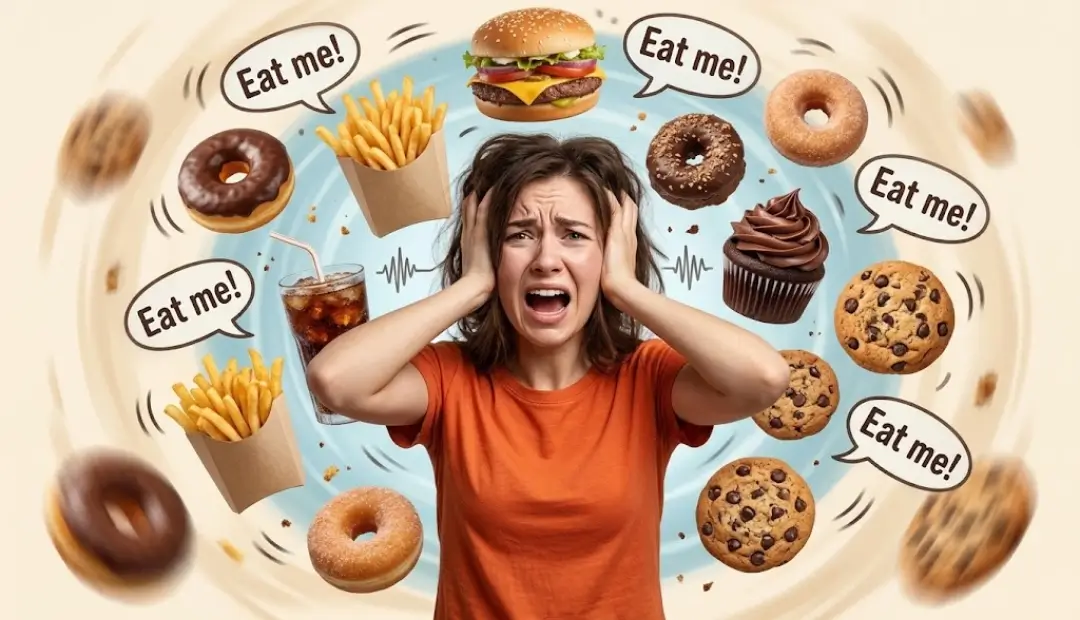
You finish breakfast, but your mind is already planning lunch. A little later, you start thinking about chocolate, snacks, or what you might eat tonight. This constant mental preoccupation may be food noise, but it isn’t necessarily the same as experiencing food cravings.
These two experiences often overlap, making them difficult to distinguish. However, understanding their differences can reveal useful information about your eating patterns. It can also help you respond more effectively without blaming yourself for every food-related thought.
What Is Food Noise?
Food noise describes persistent thoughts about food that feel unwanted, distracting, or difficult to control. These thoughts may involve meals, calories, portion sizes, food choices, or the next opportunity to eat. Unlike ordinary meal planning, they can occupy your attention even when eating isn’t necessary.
Imagine thinking about dinner while eating breakfast, then reconsidering your lunch choices repeatedly. You might also wonder whether you ate too much, chose the wrong food, or consumed enough protein. Even when you’re not hungry, these thoughts can keep returning throughout the day.
Researchers have recently started examining this experience more closely. A 2025 review published in Nutrition & Diabetes proposed a formal definition of food noise. The authors described it as persistent, unwanted, or distressing thoughts about food that may affect daily life.
The review also highlighted an important distinction between normal food thoughts and intrusive mental preoccupation. Thinking about groceries, recipes, or an upcoming meal doesn’t automatically indicate a problem. The concern arises when these thoughts become intense, repetitive, distressing, or disruptive.
The Difference May Surprise You
Discover what may be happening beneath your constant food thoughts and why satisfying one craving doesn’t always quiet your mind.
Food noise isn’t currently an established medical diagnosis. Researchers still need better measurement tools and additional clinical studies. However, the concept offers a useful way to describe an experience many people struggle to explain.
What Are Food Cravings?
Food cravings involve a strong desire to eat a particular food. You might suddenly want chocolate, salty chips, pizza, or something sweet after dinner. Sometimes, that desire feels powerful even when your stomach isn’t empty.
Unlike physical hunger, cravings often focus on a specific taste or eating experience. You may feel satisfied after eating the food you’ve been thinking about. Alternatively, the desire may continue even after you’ve eaten something else.
Scientific research commonly describes food cravings as strong conscious desires to consume particular foods. A review published in Physiology & Behavior examines how cravings develop and influence eating behavior. It also discusses the roles of food cues, reward, and cognitive strategies.
Cravings can arise for several reasons, and they don’t always indicate a nutritional deficiency. Seeing an advertisement, smelling freshly baked bread, or remembering a favorite dessert may trigger one. Stress, emotions, habits, and restrictive eating patterns can also contribute.
Most people experience food cravings occasionally. Wanting a particular snack doesn’t automatically mean you have an unhealthy relationship with food. Their frequency, intensity, and influence on your daily decisions matter more.
Food Noise vs. Food Cravings: What’s the Real Difference?
The simplest distinction involves the nature of the thoughts themselves. Food noise usually describes ongoing mental preoccupation with food and eating decisions. Food cravings generally involve a strong desire for a particular food or taste.
For example, you might spend hours thinking about what you should eat. You may compare calories, reconsider portions, and worry about your next meal. Yet you might not feel a strong desire for any specific food.
Now consider another situation: You finish lunch and suddenly want ice cream. You aren’t thinking about food constantly, but that particular dessert sounds irresistible. This experience is more consistent with a food craving.
1. Food Noise Can Involve Many Different Foods
Food noise doesn’t always revolve around one favorite snack. Your thoughts may move between meals, ingredients, calories, portions, and eating schedules. The mental activity itself becomes the exhausting part of the experience.
You might spend considerable time deciding what to eat without feeling satisfied by any option. Even after making a decision, you may question whether it was the right one. This repeated mental discussion can make ordinary eating decisions feel unnecessarily complicated.
2. Food Cravings Often Focus on Something Specific
A craving usually has a clearer target than general food preoccupation. You might want a particular chocolate bar or a specific restaurant meal. Other foods may seem less appealing until that desire fades.
Cravings can also change depending on the situation. A stressful afternoon might make sweet foods especially tempting. Seeing someone enjoy pizza could suddenly make you want the same experience.
3. Food Noise May Continue Without Physical Hunger
Food-related thoughts don’t always follow your body’s immediate energy needs. You might feel comfortably full and still plan your next meal. You may also keep reviewing what you ate earlier.
Food cravings can also occur without physical hunger. However, they more often involve wanting a particular food rather than continuous thoughts about eating. Both experiences can happen together, but they describe different aspects of food-related thinking.
4. Food Noise Can Affect More Than Eating Decisions
Persistent food thoughts may interfere with concentration, relaxation, and everyday responsibilities. You might struggle to enjoy a conversation because you’re mentally reviewing your food choices. Some people also experience frustration, guilt, or embarrassment about these thoughts.
A food craving may feel intense, but it often passes after some time. Food noise can feel more continuous because new food-related questions keep replacing earlier ones. This difference helps explain why the two experiences can feel emotionally different.
Can You Experience Food Noise and Food Cravings Together?
Yes, these experiences can overlap. Someone experiencing persistent food noise may also develop strong cravings for specific foods. In some situations, cravings may become one part of a broader pattern of food preoccupation.
Consider someone who spends much of the morning thinking about food. They repeatedly plan meals, worry about calories, and wonder whether they should avoid certain ingredients. Later, a stressful moment triggers an intense desire for something sweet.
That person may experience both food noise and a food craving. The craving describes the desire for something sweet, while food noise describes the wider pattern of persistent thoughts. Recognizing this distinction can help identify what actually feels difficult.
Your Cravings May Not Tell Everything
Explore how emotional patterns may influence persistent food thoughts, even when physical hunger isn’t driving them.
Research also suggests that food-related thoughts aren’t always triggered by seeing or smelling food. The 2025 review in Nutrition & Diabetes discusses reports of intrusive thoughts occurring without obvious food cues. It also emphasizes that researchers still need to understand the underlying mechanisms.
Why Does Food Noise Develop?
There probably isn’t one explanation that applies to everyone. Food noise may involve interactions between eating habits, emotional experiences, environmental influences, and biological signals. Understanding these possible contributors can help you recognize patterns without jumping to conclusions.
Restrictive Dieting and Constant Food Rules
Repeated dieting can make food feel like a constant decision-making challenge. You may spend the day calculating calories, avoiding certain foods, or worrying about portion sizes. These rules can leave little mental space for other activities.
For some people, restriction also increases attention toward foods they are trying to avoid. The more closely they monitor every eating decision, the more frequently food may enter their thoughts. However, individual responses vary, and restriction doesn’t explain every case of food noise.
Stress and Emotional Eating Patterns
Stress can influence how people think about food and respond to cravings. Some individuals turn toward eating because it offers temporary comfort or distraction. Others become preoccupied with food while dealing with difficult emotions.
This pattern can become frustrating when eating provides only short-lived relief. You might feel disappointed afterward, then become more anxious about your next food choice. Over time, these reactions can reinforce an uncomfortable relationship with eating.
Environmental Food Cues
Modern environments expose people to food-related messages throughout the day. Advertisements, social media, restaurant displays, and food delivery notifications can repeatedly attract attention. These cues may trigger cravings or encourage additional food-related thoughts.
Research on food cue reactivity has explored how exposure influences eating behavior. A meta-analytic review found associations between food cue responses, cravings, and subsequent eating. However, food noise may also occur without external food cues.
Sleep Disruption and Daily Stress
Sleep and appetite regulation involve several interacting biological processes. Poor sleep may influence appetite, food preferences, and responses to rewarding foods. Stress can also make it harder to manage everyday decisions.
When you’re exhausted, food-related decisions may feel more demanding. You might rely on familiar comfort foods or think more frequently about convenient meals. These experiences don’t prove that sleep problems cause food noise, but they may contribute to broader eating difficulties.
Why Does the Difference Matter?
Understanding food noise versus food cravings matters because the experiences may require different responses. A specific craving might call for identifying its trigger and deciding how to respond. Persistent food noise may require looking at the wider pattern of thoughts and emotions.
Trying to treat every food-related thought as a craving can miss the underlying problem. You might satisfy one desire, only to find your mind immediately moving toward another food decision. That can become exhausting when the real difficulty involves constant mental preoccupation.
The distinction also matters emotionally. People sometimes interpret frequent food thoughts as evidence of weak willpower or poor self-control. A more balanced understanding can reduce unnecessary self-blame and encourage practical support.
Practical Ways to Manage Food Noise and Food Cravings
There isn’t one guaranteed solution for either experience. However, several practical strategies may help you understand your triggers and develop more flexible eating habits. Start with manageable changes rather than expecting yourself to control every thought.
1. Notice the Pattern Before Reacting
When food thoughts appear, pause briefly and notice what’s happening. Ask whether you’re physically hungry, craving something specific, or repeatedly thinking about food. This simple distinction can help you respond more intentionally.
You don’t need to judge the thought or immediately make it disappear. Instead, observe when it appears and what happened beforehand. Over time, you may notice connections involving stress, boredom, restriction, or environmental cues.
2. Avoid Unnecessarily Restrictive Food Rules
Strict food rules can make eating feel more complicated for some people. Constantly labeling foods as forbidden may increase attention toward those foods. A more flexible approach can make everyday decisions feel less stressful.
This doesn’t mean ignoring nutritional needs or medical dietary advice. It means avoiding unnecessary restrictions that make eating feel like a continuous test. A registered dietitian can help develop an appropriate eating plan.
3. Build Consistent and Satisfying Eating Habits
Long gaps between meals may leave some people extremely hungry later. Planning regular, satisfying meals can help reduce uncertainty around eating. Include foods that provide nourishment and keep you comfortably satisfied.
Pay attention to your body’s hunger and fullness signals when possible. However, these signals can become difficult to interpret after repeated dieting or disordered eating. Professional guidance may help when your eating patterns feel confusing.
Look Beyond Hunger and Cravings
Watch the presentation to explore how emotional habits may shape your relationship with food and discover an approach worth understanding.
4. Find Other Ways to Respond to Stress
If stress triggers cravings, consider building additional coping strategies. A short walk, calming music, breathing exercises, or talking with someone may help. Choose activities that genuinely support you rather than simply distracting you from every emotion.
Food can remain an enjoyable part of life without becoming your only source of comfort. You don’t need to feel guilty whenever you eat for pleasure. The goal is to develop more choices when difficult emotions appear.
5. Reduce Unhelpful Food-Related Triggers
Notice whether certain situations repeatedly intensify your cravings or food thoughts. Constant food advertisements or social media content may increase your attention toward eating. Adjusting your exposure could make your environment feel less demanding.
However, avoiding every food-related cue isn’t realistic or necessary. Instead, identify the triggers that genuinely affect your daily well-being. Small environmental changes may be more sustainable than strict avoidance.
6. Replace Self-Criticism With Curiosity
Feeling frustrated about food thoughts can create another layer of emotional pressure. You might criticize yourself for thinking about food, then become even more focused on controlling those thoughts. This reaction can make the experience harder to manage.
Try approaching the experience with curiosity instead. Ask what might be contributing to the thoughts and what support could help. Understanding a pattern is often more useful than blaming yourself for having it.
Do GLP-1 Medications Reduce Food Noise?
GLP-1 receptor agonists have attracted attention because some people report fewer persistent food thoughts while taking them. These medications affect appetite regulation and other biological processes involved in eating. Examples include prescription treatments used for type 2 diabetes or chronic weight management.
However, food noise research remains relatively new. The 2025 review discusses reports of reduced food preoccupation among some people using GLP-1 medications. It also emphasizes the need for further research into their effects on food noise.
These medications aren’t appropriate for everyone and require medical assessment. They can cause side effects and have specific warnings and precautions. Never start, stop, or change prescription medication without discussing it with a qualified healthcare professional.
It’s also important to remember that medication isn’t the only possible area of support. Eating patterns, emotional health, sleep, and psychological factors may all deserve attention. The most appropriate approach depends on your individual circumstances.
When Should You Talk to a Healthcare Professional?
Occasional cravings and ordinary thoughts about food are normal experiences. However, persistent food preoccupation deserves attention when it causes significant distress or disrupts daily activities. You don’t need to wait until the problem becomes overwhelming before seeking support.
Consider speaking with a healthcare professional if food thoughts interfere with work, relationships, concentration, or sleep. You should also seek guidance if eating decisions create intense guilt or anxiety. A doctor or registered dietitian can help explore possible physical and behavioral contributors.
Professional support is especially important when food-related thoughts involve severe restriction or repeated episodes of feeling unable to control eating. These experiences may overlap with eating disorders that require appropriate assessment. The National Institute of Diabetes and Digestive and Kidney Diseases explains symptoms and causes of binge-eating disorder.
A mental health professional experienced in eating concerns may also help. Treatment can address emotional triggers, distressing thoughts, and difficult eating patterns. Early support can make it easier to understand what’s happening and identify suitable options.
Food Noise vs. Food Cravings: What Should You Remember?
Food noise and food cravings may feel similar, but they describe different experiences. Food noise involves persistent mental preoccupation, while cravings involve a strong desire for particular foods. Recognizing the difference can help you understand your eating patterns more clearly.
Neither experience automatically means something is medically wrong. However, persistent thoughts that cause distress deserve attention rather than judgment. Your relationship with food is influenced by more than willpower alone.
Instead of fighting every thought or blaming yourself for every craving, start by understanding the pattern. Notice what triggers these experiences and how they affect your daily life. With practical changes and appropriate support, you can work toward a more peaceful relationship with food.
Discover What Keeps Your Mind Focused on Food
What if food noise and cravings have a deeper connection? Discover an intriguing approach to understanding the patterns behind them.
Watch the presentation to explore how emotional patterns may influence food thoughts and cravings, and discover a different path toward a healthier relationship with eating.