


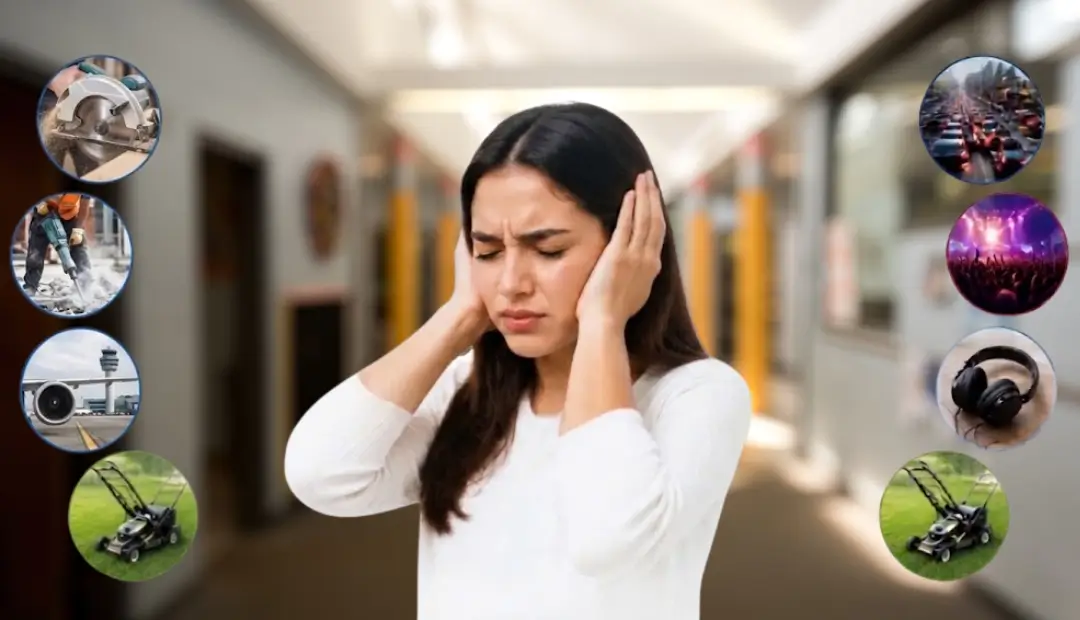
Loud noise hearing damage can develop gradually, sometimes before you recognize any change in your hearing. Concerts, noisy workplaces, power tools, and headphones can expose your ears to harmful sound levels. Even when your hearing seems normal afterward, repeated exposure may gradually affect your ability to hear clearly.
Perhaps you leave a concert with ringing ears that disappears the following morning. Maybe conversations at work have become harder to follow after years around machinery. These experiences can seem temporary, but they deserve attention rather than dismissal.
Hearing damage does not always begin with obvious deafness. You might first notice muffled sounds, difficulty understanding speech, or persistent ringing. Understanding what happens inside your ears can help you recognize risks and protect your hearing.
What Happens Inside Your Ears During Loud Noise Exposure?
How Your Ears Normally Process Sound
Hearing begins when sound waves enter your outer ear and travel toward the eardrum. These waves make the eardrum vibrate, transferring movement through three tiny bones inside your middle ear. The vibrations then reach the cochlea, a spiral-shaped structure inside your inner ear.
The cochlea contains thousands of microscopic sensory hair cells. These cells respond to sound vibrations and convert them into electrical signals. Your auditory nerve carries those signals to the brain, which interprets them as recognizable sounds.
Different hair cells respond to different sound frequencies. This organization helps you distinguish voices, music, alarms, and environmental sounds. Healthy hair cells therefore play an essential role in clear communication.
The Damage May Begin Before Symptoms
Discover what repeated sound exposure can do inside your ears, even when your hearing still seems normal.
How Loud Noise Hearing Damage Begins
Very loud sounds can place excessive stress on delicate structures inside the cochlea. Strong vibrations can damage the sensory hair cells and their tiny hair-like bundles. The resulting changes can interfere with how accurately your ears transmit sound information.
Noise exposure may also affect supporting structures and connections between sensory cells and auditory nerve fibers. Researchers continue studying the different mechanisms involved in noise-related hearing problems. However, damage to inner-ear sensory cells is an established cause of permanent noise-induced hearing loss.
One important detail makes this damage particularly concerning. Human cochlear hair cells generally cannot regenerate after they become permanently damaged. Consequently, severe or repeated injury may leave lasting changes in hearing ability.
The National Institute on Deafness and Other Communication Disorders explains how excessive noise damages sensitive inner-ear structures. Its guidance also describes common symptoms and practical prevention strategies.
Why Repeated Loud Noise Exposure Creates a Greater Risk
The Relationship Between Sound Intensity and Exposure Time
Not every loud sound creates the same level of risk. Three important factors influence potential hearing damage: sound intensity, exposure duration, and distance. Repeated exposure also matters because harmful noise can accumulate throughout daily life.
Sound intensity is measured in decibels, commonly written as dB. The higher the decibel level, the more quickly harmful exposure can occur. A sound that seems manageable briefly may become dangerous during prolonged exposure.
For example, normal conversation usually measures around 60 decibels. Heavy traffic, motorcycles, and loud household equipment can produce much higher levels. Concerts and some personal audio devices may expose listeners to particularly intense sound.
The CDC’s National Institute for Occupational Safety and Health recommends limiting workplace exposure to an average of 85 dBA over eight hours. This recommendation uses a specific occupational exposure standard, not a guarantee of safety for everyone.
Why Temporary Symptoms Should Not Be Ignored
After a loud event, you may notice ringing, buzzing, or muffled hearing. These symptoms can indicate a temporary change in hearing sensitivity. Some people recover their usual hearing over the following hours or days.
However, temporary improvement does not make repeated exposure harmless. Repeated noise exposure can cause permanent injury even when earlier symptoms disappeared. You should treat post-exposure ringing or muffled hearing as a warning to reduce future exposure.
Not everyone experiences noticeable symptoms immediately after harmful noise. Hearing changes may develop gradually and remain difficult to recognize. This explains why some people discover a problem only after conversations become increasingly challenging.
Common Sources of Loud Noise Hearing Damage
1. Industrial and Occupational Noise
Factories, construction sites, workshops, and manufacturing facilities can expose workers to hazardous noise. Machinery, compressors, drills, cutting equipment, and heavy vehicles may produce sustained sound. Workers sometimes face exposure throughout most of their working day.
Repeated exposure becomes especially concerning when employers lack effective noise-control measures. Inadequate hearing protection can increase the risk of long-term injury. Workers may also struggle to notice gradual changes because the environment becomes familiar.
Employers should assess workplace noise and reduce exposure wherever reasonably possible. Appropriate protection, equipment maintenance, and quieter work practices can all help. Workers should report inadequate protection or persistent symptoms through appropriate workplace channels.
2. Concerts, Nightclubs, and Sporting Events
Live music and crowded entertainment venues can produce intense sound levels. Standing close to loudspeakers increases the sound reaching your ears. Long events can extend exposure even when the music feels comfortable initially.
Small Exposures Can Add Up
Explore how concerts, headphones, and workplace noise may affect your hearing over time, and what you can do differently.
You might leave a concert with ringing or muffled hearing. Friends may experience similar symptoms and treat them as ordinary consequences of enjoying music. However, these symptoms suggest that your ears experienced potentially harmful sound exposure.
Earplugs designed for music can reduce sound intensity while preserving more listening detail. Moving farther from speakers also reduces exposure. Taking breaks in quieter areas gives your ears a chance to rest.
3. Headphones and Personal Audio Devices
Headphones allow people to enjoy music, videos, and calls almost anywhere. Problems can arise when listeners use excessive volume for extended periods. Noisy surroundings may encourage people to raise the volume unnecessarily.
Earbuds and headphones do not automatically cause hearing loss. Their risk depends largely on listening intensity and duration. Regularly listening at high volumes can contribute to noise-induced hearing damage.
Noise-cancelling headphones may help reduce the temptation to increase volume in busy environments. Volume limits and exposure-monitoring features can also encourage safer listening habits. Remember that comfortable sound is not always a reliable measure of safe exposure.
4. Everyday Tools and Recreational Activities
Some familiar activities expose people to more noise than they realize. Lawn mowers, leaf blowers, power tools, motorcycles, and fireworks can produce hazardous sound levels. Shooting sports and certain recreational vehicles also create substantial exposure risks.
Because these activities seem ordinary, people may underestimate their cumulative effects. A few minutes of exposure may become several hours across repeated activities. Combining workplace noise with loud hobbies can further increase overall exposure.
Think about your entire week rather than one isolated noisy event. Hearing protection matters during hobbies just as much as occupational activities. Small precautions can reduce unnecessary exposure across different parts of your life.
Signs That Loud Noise May Have Affected Your Hearing
Early Symptoms You Should Recognize
Noise-induced hearing changes do not always feel like obvious hearing loss. Early symptoms may include ringing, buzzing, or temporary muffled hearing. Some people notice that ordinary sounds seem less clear after noisy activities.
You may also struggle to understand speech in restaurants or crowded rooms. Conversations can become tiring when background noise competes with other people’s voices. You might frequently ask others to repeat themselves or increase television volume.
Another possible sign involves difficulty hearing higher-pitched sounds. Doorbells, birdsong, and certain electronic alerts may become less noticeable. These changes can affect everyday activities without immediately appearing severe.
How Hearing Changes Can Affect Everyday Life
Difficulty hearing clearly can affect more than communication itself. You might avoid group conversations because following several voices requires extra effort. Social activities can become less enjoyable when you constantly struggle to understand others.
Understand What Your Ears Need
Discover more about the hidden effects of loud noise and practical ways to protect your hearing before problems become noticeable.
Work can also become more challenging when instructions or warnings are difficult to hear. Misunderstandings may affect confidence and create unnecessary frustration. Some people withdraw from conversations because they dislike repeatedly asking for clarification.
Tinnitus can create another source of discomfort. Persistent ringing may interfere with concentration, relaxation, or sleep. If these symptoms continue, professional assessment can help identify appropriate next steps.
How to Protect Your Hearing From Loud Noise
1. Reduce Exposure Whenever Possible
The most effective prevention strategy is reducing exposure to hazardous noise. Turn down music, leave excessively noisy environments, and move away from loud equipment. Distance can make a meaningful difference because sound intensity generally decreases as you move away.
Limit the amount of time you spend around loud sounds. Take regular breaks in quieter places whenever possible. Avoid combining several noisy activities without allowing quieter periods between them.
These adjustments may seem simple, but consistency matters. Reducing exposure across many activities can lower your overall hearing risk. Prevention is especially important because permanent noise-induced hearing loss has no established medical cure.
2. Use Appropriate Hearing Protection
Earplugs and earmuffs can reduce the amount of sound reaching your inner ears. Different designs suit different environments and personal preferences. Choose protection with an appropriate noise-reduction rating for your activity.
Proper fit matters because incorrectly worn protection may provide less reduction. Follow the manufacturer’s instructions and replace damaged or worn equipment. Workers should receive suitable protection and training for their specific environment.
Musicians and frequent concertgoers may prefer high-fidelity earplugs. These devices reduce sound while preserving a more balanced listening experience. An audiologist can help identify suitable options for particular needs.
3. Make Headphone Listening Safer
Keep personal audio volume as low as practical. The World Health Organization recommends keeping device volume below 60 percent of maximum as a general precaution. Actual sound exposure still varies between devices, headphones, and listening environments.
Choose well-fitting or noise-cancelling headphones when background noise encourages louder listening. Use built-in exposure alerts or monitoring features when available. Take listening breaks and avoid unnecessarily long sessions at high volume.
The World Health Organization’s safe-listening guidance explains how volume and listening duration affect hearing risk. It also provides practical recommendations for concerts, workplaces, and personal listening devices.
4. Pay Attention to Workplace Noise
If your job involves loud machinery, ask about workplace noise assessments. Employers can sometimes reduce exposure through quieter equipment or sound barriers. Changing work arrangements may also reduce time spent near particularly noisy sources.
Use the hearing protection recommended for your working environment. Do not remove it simply because you become accustomed to the noise. Regular hearing checks can help identify changes before they become more noticeable.
Workplace hearing conservation programs may include exposure monitoring and audiometric testing. These programs help employers and workers recognize potential risks. Ask your occupational health professional about appropriate protection and testing schedules.
What Should You Do After Exposure to Very Loud Noise?
If you experience ringing or muffled hearing after a noisy event, leave the noisy environment. Avoid additional loud sounds while your ears recover. Do not assume that symptoms disappearing means future exposure is harmless.
Arrange a hearing assessment if ringing, muffled hearing, or other changes persist. An audiologist or healthcare professional can evaluate your symptoms. They may recommend hearing tests and further medical assessment when appropriate.
Sudden hearing loss requires urgent medical attention, especially when it develops over hours or days. Do not wait for it to improve on its own. Prompt assessment matters because some causes require time-sensitive treatment.
Also seek medical advice for persistent tinnitus, ear pain, dizziness, or noticeable hearing difficulties. A clinician can investigate possible causes and recommend suitable care. Avoid inserting objects into your ears or attempting unverified treatments.
Can You Recover From Loud Noise Hearing Damage?
Recovery depends on the type and severity of the injury. Temporary changes in hearing may improve after exposure ends. Permanent damage to cochlear hair cells generally cannot be reversed.
There is currently no established medication or procedure that reliably restores hearing after noise-induced hair-cell damage. However, treatment can help people manage the effects. Hearing aids may improve communication when hearing loss affects everyday activities.
People with tinnitus may also benefit from professional tinnitus management. Depending on individual needs, options can include counseling, sound-based approaches, or hearing devices. A hearing specialist can explain which approaches are appropriate.
Even when some damage has already occurred, protecting remaining hearing remains important. Avoiding additional hazardous exposure may help prevent further deterioration. Regular assessments can also help track changes and guide support.
Protecting Your Hearing Starts With Everyday Choices
Loud noise hearing damage can develop through repeated exposure or a single extremely intense sound. The process may begin inside delicate structures long before obvious hearing difficulties appear. Recognizing early warning signs gives you an opportunity to make safer choices.
Pay attention to the sounds around you at work, home, and during entertainment. Reduce unnecessary volume, limit exposure time, and use appropriate hearing protection. These habits can help preserve your ability to communicate and enjoy everyday sounds.
Your hearing deserves attention even when everything seems normal. Do not wait for persistent ringing or conversations becoming difficult before taking precautions. Protecting your ears today can help support clearer hearing in the years ahead.
What Happens Inside Your Ears After Repeated Noise Exposure?
Discover why loud sounds can cause hidden damage, even when your hearing seems normal after exposure.
Explore how everyday noise may affect delicate hearing structures, which warning signs deserve attention, and what steps may help protect your hearing.