


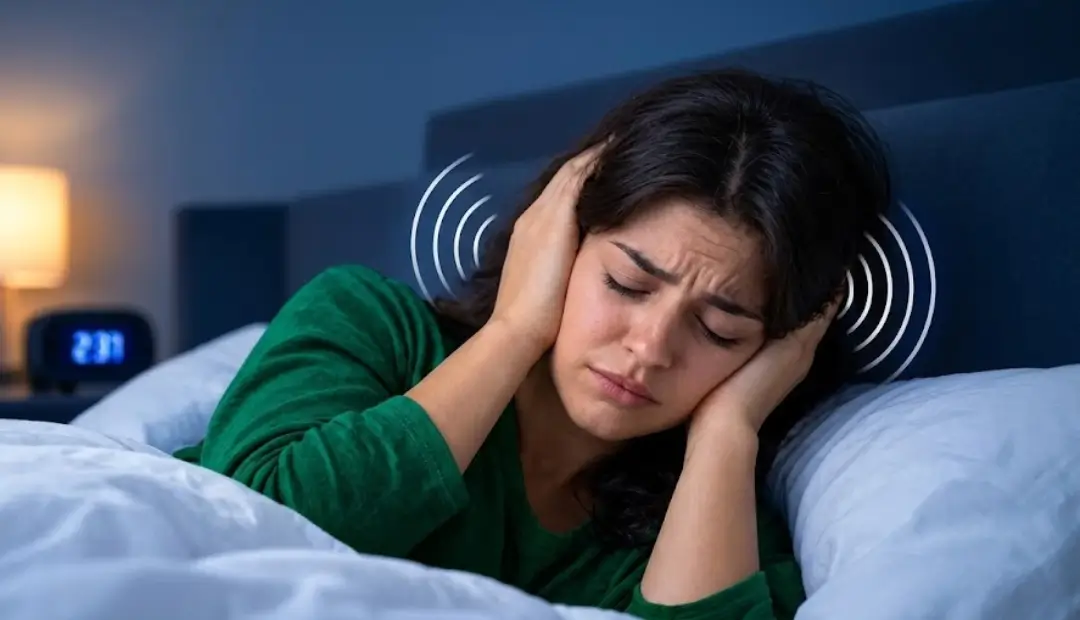
Noticing ringing in ears when lying down can make bedtime unexpectedly frustrating. The room becomes quiet, outside distractions disappear, and the sound seems impossible to ignore. If tinnitus keeps you awake, understanding why it feels louder at night can help you find practical ways to rest.
You may spend the evening feeling tired but become alert as soon as your head touches the pillow. You might change positions, turn over, or wait for the ringing to fade. When this happens night after night, sleep can start feeling like another challenge rather than a chance to recover.
Why Ringing in Ears When Lying Down Can Feel Worse at Night
Tinnitus is the perception of sound without an external source producing it. People describe it as ringing, buzzing, humming, hissing, clicking, or whistling. It may affect one ear, both ears, or seem to come from inside the head.
For many people, tinnitus becomes more noticeable in quiet surroundings. During the day, conversations, traffic, household sounds, and television compete for attention. At bedtime, those everyday sounds become less prominent, leaving the tinnitus easier to notice.
Silence Makes Tinnitus Harder to Ignore
Discover why ringing becomes more noticeable when you lie down, even when the sound itself may not have changed.
This does not necessarily mean the tinnitus itself has become louder. Instead, the contrast between the internal sound and the quiet room may make it feel more prominent. The National Institute on Deafness and Other Communication Disorders explains tinnitus, its possible causes, and how it can affect daily life.
Does Lying Down Actually Increase Tinnitus?
Some people notice a change in tinnitus when they lie down or turn their head. However, this experience does not have one universal explanation. The position itself may not be increasing the sound for everyone.
Changes in attention, pressure sensations, jaw or neck position, and surrounding noise may influence what someone notices. In some cases, tinnitus changes with head, neck, or jaw movement. Tell a healthcare professional if your sound changes noticeably with position or movement.
Some people also hear a pulsing sound that follows their heartbeat. This differs from ordinary continuous ringing and deserves medical assessment. New or persistent pulsatile tinnitus should not simply be dismissed as a bedtime problem.
How Nighttime Tinnitus Can Disrupt Your Sleep
Falling asleep usually requires a gradual shift toward relaxation and reduced attention. Persistent ringing can interrupt that process by repeatedly drawing your awareness back to the sound. You may find yourself listening for it instead of drifting toward sleep.
Worry can make the experience even more difficult. You might wonder whether the ringing will ever stop or whether tomorrow will bring another exhausting day. These thoughts can increase alertness when your body needs rest.
Repeated sleep disruption can affect daytime energy, mood, concentration, and patience. You may feel less prepared for work, family responsibilities, or ordinary decisions. The combination of tinnitus and poor sleep can become a frustrating cycle.
The Tinnitus and Insomnia Cycle
When tinnitus interferes with sleep, you may start anticipating another difficult night. That expectation can make bedtime feel stressful before you even lie down. Stress and increased attention can then make the ringing harder to ignore.
After a poor night, fatigue may reduce your ability to cope with discomfort. You might become more sensitive to sounds or feel increasingly frustrated by the tinnitus. This does not mean the sound is imaginary or that you are causing it.
Addressing sleep and tinnitus together can be more useful than focusing on the sound alone. Improving sleep habits may reduce some of the pressure surrounding bedtime. A clinician can also help identify treatments suited to your symptoms.
What Might Cause Tinnitus to Become More Noticeable?
Tinnitus is a symptom rather than a condition with one single cause. It often occurs alongside hearing changes, including age-related hearing loss and noise-related damage. However, people can experience tinnitus for several different reasons.
Hearing Loss and Changes in Sound Processing
Many people with tinnitus also have some degree of hearing loss. When hearing changes, the brain receives different sound information than before. Tinnitus may become noticeable alongside these changes, although the relationship varies between individuals.
You might also struggle to follow conversations in noisy places or turn up the television volume. These signs can suggest a hearing problem worth investigating. A hearing assessment can help determine whether hearing loss accompanies your tinnitus.
Noise Exposure
Exposure to loud sounds can damage delicate structures in the inner ear. Concerts, machinery, power tools, and loud personal audio can all contribute to noise-related hearing damage. Tinnitus may develop after a loud event or following repeated exposure.
The NIDCD guidance on noise-induced hearing loss explains how loud sounds can damage hearing. Protecting your ears from excessive noise remains important, especially when tinnitus has already appeared. Avoid turning headphones up to mask the ringing.
Earwax, Infections, and Other Medical Factors
Earwax blockage and ear infections can sometimes cause tinnitus or make existing symptoms more noticeable. Certain medications may also contribute to tinnitus in some people. Never stop a prescribed medication without discussing it with your healthcare professional.
Other possible associations include jaw joint problems, head or neck injuries, and some circulation-related conditions. The relevant cause depends on your symptoms and medical history. An examination can help identify problems that need specific treatment.
How to Make Ringing in Ears When Lying Down Less Intrusive
You may not be able to eliminate tinnitus immediately, but you can change how bedtime feels. The aim is to reduce the contrast between the ringing and the surrounding silence. A comfortable sleep environment can make the sound less dominant.
1. Try Gentle Background Sound
Complete silence can make tinnitus more noticeable for some people. A quiet fan, soft rainfall recording, or gentle ambient sound may provide a more comfortable background. Choose a sound that feels calming rather than distracting.
Keep the volume low enough to remain comfortable. You do not need to overpower or completely cover the tinnitus. Many people find that a subtle background sound makes it easier to shift attention away from ringing.
Experiment with different sounds and placements. Some prefer a bedside speaker, while others use a suitable sound device. Avoid wearing uncomfortable headphones throughout the night, especially if they interfere with safe sleep or cause pressure.
The Tinnitus and Sleep Connection
Explore how nighttime ringing and sleep-related worry can reinforce each other, making restful nights harder to achieve.
2. Build a Consistent Bedtime Routine
Try going to bed and waking up at consistent times. Give yourself a quiet period before sleep instead of moving directly from stressful activities into bed. A predictable routine can help your body prepare for rest.
Consider reading, taking a warm shower, or practicing gentle breathing. Reduce bright screens and stimulating activities close to bedtime. If you notice that late caffeine affects your sleep, consider limiting it later in the day.
3. Avoid Constantly Checking the Ringing
Repeatedly testing whether the tinnitus has disappeared can keep your attention fixed on it. You might turn off background sounds or move your head to check for changes. This habit can make bedtime feel like a continuous monitoring exercise.
Instead, choose a comfortable sound environment and direct your attention toward a relaxing activity. You do not have to force the ringing out of your awareness. Allowing it to remain in the background may feel easier than struggling against it.
4. Get Out of Bed When Sleep Will Not Come
If you remain awake and increasingly frustrated, consider leaving bed briefly. Sit somewhere comfortable and do something quiet under soft lighting. Return when you begin feeling sleepy again.
This approach forms part of stimulus control, a strategy used in cognitive behavioral therapy for insomnia. It helps rebuild the association between bed and sleep rather than prolonged frustration. A qualified sleep professional can explain whether this approach suits your circumstances.
Which Treatments Can Help With Tinnitus and Poor Sleep?
Tinnitus treatment depends on its likely cause, severity, and effect on daily life. There is no single treatment that works for everyone. A healthcare professional can discuss suitable options after assessing your hearing and symptoms.
Cognitive Behavioral Therapy for Tinnitus
Cognitive behavioral therapy, often called CBT, can help people change their responses to tinnitus. It does not necessarily remove the sound itself. Instead, it addresses distress, unhelpful thought patterns, and the emotional impact of persistent ringing.
Some approaches also help people manage sleep-related worry. This can be valuable when tinnitus and insomnia reinforce each other. Ask a qualified clinician about tinnitus-focused CBT or appropriate psychological support.
Hearing Aids and Sound-Based Support
When hearing loss accompanies tinnitus, hearing aids may improve access to everyday sounds. Better access to environmental sound can make tinnitus less noticeable for some users. An audiologist can assess whether hearing aids are appropriate.
Sound therapy may also help some people manage tinnitus. Options include background sound, sound generators, or structured listening approaches. The best choice depends on personal comfort and professional guidance.
There May Be More Than One Factor
Learn about possible influences behind tinnitus and why understanding your symptoms matters before choosing an approach.
Addressing Sleep Problems Directly
Persistent insomnia deserves attention even when tinnitus appears to trigger it. Cognitive behavioral therapy for insomnia, known as CBT-I, is an established treatment for chronic insomnia. It addresses habits and thought patterns that interfere with sleep.
The NHS tinnitus guidance discusses possible causes, assessment, and support options. It also recommends seeking medical advice when tinnitus regularly affects sleep or concentration. Treating related hearing or sleep problems may improve overall quality of life.
When Should You See a Doctor About Nighttime Ringing?
Arrange an appointment if tinnitus happens regularly, worsens, or interferes with sleep. You should also seek assessment if it affects concentration, mood, or everyday activities. A clinician can examine your ears and review possible causes.
Seek urgent medical care if tinnitus occurs with sudden hearing loss. Sudden hearing changes need prompt assessment rather than waiting for a routine appointment. Also seek urgent help for tinnitus following a significant head injury or when accompanied by severe neurological symptoms.
Tell your clinician if the sound pulses in time with your heartbeat. Mention whether it affects one ear, changes with position, or comes with dizziness. These details can help guide the examination and any further investigations.
You Deserve a More Restful Night
Ringing in ears when lying down can feel especially frustrating because bedtime removes many distractions. The quiet may make tinnitus more noticeable, while worry about sleep can increase the strain. Understanding this pattern can help you approach the problem more calmly.
Start with a comfortable sleep routine and experiment with gentle background sound. If tinnitus continues to disturb your nights, seek an assessment rather than struggling alone. There may be ways to address contributing hearing problems, reduce distress, and improve sleep.
You do not have to accept exhausted mornings as an inevitable part of living with tinnitus. The right next step begins with understanding your symptoms and finding support that fits your needs. Better nights may take patience, but practical options are available.
Why Does Tinnitus Feel Louder When You Lie Down?
Discover why nighttime silence can make ringing impossible to ignore, and what may be happening beyond the sound itself.
Explore a different perspective on tinnitus, learn about factors affecting nighttime hearing, and discover approaches that may help you rest more comfortably.